Volcanic Hoodoos and Ancient Pueblo Culture Near Santa Fe
Volcanic Hoodoos and Ancient Pueblo Culture Near Santa Fe
About 40 miles southwest of Santa Fe on the Pajarito Plateau, the landscape does something unexpected: the desert opens into a field of cone-shaped volcanic hoodoos rising up to 90 feet from layers of ash, pumice, and tuff left by eruptions from the nearby Jemez Mountains between 6 and 7 million years ago. The formations look simultaneously fragile and ancient, their soft conical slopes capped by harder boulders that protect the material below from erosion. This is Kasha-Katuwe Tent Rocks National Monument, co-managed by the Bureau of Land Management and the Cochiti Pueblo, whose name for the place means ‘white cliffs’ in the Keresan language. Humans have lived in and traveled through this landscape for more than 7,000 years.
The monument offers two trails. The Cave Loop Trail, 1.2 miles long and rated easy, winds past hoodoos and through a short slot canyon section at the base of the formations, passing through juniper and piñon woodland with open views of the rock columns. The Canyon Trail, 1.5 miles long and rated moderately difficult, climbs 630 feet through a narrow canyon where the walls press to just a few feet apart before opening onto a mesa viewpoint with panoramas of the Sangre de Cristo, Jemez, and Sandia mountain ranges and the Rio Grande Valley below. The two trails can be combined for a satisfying half-day outing.
The monument closed in March 2020 due to the COVID-19 pandemic and the need for facility improvements and trail restoration. It reopened in November 2024 with a reservation system that limits daily visitors to protect the delicate formations. In 2025, TIME Magazine named Kasha-Katuwe one of the World’s Greatest Places. Access is currently available Thursday through Monday between 8 a.m. and 1 p.m., with visitors asked to exit by 4 p.m. The monument closes annually from December 15 through January 31 and on certain Cochiti Pueblo cultural days.
Note: dogs are not permitted anywhere in the monument. Travelers with pets should plan accordingly.
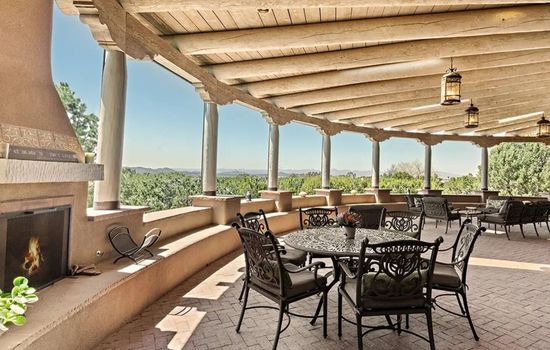
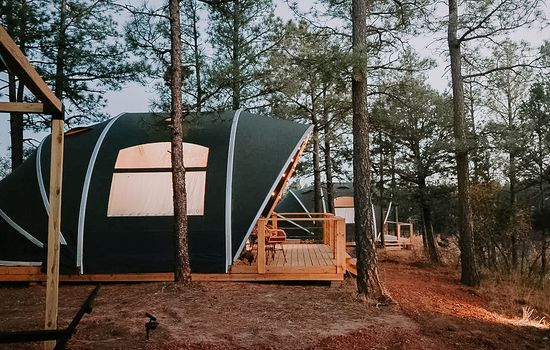
Santa Fe is the natural base for a Kasha-Katuwe visit, offering one of the most distinctive concentrations of vacation rentals, luxury adobe guesthouses, and boutique lodging in the Southwest. The drive from Santa Fe takes about 40 minutes. Albuquerque, roughly 52 miles from the monument, provides another practical base, with a wider range of vacation homes, condos, and pet-friendly rentals. Properties in the Jemez foothills, between the monument and Santa Fe, offer beautiful high-desert views, outdoor fire pits, and tranquil settings for groups wanting to explore the northern New Mexico landscape.
Secure both a BLM reservation through recreation.gov and a Cochiti Pueblo Tribal Access Pass before visiting. Contact the BLM Rio Puerco Field Office at 505-761-8700 for current conditions. Book your accommodations for Kasha-Katuwe Tent Rocks National Monument.
Seasons
Spring brings mild temperatures, 50s-70s°F, and vibrant wildflowers. Ideal for hiking, this season offers pleasant weather and stunning vistas. Visit in March to May for optimal conditions and witness the blooming flora. No specific events, but a perfect time for outdoor exploration.
Explore unique volcanic formations from March to October, with summer temperatures often exceeding 90°F. Be aware of flash floods and lightning during monsoon season. No special events are scheduled, but the stunning landscapes and trails make it a must-visit despite the heat.Bring ample water.
Visit in fall for mild temperatures (50s-70s°F) and crisp air. Enjoy the monument’s vibrant autumn hues and scenic hikes. Catch the Columbus Day celebration on October 13, a highlight of the season. Ideal time to avoid crowds and immerse in nature’s splendor.
Visit from December to February for a serene winter landscape, with temperatures in the 30s-50s°F. Though trails may be icy, the crisp air and occasional snowfall add a unique charm, but check weather and trail conditions beforehand.
Top 3 Facts about Kasha-Katuwe Tent Rocks National Monument
Kasha-Katuwe’s tent rock formations were created by volcanic eruptions from the Jemez volcanic field between 6 and 7 million years ago. The explosions deposited more than 1,000 feet of pumice, ash, and tuff on the Pajarito Plateau. Subsequent erosion shaped the tuff into cone-shaped hoodoos, with harder boulder caps protecting the softer material below from further weathering.
The monument is co-administered by the Bureau of Land Management and the Pueblo de Cochiti, whose Keresan name Kasha-Katuwe means ‘white cliffs.’ The Cochiti Pueblo people have a direct ancestral connection to this land; access to the monument passes through tribal lands, and all visitors must obtain a Cochiti Pueblo Tribal Access Pass in addition to a BLM reservation.
Kasha-Katuwe Tent Rocks National Monument closed in March 2020 and remained closed for more than four years while facilities were upgraded and trails restored to handle visitation sustainably. After reopening in November 2024, the monument was named one of TIME Magazine’s World’s Greatest Places for 2025. The new reservation system caps daily visitors at approximately 75,000 per year.
Travel Tips
Plan Ahead
Reservations through recreation.gov are required Thursday through Monday, plus a Cochiti Pueblo Tribal Access Pass ($20 per adult, $10 for ages 2 to 16) purchased directly from the Pueblo. Both are required separately before arriving. The monument closes December 15 through January 31 and on certain cultural days throughout the year. Check blm.gov/visit/kktr for current schedules and upcoming reservation release dates.
Pack Appropriately
Bring plenty of water; no drinking water is available on the trails. Sun protection, a wide-brimmed hat, and closed-toe shoes with good grip for sandy and rocky canyon terrain are essential. Layers are helpful in spring and fall at the monument’s 5,700-foot elevation, where mornings can be cool. Flash flooding in the canyon can occur with little warning during summer monsoon storms; leave the Canyon Trail immediately if thunder develops.
Respect Wildlife
Stay on designated trails to protect the delicate tuff and volcanic hoodoo formations, which are easily damaged by foot traffic off-path. Do not remove rocks, fossils, plants, or any natural materials. Respect all cultural protocols and closures honoring the Cochiti Pueblo’s connection to the land. Wild turkeys, hawks, coyotes, and deer inhabit the area; observe from a respectful distance and do not feed any wildlife.
Stay Informed
Check blm.gov/visit/kktr for current reservation windows, holiday closures, and trail conditions before visiting. Flash flood risk is real in the narrow Canyon Trail during afternoon monsoon season from mid-July through early September; never enter the canyon if storms are approaching. Contact the BLM Rio Puerco Field Office at 505-761-8700 for current safety conditions and closures.
- Area (mi²)
- 8.4
- Established year
- 2001
Accessibility & permits
Emergency

Planning a trip?
Tell us about your upcoming trip and how we can help!
Frequently Asked Questions
Ready to dive into what Kasha-Katuwe Tent Rocks National Monument has to offer? Let’s tackle some of the burning questions you might have as you plan your visit!
-
The closest cities to Kasha-Katuwe Tent Rocks National Monument are Albuquerque and Santa Fe, both of which are about 45 minutes away. Albuquerque is slightly closer, with the monument being about an hour from the city via car.
-
Dogs are not allowed, except for identifiable service animals. Leaving a dog in the car is also not permitted due to heat concerns. Only service animals are permitted for the health and safety of all visitors.
-
Parking is available, but it can be limited during high season when visitors may need to use a shuttle. There is ample parking during the off-season. The parking area can accommodate various types of vehicles, including camper vans, trailers, and motorhomes.
-
Hike the Slot Canyon Trail, a 1.5-mile roundtrip path with some climbing and narrow passages, or the Cave Loop Trail, a 1.2-mile loop. Enjoy birdwatching, geologic observation, and plant identification. Take in panoramic views from the mesa overlook, featuring towering hoodoos and surrounding mountain peaks.