


Canoe Circuits, Laurentian Lakes, and Boreal Wilderness Near Montreal

Canoe Circuits, Laurentian Lakes, and Boreal Wilderness Near Montreal
Two hours from Montreal and barely more from Quebec City, La Mauricie National Park occupies a 536-square-kilometre arc of the southern Canadian Shield in the Laurentian Mountains of Quebec. Established in 1970 through a federal-provincial agreement and officially designated Canada’s 22nd national park in 1977, the park protects a representative sample of the Precambrian mixed forest ecosystem, where more than 150 lakes, rolling boreal hills, waterfalls, and forested ridgelines create a classic Quebec wilderness experience at a scale that feels genuinely remote despite its proximity to major cities.
Canoeing is the park’s defining activity, and the multi-lake canoe circuit is one of the most celebrated paddling routes in eastern Canada. Linking more than a dozen lakes through roughly 40 kilometres of portage routes, the circuit takes experienced paddlers into the park’s quieter interior, where loons call across still water at dusk and moose wade in shallow lake edges at dawn. Day paddlers can explore Wapizagonke Lake, the park’s largest, from a lakeside put-in. For hikers, more than 30 kilometres of maintained trails and an additional 200 kilometres of routes offer options from short family walks to full-day ridge hikes with panoramic views over the Laurentian hills. The 63-kilometre Parkway Road, fully paved, links the park’s two entrance points and passes lookouts, beaches, and trailheads, making a scenic drive through La Mauricie one of the most rewarding non-hiking ways to experience the park.
Families appreciate the park’s combination of organized facilities and genuine backcountry access. Sandy lake beaches, supervised swimming areas, and picnic spots at developed campgrounds give younger travelers a comfortable base, while older kids and adults who want to paddle deeper into the park can do so without leaving the national park system. Multi-generational groups find the Parkway Road scenic drive particularly inclusive, delivering striking views and wildlife encounters at minimal effort. Moose, beaver, black bear, wolves, and lynx inhabit the park, along with over 180 bird species including the common loon, which remains an iconic sound of La Mauricie evenings. Pet-first travelers should verify current Parks Canada pet rules before visiting, as national park regulations apply throughout.
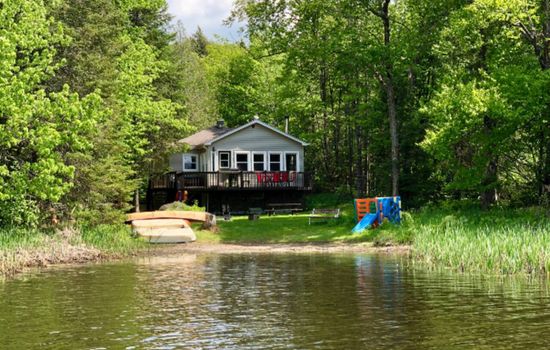
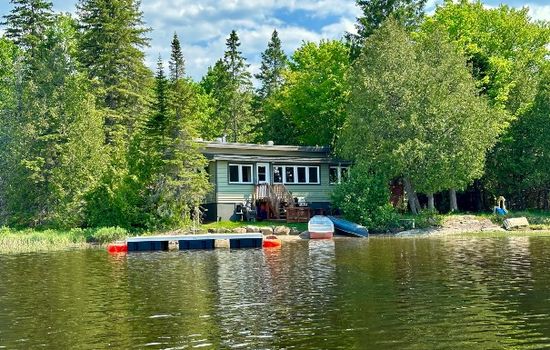
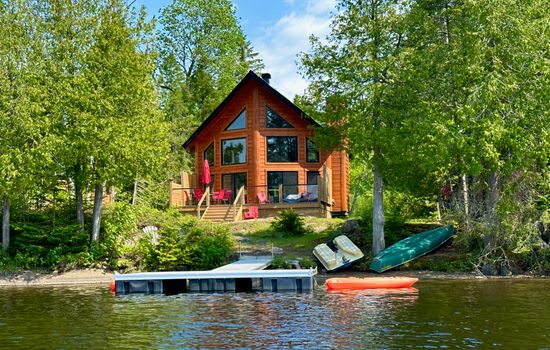
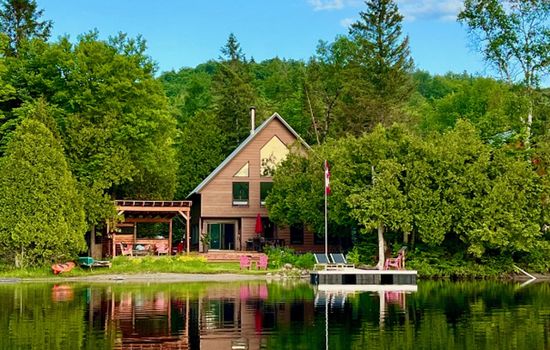
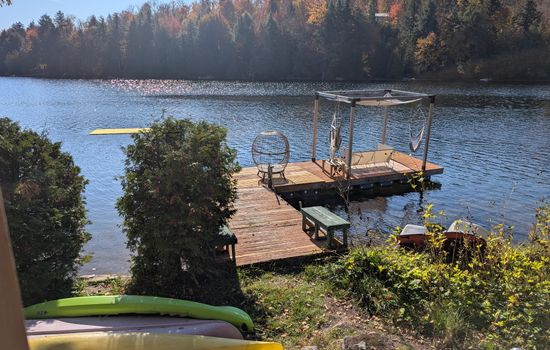
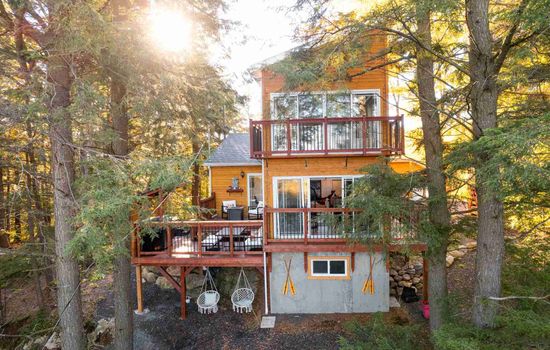
The Mauricie region surrounding the park offers a warm and welcoming base for overnight stays. Shawinigan and Trois-Rivières are the closest urban centres, while smaller communities near the park entrances at Saint-Jean-des-Piles and Saint-Mathieu-du-Parc offer cozy cabins and vacation homes. Lakeside rentals with kayaks and paddleboards, fire pits, and BBQ grills let groups continue the water theme even off-park. Multi-bedroom vacation homes with full kitchens are available for larger groups who want a comfortable base for multi-day Laurentian exploration.
An entry pass is required for all visitors; purchase in advance through Parks Canada or at the park entrance. Canoe camping and backcountry reservations are essential for summer visits and fill weeks ahead. The Parkway Road is typically open from late May through mid-October; check parks.canada.ca/mauricie for current road and facility status. Drones are strictly prohibited throughout the park. Book your accommodations near La Mauricie National Park through Lake.com.
Top 3 Facts about La Mauricie National Park
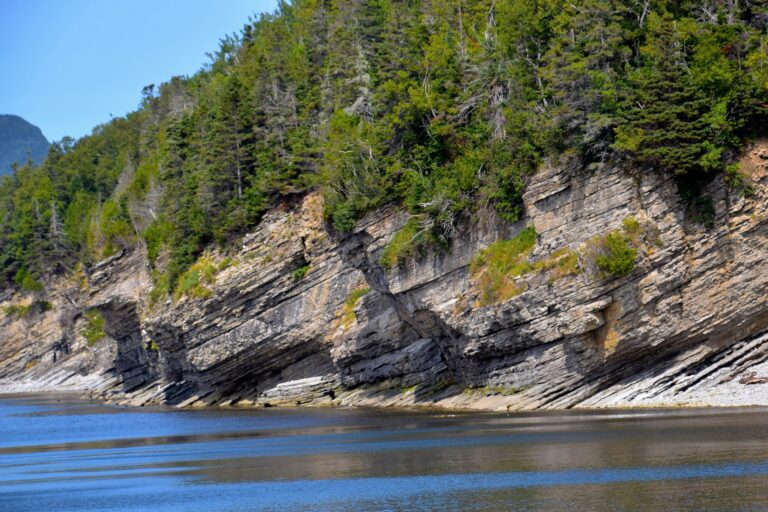
La Mauricie National Park spans 536 square kilometres of the Laurentian Mountains on the southern Canadian Shield in Quebec, protecting a representative sample of the southern boreal and mixed forest transition zone. The park contains more than 150 lakes, numerous rivers and waterfalls, and geological formations in ancient Precambrian rock approximately 955 million years old, shaped by successive glaciations that created the rolling hills and lake-filled valleys seen today.
The park’s multi-lake canoe circuit, linking more than a dozen lakes through approximately 40 kilometres of portage routes, is one of the most celebrated paddling routes in eastern Canada. Canoe camping allows paddlers to access the park’s quiet interior lakes, where fishing, wildlife watching, and overnight stays far from road noise are possible within the national park system and just two hours from Montreal.
La Mauricie National Park is a genuine four-season destination, offering more than 30 kilometres of maintained hiking trails, 200 kilometres of additional routes, and 80 kilometres of groomed winter cross-country ski and snowshoe trails. The park’s 63-kilometre Parkway Road connects both entrances through a series of scenic lookouts, lake beaches, and wildlife viewing areas accessible to visitors of all mobility levels and is open from late May through mid-October.
Travel Tips
Plan Ahead
Entry passes are required for all visitors; purchase in advance through Parks Canada or at the park entrance. Canoe camping permits and backcountry reservations fill quickly for summer weekends and should be booked as early as possible through reservation.pc.gc.ca. The Parkway Road is typically open from late May to mid-October; verify current road status at parks.canada.ca/mauricie before visiting. Drones are prohibited throughout the park. French and English services are available at all park facilities.
Pack Appropriately
Bring insect repellent for spring and summer visits, as blackflies and mosquitoes are active from May through July, especially near water. Layer clothing for Laurentian weather, which can be cool in the morning and warm by midday even in summer. Wear water-resistant footwear on trails that pass near lakes and river crossings. Canoe campers should carry a waterproof dry bag for gear and a park-approved canoe map. In winter, dress in full insulating layers for cross-country skiing and snowshoeing in temperatures that can drop below -20C.
Respect Wildlife
Moose, black bear, beaver, and wolves inhabit the park. Maintain a safe distance from all wildlife at all times. Never approach, feed, or attempt to photograph wildlife at close range. Store all food in bear-resistant containers or food caches at backcountry campsites. Wolves have been detected in the park; if encountered, remain calm, stand tall, and back away without running. Keep leashed pets under control and confirm current park pet rules before your visit.
Stay Informed
Check parks.canada.ca/mauricie for current trail conditions, road openings, and any wildlife or safety advisories before your visit. The Parkway Road opens in late May; hiking trails in the Riviere-a-la-Peche and Saint-Gerard sectors are accessible earlier in spring. Canoe conditions and water levels can change with spring runoff. For emergencies within the park, call 9-1-1. For wildlife incidents or park violations, call 1-877-852-3100.
- Area (km²)
- 333.13
- Annual visitors
- 278 923
- Established year
- 1970
Accessibility & permits
Emergency

Planning a trip?
Tell us about your upcoming trip and how we can help!
Nearby parks
Frequently Asked Questions
Ready to dive into what La Mauricie National Park has to offer? Let’s tackle some of the burning questions you might have as you plan your visit!
-
To visit the park, you should stay in Trois-Rivières or Shawinigan, as they are the closest cities with various hotel and lodging options. Trois-Rivières is about 29-37 miles from the park, while Shawinigan is slightly closer. Both cities offer a range of accommodations and amenities.
-
The family-friendly hikes are categorized into easy, moderate, and difficult levels, with over 110 km of trails available. For a family-friendly option, consider trails that are labeled as easy, which are designed to be accessible for all skill levels and ages. These trails offer scenic views and a enjoyable experience without the intense challenges of the more difficult routes.
-
Pets are not allowed on the trails. They are only permitted in developed campgrounds, the Parkway corridor, and certain picnic and rest areas, as long as they are kept on a leash.
-
Parking is included with admission, as the entry fee replaces all parking fees within the park.
-
You can enjoy hiking, cross-country skiing, snowshoeing, kayaking, canoeing, fishing, swimming, and photography. There are also opportunities for bird watching, wildlife observation, stargazing, and relaxing in red chairs with spectacular views. In the winter, the park offers ice fishing and cozy cabin stays, while in the summer, you can swim, paddleboard, or have a picnic by the lakes.