


Limestone Monoliths, Atlantic Puffins, and Whale-Watching on the Gulf of St. Lawrence
Limestone Monoliths, Atlantic Puffins, and Whale-Watching on the Gulf of St. Lawrence
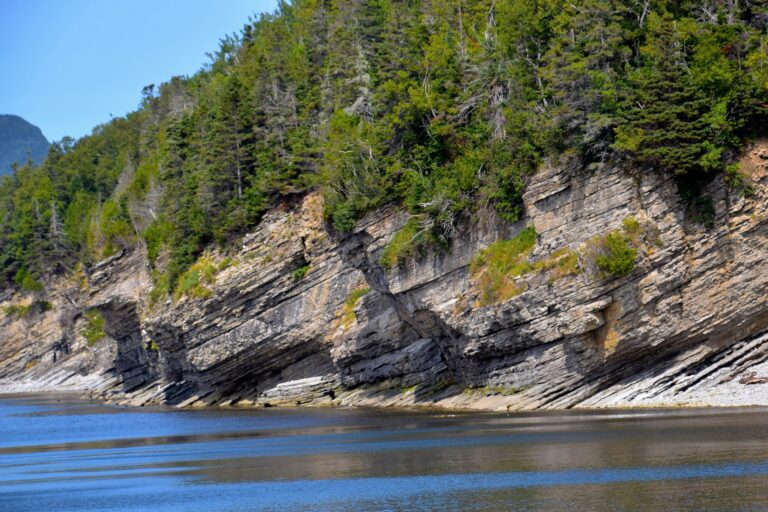
Along the north shore of the Gulf of St. Lawrence in northeastern Quebec, a hundred kilometres of limestone archipelago stretches offshore from the small coastal communities of Havre-Saint-Pierre and Longue-Pointe-de-Mingan. The Mingan Archipelago National Park Reserve, established in 1984, protects 151 square kilometres of this remarkable landscape, encompassing roughly 20 limestone islands and over a thousand smaller granite islets and reefs. What sets Mingan apart from virtually every other park on this continent is what 450 million years of erosion has left standing on these island shores: the largest concentration of erosion monoliths in Canada, towering limestone pillars and pots sculpted by sea, ice, and wind into forms that genuinely appear otherworldly.
Access to the islands is exclusively by boat, departing from Havre-Saint-Pierre and Longue-Pointe-de-Mingan. Parks Canada-recognized boat operators run daily guided excursions and transportation to key islands from June through September. On the islands themselves, marked hiking trails traverse monolith fields, coastal cliffs, peat bogs, and boreal forest, with Parks Canada interpreters available at key landing sites to explain the geology, ecology, and natural history in remarkable depth. A network of 42 designated island campsites allows adventurers to stay overnight, falling asleep to the sounds of the Gulf and waking to seabird calls from the surrounding colonies.
The wildlife of the Mingan waters is extraordinary. Atlantic puffins nest in large colonies on Ile aux Perroquets, one of the park’s most-visited islands, which also hosts a historic lighthouse station where overnight stays in converted lighthouse keepers’ buildings are bookable through Parks Canada. Razorbills, common eiders, Arctic terns, and common terns nest throughout the archipelago in some of the largest concentrations on the Gulf of St. Lawrence. Minke whales, humpbacks, fin whales, harbour seals, and grey seals frequent the waters year-round, drawn by cold, plankton-rich Gulf currents. The park lies along Quebec’s Whale Route, Route 138, where sightings from both water and shore are a realistic expectation.
The Mingan Archipelago draws experienced adventurers, wildlife photographers, and natural history enthusiasts willing to make the significant journey to the Cote-Nord region of Quebec. Families with older children who are comfortable on boats and engaged by geology and wildlife will find the island day trips deeply rewarding. Multi-generational groups who can coordinate the logistics of the remote Cote-Nord setting often find this to be among the most memorable outdoor experiences they’ve shared. The park is open June through September; outside this window no visitor services operate.
The gateway communities of Havre-Saint-Pierre and Longue-Pointe-de-Mingan offer cozy local accommodation options. For travelers who want the comfort of a full kitchen and more relaxed space after island days, vacation rentals in the Havre-Saint-Pierre area provide a comfortable base along the Gulf coast. Properties with views over the St. Lawrence and access to the local whale-watching route add to the experience. Booking well in advance is essential, as the small-town accommodation inventory fills quickly during the summer season. Book your accommodations near Mingan Archipelago National Park Reserve through Lake.com.
Seasons
Migratory birds return, nesting seabirds (puffins, razorbills, murres), wildflowers bloom, wildlife sightings (seals, whales), trails open and offer picturesque coastal hikes.
Peak visitation; warm weather, long daylight hours, ideal for kayaking, boating, snorkeling, guided boat tours, hiking, and camping on remote islands. Excellent conditions for wildlife watching and outdoor activities.
Fewer visitors, vibrant autumn colors, cooler hiking weather, migratory birdwatching, peaceful scenic exploration; excellent for photography and outdoor activities in solitude.
Quietest season; snowy winter landscapes, opportunities for snowshoeing, cross-country skiing on select trails, wildlife sightings (seals, seabirds), limited activities; serene environment suited for adventurous travelers seeking solitude.
Top 3 Facts about Mingan Archipelago National Park
Mingan Archipelago National Park Reserve encompasses 151 square kilometres of the Gulf of St. Lawrence coastline in northeastern Quebec, protecting roughly 20 limestone islands and over a thousand smaller granite islets. The archipelago contains the largest concentration of erosion monoliths in Canada, sculpted limestone pillars and formations created by 450 million years of wave action, glaciation, and weathering from Ordovician-era sedimentary rock. The park is open from June through September and is accessible only by boat.
The waters of the Mingan Archipelago support exceptional marine biodiversity, including 13 whale species recorded in the region, with minke, humpback, and fin whales the most commonly observed. Atlantic puffins nest in large colonies on Ile aux Perroquets alongside one of the park’s historic lighthouse stations, where overnight stays in converted lighthouse-keeper buildings are bookable through Parks Canada. The archipelago also hosts some of the largest concentrations of Arctic terns and common eiders in the Gulf of St. Lawrence.
The Mingan Archipelago has been inhabited and used for over 5,000 years, with the Innu people of the Cote-Nord having deep ancestral ties to the islands and surrounding waters. Basque whalers and fishers operated in the archipelago from the 16th through 18th centuries, and excavations on Mingan Island revealed remains of a Basque stone oven used to process whale blubber. The park’s two visitor reception and interpretation centres, in Havre-Saint-Pierre and Longue-Pointe-de-Mingan, provide context for both the natural and cultural heritage of the archipelago.
Family programs
- Ranger-led Tours
- Workshops & Hands-on Activities
- Family Camping & Overnight
- Water-based Adventures
Travel Tips
Plan Ahead
The park is open June through September; boat operators and most services are available from June through early September with reduced schedules at the start and end of the season. Reserve island camping sites in advance through Parks Canada’s reservation system. Book boat excursions with Parks Canada-recognized operators from Havre-Saint-Pierre or Longue-Pointe-de-Mingan well before your trip; popular departures fill during July and August. Lighthouse accommodation on Ile aux Perroquets must be reserved in advance. Check parks.canada.ca/mingan for current operator schedules and any safety advisories.
Pack Appropriately
Dress in waterproof and windproof layers at all times; the Gulf of St. Lawrence is cold and wind is consistent, even in summer. Water temperatures in the Gulf rarely exceed 15 degrees Celsius; bring appropriate thermal protection if planning any water contact. Insect repellent is essential on the islands, particularly in July. Wear rubber-soled waterproof footwear suitable for wet dock landings. Bring lunch and drinking water for island day trips, as no food services operate on most islands. A dry bag for electronics and valuables is recommended on all boat trips.
Respect Wildlife
Maintain mandatory distances from all nesting seabirds including puffins, terns, and eiders; nesting season closures apply to certain island areas and must be observed. Never approach or disturb nesting birds. Whale-watching from boats must follow Transport Canada and Parks Canada distancing regulations; do not direct boats toward whales. Leave No Trace principles apply strictly throughout the archipelago; no waste collection exists on most islands. Stay on marked trails to protect rare arctic-alpine plant communities, including the endemic Mingan thistle, which is found only in this archipelago.
Stay Informed
Check parks.canada.ca/mingan for current seasonal status, boat operator schedules, island access conditions, and any wildlife closures before planning your visit. Weather and sea conditions in the Gulf of St. Lawrence can change rapidly; monitor marine forecasts before any boat departure and follow operator safety instructions. The park is open June through September only. For emergencies, call 9-1-1. For park information, contact Mingan Field Unit at (418) 538-3285 or toll-free at 1-888-773-8888.
- Area (km²)
- 93.34
- Annual visitors
- 35 000
- Established year
- 1984
Accessibility & permits
Emergency

Planning a trip?
Tell us about your upcoming trip and how we can help!
Nearby parks
Frequently Asked Questions
Ready to dive into what Mingan Archipelago National Park has to offer? Let’s tackle some of the burning questions you might have as you plan your visit!
-
The drive from Quebec City to Havre-Saint-Pierre, the nearest town to the park, is approximately 870 kilometers and takes around 10-11 hours. From Havre-Saint-Pierre, you would need to take a car ferry or other local transportation to reach the islands.
-
The easiest hiking trail is the 0.3 km Poète Jomphe Trail on Île Niapiskau, which is a short loop with minimal obstacles. This trail is flat and easy to navigate, making it accessible for most hikers.
-
Swimming is not explicitly mentioned as an activity in the park, and the focus is more on boat excursions, kayaking, hiking, and other land-based activities. However, there are beaches and crystal-clear waters, but it is best to check with park authorities for specific swimming areas.
-
Yes, parking is free. You can park your camper, trailer, or motorhome without any additional fees.
-
Visit the unique limestone monoliths, some of which are over 450 million years old, and observe a diverse range of wildlife including seabirds like the Atlantic puffin. Enjoy hiking on over 80 km of trails across several islands, and participate in nautical activities such as sea kayaking and stand-up paddleboarding. You can also camp in oTENTik tents or stay in special accommodations like the lightkeeper’s cottage on Île aux Perroquets.