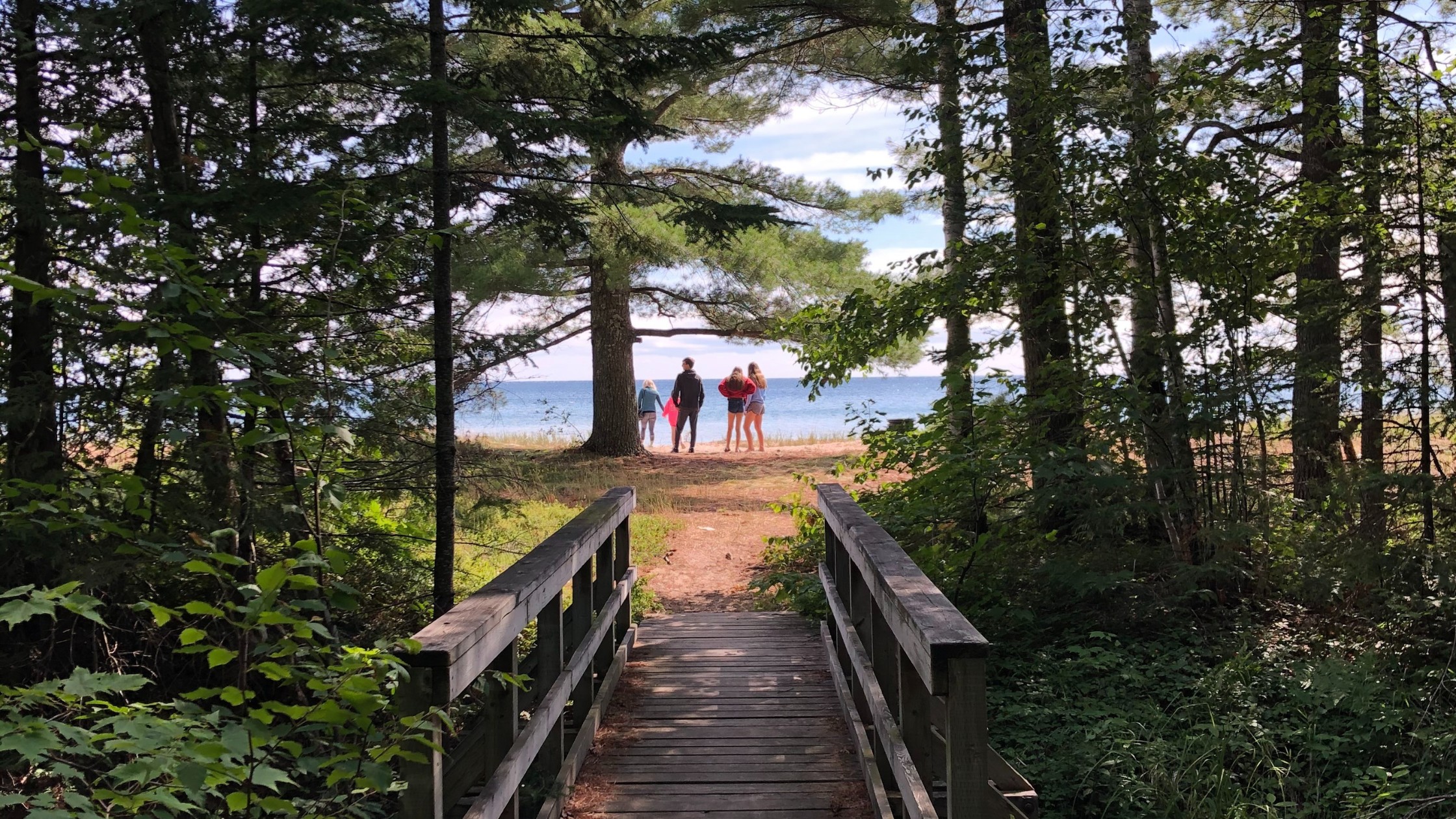
Discover a hidden gem of natural beauty and wildlife adventure in the heart of nature.























Discover a hidden gem of natural beauty and wildlife adventure in the heart of nature.
Muddy Creek Wildlife Management Area in West Virginia offers a serene escape into nature for the discerning traveler. Spanning over 5,000 acres, this hidden gem invites outdoor enthusiasts to explore its diverse ecosystems, from lush forests to tranquil wetlands. The area serves as a sanctuary for a variety of wildlife, making it an ideal destination for birdwatchers and photographers alike, eager to capture the vibrant beauty of native species in their natural habitat.
Visitors can indulge in a range of activities, including hiking along scenic trails that wind through the picturesque landscape. Each path reveals breathtaking views and opportunities for wildlife sightings, ensuring that every step immerses you deeper into the heart of West Virginia’s natural splendor. The crisp air and the sounds of chirping birds create a peaceful ambiance, perfect for reflection or simply enjoying the moment.
For those seeking adventure, Muddy Creek offers excellent fishing spots and the chance to engage in hunting during designated seasons. As the sun sets over the horizon, the area transforms into a canvas of colors, inviting you to unwind and appreciate the beauty of nature. Whether you are a seasoned explorer or a casual visitor, Muddy Creek Wildlife Management Area promises an unforgettable experience.
Seasons
In spring, the area transforms into a vibrant tapestry of blooming wildflowers and active wildlife, offering unparalleled opportunities for birdwatching, fishing, and hiking amidst breathtaking natural beauty.
Summer’s warm days and cool nights invite visitors to explore lush forests, observe diverse wildlife, and enjoy tranquil waters, making June through August ideal for outdoor adventures.
In fall, the area transforms into a vibrant tapestry of colors, offering unparalleled hiking and birdwatching opportunities amid crisp air and serene landscapes.
Experience the serene beauty of West Virginia’s winter landscapes as you explore snow-dusted trails, observe wildlife in their natural habitat, and enjoy the tranquility of the season’s crisp air.
Top 3 Facts about Muddy Creek Wildlife Management Area
One fascinating aspect of wildlife in this region is the rare sighting of the elusive Eastern Hellbender, a giant aquatic salamander, which thrives in clean, fast-flowing waters, alongside the remarkable migration of thousands of waterfowl that gather annually, showcasing the area’s rich biodiversity.
In a unique microclimate, temperatures can vary dramatically over short distances, with some areas experiencing frost while just a few feet away, warmer conditions prevail, showcasing how local topography and vegetation can significantly influence weather patterns, creating diverse habitats for wildlife.
Known for its unique trail names like “Soggy Bottom” and “Muddy Mile,” this area also prohibits motorized vehicles and glass containers, fostering a serene environment for wildlife enthusiasts, while hosting record-breaking birdwatching events that attract outdoor sports lovers seeking adventure and unusual experiences.
Travel Tips
Plan Ahead
When exploring this stunning wildlife haven, planning ahead is essential for a seamless experience. Check seasonal conditions, pack appropriate gear, and bring plenty of water and snacks. Arrive early to secure the best spots for wildlife viewing and photography, and don’t forget your binoculars for an up-close look at the diverse fauna. A little preparation goes a long way in enhancing your adventure.
Pack Appropriately
When packing for your visit, consider bringing lightweight, moisture-wicking clothing to combat the region’s unpredictable weather. The area’s elevation can lead to sudden temperature shifts, so layering is key; include a waterproof jacket and sturdy hiking boots to navigate the diverse terrain comfortably. Don’t forget binoculars for birdwatching, as the local wildlife is abundant and often surprisingly close.
Respect Wildlife
When exploring this pristine area, prioritize wildlife respect by maintaining a safe distance from animals and refraining from feeding them. Observe their natural behaviors quietly, ensuring minimal disruption to their habitats. Carry binoculars for a closer look, and always stick to marked trails to protect delicate ecosystems. Your mindful presence contributes to the preservation of these enchanting creatures and their surroundings.
Stay Informed
Stay informed before your visit by checking the weather forecast, temperatures, and any fire bans or notices. Know emergency contact information and ensure someone is aware of your plans, including your destination and expected return time. Being prepared helps ensure a safe and enjoyable experience.
Accessibility & permits
Emergency

Planning a trip?
Tell us about your upcoming trip and how we can help!
Frequently Asked Questions
Ready to dive into what Muddy Creek Wildlife Management Area has to offer? Let’s tackle some of the burning questions you might have as you plan your visit!
-
Muddy Creek Wildlife Management Area offers a variety of outdoor activities including hiking, birdwatching, and wildlife observation, making it an ideal spot for nature enthusiasts and photographers. The area features numerous trails that wind through diverse habitats, allowing visitors to experience the rich flora and fauna.
-
Yes, there are camping facilities available at Muddy Creek WMA. The area provides primitive camping options, allowing visitors to immerse themselves in nature. Campers should be prepared for basic amenities and follow local regulations regarding campfires and waste disposal.
-
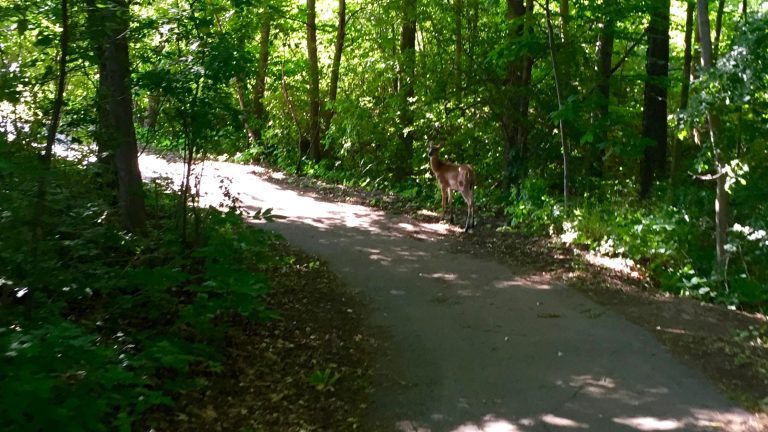
Muddy Creek WMA is home to a variety of wildlife species, including deer, wild turkey, and various bird species. The diverse ecosystems support both game and non-game species, making it a popular spot for wildlife watchers and hunters alike.
-
Fishing is permitted in Muddy Creek Wildlife Management Area, with access to streams and ponds. Anglers can expect to catch species such as trout and bass, but it’s essential to check local regulations regarding fishing licenses and specific rules for each water body.
-
Muddy Creek WMA operates year-round, typically from sunrise to sunset. However, visitors are advised to check for any seasonal changes or specific hours related to hunting or special events.