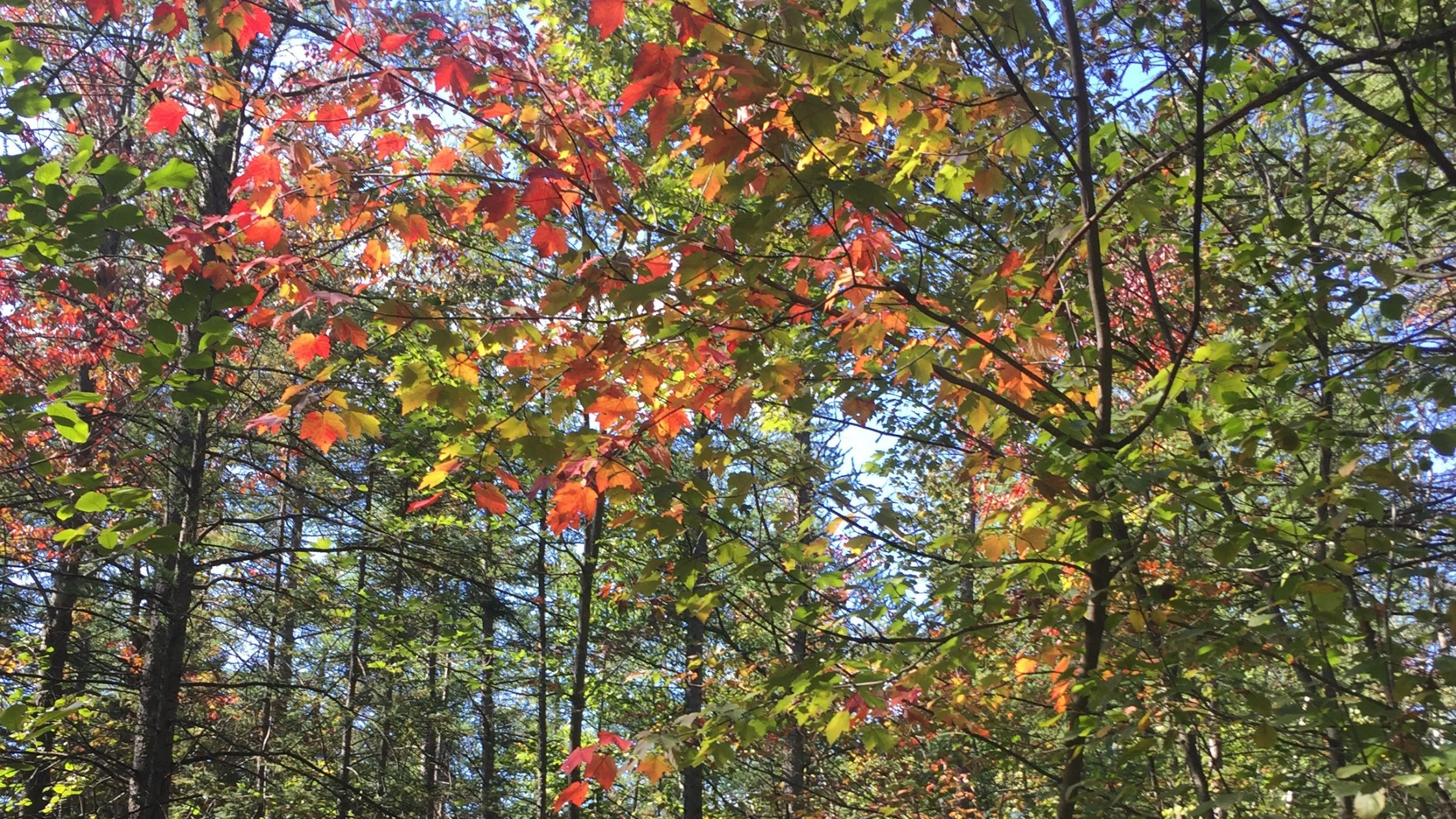
Discover breathtaking vistas and serene beaches on this hidden gem of the Pacific Northwest.






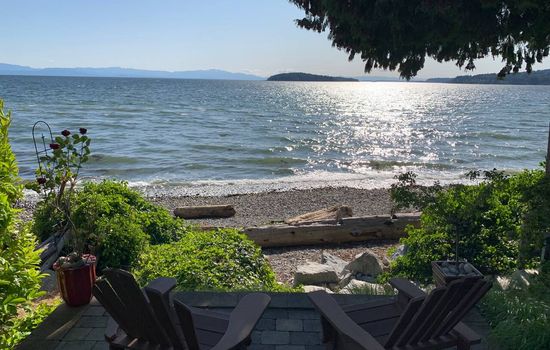





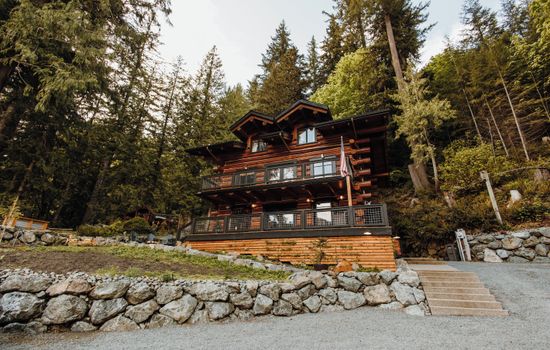
Discover breathtaking vistas and serene beaches on this hidden gem of the Pacific Northwest.
Patos Island State Park, a hidden gem in the San Juan Islands of Washington, offers a pristine escape for discerning travelers seeking tranquility and natural beauty. Accessible only by boat or seaplane, this remote paradise captures the essence of unspoiled wilderness. The park’s rugged coastline, dotted with dramatic cliffs and lush forests, invites exploration and reflection.
Visitors can wander along the island’s scenic trails, where breathtaking vistas of the surrounding waters and distant mountains unfold at every turn. The park is home to a diverse array of wildlife, making it a haven for birdwatchers and nature enthusiasts. Keep an eye out for sea lions basking on the rocks or eagles soaring overhead, creating a dynamic backdrop for your adventure.
Patos Island State Park also boasts the historic Patos Lighthouse, a charming landmark that adds a touch of maritime history to your visit. As the sun sets, the lighthouse casts a warm glow over the landscape, offering a perfect setting for a serene evening. This enchanting destination promises a rejuvenating retreat, far from the hustle and bustle of everyday life.
Seasons
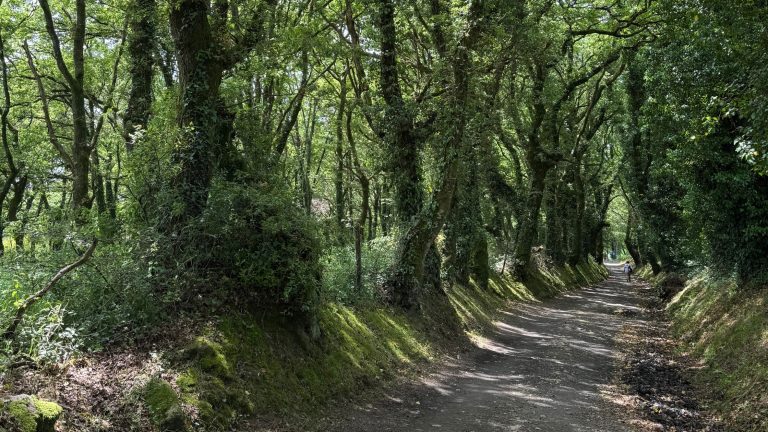
In spring, the island’s 1.5-mile loop trail winds through madrone forests to the historic lighthouse, offering panoramic views of Boundary Pass and the surrounding islands.
In summer, the island’s mild temperatures and extended daylight hours create an ideal setting for hiking, camping, and exploring its rich history and natural beauty.
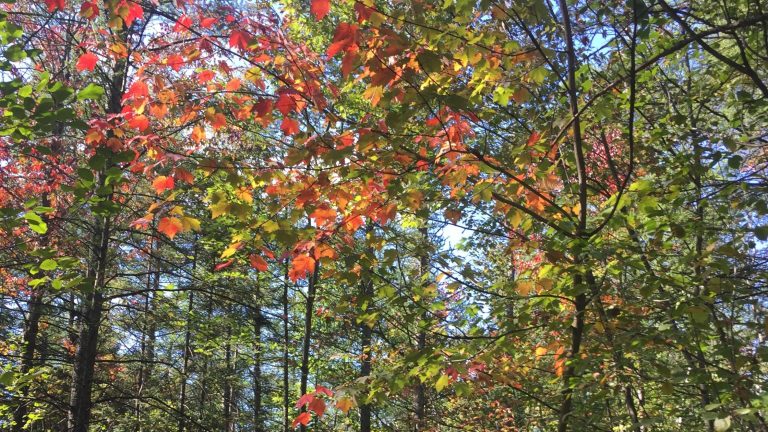
In autumn, the island’s 1.5-mile loop trail offers breathtaking views of the surrounding waters and nearby islands, while the historic lighthouse provides a glimpse into the area’s maritime heritage.
Embrace the serene beauty of the San Juan Islands during winter’s quiet months, when crisp air and tranquil landscapes offer a peaceful retreat from the bustling crowds.
Top 3 Facts about Patos Island State Park
Patos Island is renowned for its unusual animal sightings, including the rare marbled murrelet, a seabird known for its elusive nesting habits in old-growth forests, and the spectacular migration events of various species that attract birdwatchers and nature enthusiasts alike.
This unique coastal area experiences a rare phenomenon where microclimates can create stark temperature differences within short distances, leading to lush vegetation thriving in one spot while just a few feet away, the environment can be starkly arid, showcasing nature’s unpredictable diversity.
Known for its unique trail names like “The Wild Goose Chase,” this destination features first-ever kayaking routes in the area and unusual rules banning drones and loud music, ensuring a serene environment for wildlife observation and outdoor enthusiasts seeking tranquility amidst stunning coastal views.
Travel Tips
Plan Ahead
When planning your visit to this stunning island, be sure to check ferry schedules and weather conditions in advance, as they can affect accessibility. Pack essentials like food, water, and a tide chart for exploring tide pools, and consider making reservations for camping well ahead of time to secure a spot in this picturesque natural setting.
Pack Appropriately
When preparing for your trip, pack a pair of sturdy water shoes. The rocky shorelines and tidal pools present unique opportunities for exploration, but they can also be slippery and uneven. Having the right footwear will enhance your experience as you navigate the fascinating marine life and enjoy the stunning coastal views.
Respect Wildlife
When exploring the stunning landscapes of this Washington gem, prioritize wildlife respect. Keep a safe distance from animals, refrain from feeding them, and stick to designated trails to protect their natural habitats. Observing from afar allows you to appreciate the diverse species, including seals and various bird populations, while ensuring their safety and well-being.
Stay Informed
Before your visit, stay informed by checking the weather forecast, current temperatures, and any fire bans or notices. Always share your destination and expected return time with someone, and make sure you have emergency contact information handy. Being prepared ensures a safe and enjoyable outdoor experience.
Accessibility & permits
Emergency

Planning a trip?
Tell us about your upcoming trip and how we can help!
Frequently Asked Questions
Ready to dive into what Patos Island State Park has to offer? Let’s tackle some of the burning questions you might have as you plan your visit!
-
To reach Patos Island State Park by boat, you can launch from nearby marinas such as Anacortes or Orcas Island. The park is accessible via private vessels, and there are no designated ferry services directly to the island. Ensure you have a suitable boat for the waters and check local tide and weather conditions before your trip.
-
Yes, there are camping facilities on Patos Island State Park. The park offers primitive camping sites that are available on a first-come, first-served basis. Campers should be prepared to carry their gear from the beach to the campsites, as there are no developed facilities.
-
Activities available at Patos Island State Park include hiking, wildlife viewing, kayaking, and beachcombing. The park is known for its scenic views and diverse ecosystems, providing opportunities for birdwatching and exploring marine life.
-
There is no potable water available on Patos Island State Park, so visitors must bring their own drinking water. It’s essential to plan ahead and pack enough supplies for your stay.
-
Pets are allowed at Patos Island State Park but must be kept on a leash and under control at all times. Owners are responsible for cleaning up after their pets and ensuring they do not disturb wildlife.