

Volcanic Spires, Talus Caves, California Condors, and Rock Climbing in Central California




Volcanic Spires, Talus Caves, California Condors, and Rock Climbing in Central California
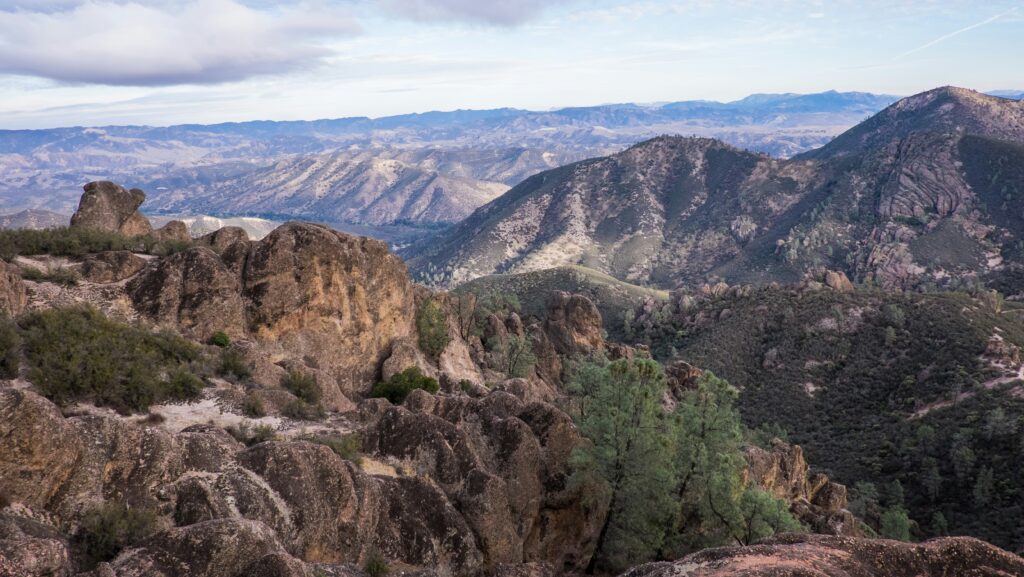
In the chaparral hills of California’s Gabilan Range, roughly 80 miles south of San Jose and 130 miles southeast of San Francisco, the remnants of an ancient volcano have been sculpted into a landscape of striking rocky spires, dramatic cliff faces, and narrow talus cave passages that feels unlike any other California park. Pinnacles National Park covers 26,606 acres that were originally proclaimed a national monument in 1908 by President Theodore Roosevelt and elevated to national park status in 2013. An estimated 354,076 visitors came in 2024, a number that remains modest enough to spare the park the severe overcrowding that afflicts more famous California destinations, while still providing enough infrastructure to make a visit comfortable and rewarding.
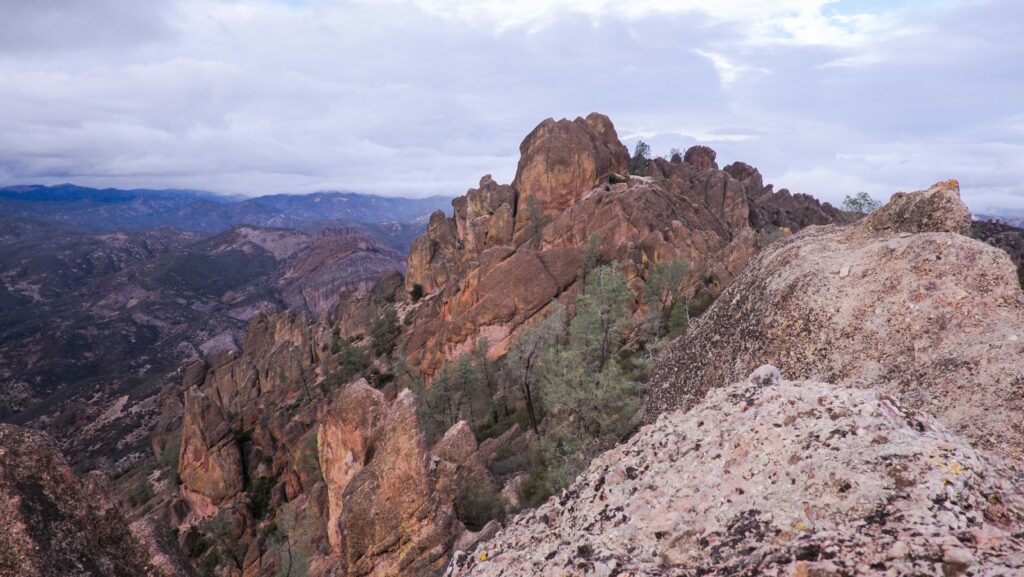
The park’s geology is the central story. Approximately 23 million years ago, a series of volcanic eruptions created the rock formations now visible; tectonic movement along the San Andreas Fault has since carried half of the original formation more than 195 miles to the northwest, leaving the Pinnacles section behind while the other half now lies near Lancaster in the Mojave Desert. The result is a landscape of jagged breccia and rhyolite spires rising dramatically from the surrounding chaparral, accessible by two separate park entrances that cannot be reached from each other by road within the park. The east and west entrances each offer distinct trail networks; driving from one to the other requires a 90-minute trip around the park’s perimeter.
Talus caves are the park’s most unusual feature and the most accessible dramatic element for families. Bear Gulch Cave on the east side and Balconies Cave on the west side are formed where boulders have piled over narrow canyon slots, creating dark, labyrinthine passages that visitors navigate by headlamp. Both caves are seasonally open, with Bear Gulch typically closed for portions of the year to protect roosting Townsend’s big-eared bats during pupping season. Check current cave status at nps.gov/pinn before planning a cave visit.
Pinnacles is the primary California condor recovery site in central California, and the experience of watching one of North America’s largest birds soar effortlessly above volcanic spires with a nine-foot wingspan is among the most memorable wildlife encounters available in any California park. Condors can be seen from the High Peaks Trail, from the campground spotting scopes, and from various points throughout the park. Sightings are not guaranteed but are reported year-round.
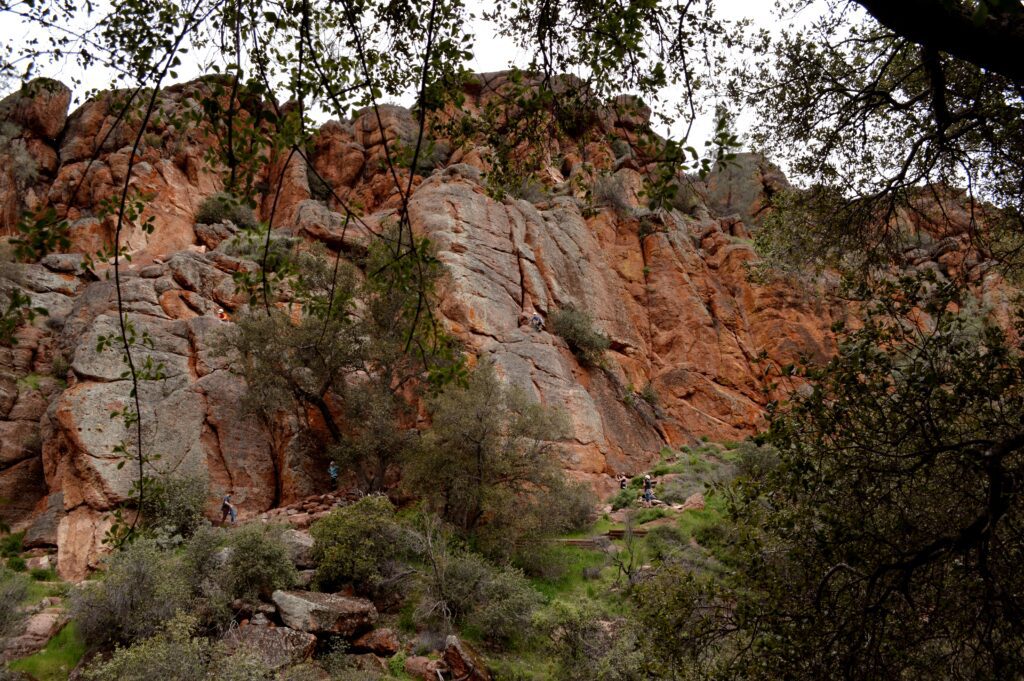
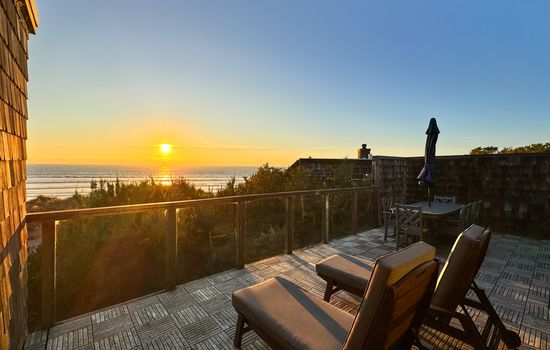
Rock climbing is a significant activity at Pinnacles, with dozens of routes on the volcanic formations ranging from beginner-friendly single-pitch climbs to advanced multi-pitch routes. The park has no lodging within its boundaries; the Pinnacles Campground on the east side offers the only overnight option inside the park. Families and groups that want a full kitchen, multiple bedrooms, and a relaxing home base will find good vacation rental inventory in the Salinas Valley communities of Soledad, Greenfield, and King City to the west, and in Hollister and Gilroy to the north. Cozy vacation homes in the surrounding agricultural communities give guests comfortable and pet-friendly options within a reasonable drive. Book your accommodations near Pinnacles National Park through Lake.com.
Seasons
Spring is an ideal time to visit Pinnacles National Park. The weather is mild, with comfortable temperatures perfect for hiking and exploring the park’s diverse landscapes. During this season, wildflowers bloom across the hillsides, painting the park in vibrant hues. Hikers can enjoy the abundance of wildflowers along trails like the Bear Gulch and High Peaks Loop, while birdwatchers may spot migratory birds returning to the park. Additionally, springtime is a great opportunity to explore the park’s cave systems, such as Bear Gulch Cave and Balconies Cave, when seasonal closures are lifted.
Summer brings warmer temperatures to Pinnacles National Park, making it an excellent time for camping and outdoor activities. Hikers can venture out early in the morning or late in the afternoon to avoid the midday heat while exploring trails like the Condor Gulch and Moses Spring Loop. Summer evenings offer fantastic stargazing opportunities due to the clear skies and longer daylight hours. Visitors can attend ranger-led astronomy programs or simply lay out a blanket and marvel at the Milky Way overhead.
Fall brings cooler temperatures and fewer crowds, making it an ideal time to visit Pinnacles National Park. The park’s foliage begins to change color, creating a picturesque backdrop for hiking and photography. Fall is also a prime time for wildlife viewing, as animals prepare for winter. Visitors may spot California condors soaring above the rugged rock formations or catch glimpses of deer and other wildlife along the trails. Hiking the High Peaks Trail or exploring the park’s caves are popular activities during this season.
Winter in Pinnacles National Park is mild compared to other parts of the country, making it a great time for outdoor adventures. Hiking trails are less crowded, offering solitude and tranquility amid the park’s stunning landscapes. Winter rains bring lush greenery to the park, enhancing the beauty of its rock formations and valleys. While some areas may experience temporary closures due to inclement weather, winter is still a fantastic time for hiking, birdwatching, and exploring the park’s caves. Visitors should come prepared with layers and be mindful of changing weather conditions.
Top 3 Facts about Pinnacles National Park
Pinnacles National Park covers 26,606 acres in California’s Gabilan Range and was originally proclaimed a national monument in 1908 by President Theodore Roosevelt. Congress redesignated it as a national park in January 2013, making it California’s ninth and newest national park. The park’s volcanic rock formations originated approximately 23 million years ago; tectonic movement along the San Andreas Fault has since carried the other half of the original volcanic field roughly 195 miles southeast to near Lancaster, California. The park has two separate entrances, east and west, that cannot be reached from each other by a road within the park boundaries.
Pinnacles is the primary recovery site for the California condor in the central California flock, which includes more than 90 birds as of recent counts. The condor reintroduction program began at Pinnacles in 2003, and in 2016 the park recorded its first fledging of a condor chick since 1898. Condors are visible year-round, most often soaring above the High Peaks and roosting along the ridge near the campground. Two talus caves, Bear Gulch Cave on the east side and Balconies Cave on the west, offer seasonal access for visitors with headlamps; check current cave status at nps.gov/pinn, as Bear Gulch is closed during portions of the year to protect bat pupping colonies.
Pinnacles National Park has been documented as having the highest density of bee species of any known location on Earth, with approximately 400 species recorded, most of them native solitary bees. The park’s chaparral and woodland habitat supports prairie falcons breeding at some of the highest densities in North America, along with peregrine falcons, a variety of raptors, and 13 documented bat species. Rock climbing has a long history at Pinnacles, with dozens of routes on the volcanic formations from beginner-friendly single-pitch lines to challenging multi-pitch ascents.
Travel Tips
Plan Ahead
There is no road connecting the east and west entrances within the park; verify which entrance is closest to the trails and features you plan to visit before leaving. Entrance fee is $35 per vehicle, valid for 7 days. The Pinnacles Campground on the east side is the only overnight facility in the park; reserve through recreation.gov well in advance for spring weekends, when the park is at peak visitation. Parking at popular trailheads including the High Peaks and Condor Gulch can fill by 8 am on spring weekends; arrive early. No restaurants operate in the park, though limited snacks are available at the visitor center.
Pack Appropriately
Bring a reliable headlamp for cave exploration; Bear Gulch Cave and Balconies Cave are completely dark inside and require light for navigation. Carry at least 2 liters of water per person per day; no water sources exist on most trails. Summer temperatures regularly exceed 100 degrees Fahrenheit at park elevations; visit in spring or fall and start any hike well before 9 am in summer. Sturdy hiking footwear is necessary on the rocky volcanic trail surfaces. Apply sunscreen and wear a hat on all exposed trail sections. Download offline maps before visiting, as cell service is limited in the park.
Respect Wildlife
California condors are critically endangered; observe all posted viewing etiquette and do not approach condors, particularly those roosting near the campground. Report wing tag numbers and colors on any condor to the condor program at 831-389-4486. Never use lead ammunition in areas adjacent to the park; lead poisoning is the primary threat to condors. Do not feed or approach any wildlife including ground squirrels and ravens, which are habituated to food near trailheads. Leashed dogs are permitted in the campground and picnic areas but are not allowed on trails. Rattlesnakes are present; watch your footing on rocky terrain.
Stay Informed
Check nps.gov/pinn for current cave status, trail conditions, and parking availability before visiting. Cave closures change seasonally; Bear Gulch Cave in particular has variable seasonal closure periods for bat protection. Summer heat can be extreme and has caused hiker distress and evacuations; check weather forecasts and take heat seriously. For park emergencies, call 9-1-1. For non-emergency park information, contact Pinnacles National Park at (831) 389-4486.
- Area (mi²)
- 42
- Annual visitors
- 354 076
- Established year
- 2013
Accessibility & permits
Emergency

Planning a trip?
Tell us about your upcoming trip and how we can help!
Frequently Asked Questions
Ready to dive into what Pinnacles National Park has to offer? Let’s tackle some of the burning questions you might have as you plan your visit!
-
To be close to the park, you can stay in Soledad, California, which is about 9.3 miles from the park. Another option is King City, which is approximately 20.3 miles away and equidistant to the East and West entrances. Salinas is also a viable choice, though it is farther at about 28.3 miles away.
-
The Juniper Canyon Trail and the Balconies Cliffs-Cave Loop are highly recommended for kids. The Juniper Canyon Trail is a 2.5-mile moderate hike with epic views of the pinnacles, while the Balconies Cliffs-Cave Loop is an easy 2.4-mile trail that takes hikers through the Balconies Cave. Both trails offer unique experiences and are suitable for families.
-
No, dogs are not allowed on any of the trails. They can only be on paved roads, in campgrounds, and at picnic areas, and must be on a six-foot leash. Service animals are an exception and can go anywhere in the park.
-
Parking is not free, but there is no fee to park in the designated parking areas; however, a park entrance fee of $30 per vehicle is required.
-
The most iconic sight is the Youngsholm house, a two-story home built in the 1830s that served as a stop on the Underground Railroad and was purchased by Charles Young and his wife Ada in 1907. This house recently reopened after a two-year, $3.1 million restoration to its early 1900s state. It is located near historically Black Wilberforce University and Central State University in southwest Ohio.