Discover a hidden gem for nature lovers and outdoor enthusiasts in the heart of the wilderness.

Discover a hidden gem for nature lovers and outdoor enthusiasts in the heart of the wilderness.
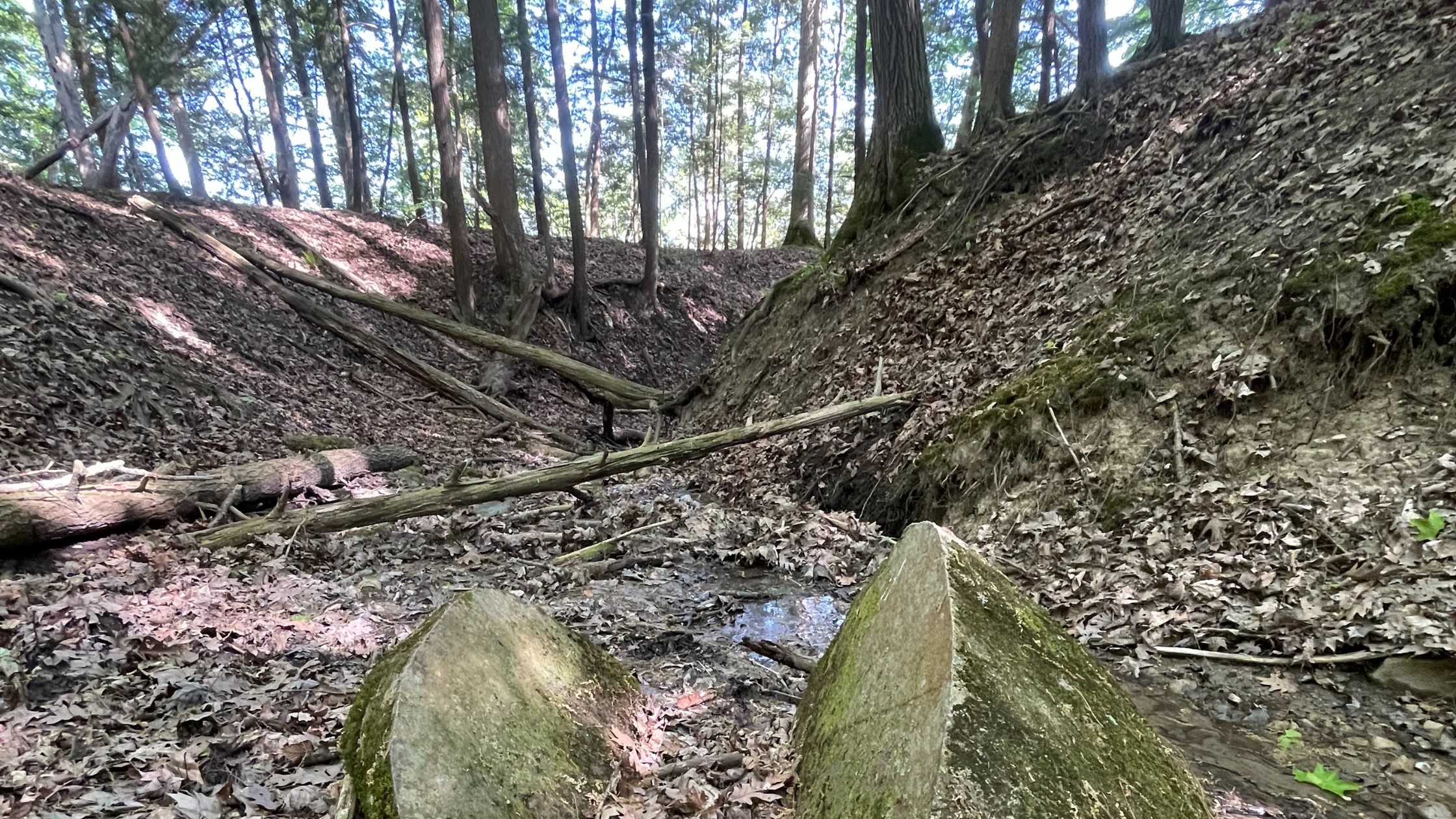
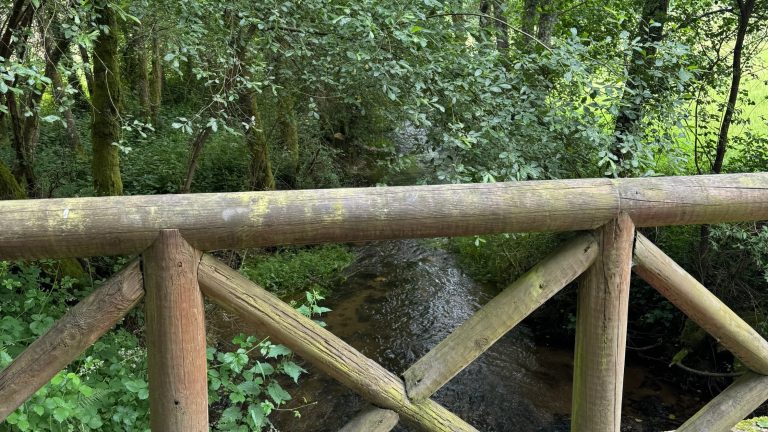
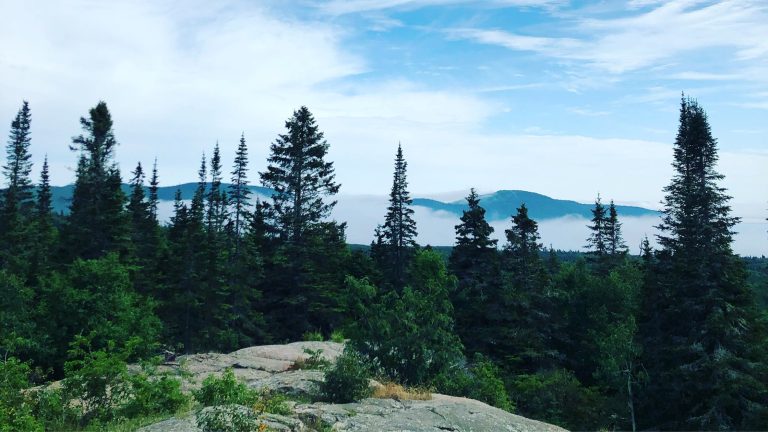
Robert L. Hankins Mud Creek Wildlife Demonstration Area in Arkansas offers a captivating escape into the heart of nature, inviting visitors to immerse themselves in its diverse landscapes and vibrant ecosystems. This stunning area showcases the rich biodiversity of the region, featuring lush wetlands, sprawling forests, and serene waterways that teem with life. Birdwatchers and nature enthusiasts flock to the area, eager to observe the myriad of species that call this sanctuary home.
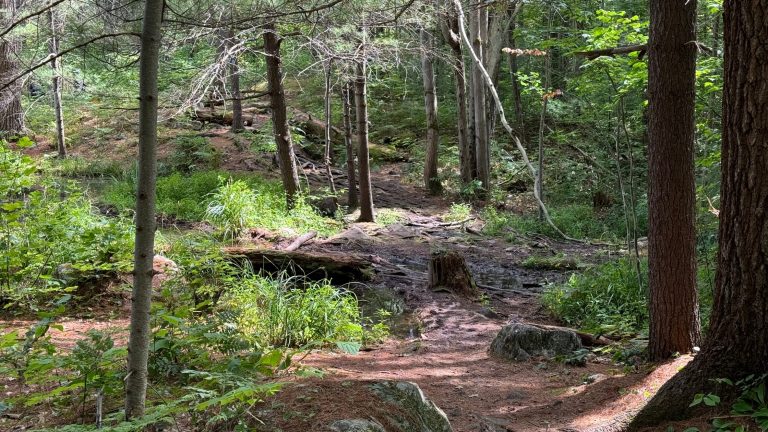
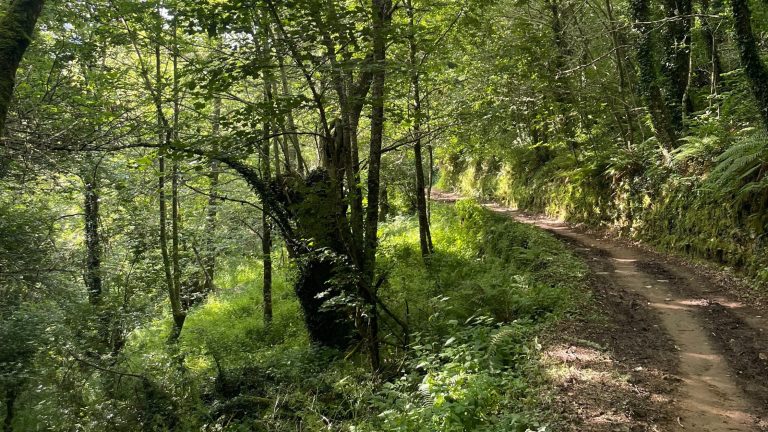
The park serves as an educational hub, providing insights into wildlife management and conservation practices. Visitors can explore well-maintained trails that wind through the terrain, offering opportunities for hiking and photography. Each step reveals a new vista, from the shimmering reflections on the water to the rustling leaves overhead.
Seasonal changes transform Robert L. Hankins Mud Creek into a living canvas, where vibrant autumn foliage gives way to the delicate blooms of spring. This dynamic environment captivates the senses, making it a must-visit for those seeking tranquility and inspiration in the great outdoors.
Seasons
In spring, the Ozark foothills bloom with vibrant wildflowers and migratory birds, offering nature enthusiasts a serene retreat for bird watching, hiking, and photography.
Summer’s warm days and clear skies invite visitors to explore the diverse wildlife and scenic beauty of this 1,025-acre tract in the Ozark foothills, making June, July, and August ideal for bird watching, hiking, and photography.
In September, October, and November, the Ozark foothills transform into a vibrant tapestry of fall colors, offering unparalleled opportunities for bird watching, hiking, and photography amidst the crisp autumn air.
Winter’s crisp air and serene landscapes transform this Arkansas gem into a haven for birdwatching, hiking, and photography, offering a peaceful retreat from the bustling holiday season.
Top 3 Facts about Robert L. Hankins Mud Creek Wildlife Demonstration Area
This area is home to rare species like the Eastern Box Turtle and the Red-shouldered Hawk, and during migration seasons, unusual sightings of transient birds such as the Black-throated Blue Warbler can occur, showcasing the region’s unique ecological importance and biodiversity.
In this region, unique microclimates arise due to its varied topography, leading to extreme temperature variations; for instance, localized cold pockets can form in valleys while nearby ridges bask in warmer conditions, creating a fascinating interplay of weather patterns that supports diverse wildlife and plant species.
This area boasts the first-ever designated wildlife demonstration site in the region, featuring bizarrely named trails like “Raccoon Run” and “Squirrel Scramble,” while unusual park rules prohibit the use of metal detectors and discourage feeding wildlife, ensuring a natural experience for all visitors.
Travel Tips
Plan Ahead
Planning ahead is essential for a successful visit to this stunning wildlife area. Research the best times to observe local fauna, pack essential gear like binoculars and water, and consider the weather forecast. Arriving early not only enhances your chances of spotting wildlife but also allows you to enjoy the serene beauty of the landscape before the crowds arrive.
Pack Appropriately
When packing for your visit, include a sturdy pair of waterproof boots to navigate the often muddy trails, especially after rain. The diverse wetlands and woodlands can create slippery conditions, so be prepared to explore with confidence while enjoying the rich birdwatching opportunities and unique flora of this Arkansas gem.
Respect Wildlife
Respect the diverse wildlife by observing animals from a distance and avoiding disruptive behaviors. Stay on marked trails to protect their habitats and refrain from feeding them, as human food can harm their health and alter natural behaviors. Bring binoculars for an immersive experience while ensuring the ecosystem remains undisturbed, allowing you to enjoy the beauty of nature responsibly.
Stay Informed
Before your visit, stay informed by checking the weather forecast, current temperatures, and any fire bans or notices. Always let someone know your destination and expected return time, and keep emergency contact information handy to ensure a safe outing.
Accessibility & permits
Emergency

Planning a trip?
Tell us about your upcoming trip and how we can help!
Frequently Asked Questions
Ready to dive into what Robert L. Hankins Mud Creek Wildlife Demonstration Area has to offer? Let’s tackle some of the burning questions you might have as you plan your visit!
-
The Robert L. Hankins Mud Creek Wildlife Demonstration Area offers a variety of activities including hiking, birdwatching, wildlife observation, and educational programs focused on local ecology and conservation. Visitors can enjoy scenic trails and participate in guided tours to learn more about the area’s natural resources and wildlife habitats.
-
To obtain a General Use Permit for hunting or trapping at the Robert L. Hankins Mud Creek Wildlife Demonstration Area, you need to contact the Arkansas Game and Fish Commission. Permits can typically be acquired online or at designated offices. Ensure you have the necessary identification and comply with any specific requirements outlined by the commission.
-
Yes, there are camping facilities within the wildlife area, providing a rustic experience for nature enthusiasts. Campsites are available on a first-come, first-served basis, and amenities may include fire pits, picnic tables, and access to restrooms. It’s advisable to check for any specific regulations or reservations required before your visit.
-
The area is home to a diverse range of wildlife, including deer, wild turkeys, waterfowl, and various species of birds. Visitors may also spot small mammals and reptiles, making it an excellent location for wildlife enthusiasts and photographers.
-
Hunting seasons and bag limits for deer at the Robert L. Hankins Mud Creek Wildlife Demonstration Area typically align with state regulations set by the Arkansas Game and Fish Commission. Generally, the deer hunting season runs from late September through early February, with specific bag limits depending on the type of deer and the hunting method. Always check the latest regulations for any updates or changes before planning your hunt.