Step back in time at this enchanting historical gem, where the Wild West comes alive.
Step back in time at this enchanting historical gem, where the Wild West comes alive.
Rock Creek Station Historical Park in Nebraska invites visitors to step back in time and explore the rich tapestry of American history. This remarkable site, once a vital stop along the Oregon Trail, offers a unique glimpse into the lives of pioneers who traversed the rugged landscapes of the West. The park features meticulously restored buildings, including the iconic rock station itself, where weary travelers found respite and sustenance.
As you wander through the park, the palpable sense of history envelops you. Interpretive trails guide you through the grounds, showcasing artifacts that tell the stories of those who journeyed here in search of a new life. The serene beauty of the surrounding prairie complements the historical significance, creating an inviting atmosphere for reflection and discovery.
Visitors can engage in hands-on activities, from traditional crafts to guided tours led by knowledgeable staff. The park’s commitment to preserving this important chapter of American heritage ensures that every visit is not just a trip through history but an enriching experience that resonates long after you leave.
Seasons
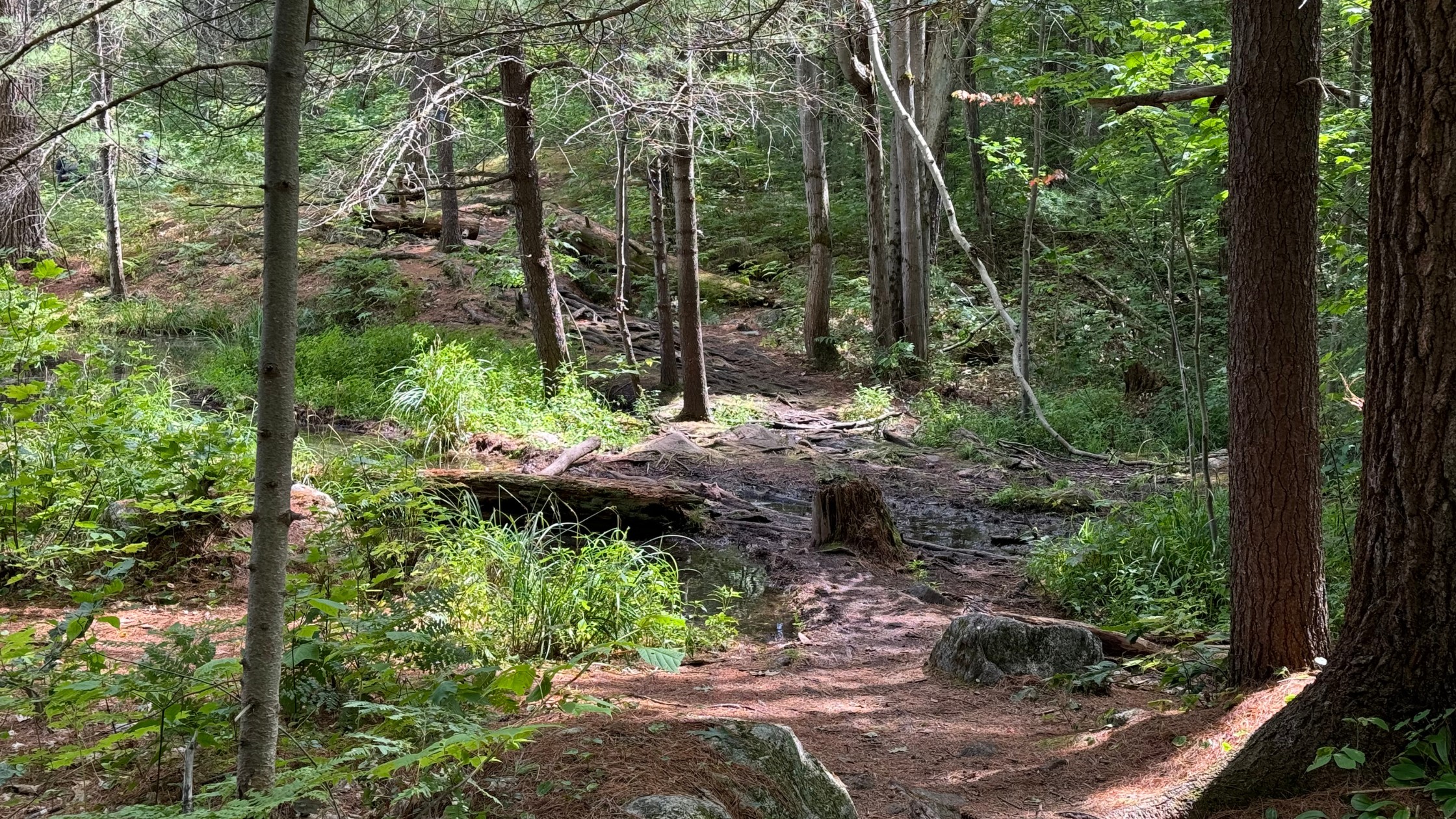
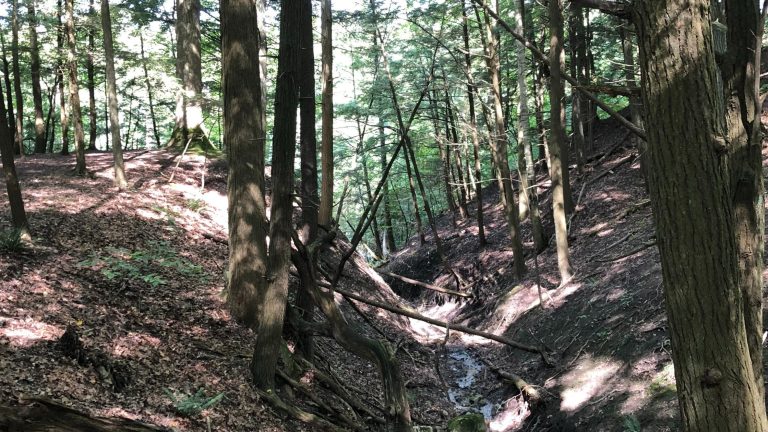
In spring, the park’s 350 acres of prairie hilltops, timber-studded creek bottoms, and rugged ravines come alive, offering visitors a picturesque setting to explore reconstructed historic buildings and deep wagon ruts from the Oregon and California trails.
Summer at this historic park offers warm temperatures and a variety of events, including living history demonstrations and the annual Rock Creek Trail Days in June, making June, July, and August ideal for visitors seeking a blend of history and outdoor activities.
In fall, the park’s vibrant foliage and crisp air invite exploration of its historic trails and reconstructed buildings, offering a serene retreat from summer crowds.
Experience the serene beauty of Nebraska’s historic trails blanketed in winter’s snow during December through February, offering a peaceful retreat into the past amid picturesque landscapes.
Top 3 Facts about Rock Creek Station Historical Park
This area is home to the rare and elusive black-footed ferret, once thought extinct, and witnesses remarkable animal migration events, including thousands of birds flocking during seasonal changes, showcasing the unique biodiversity and ecological importance of this lesser-known region.
In a unique microclimate, temperatures can vary dramatically within just a few hundred feet due to elevation changes, leading to surprising weather patterns where one area may experience snow while another nearby enjoys sunny skies, illustrating the complexity of local climatic conditions.
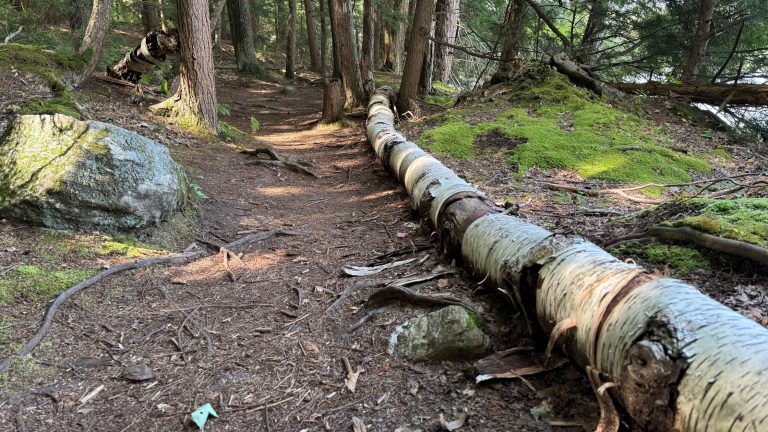
Known for its scenic trails, the park features the bizarrely named “Coyote Howl Trail” and has a unique rule banning the use of drones, while also being the site of the first recorded horseback endurance race in the region, attracting outdoor sports enthusiasts.
Travel Tips
Plan Ahead
When visiting this historic gem in Nebraska, plan ahead to make the most of your experience. Arrive early to explore the scenic trails, and don’t miss the interpretive programs that bring the area’s rich history to life. Pack a picnic to enjoy amidst the stunning landscapes, and check for seasonal events to enhance your visit.
Pack Appropriately
When visiting this historic site, pack layers to adapt to Nebraska’s unpredictable weather. Mornings can be cool while afternoons heat up, so include a light jacket and breathable clothing. Don’t forget sturdy walking shoes for exploring the trails, and consider bringing binoculars to spot local wildlife in the surrounding prairie. A refillable water bottle is essential to stay hydrated during your adventures.
Respect Wildlife
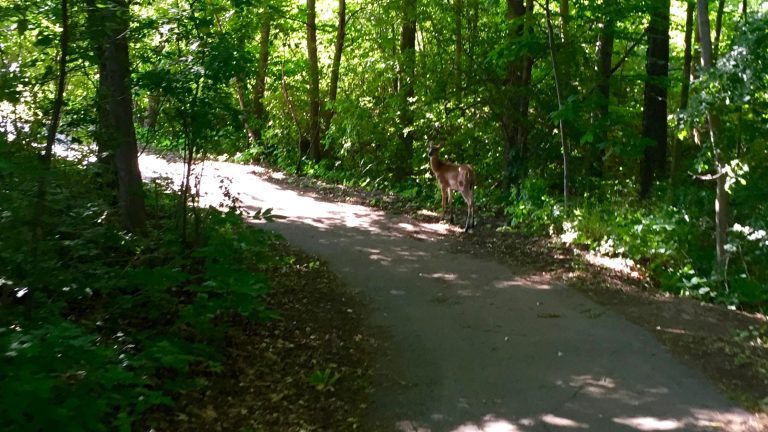
When exploring this historical gem, prioritize wildlife respect by observing animals from a distance and avoiding feeding them. Keep noise levels down to minimize stress on local species, and stick to designated trails to protect their habitats. Remember, a quiet presence enhances your experience and ensures these creatures thrive in their natural environment.
Stay Informed
Before your visit, check the weather forecast, current temperatures, and any fire bans or notices. Make sure to inform someone about your destination and expected return time, and keep emergency contact information handy. Staying informed ensures a safe and enjoyable experience while exploring the beautiful trails and natural surroundings.
Accessibility & permits
Emergency

Planning a trip?
Tell us about your upcoming trip and how we can help!
Frequently Asked Questions
Ready to dive into what Rock Creek Station Historical Park has to offer? Let’s tackle some of the burning questions you might have as you plan your visit!
-
Rock Creek Station’s operating hours are typically from 8 AM to 5 PM daily, but it’s advisable to check for seasonal changes or special events that may affect these hours.
-
Yes, camping is available at Rock Creek Station, offering a picturesque setting with designated campsites equipped with basic amenities, making it a great spot for outdoor enthusiasts.
-
Historical sites at Rock Creek Station include the original Pony Express station, the site of the Overland Trail, and various interpretive displays that highlight the area’s rich history in westward expansion.
-
Pets are allowed at Rock Creek Station, but they must be kept on a leash and cleaned up after to ensure a pleasant experience for all visitors.
-
Events held at Rock Creek Station include historical reenactments, educational programs, and seasonal festivals that celebrate the heritage of the area, providing visitors with engaging ways to learn about local history.