Discover a hidden gem of biodiversity where nature thrives in harmony.
Discover a hidden gem of biodiversity where nature thrives in harmony.
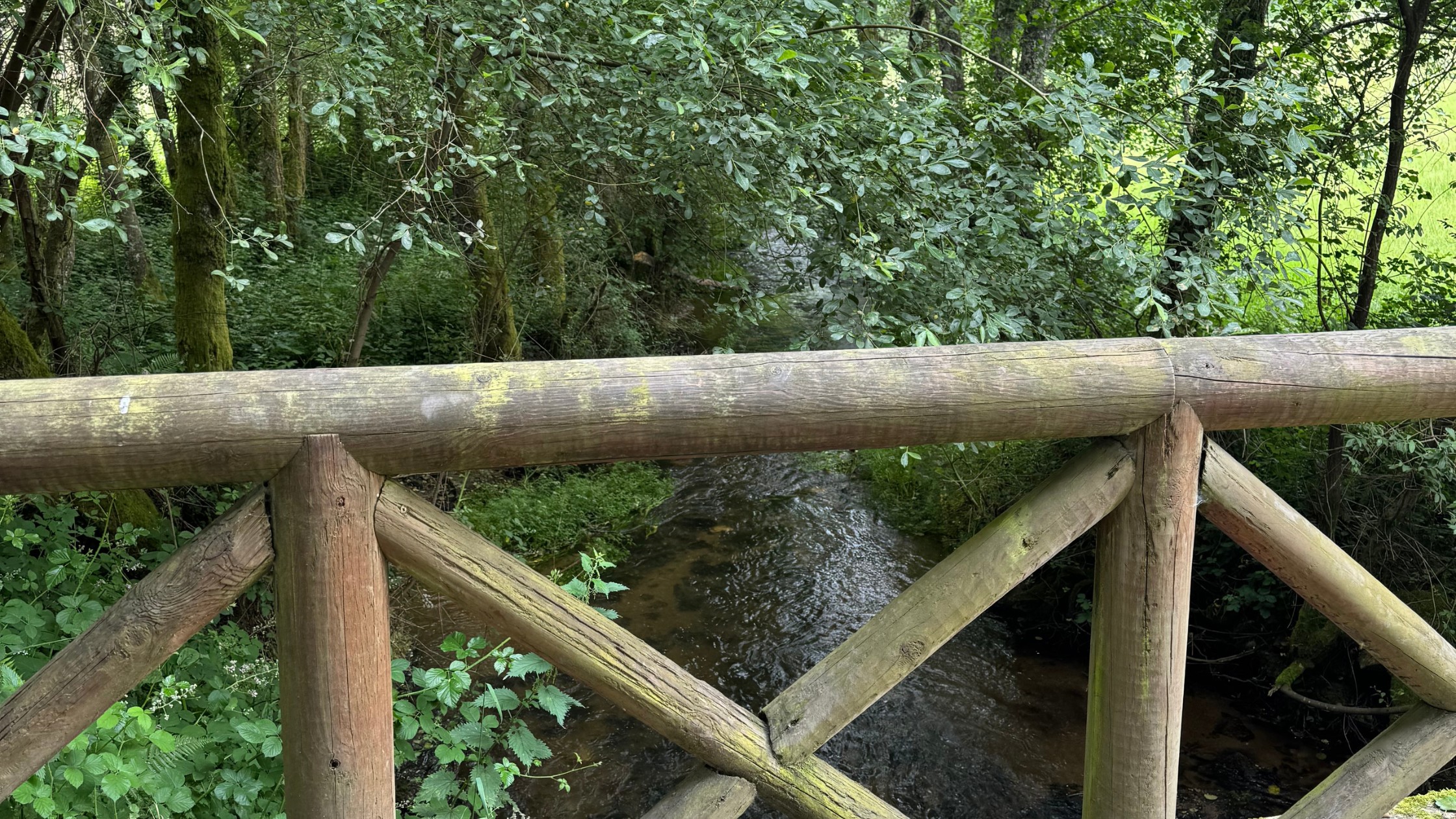
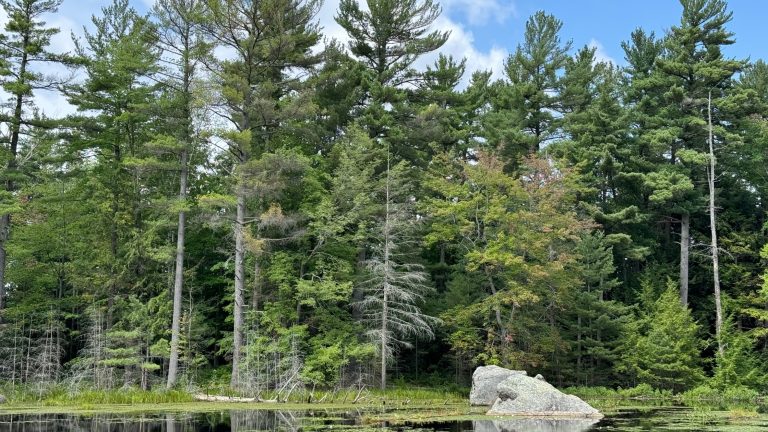
Rockefeller Wildlife Refuge in Louisiana stands as a pristine testament to the state’s rich natural heritage. This sprawling expanse of over 76,000 acres offers a sanctuary for wildlife and a retreat for nature enthusiasts. Visitors are greeted by the vibrant tapestry of coastal marshes, pine forests, and shimmering bayous, where the air is alive with the calls of birds and the rustle of leaves.
Explorers can traverse the refuge’s well-maintained trails or embark on guided tours to witness the diverse ecosystems that thrive here. The refuge is home to an array of species, including alligators, deer, and migratory birds, making it a paradise for birdwatchers and wildlife photographers alike. Each season brings a new spectacle, from the vibrant blooms of spring to the serene stillness of winter.
As the sun sets, the refuge transforms into a canvas of colors, reflecting the beauty of Louisiana’s wild heart. Rockefeller Wildlife Refuge invites those seeking tranquility and adventure to immerse themselves in its breathtaking landscapes, creating unforgettable memories in the heart of nature.
Seasons
In spring, the refuge’s diverse habitats teem with migratory birds, offering unparalleled birdwatching opportunities amidst the vibrant marshlands and tranquil waterways.
Summer’s sultry embrace transforms this coastal haven into a haven for anglers and birdwatchers, offering unparalleled opportunities to reel in redfish and spot migratory shorebirds.
In fall, the refuge offers a serene escape with cooler temperatures and vibrant bird migrations, making September through November ideal for wildlife enthusiasts seeking tranquility and natural beauty.
Winter months offer a serene escape to observe migratory birds and enjoy the tranquil marshlands, providing a peaceful retreat from the bustling tourist season.
Top 3 Facts about Rockefeller Wildlife Refuge
In the heart of Louisiana, rare sightings of the endangered black bear and the elusive ivory-billed woodpecker have sparked intrigue, while the annual migration of thousands of snow geese creates a breathtaking spectacle, highlighting the region’s rich biodiversity and unique wildlife interactions.
In Louisiana, a unique phenomenon occurs where the coastal marshes experience sudden temperature drops due to cold fronts, creating a microclimate that can lead to frost in areas typically too warm, showcasing the unpredictable nature of regional weather patterns and their impact on local ecosystems.
Home to unique outdoor experiences, the refuge boasts the first recorded sighting of the endangered red-cockaded woodpecker in Louisiana, features bizarre trail names like “Coyote Crossing,” and prohibits activities like collecting artifacts or using motorized vehicles, ensuring a pristine environment for wildlife.
Travel Tips
Plan Ahead
Planning ahead is essential for an unforgettable experience in this stunning wildlife haven. Check the weather forecast and local tide schedules to optimize your visits for birdwatching or fishing. Bring plenty of water, sunscreen, and insect repellent, as the sun can be intense and the bugs persistent. Arrive early to secure the best spots and soak in the serene beauty before the crowds arrive.
Pack Appropriately
When packing for your trip, include a lightweight, breathable insect repellent to combat the region’s notorious mosquitoes, especially during the humid summer months. Additionally, opt for waterproof footwear; the diverse habitats often lead to muddy trails and wetland areas, ensuring you stay comfortable while exploring the stunning wildlife and picturesque landscapes.
Respect Wildlife
When exploring this stunning refuge, always maintain a respectful distance from wildlife. Observe animals in their natural habitat without disturbing them, and refrain from feeding or approaching them. Use binoculars for a closer look and follow marked trails to minimize your impact on the ecosystem. Remember, protecting these creatures ensures future generations can enjoy their beauty.
Stay Informed
Before your visit, stay informed by checking the weather, temperatures, and any fire bans or notices. Know emergency contact information and ensure someone is aware of your plans, including your expected return time. Being prepared enhances your experience and ensures your safety.
Accessibility & permits
Emergency

Planning a trip?
Tell us about your upcoming trip and how we can help!
Frequently Asked Questions
Ready to dive into what Rockefeller Wildlife Refuge has to offer? Let’s tackle some of the burning questions you might have as you plan your visit!
-
At Rockefeller Wildlife Refuge, visitors can enjoy a variety of activities including bird watching, wildlife observation, hiking, and photography. The refuge is home to diverse ecosystems and offers trails for exploring its natural beauty.
-
No permit is required for general visitation to Rockefeller Wildlife Refuge; however, specific activities such as hunting or fishing may require permits. It’s advisable to check local regulations before planning your visit.
-
The best time for bird watching at Rockefeller Wildlife Refuge is during the spring and fall migration seasons, particularly from March to May and September to November, when a wide variety of migratory birds can be observed.
-
Yes, there are fishing opportunities available at Rockefeller Wildlife Refuge. Anglers can fish in designated areas, and both freshwater and saltwater fishing are permitted, depending on the specific location.
-
Camping is not allowed within the boundaries of Rockefeller Wildlife Refuge. However, visitors can enjoy day-use activities and are encouraged to explore the refuge during daylight hours.