Discover lush trails and breathtaking views in this hidden Pacific Northwest gem.










Discover lush trails and breathtaking views in this hidden Pacific Northwest gem.
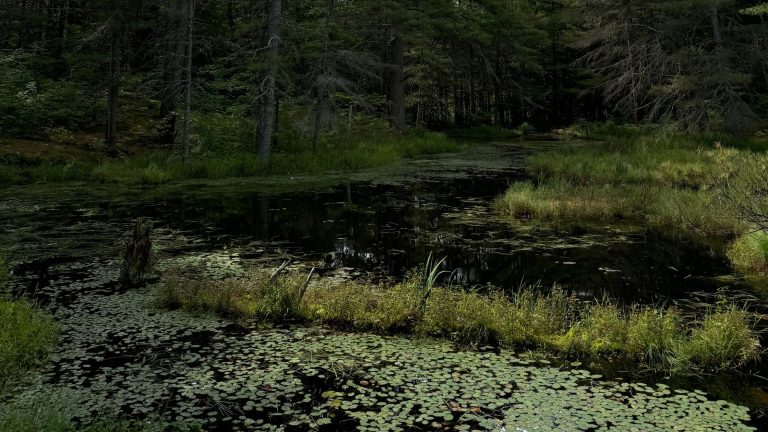
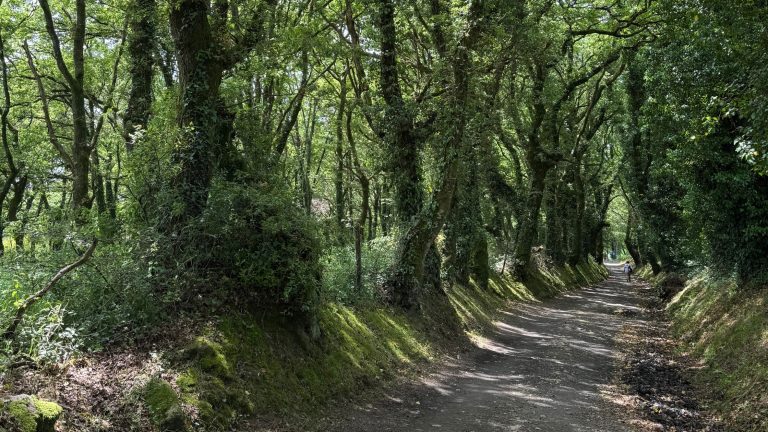
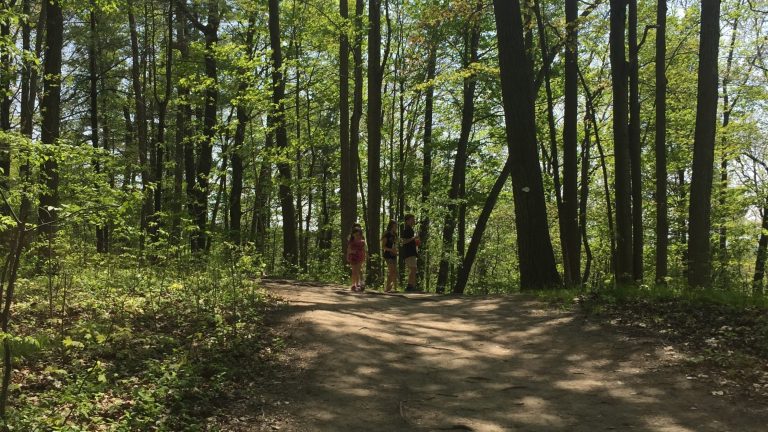
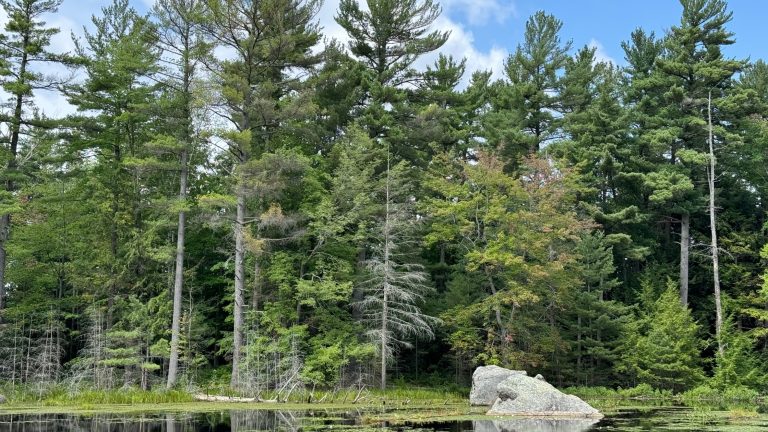
Saint Edward State Park, a hidden gem in Washington, invites visitors to immerse themselves in nature’s embrace. Spanning over 316 acres, this former Catholic seminary offers a rich tapestry of lush forests, meandering trails, and breathtaking views of Lake Washington. As you wander through the towering trees, the serene atmosphere provides a perfect backdrop for reflection and rejuvenation.
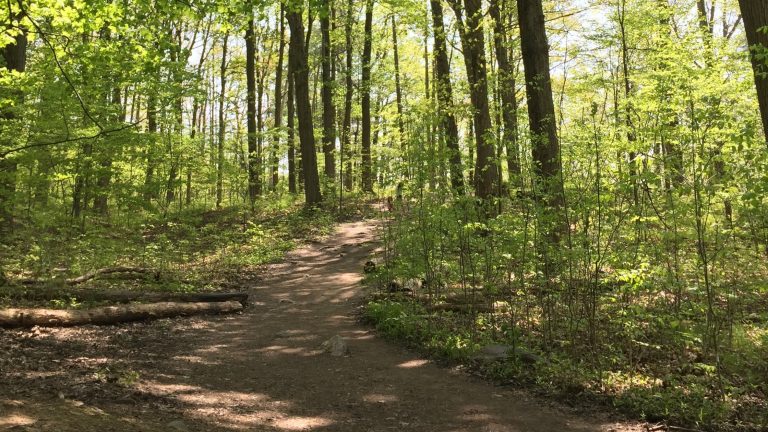
The park’s extensive trail system caters to both casual strollers and avid hikers. Each path reveals a unique perspective of the landscape, from the vibrant flora to the tranquil waters. For those seeking a moment of peace, the park’s picnic areas offer idyllic spots to unwind, surrounded by the gentle sounds of nature.
In addition to its natural beauty, Saint Edward State Park is steeped in history. The striking architecture of the old seminary stands as a testament to the area’s past, adding a layer of intrigue to your visit. Whether you’re exploring with family or seeking solitude, this park promises an unforgettable experience in the heart of Washington’s wilderness.
Seasons
In spring, the park’s trails wind through lush forests, leading to serene beaches along Lake Washington, offering a peaceful retreat from the city’s hustle.
In the summer months, the park offers a serene escape with its lush trails, tranquil beaches, and vibrant events, making June, July, and August ideal for outdoor enthusiasts seeking relaxation and adventure.
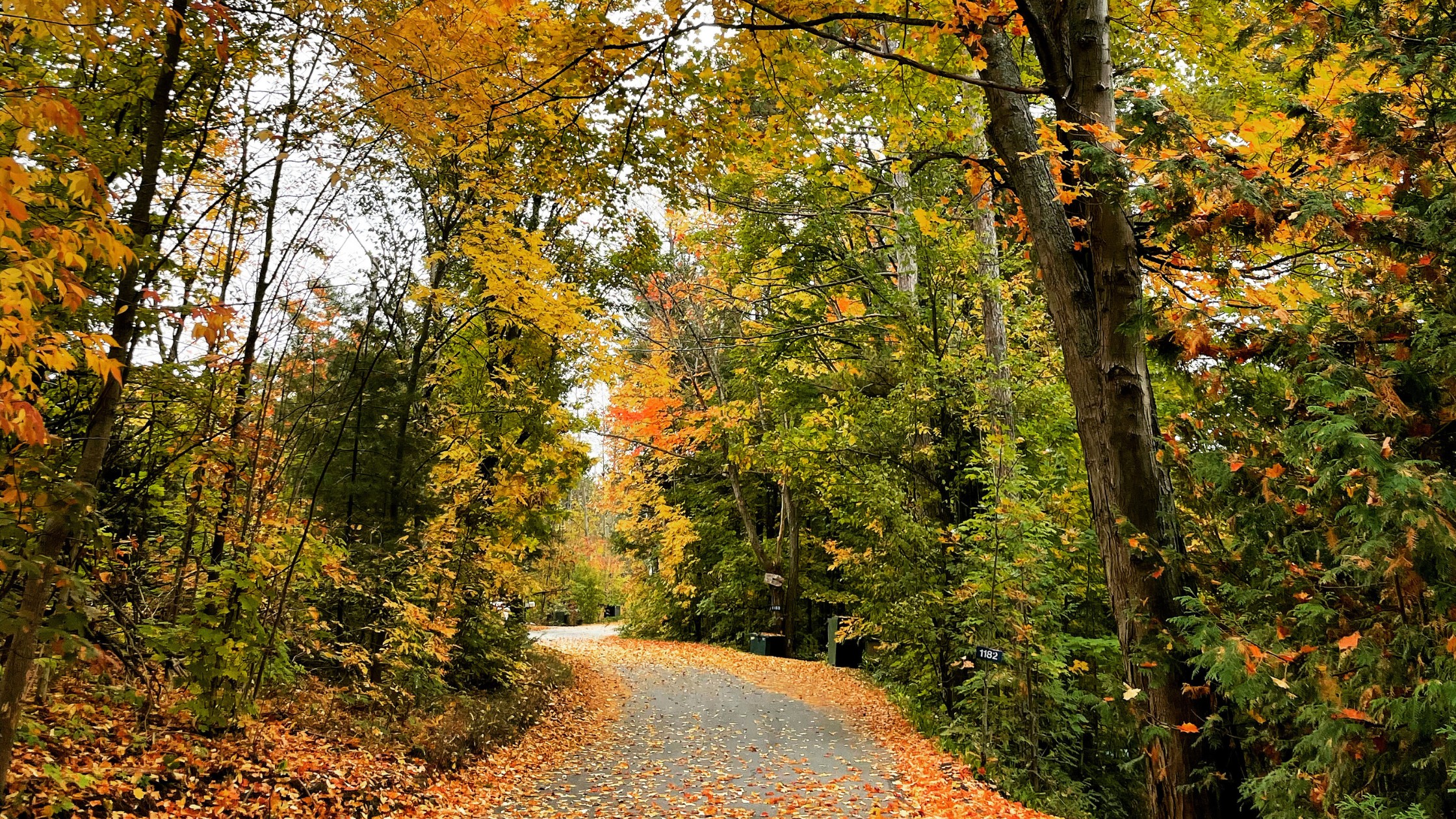
In September, October, and November, the park’s trails wind through vibrant forests, offering breathtaking views of autumn foliage and tranquil moments by the serene Lake Washington shoreline.
Winter transforms the park into a serene haven where crisp air invigorates hikers and mountain bikers, while the historic seminary offers a cozy retreat after a day of exploration.
Top 3 Facts about Saint Edward State Park
Among the diverse wildlife, rare sightings of the elusive Pacific giant salamander and the vibrant red-legged frog highlight the area’s unique biodiversity, while the annual migration of various bird species showcases the critical habitats that support these remarkable journeys, emphasizing the importance of conservation efforts.
The park experiences a unique microclimate due to its diverse topography, where temperatures can vary dramatically within short distances, leading to unusual weather phenomena such as localized fog, mist, and even sudden rain showers, creating a fascinating interplay of ecosystems that thrive in different conditions.
This scenic destination features the unique ‘Bamboo Trail,’ known for its lush greenery, while visitors must adhere to unusual rules like no alcohol and no biking on certain paths, emphasizing a serene experience in nature, perfect for hiking and wildlife observation.
Travel Tips
Plan Ahead
To make the most of your visit, plan ahead by checking trail conditions and weather forecasts. Arrive early to secure parking, especially on weekends, and pack essentials like water, snacks, and a map. Consider exploring lesser-known trails for a quieter experience, and don’t forget your camera to capture the stunning views and diverse wildlife.
Pack Appropriately
When packing for a visit, remember that the coastal climate can be unpredictable; layers are your best friend. Include a lightweight waterproof jacket and sturdy shoes for navigating the park’s diverse terrain, from muddy trails to rocky beaches. Don’t forget a reusable water bottle to stay hydrated as you explore the lush forests and scenic shoreline.
Respect Wildlife
When exploring the lush trails, always maintain a respectful distance from wildlife. Observe animals in their natural habitat without disturbing them; this ensures their safety and enhances your experience. Keep food securely stored and dispose of waste properly to prevent attracting unwanted visitors. Remember, a quiet presence fosters a harmonious connection with the diverse creatures that call this area home.
Stay Informed
Stay informed before your visit by checking the weather, temperatures, and any fire bans or notices. Know the emergency contact information and let someone know your plans, including your expected return time, to ensure a safe and enjoyable experience.
Accessibility & permits
Emergency

Planning a trip?
Tell us about your upcoming trip and how we can help!
Frequently Asked Questions
Ready to dive into what Saint Edward State Park has to offer? Let’s tackle some of the burning questions you might have as you plan your visit!
-
Saint Edward State Park’s operating hours are typically from 8:00 AM to dusk, but it’s advisable to check for seasonal variations.
-
Yes, camping is available at Saint Edward State Park, offering tent sites and picnic areas for visitors looking to enjoy nature overnight.
-
Dogs are allowed at Saint Edward State Park but must be kept on a leash and cleaned up after. Some trails may have specific restrictions.
-
At Saint Edward State Park, you can enjoy hiking, biking, fishing, and picnicking. The park also features beautiful trails and views of Lake Washington.
-
To make a reservation at Saint Edward State Park, visit the Washington State Parks website or call the park office directly for more information on availability and fees.