West Virginia's Highest Peak and East Coast Rock Climbing





West Virginia's Highest Peak and East Coast Rock Climbing
West Virginia keeps some of its best secrets well hidden, and the Spruce Knob-Seneca Rocks National Recreation Area is one of them. Established on September 28, 1965, as the first congressionally designated national recreation area within a U.S. national forest, the 100,000-acre area in the Monongahela National Forest of Pendleton County holds two landmarks that define the high country of eastern West Virginia: Spruce Knob, the state’s highest peak at 4,863 feet, and Seneca Rocks, a 900-foot quartzite crag that rises dramatically from the Germany Valley floor below.
Spruce Knob is a summit you can drive most of the way up, then walk a short loop trail through a wind-sculpted spruce forest to an observation tower and summit plateau with 360-degree views across the Allegheny Mountains. The cold, high-elevation environment supports red spruce, blueberries, and plant communities more typical of Canada than the mid-Atlantic, creating an ecosystem that feels entirely out of place for its latitude. On clear days the view from the tower spans hundreds of square miles in every direction. The site also draws serious stargazers, as Spruce Knob offers some of the darkest night skies in the eastern United States.
Seneca Rocks, about 30 miles north by road, has a different character entirely. The jagged quartzite fin is one of the premier rock climbing destinations on the East Coast, with routes ranging from beginner slabs to difficult technical faces on the main crag. During World War II, the 10th Mountain Division trained here before deployment to the Italian Alps. A family-friendly trail climbs 1.3 miles to a viewing platform below the summit ridge, passing through forest and open rocky terrain, with the reward of a sweeping view of the valley and the North Fork of the South Branch Potomac River below. The Seneca Rocks Discovery Center at the base provides exhibits, ranger programs, and trail information.
Between the two, Smoke Hole Canyon threads along the South Branch Potomac River through one of the most scenic and isolated hollows in the state, with primitive camping and excellent trout fishing in clear mountain streams. Seneca Creek, Big Bend, and other campgrounds offer access points for multi-day hiking and backpacking.
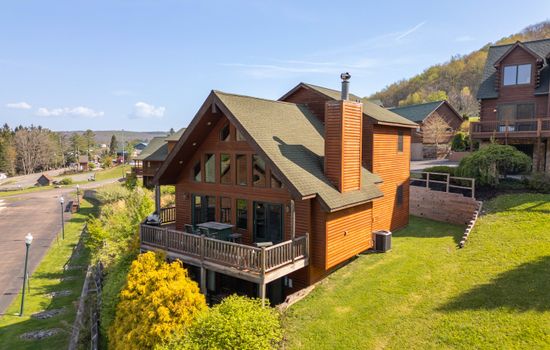
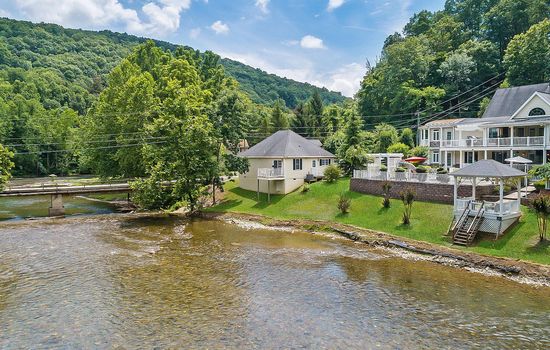
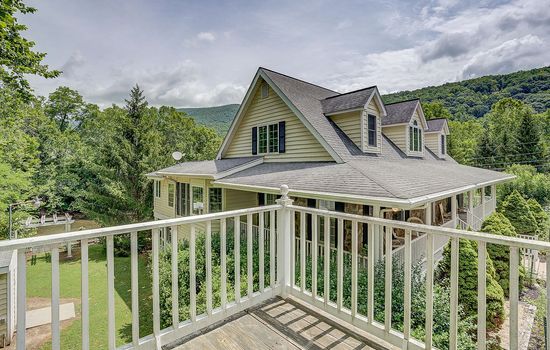
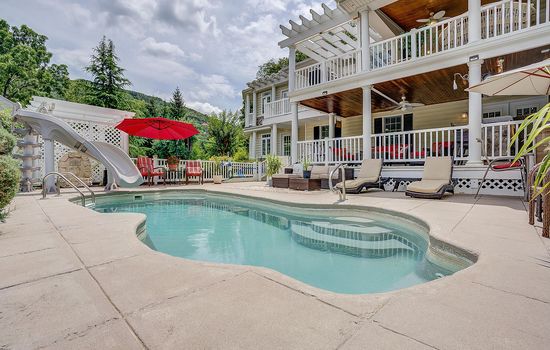
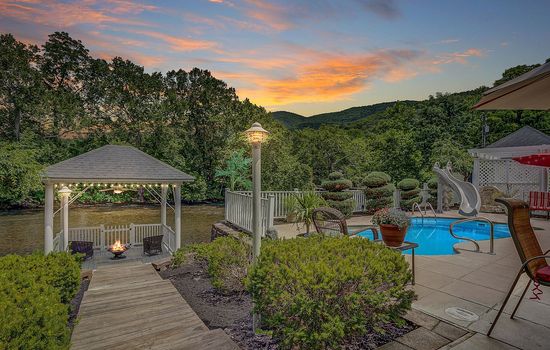
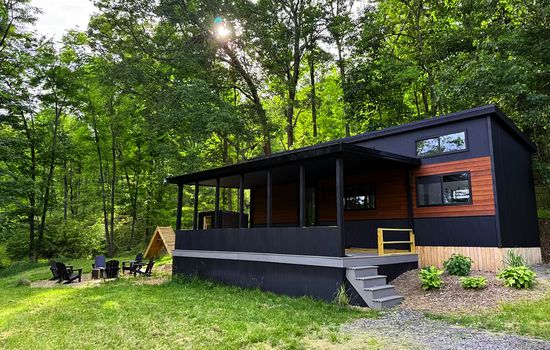
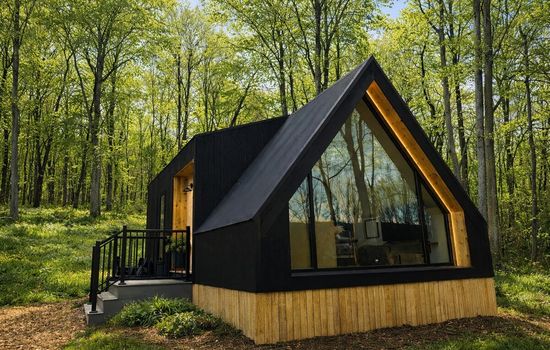
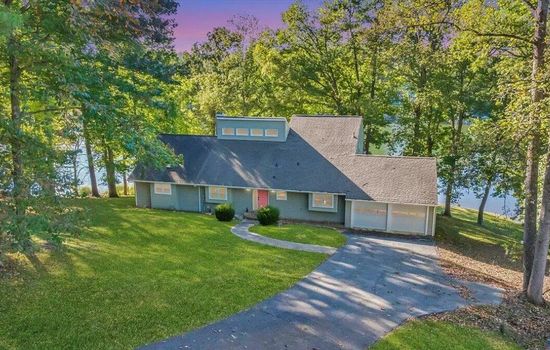
The small towns of Seneca Rocks and Elkins serve as gateway communities, each with local inns and outfitter services. Cabin rentals and cozy vacation homes are available throughout the Pendleton and Pocahontas County area, many with fire pits, views of the surrounding ridges, and enough bedrooms for families who want to stay several days and explore the full NRA. Check the Monongahela National Forest at fs.usda.gov for current campground and trail conditions. Book your accommodations for Spruce Knob-Seneca Rocks National Recreation Area.
Seasons
Experience spring’s awakening in the Appalachian highlands, with temperatures in the 60s and 70s, and mild weather. Join the Wildflower Pilgrimage in April and May to witness vibrant blooms. Ideal for hiking, rock climbing, and scenic drives, this season offers perfect conditions for outdoor adventures.
Summer brings warm temperatures (70s-80s°F) and ideal conditions for hiking, biking, and fishing. Enjoy scenic trails, tranquil camping, and possibly the annual Mountain State Forest Festival in July. Perfect for outdoor enthusiasts seeking adventure and breathtaking views.
Experience autumn’s vibrant hues in the mountains, with crisp temperatures (40s-60s°F) and golden light. Enjoy the Mountain State Forest Festival in October, featuring local crafts and cuisine, amidst the serene beauty of changing leaves. Ideal for a tranquil, scenic escape.
Experience winter’s rugged beauty from October to April, with temperatures often below freezing and up to 180 inches of snow. Strong winds and dark skies create a dramatic landscape, ideal for the adventurous and hardy traveler.
Top 3 Facts about Spruce Knob–Seneca Rocks National Recreation Area
Spruce Knob, at 4,863 feet, is the highest point in West Virginia and the highest summit of the Allegheny Mountains. Its summit plateau supports a boreal spruce forest more characteristic of Canada than the mid-Atlantic, shaped by the region’s cold temperatures and persistent winds. An observation tower at the summit offers panoramic views across hundreds of square miles of mountain ridgelines on clear days.
Seneca Rocks is a 900-foot quartzite fin rising sharply from the Germany Valley floor, formed over 400 million years ago. During World War II, elements of the 10th Mountain Division trained on its faces before being deployed to mountainous terrain in Italy. Today it is considered one of the finest and most historically significant rock climbing destinations in the eastern United States.
The Spruce Knob-Seneca Rocks National Recreation Area was established on September 28, 1965, as the first national recreation area designated within a USDA Forest Service national forest in the United States. The 100,000-acre area includes three major features: Spruce Knob, Seneca Rocks, and Smoke Hole Canyon, a remote river gorge along the South Branch Potomac River.
Travel Tips
Plan Ahead
No entrance fee is required for the NRA. Campground reservations at Seneca Shadows, Big Bend, and Spruce Knob Lake are available at recreation.gov. The road to Spruce Knob summit is narrow and steep; allow extra time and check weather conditions before heading up. Gap Cave ranger-led cave tours at nearby Cumberland Gap require advance reservations. Check fs.usda.gov for current trail and road conditions.
Pack Appropriately
Temperatures at Spruce Knob can be 20 degrees Fahrenheit cooler than valley communities, and afternoon thunderstorms build over the ridge in summer. Pack wind and rain layers even on warm days. Carry plenty of water, as sources are limited on the summit plateau. Hikers on the Seneca Rocks trail should wear sturdy shoes for rocky terrain. Rock climbers must bring their own technical gear; routes are not equipped with fixed anchors.
Respect Wildlife
Black bears are common throughout the Monongahela National Forest. Store all food in bear-resistant containers or hard-sided vehicles, particularly at campgrounds. Keep dogs leashed at all times. Brook trout are native to local streams and are protected in many designated areas; verify fishing regulations before casting. Never approach or feed any wildlife, including deer, which are abundant throughout the valley floors.
Stay Informed
Check fs.usda.gov/monongahela for current trail closures, road conditions, fire restrictions, and campground status before visiting. Lightning on exposed summit plateaus is a serious summer hazard; descend from Spruce Knob and the Seneca Rocks viewing platform before afternoon storms develop. Contact the Seneca Rocks Discovery Center for current climbing conditions and seasonal program schedules.
- Area (mi²)
- 156
- Established year
- 1965
Accessibility & permits
Emergency

Planning a trip?
Tell us about your upcoming trip and how we can help!
Frequently Asked Questions
Ready to dive into what Spruce Knob–Seneca Rocks National Recreation Area has to offer? Let’s tackle some of the burning questions you might have as you plan your visit!
-
The closest towns to the area are Davis and Thomas, which are about 45 minutes away. These towns offer various shops and restaurants and serve as gateway communities to the recreation area. Larger cities are further away, but these towns are the most convenient for visitors.
-
The easiest hiking trail is likely the Judy Springs Trail, which is 0.7 miles long and classified as intermediate/difficult, but it is one of the shorter trails in the area. However, for a more leisurely hike, the Seneca Rocks Trail, a 3.5-mile out-and-back trail, is well-maintained and has benches for rest, making it a more accessible option for a wider range of hikers.
-
Yes, you must keep your dog on a leash no longer than 6 feet at all times. Your dog must also wear a collar with current tags and you must pick up after your dog.
-
You can park at the observation tower parking area, which is accessible via Forest Roads 104 and 112. There is ample parking at the top of Spruce Knob Mountain, but be aware that the roads are narrow and windy. Parking lots at trail heads and near Spruce Knob Lake are also available, though camping is prohibited in these areas.
-
Hike to the top of Spruce Knob, West Virginia’s highest point, for 360-degree panoramic views from the observation tower. Climb or hike to the summit of Seneca Rocks, a 900-foot rock formation, or explore it from the Seneca Rocks Discovery Center. Enjoy mountain biking, horseback riding, or visit the Smoke Hole Caverns for a diverse outdoor experience.