Discover breathtaking landscapes and diverse wildlife in this hidden outdoor paradise.
Discover breathtaking landscapes and diverse wildlife in this hidden outdoor paradise.
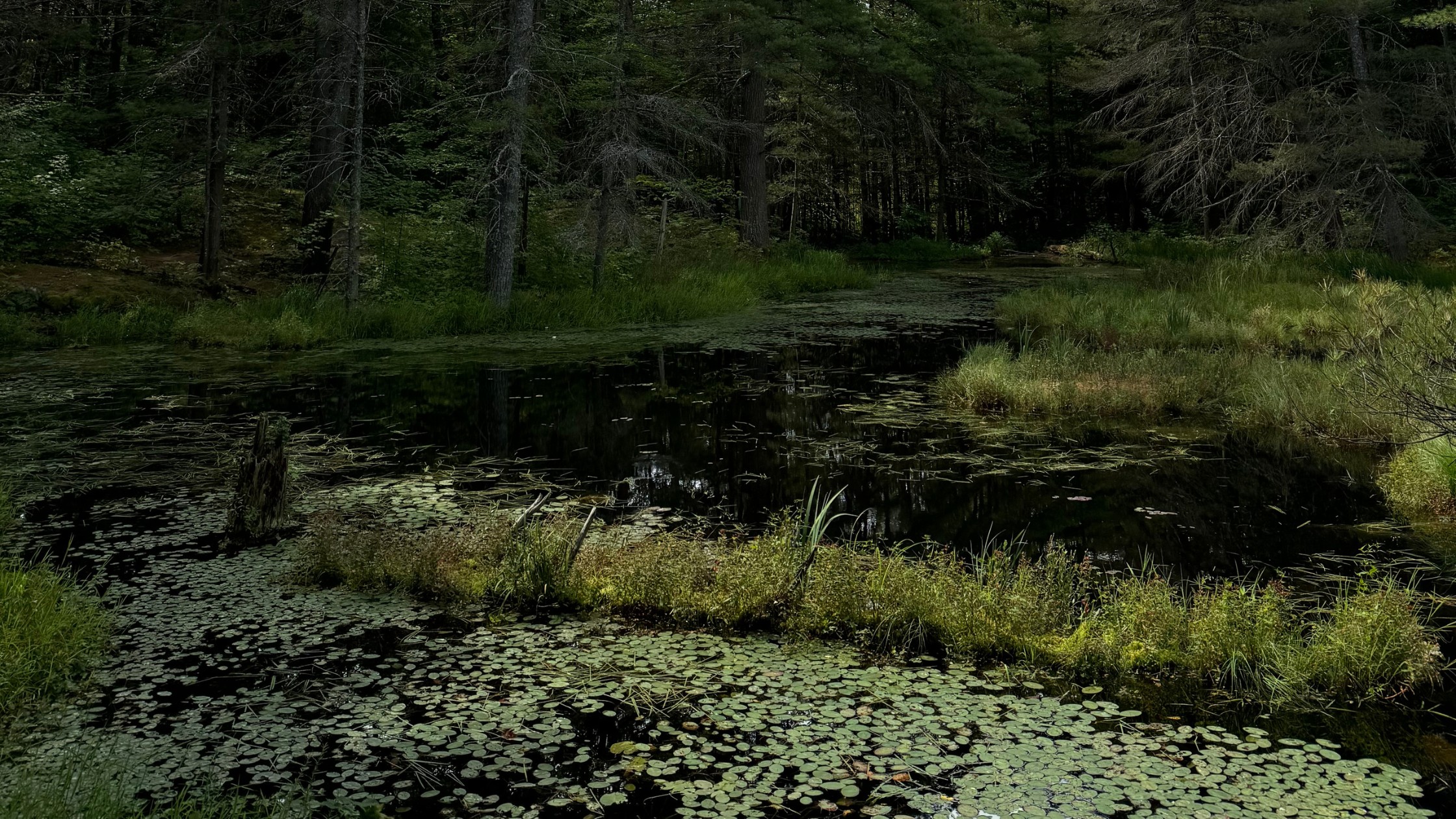
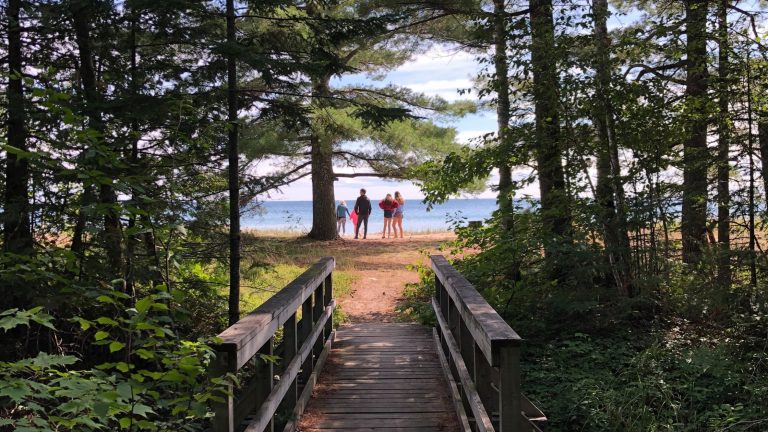
Twin Lakes Wildlife Management Area in Nebraska offers an exquisite blend of natural beauty and outdoor adventure. Spanning over 8,000 acres, this stunning area invites visitors to immerse themselves in the diverse ecosystems that thrive within its borders. From serene lakes to expansive grasslands, the landscape captivates nature enthusiasts and casual visitors alike.
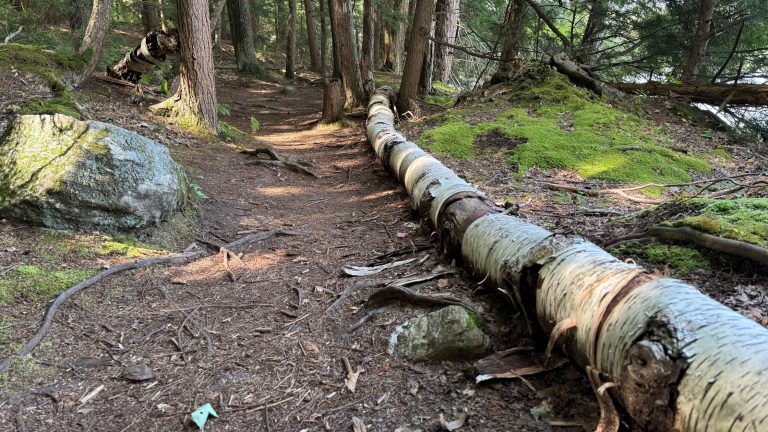
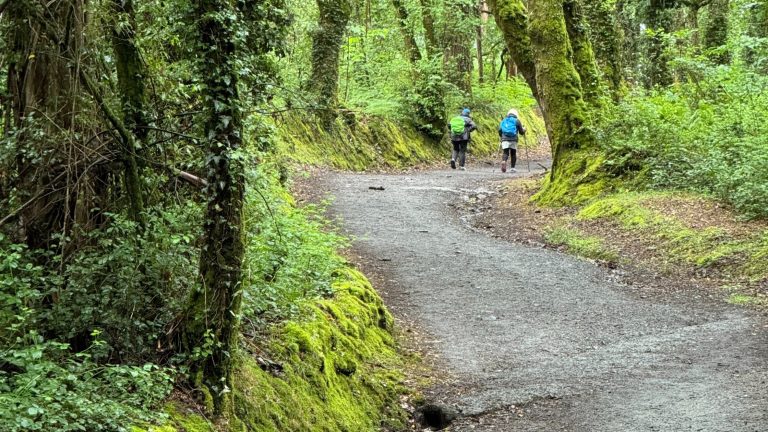
Wildlife abounds in Twin Lakes, making it a premier destination for birdwatchers and photographers. The area hosts a rich variety of species, including migratory birds that flock to its wetlands each season. With well-maintained trails and observation points, guests can easily explore the habitat while capturing the essence of Nebraska’s wildlife.
For those seeking a more active experience, Twin Lakes provides ample opportunities for hiking, fishing, and hunting. The tranquil environment fosters a sense of peace, allowing visitors to disconnect from the hustle and bustle of daily life. As the sun sets over the shimmering waters, the park transforms into a picturesque haven, reminding all who visit of the beauty that lies within Nebraska’s wilderness.
Seasons
In spring, the area transforms into a haven for birdwatchers, offering prime opportunities to observe migratory species amidst blooming landscapes and mild temperatures.
In the summer months, the area offers a serene retreat with abundant wildlife, ideal for fishing, boating, and camping, making June through August the perfect time to visit.
In autumn, the area transforms into a haven for birdwatchers and hunters alike, offering prime opportunities to observe migratory waterfowl and engage in upland game bird hunting.
In winter, the area offers serene landscapes and abundant wildlife, with December through February being ideal for observing bald eagles, owls, and deer in their natural habitats.
Top 3 Facts about Twin Lakes Wildlife Management Area
In this region, unusual animal sightings occur frequently, including the rare sighting of the elusive Eastern Massasauga rattlesnake, while migratory birds like the American white pelican stop to rest, showcasing the area’s rich biodiversity and the importance of preserving these unique habitats for future generations.
In a unique microclimate, certain areas experience extreme temperature variations, where temperatures can swing dramatically within a single day due to elevation changes and localized weather patterns, leading to unusual ecological interactions and diverse habitats that thrive in these contrasting conditions.
Known for its unique trail names like “The Squirrel’s Escape,” this area also prohibits kite flying to protect wildlife, while hosting record-breaking fishing tournaments that draw enthusiasts eager to catch the largest bass, showcasing a blend of outdoor sports and quirky regulations.
Travel Tips
Plan Ahead
Planning ahead is essential for a successful visit to this stunning wildlife management area. Check seasonal access, weather conditions, and local wildlife activity to maximize your experience. Bring necessary gear, such as binoculars for bird watching, and pack snacks and water for your adventures. Arriving early allows you to enjoy the serene beauty and spot elusive wildlife before the crowds arrive.
Pack Appropriately
When packing for your trip, include a pair of binoculars to fully appreciate the diverse birdlife, especially during migration seasons. The area’s unique wetlands and grasslands attract numerous species, making it a birdwatcher’s paradise. Also, consider lightweight, moisture-wicking clothing to stay comfortable while traversing the varied terrain, as temperatures can fluctuate significantly throughout the day.
Respect Wildlife
When exploring this beautiful wildlife management area, keep a respectful distance from animals to ensure their safety and yours. Observe wildlife quietly, minimizing noise and movement, and avoid feeding them, as this disrupts their natural behaviors. Bring binoculars for a closer look and enjoy the diverse habitats without intruding on the creatures that call this area home.
Stay Informed
Before your visit, stay informed by checking the weather, temperatures, and any fire bans or notices. Know the emergency contact information, and always inform someone about your destination and expected return time to ensure your safety and enjoyment.
Accessibility & permits
Emergency

Planning a trip?
Tell us about your upcoming trip and how we can help!
Frequently Asked Questions
Ready to dive into what Twin Lakes Wildlife Management Area has to offer? Let’s tackle some of the burning questions you might have as you plan your visit!
-
Twin Lakes Wildlife Management Area offers a variety of activities including bird watching, hiking, fishing, and wildlife photography. Visitors can explore numerous trails and enjoy the scenic beauty of the area, which is home to diverse ecosystems and abundant wildlife.
-
Yes, Twin Lakes Wildlife Management Area provides camping facilities, allowing visitors to immerse themselves in nature. Campsites are available for both tent and RV camping, with basic amenities to ensure a comfortable stay.
-
The best time to visit Twin Lakes Wildlife Management Area is during the spring and fall months when wildlife activity is high and the weather is pleasant. Spring offers migratory birds, while fall showcases vibrant foliage and cooler temperatures.
-
To get to Twin Lakes Wildlife Management Area, take Highway 81 north from the town of Norfolk, then follow the signs to the management area. It is easily accessible by car and has designated parking areas.
-
At Twin Lakes Wildlife Management Area, you can expect to see a variety of wildlife including deer, waterfowl, and numerous bird species such as ducks and herons. The area is a prime location for observing both resident and migratory species.