Pinellas County's Top Bass Lake, Close to Tampa's Gulf Coast
















Why Rent On Lake Tarpon
Pinellas County’s most prized freshwater lake, where a trophy bass fishery and nine miles of open water thrive in the middle of suburban Tampa Bay
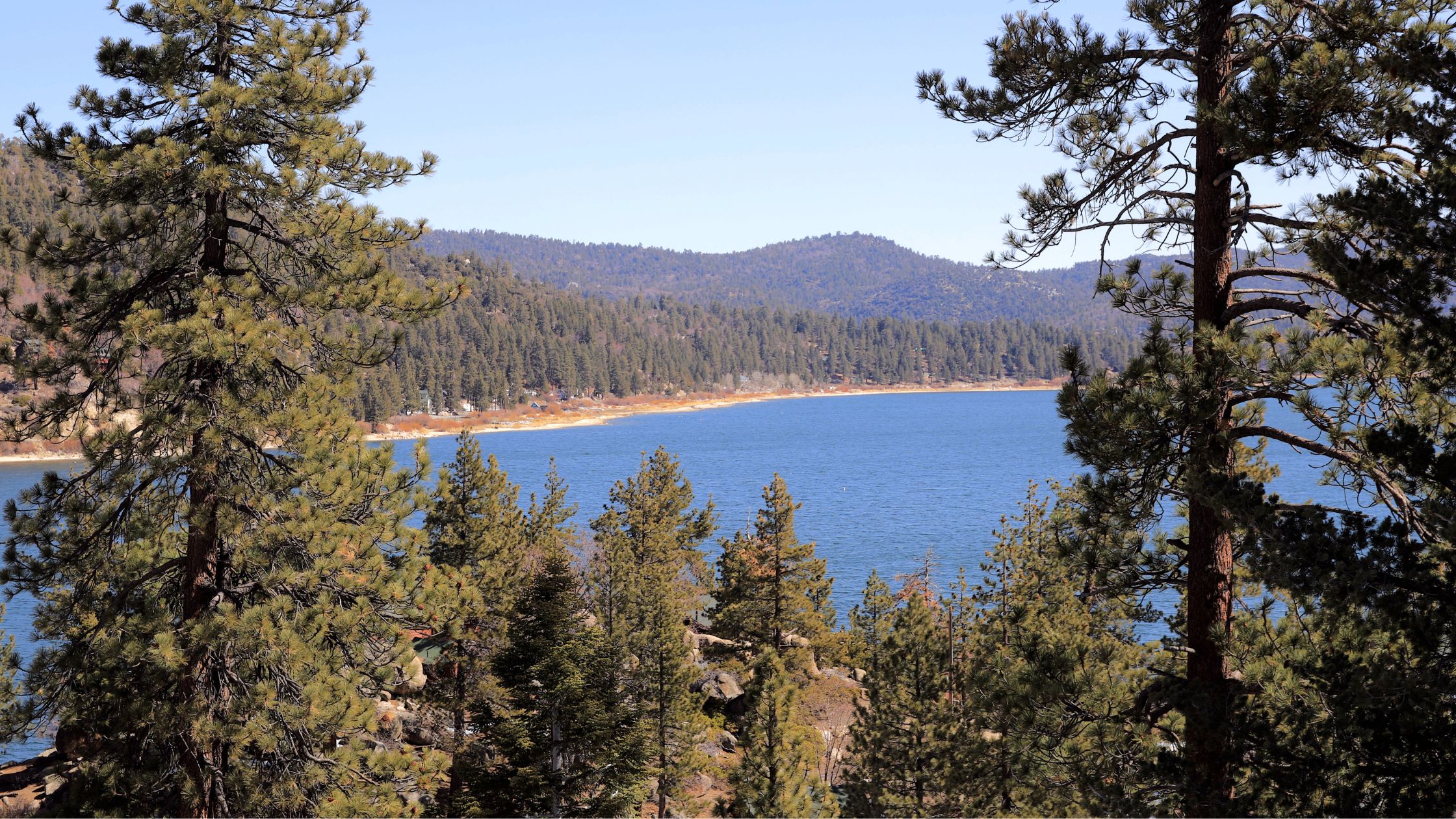
Lake Tarpon commands the northern reaches of Pinellas County, stretching nine miles between Palm Harbor and Tarpon Springs in a landscape where suburban development presses close on every side yet somehow fails to diminish the lake’s essential wildness. At 2,534 acres, it is the largest freshwater body in Pinellas County and one of the most productive bass fisheries in Florida — an FWC Fish Management Area consistently yielding largemouth bass of tournament calibre despite relatively modest fishing pressure for a lake of its regional accessibility. The Florida Fish and Wildlife Conservation Commission conducts regular fishery assessments on Lake Tarpon and maintains TrophyCatch records for bass of eight pounds or larger pulled from its waters. The average depth of seven to eight feet and maximum of fourteen feet create a warm, light-saturated basin that sustains the aquatic vegetation — cattails and bulrush along the banks, hydrilla in open water — that forms the structural foundation of that exceptional bass habitat. The lake was dammed in 1968, establishing its current controlled profile; the Lake Tarpon Outfall Structure (S-551), operated by the Southwest Florida Water Management District and the U.S. Army Corps of Engineers, governs water levels and provides flood control for the surrounding watershed.
Things to do at Lake Tarpon
Public access is available at John Chesnut Sr. Park in Palm Harbor, a 251-acre Pinellas County facility on the lake’s eastern shore with boat ramps, fishing piers, picnic shelters, conservation trails, and restroom facilities. Additional access points are distributed around the perimeter. No permit is required to use the lake.
– Bass fishing: the Florida bass spawning season runs from December through April, with February and March representing peak activity; the FWC actively monitors the largemouth bass population and size structure, which it characterises as excellent
– Fishing for crappie, bluegill, warmouth, catfish, and additional warm-water species throughout the lake’s vegetation-rich structure
– Boating, water skiing, and jet skiing across the lake’s open midsection; motorised boats and jet skis are permitted with no horsepower restriction stated in county rules
– Kayaking and canoeing along the quieter northern margins and through the conservation area near John Chesnut Park
– Hiking the trail network within John Chesnut Sr. Park through 103 acres of conservation land adjacent to the lake
– Wildlife observation: osprey, bald eagles, anhingas, herons, and wading birds work the lake’s vegetated margins throughout the year
A Florida freshwater fishing licence is required for all anglers 16 and older. Check current FWC regulations at myfwc.com before fishing; Lake Tarpon is a designated Fish Management Area with specific monitoring protocols. Note: Lake Tarpon is listed as an impaired water body under EPA standards due to elevated nutrients and resulting dissolved oxygen deficiencies; it fails chlorophyll-a criteria. Check current Pinellas County and Florida DEP water quality advisories before swimming, and be aware of periodic algae conditions during warm summer months.
What to do near Lake Tarpon?
The northern Pinellas corridor surrounding the lake connects quickly to some of the Tampa Bay region’s most appealing cultural and natural destinations.
– John Chesnut Sr. Park, on the lake’s eastern shore, anchors the public recreation experience with its conservation trails, fishing pier, picnic pavilion, and playground
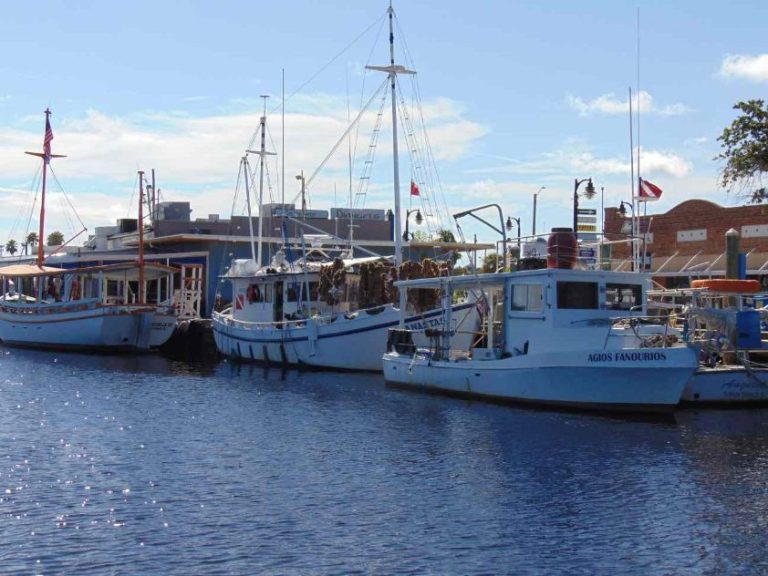
– Tarpon Springs, immediately north of the lake, is one of Florida’s most distinctive small cities — the largest Greek-American community in the United States, with a functioning sponge docks district, Greek Orthodox churches, authentic bakeries and tavernas along Dodecanese Boulevard, and a well-preserved downtown of early-20th-century commercial architecture
– The Sponge Docks in Tarpon Springs offer glass-bottomed boat tours and sponge diving demonstrations that remain genuinely educational rather than merely commercial
– Fred Howard Park, west of Tarpon Springs on the Gulf of Mexico, provides one of the finest causeway beach experiences on the Pinellas coast — a long sandbar walk to an island beach entirely unlike the crowded resort strips to the south
– Brooker Creek Headwaters Nature Preserve and Brooker Creek Preserve, in the lake’s watershed, offer hiking through undisturbed Pinellas upland habitat that is increasingly rare in this heavily developed county
Can you fish at Lake Tarpon without a guide?
Yes, and many of the lake’s most committed anglers prefer to do exactly that, arriving before dawn at John Chesnut Sr. Park’s boat ramp and working the cattail and bulrush lines independently. The FWC notes that fishing pressure on Lake Tarpon is relatively low for the quality of the fishery — a meaningful advantage that separates it from more intensely fished Central Florida lakes. The bass concentrate around cattails and bulrush banks in early morning and late afternoon, moving offshore to deeper vegetation and debris in summer heat. Tournament anglers use brush piles in open water, which are effective but not legal to fish during formal competitions. A guided trip can be productive for first-time visitors unfamiliar with the lake’s topography, but independent fishing from the public access points is entirely practical.
What is the best time to visit Lake Tarpon?
The bass spawning season from December through April is the lake’s finest fishing window, with February and March consistently producing the largest fish as they move onto shallow, hard-bottom areas near the shoreline vegetation. The broader late-fall to early-spring window — October through April — offers the most comfortable outdoor conditions in Pinellas County, with daytime temperatures in the 70s Fahrenheit and minimal humidity. Summer visits are viable but arrive with the full weight of the Florida wet season: afternoon thunderstorms, intense heat, and elevated algae risk. Early morning departures are essential in summer regardless of the activity planned.
Where to stay near Lake Tarpon
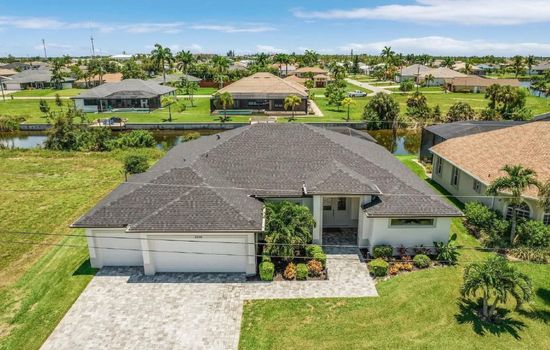
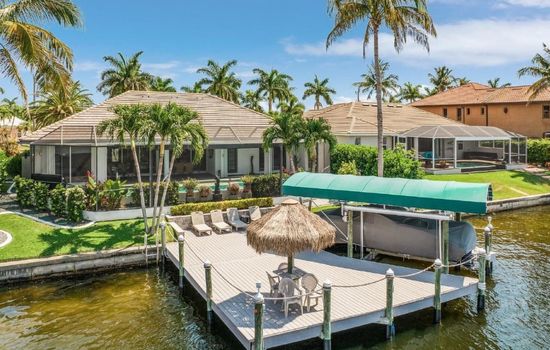
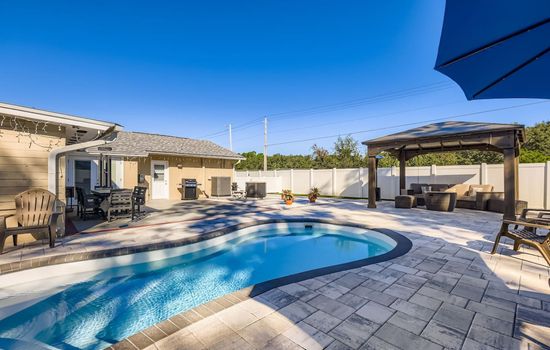
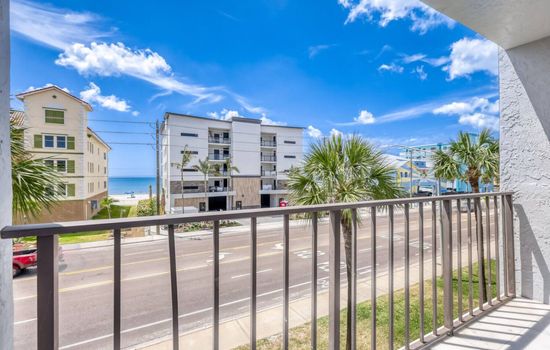
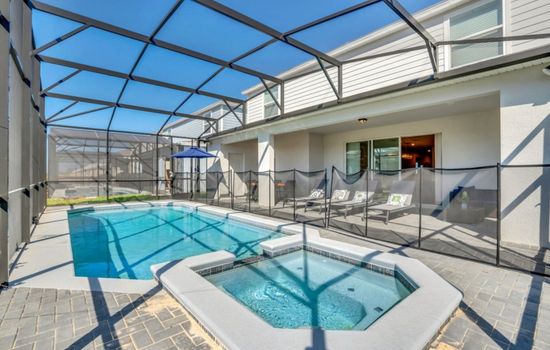
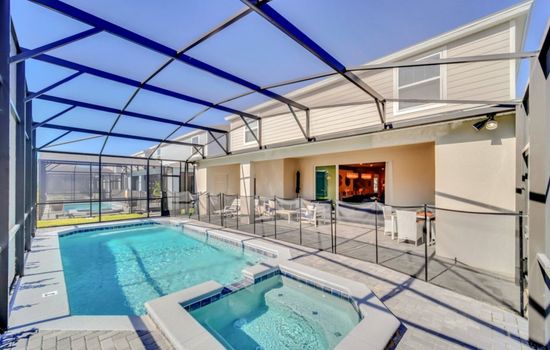
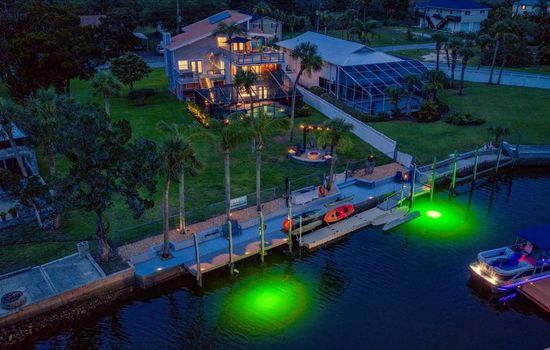
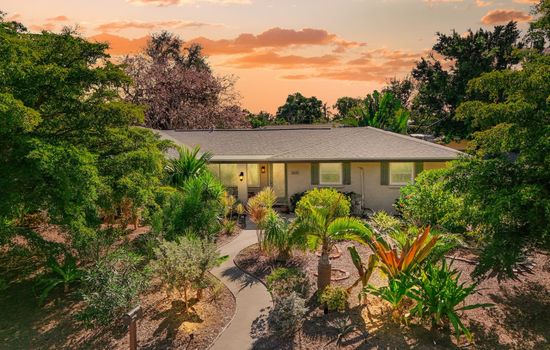
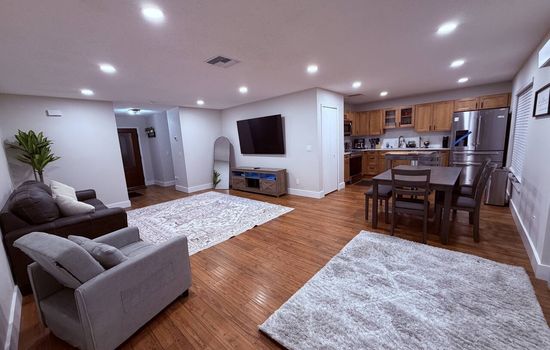
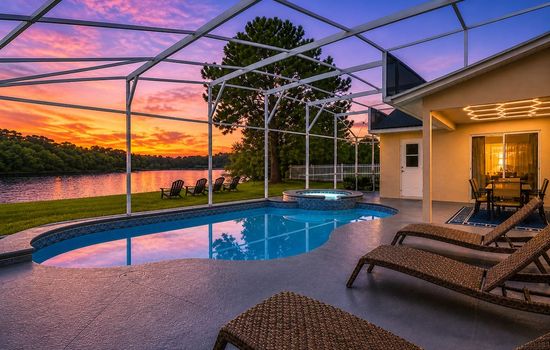
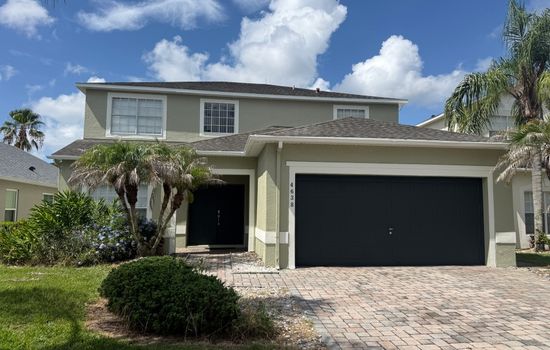
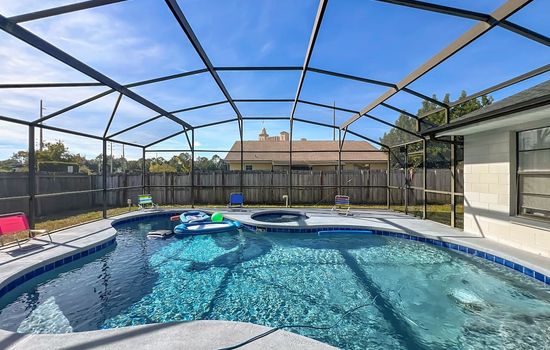
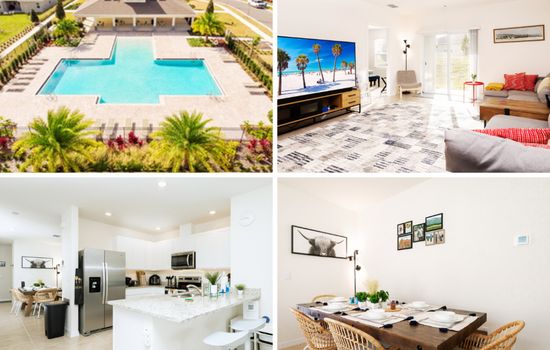
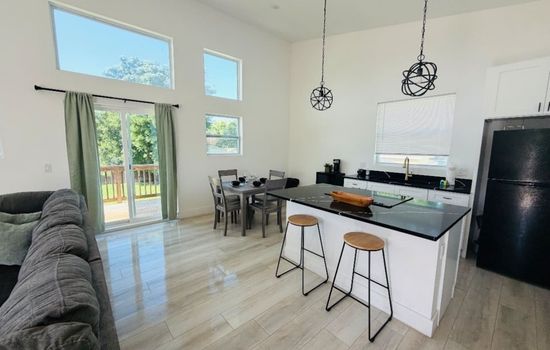
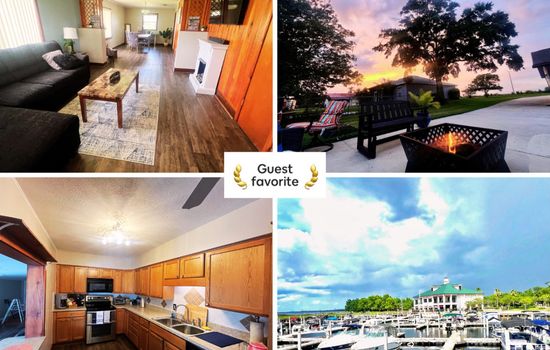
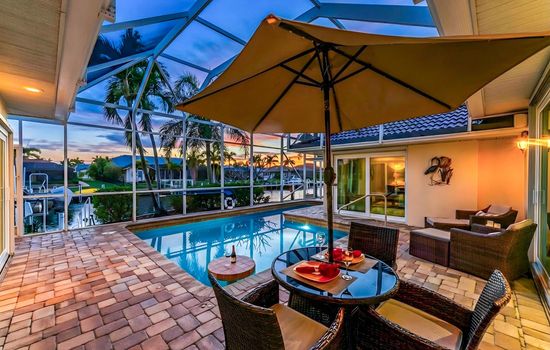
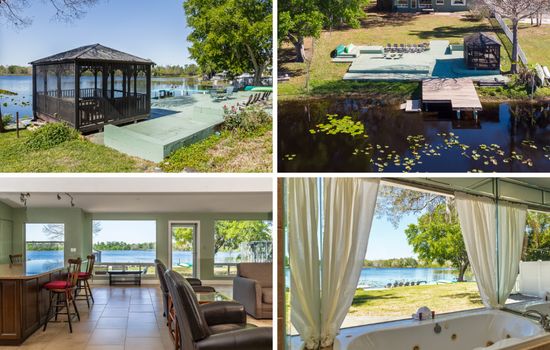
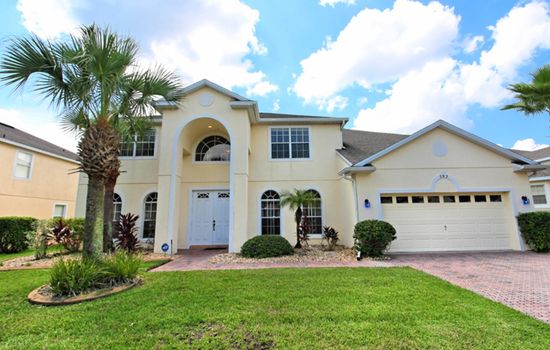
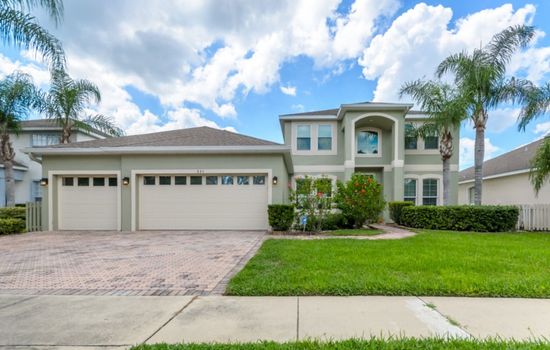
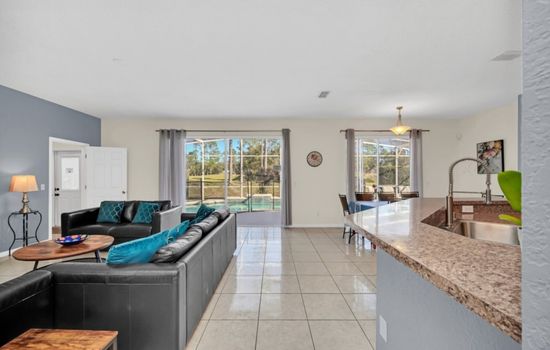
Vacation rental properties in the Palm Harbor, Tarpon Springs, and Trinity areas provide practical bases for a Lake Tarpon visit, ranging from modest lakeside homes to larger properties suited to family groups. The Tarpon Springs waterfront adds cultural context that most Florida lake destinations lack entirely. Browse Lake.com for cabin and vacation home rental listings near Lake Tarpon in northern Pinellas County.
- Surface area (mi)
- 6.21
- Max depth (ft)
- 15.09
- Elevation (ft)
- 3.28
- Shoreline length (mi)
- 16
Popular activities
- Hiking
- Kayaking
- Canoeing
- Fishing
- Cross-country Skiing
- Ice Skating

Planning a trip?
Tell us about your upcoming trip and how we can help!

Nearby lakes
Frequently Asked Questions
Ready to dive into what Lake Tarpon has to offer? Let’s tackle some of the burning questions you might have as you plan your visit!
-
No, it is not entirely safe to swim in Lake Tarpon. The lake has historically been plagued by invasive plant outbreaks and high chlorophyll-a levels, which can indicate poor water quality. While the lake is considered a healthy system in some aspects, these issues can affect its suitability for swimming.
-
Lake Tarpon is not specifically mentioned as a popular destination in the provided sources. However, the area around Tarpon Springs is popular due to its beaches, such as Fred Howard Park, and water activities like kayaking in the bayous and rivers. These areas offer tranquil settings, clear waters, and opportunities to spot wildlife like dolphins and manatees.
-
Yes, you need a fishing license to fish in Lake Tarpon, Florida. Since Lake Tarpon is a freshwater body, you must have a Florida freshwater fishing license. This license is required even if you are only catch-and-release fishing or assisting someone who is fishing.
-
There is no public beach at Lake Tarpon. Lake Tarpon is a freshwater lake with public access points such as Anderson Park and Chesnut Park, but these are not beaches. These parks offer other recreational activities like fishing and boating.
-
Towns near Lake Tarpon include Tarpon Springs, Palm Harbor, and Oldsmar. Lake Tarpon is located about 10 miles west of Tampa in Pinellas County, making these towns its closest neighbors. These areas are known for their recreational activities and residential communities.