Itasca County's Island-Dotted Lake Is One of Minnesota's Hidden Gems
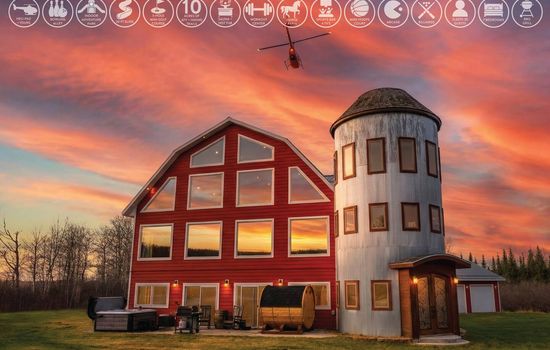
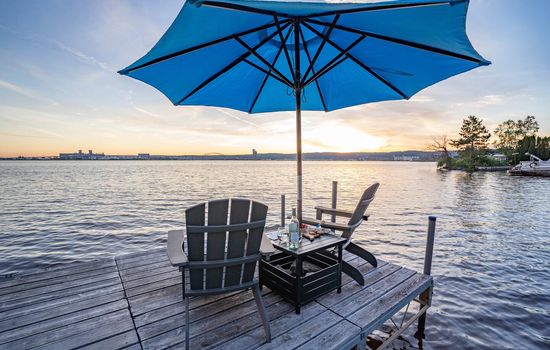
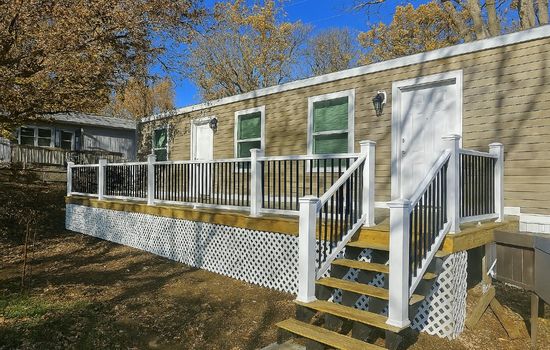

Why Rent On Deer Lake
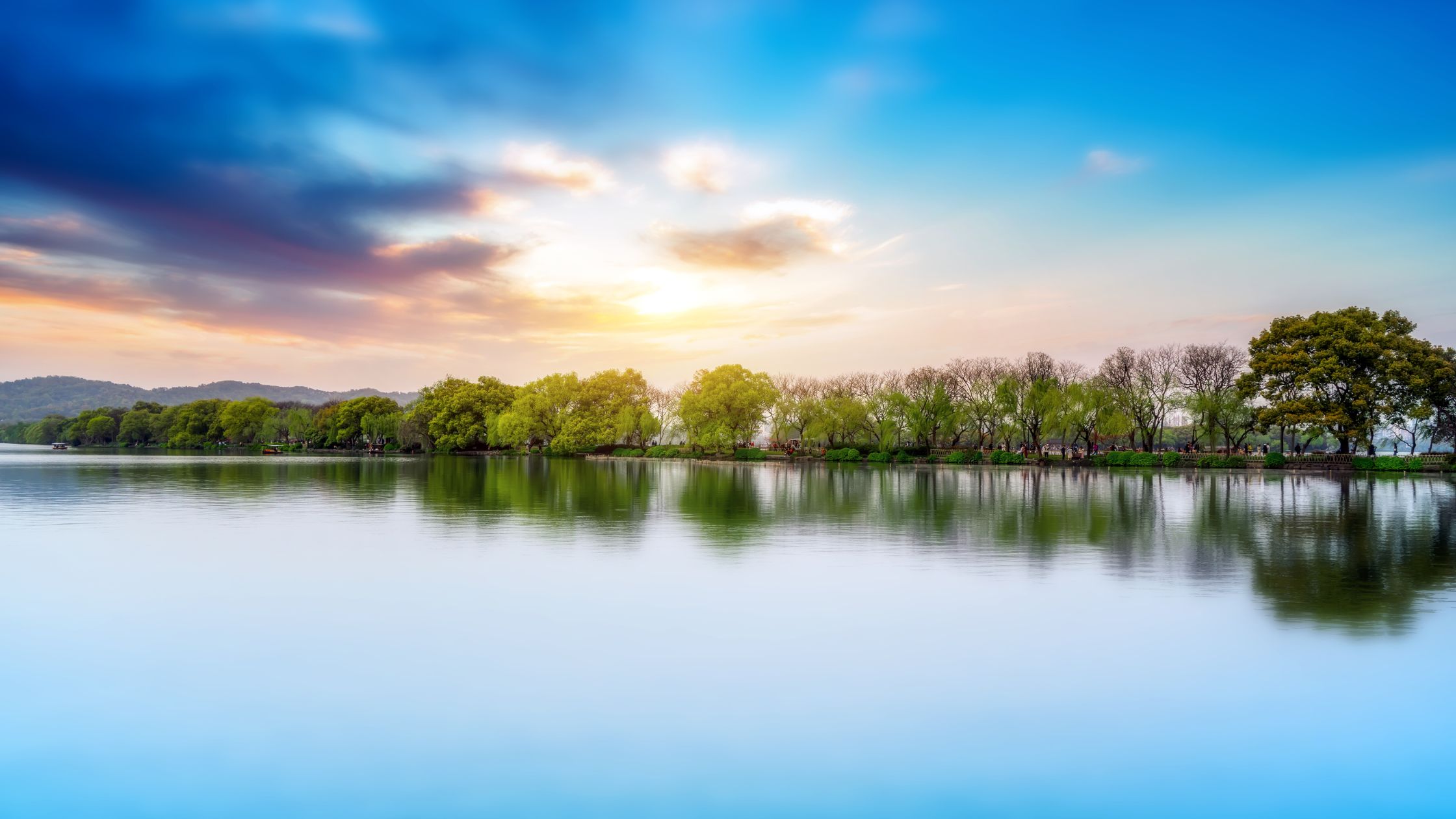
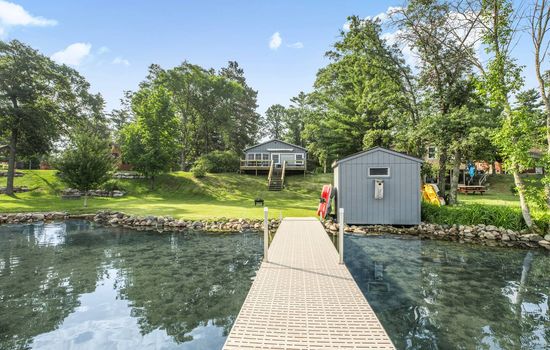
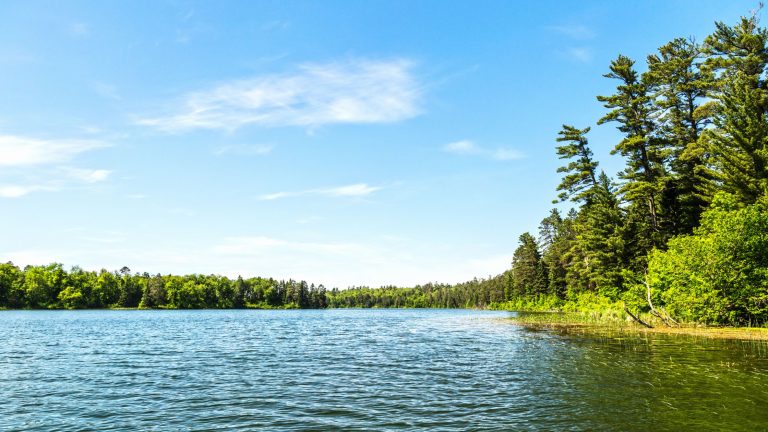
Deer Lake earns its local nickname — the Lake of the Changing Colours — not through branding but through genuine optical behavior. Positioned in the Itasca County northwoods about twelve miles north of Grand Rapids, the lake stretches five miles through the boreal landscape and covers 4,094 acres of water that shifts, depending on light angle, cloud cover, and depth, from pale turquoise to deep jade to a luminous cerulean that seems improbable for Minnesota until you arrive and see it. The explanation is hydrological: Deer Lake is a groundwater drainage lake fed by underground springs and one small surface inlet, with a water residence time of approximately 17.5 years. That extraordinary slow turnover preserves a Secchi disk transparency averaging thirteen feet, with clarity documented as high as twenty. Add sixteen islands, a maze of submerged rocky bars that rise from eighty feet to less than two within a boat’s length, and a maximum depth of 121 feet, and you have one of the most textured inland lakes Minnesota offers.
On the water
The Minnesota DNR manages Deer Lake under a formal Lake Management Plan that designates muskellunge, smallmouth bass, and walleye as primary species — a programme that consistently produces trophy-class fish across all three. Muskie targets run to 45 percent of fish exceeding 42 inches; smallmouth catch rates target 30 fish per hour in spring electrofishing surveys; walleye netting targets 9.6 per net. Northern pike, yellow perch, crappie, bluegill, and largemouth bass fill out the season. Beyond fishing, the lake’s sixteen islands reward patient kayak and canoe exploration through channels where depth and bottom type shift constantly. A breeding pair of bald eagles is documented here; loon families nest annually; moose and black bear move through the surrounding boreal forest. A Minnesota fishing licence is required. Always carry a GPS bathymetric map when boating — the rocky bars are unmarked and can be hazardous. Experienced guides note that heavily sunny summer days push fish deep into low-light cover; overcast days and early mornings consistently outperform.
What to do near Deer Lake
Itasca State Park, about 35 miles west, is the anchor destination of this corner of Minnesota: the headwaters of the Mississippi River at Lake Itasca, where you can wade across the river at its northernmost source, is a genuinely moving American experience backed by 49 miles of hiking and biking trails through old-growth red and white pine. Grand Rapids, twelve miles south, is a full-service regional city with the Judy Garland Museum — Garland was born here in 1922 — independent restaurants, and the tackle shops and outfitters you need before heading to the water. The surrounding Chippewa National Forest extends the public land to 400,000 acres with 1,300 miles of trails and one of the largest bald eagle nesting populations in the contiguous United States.
When to go and where to stay
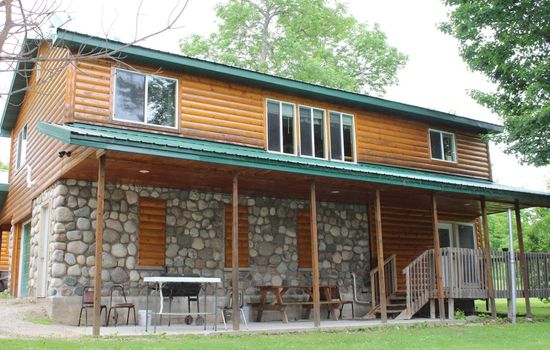
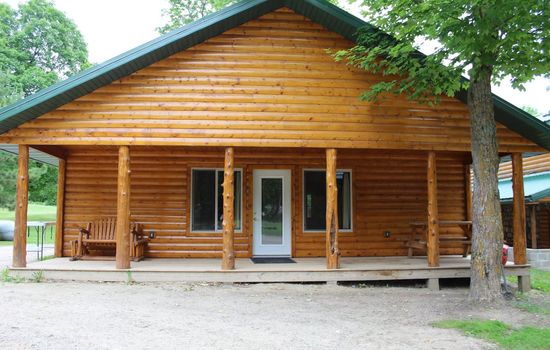
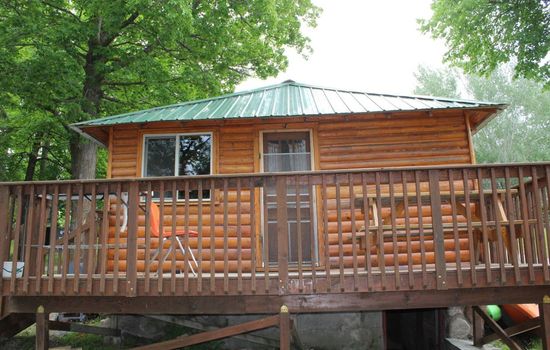
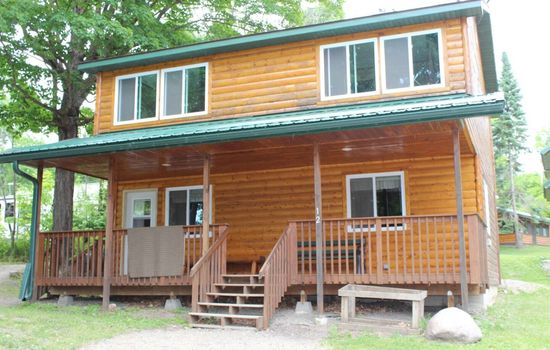
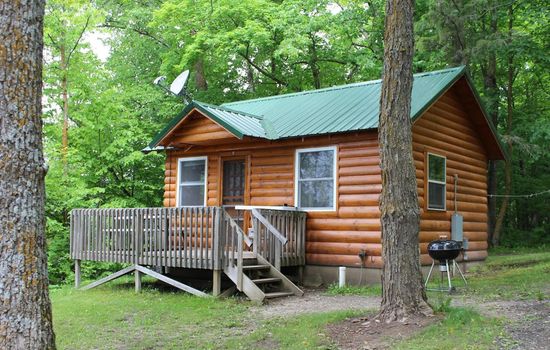
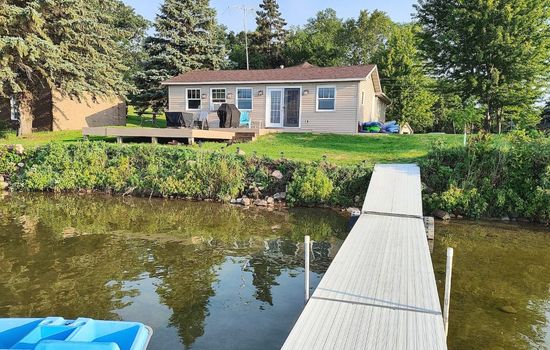
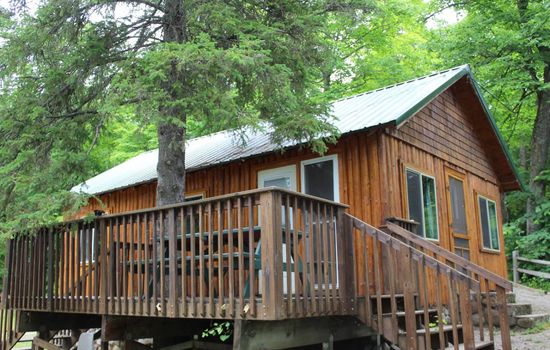
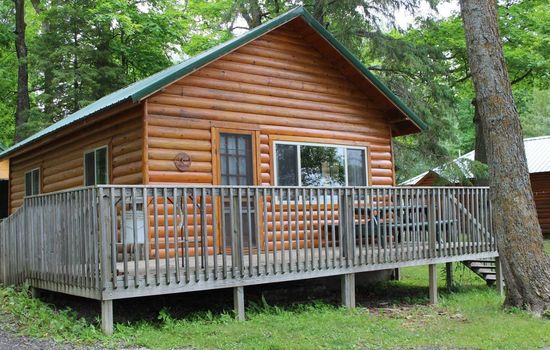
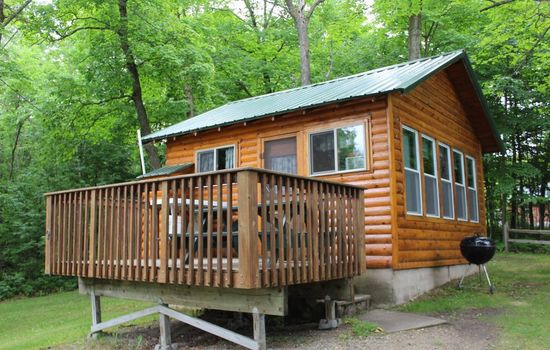
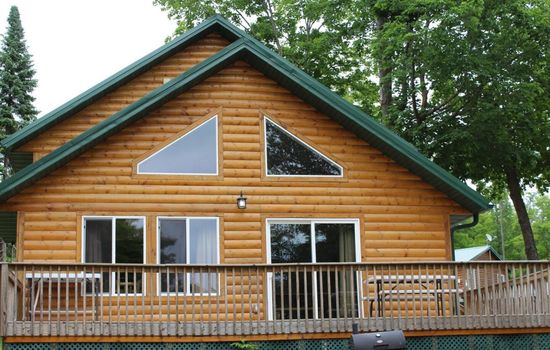
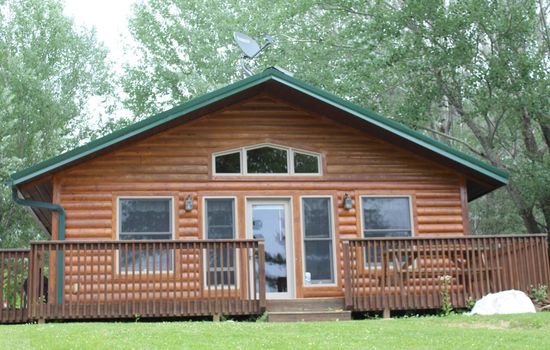
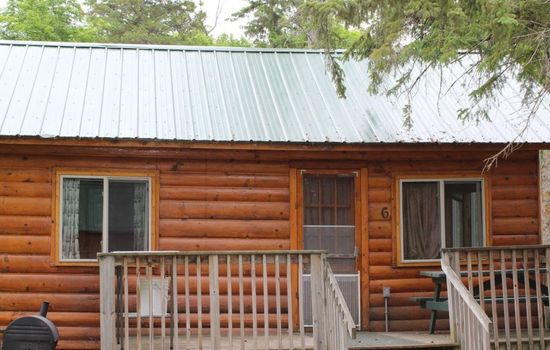
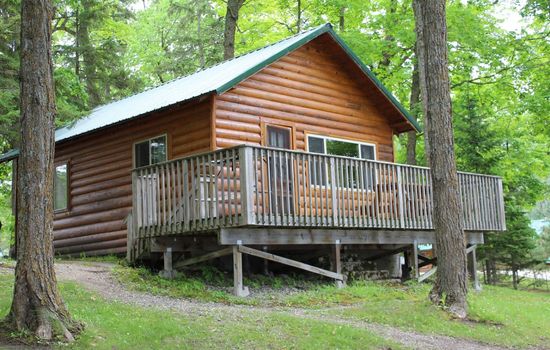
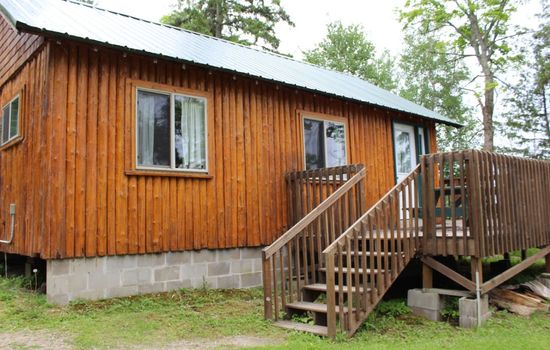
Late May and June produce the most accessible walleye action, before summer clarity reaches its most fish-intimidating peak. July and August are ideal for families — swimming, island exploration, and the long northwoods evenings that make cabin life here feel genuinely restorative. Muskie fishing sharpens in October as large fish move shallower, and the boreal autumn colour — tamarack, birch, and aspen — peaks in early October and is among the finest in the state. Resort cabins along the shoreline include private beaches, boat docks, and fish-cleaning stations. Life jackets are strongly recommended for all children and paddlers given the lake’s dramatic depth variation. Browse Lake.com for cabin and vacation rental listings on Deer Lake and in the Grand Rapids area.
- Surface area (mi)
- 10.56
- Max depth (ft)
- 121.06
- Elevation (ft)
- 1309.06
- Shoreline length (mi)
- 22
Popular activities
- Boating
- Kayaking
- Swimming
- Fishing
- Jet Skiing

Planning a trip?
Tell us about your upcoming trip and how we can help!
Nearby lakes
Frequently Asked Questions
Ready to dive into what Deer Lake has to offer? Let’s tackle some of the burning questions you might have as you plan your visit!
-
The answer depends on the specific Deer Lake:
– At Deer Lake State Park in Florida, yes, swimming is allowed but check the beach flags for safety conditions.
– At Deer Lake in Schuylkill County, Pennsylvania, no, swimming is not allowed.
– At Deer Lake managed by BMPOA, yes, swimming is allowed but there are no lifeguards. -
Deer Lake is a popular destination for fishing and recreation because it offers a serene and relatively undisturbed environment. The lake is part of the Jordan River and Lake Charlevoix Watersheds, providing good fishing spots, and it is surrounded by high hills and state forest, ensuring a peaceful experience. Falls Park on the west shore is also a popular fishing destination.
-
The daily catch limit for sunfish in Deer Lake, Minnesota, is five sunfish per day. This regulation is part of the quality sunfish initiative to protect and improve sunfish quality. Anglers can still possess up to the statewide possession limit of 20 sunfish, even if the daily limit is lower.
-
Yes, there is a public beach at Deer Lake. For example, Deer Lake Beach in Clarkston, Michigan, is a public beach with swimming areas and lifeguards during operating hours from Memorial Weekend to Labor Day. Another instance is Deer Lake State Park in Florida, which features a public beach with a boardwalk and protected shoreline.
-
Towns near Deer Lake in Minnesota include Deer River, Cohasset, Nevis, Akeley, and Park Rapids. Deer Lake is located in Itasca County, about 12 miles north of Grand Rapids and 8 miles northeast of Deer River. These towns are convenient for access to the lake and surrounding areas.