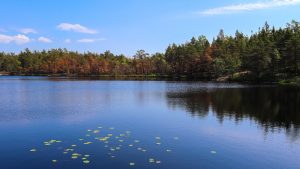
Hike, Paddle, and Explore Mattamuskeet National Wildlife Refuge
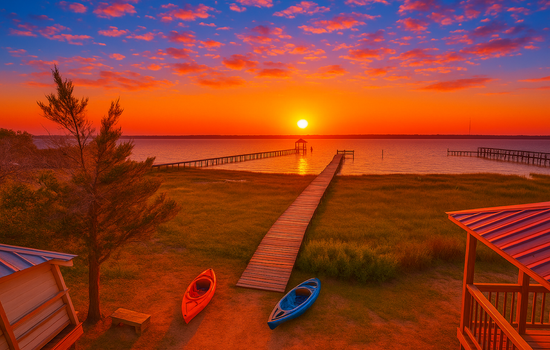
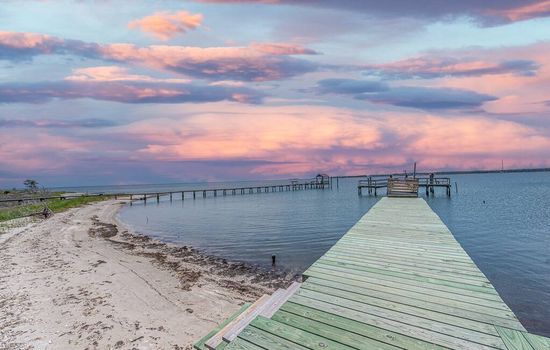


Why Rent On Lake Mattamuskeet
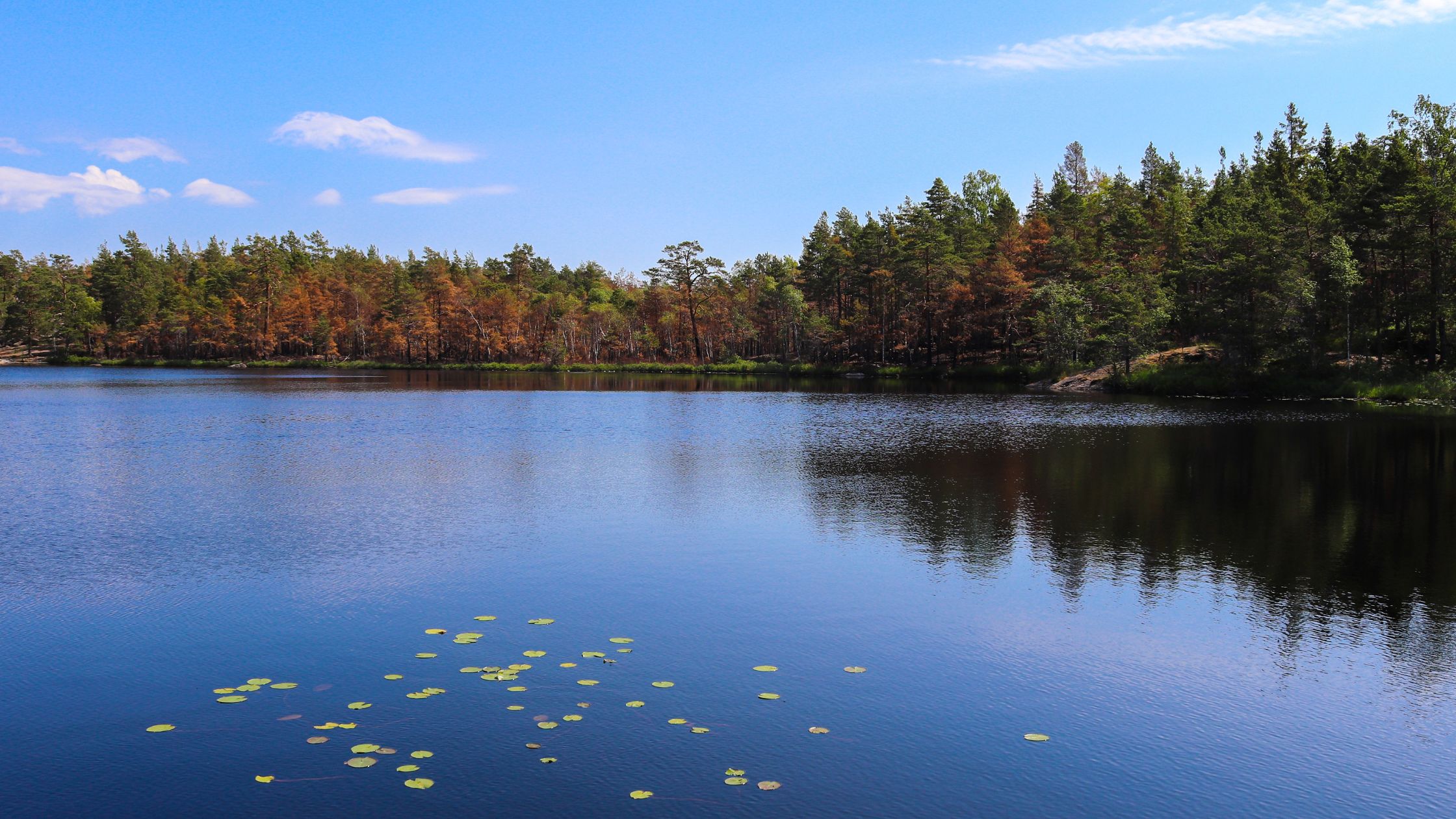
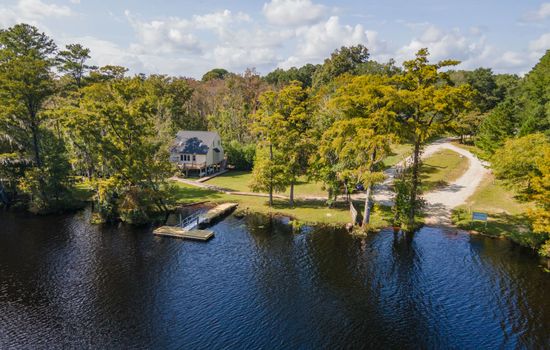
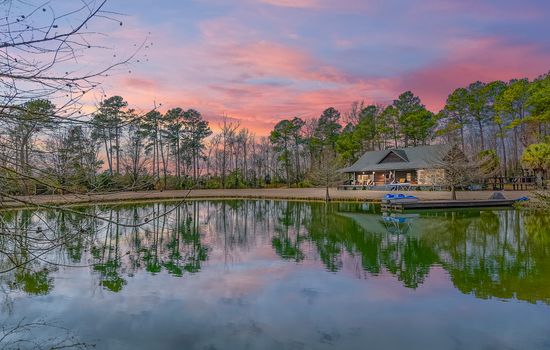
Lake Mattamuskeet occupies 40,000 acres of the Albemarle-Pamlico Peninsula in Hyde County, North Carolina, stretching 18 miles long and seven miles wide in the shallow coastal lowland between the Pamlico Sound and the Pungo River. It is the largest natural lake in North Carolina by a substantial margin, yet reaches a maximum depth of only four feet. That shallowness is precisely what makes Mattamuskeet exceptional rather than merely large: the broad, sunlit basin sustains dense beds of submerged aquatic vegetation — widgeon grass, pondweed, and wild celery — that serve as a feeding ground for waterfowl of continental importance. Up to 80 percent of the Atlantic Flyway’s northern pintail population and up to 30 percent of its green-winged teal funnel through the refuge annually. Tundra swans arrive by the tens of thousands from Arctic breeding grounds each autumn, and cumulative waterfowl numbers at Mattamuskeet National Wildlife Refuge across fall and winter regularly exceed 100,000 birds. The old pumping station at New Holland, built during a failed early 20th-century attempt to drain the lake for farmland and once the world’s largest-capacity pumping facility, stands as a rusting landmark on the National Register of Historic Places, its smokestack visible for miles across the surrounding marsh.
Things to do at Lake Mattamuskeet
Mattamuskeet is managed as a National Wildlife Refuge by the U.S. Fish and Wildlife Service; recreational use is permitted within refuge regulations, but the experience here is defined by wildlife rather than water sports. Check current refuge rules and seasonal closures at fws.gov/refuge/mattamuskeet before visiting. Birdwatching and wildlife photography from the refuge road network, the Lake Landing Canal dike, and the observation tower are the primary draws: tundra swans dominate from November through late February, with Canada geese, snow geese, northern pintail, green-winged teal, and a full roster of diving ducks present through winter. The annual Swan Days Festival in November includes tram tours of the refuge impoundments along the eastern shore. Fishing in the lake and refuge canals for largemouth bass, striped bass, crappie, and catfish is permitted with a North Carolina fishing license and compliance with refuge-specific regulations. Regulated hunting for waterfowl and white-tailed deer runs during designated seasons with required hunter registration. Walking, cycling, and photography of the historic pump station and smokestack round out the shore-side options. Swimming is not permitted: the shallow, warm, vegetation-dense water is ecologically productive but unsuitable for recreational swimming, and proximity to large numbers of wading birds compounds the water quality considerations.
What to do near Lake Mattamuskeet
Hyde County and the Outer Banks corridor within two hours of the lake offer natural and cultural destinations that complement the refuge experience well. Swanquarter National Wildlife Refuge, west of the lake, extends the coastal habitat and includes a free vehicle ferry service from Swan Quarter to Ocracoke Island, one of the most scenic ways to access the Outer Banks. Cape Hatteras National Seashore, reached via the Swan Quarter ferry, encompasses some of the Atlantic Coast’s most undisturbed barrier island seashore. Pocosin Lakes National Wildlife Refuge, northwest of Mattamuskeet, protects one of the rarest wetland types in the American Southeast and adds meaningful birding depth to any extended Hyde County itinerary. Washington, North Carolina, the nearest town of meaningful size about 70 miles northwest, provides historical waterfront access and dining.
What is the best time to visit Lake Mattamuskeet?
November through February is the lake’s most compelling season, when tundra swans, geese, and ducks are present in peak numbers and Swan Days activates the community around the migration. October brings the earliest arriving waterfowl and autumn color to the surrounding hardwood edges. Spring from March through May sees resident breeding birds, wading species, and songbirds active in the marsh margins, and the fishing season opens fully. Summer is the quietest season for wildlife observation; the most productive activities are fishing in the refuge canals and exploring the surrounding tidewater communities. Mosquitoes and biting insects are significant from May through September; arrive prepared. Accommodation options nearest the refuge are limited to the Engelhard and Swanquarter area; Washington, NC offers a broader hotel inventory approximately 70 miles from the refuge entrance. Browse Lake.com for vacation rental listings in Hyde County and eastern North Carolina to find the closest available properties.
- Surface area (mi)
- 101.47
- Max depth (ft)
- 10.01
- Shoreline length (mi)
- 91.65
Popular activities
- Boating
- Waterskiing
- Wakeboarding
- Kayaking
- Fishing
- Hiking
- Jet Skiing.

Planning a trip?
Tell us about your upcoming trip and how we can help!
Frequently Asked Questions
Ready to dive into what Lake Mattamuskeet has to offer? Let’s tackle some of the burning questions you might have as you plan your visit!
-
No, swimming is not allowed in Lake Mattamuskeet. This is one of the prohibited activities listed by the refuge regulations to protect the environment and wildlife.
-
Lake Mattamuskeet is a popular destination because it is North Carolina’s largest natural lake and a major wintering site for waterfowl. The lake and its surrounding areas, including the Mattamuskeet National Wildlife Refuge, attract various species of ducks, geese, and tundra swans, making it a significant spot for birdwatching and wildlife observation.
-
The best seasons for fishing in Lake Mattamuskeet, North Carolina, are during the spring and fall when fish are more active and abundant near the shoreline. Optimal fishing conditions occur with stable weather, moderate temperatures, and minimal wind, making fish more responsive to bait. Pay attention to weather forecasts to adjust your fishing strategy.
-
There is no public beach at Lake Mattamuskeet. The area is primarily a wildlife refuge with habitats like marshes, swamp forests, and upland forests, and it is known for its fishing, birding, and other wildlife-dependent recreational activities. The focus is on preserving the natural environment and wildlife rather than providing beach access.
-
The towns near Lake Mattamuskeet that offer basic amenities like food, accommodations, and gas stations are Engelhard, Swanquarter, and Fairfield. These small towns in Hyde County provide the necessary services for visitors. They are conveniently located near the lake and its surrounding areas.