The OBX original: fishing piers, Jockey's Ridge, and honest beach-town grit since 1830.
Tips on renting in Nags Head
Getting Around
What to Pack
Must-Try Activities
Smart Spending Tips
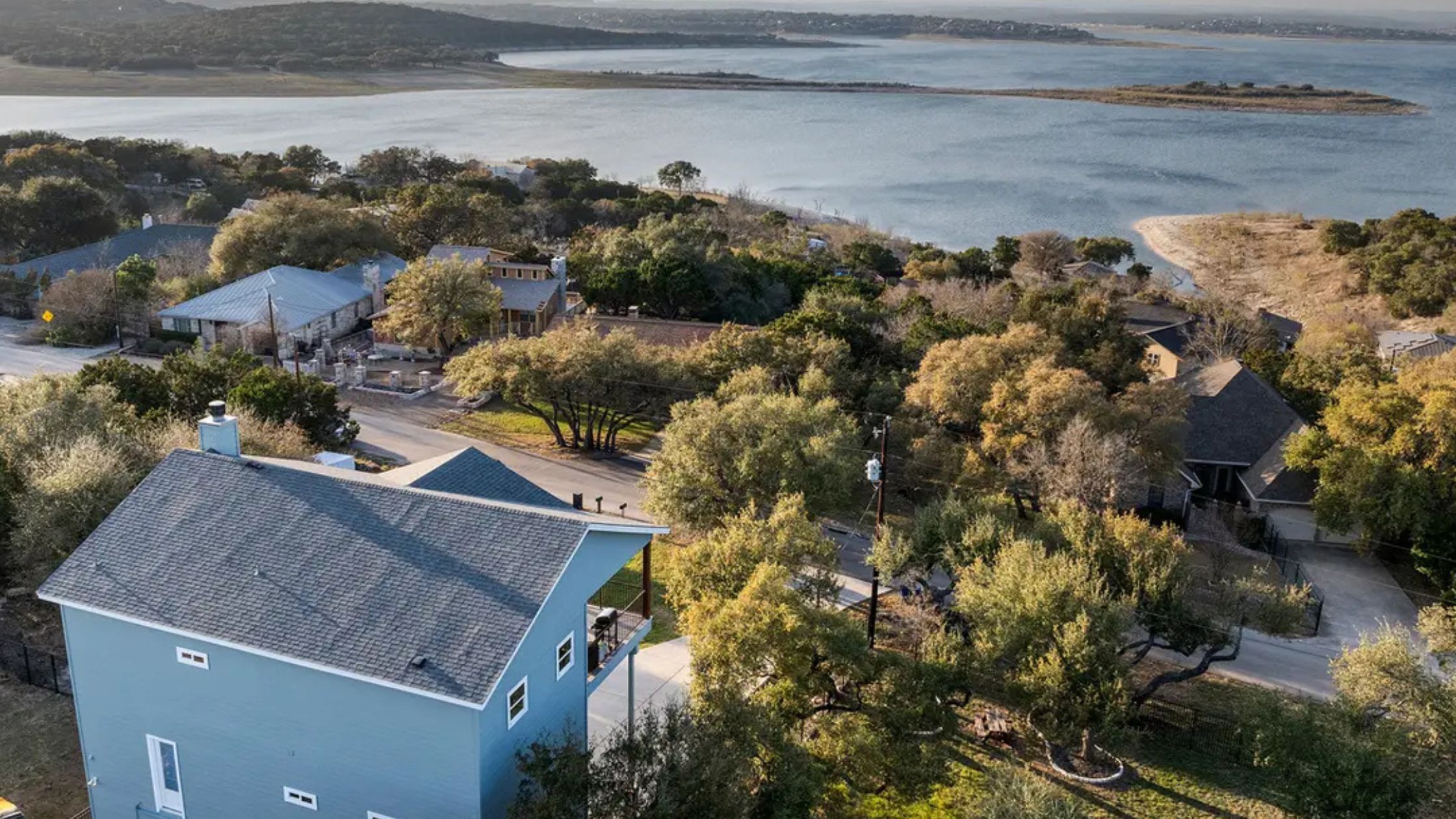
A lot of places claim to be the original something. Nags Head can genuinely make the case. Vacationers began summering here in the 1830s, and the stretch of weathered wooden cottages along the old Beach Road is a legitimate piece of American beach culture—shingled, salt-bleached, and still occupied every summer by families on their fourth or fifth generation of the same week. The dunes above are Jockey’s Ridge. The Atlantic below is wide and warm from June through September. And the service infrastructure surrounding both—restaurants, grocers, hardware stores, surf shops, fishing piers—is the deepest and most reliable on the OBX.
Water and Shoreline
Nags Head fronts the Atlantic from roughly milepost 10 to milepost 17, and the beach here is broad, well-groomed, and accessible from multiple public parking areas along Beach Road. Jennette’s Pier at milepost 16.5 is an 1,000-foot structure managed by the NC Aquarium system—it’s free to walk (fishing requires a daily permit) and the views from the end at sunset are legitimately worth the trip. On the sound side, Jockey’s Ridge State Park borders Roanoke Sound and the hang-gliding zone extends to the water’s edge at the park’s eastern boundary. For boaters, the Oregon Inlet Fishing Center, less than 10 miles south, is the gateway to offshore fishing on the Atlantic.
Where to Stay
Nags Head has the OBX’s most varied rental stock. Old Beach Road cottages (2–4 bedrooms, minimal amenities, maximum character) sit beside modern oceanfront estates with private pools and elevators. South Nags Head offers larger lots and less traffic than the central strip. For groups, properties in the milepost 14–17 range offer the best value on oceanfront access with proximity to Jennette’s Pier and Bodie Island Lighthouse. Rental homes with private pools are available across all price ranges; confirm pool heat availability if visiting outside June–September.
What to Do
Jockey’s Ridge State Park is free, spectacular, and—uniquely—offers hang-gliding lessons from the dune face with Kitty Hawk Kites. The Bodie Island Lighthouse, 10 minutes south at the Cape Hatteras National Seashore boundary, is seasonally climbable (typically April–November; reserve in advance). Cape Hatteras National Seashore begins just south of town and stretches 70 miles south—an extraordinary resource for beach driving, wildlife watching, and surf fishing. Seagreen Gallery on Virginia Dare Trail is a good independent stop for local art.
Food and Local Rhythm
Nags Head has the strongest restaurant concentration on the OBX. Sam & Omie’s at milepost 16.5 has served breakfast to fishermen since 1937—arrive early, order the crab omelet, accept that there will be a wait. Dune Burger at the south end handles the late-afternoon post-beach crowd with reliability. Fish Heads Bar & Grill and the Outer Banks Brewing Station (one of the OBX’s oldest breweries) cover the dinner and drinks roster. The Outer Banks Mall at milepost 14 has a Walmart and multiple grocery options—the most practical supply run on the southern half of the island.
Best Time to Go
Late June and the first two weeks of September are Nags Head’s sweet spots—the water temperature peaks in late summer (often reaching 80°F by mid-August), and September’s calmer surf and lower crowds make it easier to appreciate the town’s quieter attributes. The Nags Head Woods Preserve, managed by the Nature Conservancy, is particularly atmospheric in October. Summer is predictably packed—July 4th week is the single most congested week on the OBX, with Beach Road effectively becoming a slow parade. Winter visitors find a surprisingly functional town with year-round grocery access and good off-season restaurant deals.
Practical Rental Advice
Nags Head has the highest density of rental management companies on the OBX—more competition generally means more flexibility on pricing and booking terms than the northern towns. Old Beach Road cottage inventory is small and nostalgic; these properties book through loyal repeat guests years in advance. Modern oceanfront homes in South Nags Head have more turnover and sometimes better availability for new bookers. Confirm whether your rental is “oceanfront” or “ocean view”—in Nags Head, that distinction can mean a 2-minute walk versus a 15-minute one. The Outer Banks hospital is located in Nags Head, which matters for families or elderly guests.
Quick tips before you book
- Bodie Island Lighthouse climbing spots require advance reservations—book via recreation.gov before you arrive.
- South Nags Head has bigger lots and less traffic; it’s 5 minutes from the pier and lighthouse by car.
- Sam & Omie’s has no reservations and can run a 45-minute wait on weekday summer mornings—arrive by 7:30 am.
- July 4th week is the single busiest week on the entire OBX; plan to avoid it or book 12 months out.
- Confirm pool heat—many private pools are unheated and cold for shoulder-season visits.
Browse all Nags Head vacation rentals on Lake.com, and explore Cape Hatteras National Seashore for what lies just to the south.
Frequently Asked Questions
Ready to see what Nags Head has to offer? Let’s tackle some of the burning questions you might have as you plan your visit!
-
Nags Head has one of the widest rental price ranges on the OBX. Typical mid-range homes (3–5 bedrooms) run $175–$400 per night in shoulder season and $400–$800+ per night in peak summer. Median nightly rates across the market typically land around $344, with top-performing oceanfront properties exceeding $740 per night in July. Weekly rates in peak season for large homes commonly reach $5,000–$12,000+.
-
Nags Head has several hundred active vacation rental listings and is one of the most inventory-rich towns on the Outer Banks—management companies like KEES, Resort Realty, and Sun Realty each list dozens of properties here. The range includes Old Beach Road cottages, soundfront homes, and large estate-style oceanfront properties in South Nags Head.
-
Late May and September offer the best combination of warm water, lower rates, and open businesses. September is particularly strong—water temperatures remain near 78–80°F, restaurant queues disappear, and 3-night minimum stays become available at properties that require weekly bookings all summer. October brings the surf to its best annual conditions for intermediate-level bodyboarders.
-
Yes. Nags Head’s large inventory of 6–12 bedroom oceanfront homes makes it one of the strongest OBX towns for group and multi-generational gatherings. Properties in South Nags Head often have the largest lots, private pools, game rooms, and elevator access suited to guests with mobility needs. The OBX hospital is also located in Nags Head—practical for elderly travelers.
-
The Atlantic at Nags Head is warm and swimmable from late May through October, peaking at approximately 78–82°F in July and August. The beach breaks here are moderate and manageable for intermediate swimmers and families, though rip currents are possible—swim near flagged lifeguard stands, which operate seasonally between milepost 10 and 14.