

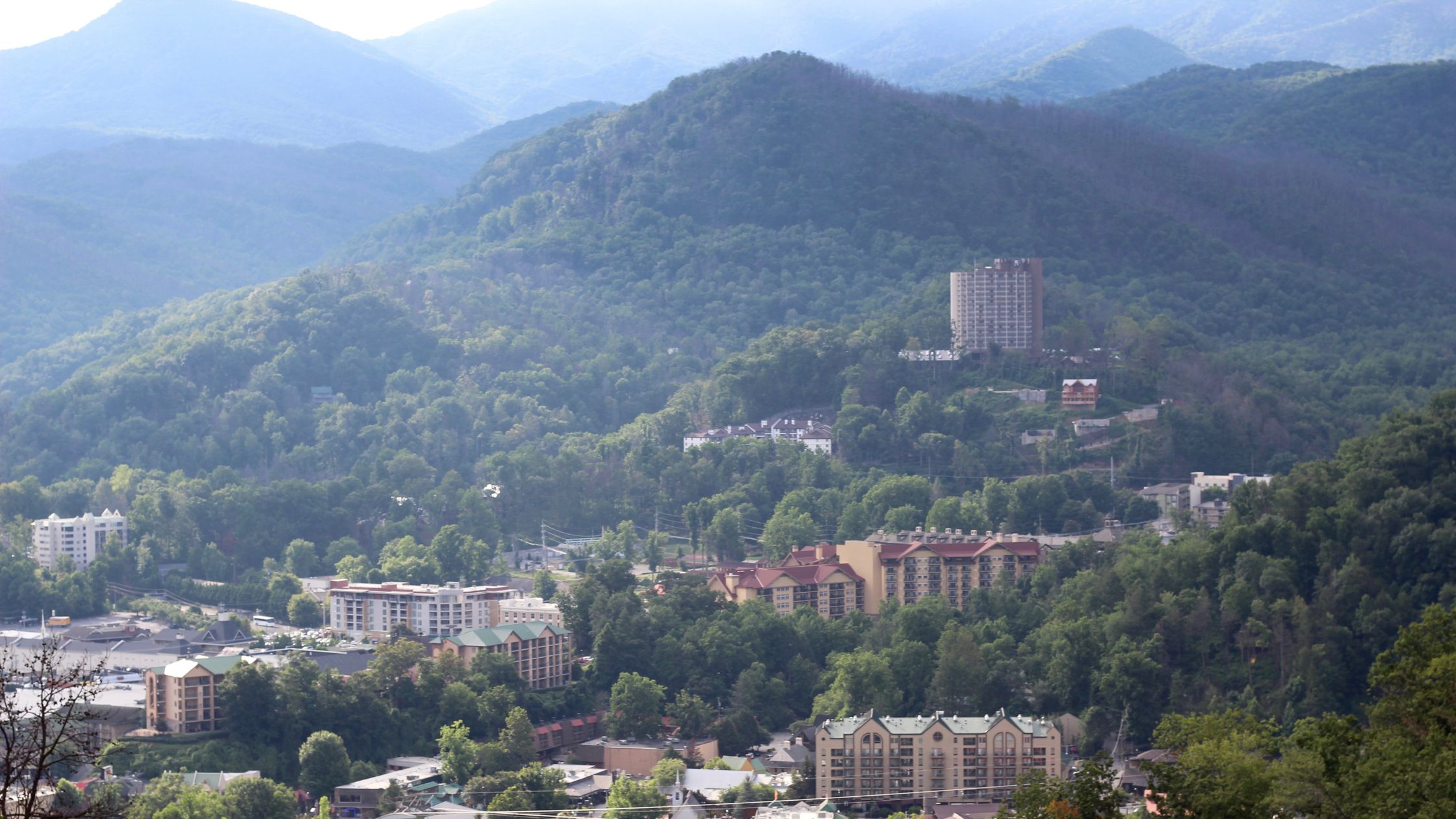
Fall in Pigeon Forge Takes It, But Summer Makes a Compelling Case
October is the honest answer. From the second week of that month through the last, the ridgelines above Pigeon Forge burn through every register of red, copper, and gold that the southern Appalachians can produce — and the town is operating at full animation without the choke-hold crowds of July.
The Little Pigeon River runs low and clear through the valley, the air drops to sweater weather by late afternoon, and you can walk the Old Mill district without negotiating a stroller gauntlet on every corner.
For most travelers asking when to visit Pigeon Forge — families, couples, outdoor enthusiasts, first-timers — the window from mid-September through late October is when the destination delivers its best.
Summer earns a genuine second-place argument, particularly for families tethered to school calendars. Dollywood at full programming, Splash Country, and Summerfest at The Island create a density of activity that fall simply cannot match. The trade-off — and it’s a real one — is heat, humidity, and the sheer scale of the crowd.
Pigeon Forge By Season
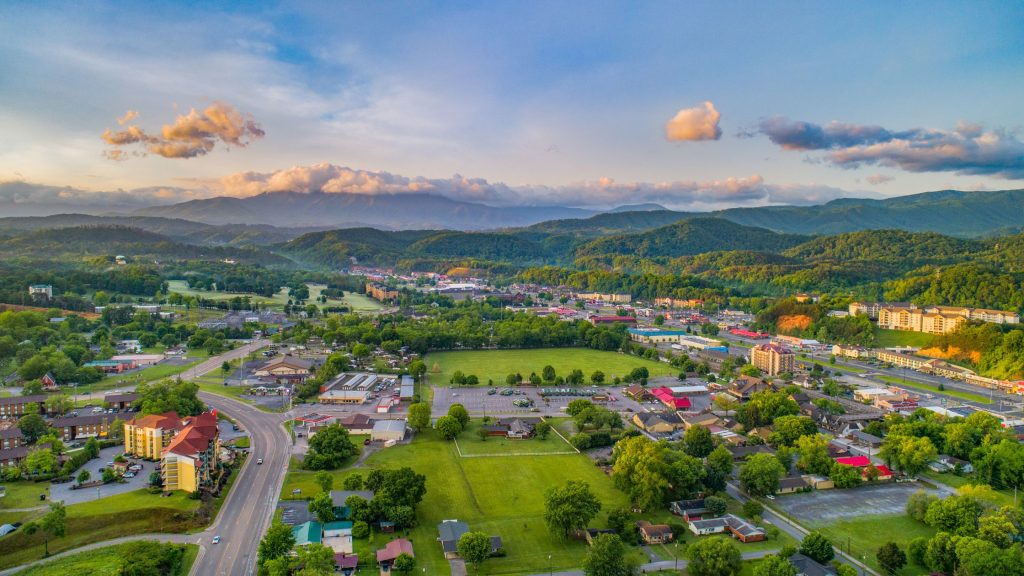
Each season has its highlights and drawbacks. We’ve compared every season, honestly, including what each costs, which events to build a trip around, and when to book your cabin to avoid the scramble
| Season | High temps | Low temps | Rain or Snow | Crowds & Prices |
| Summer (June–August) | 81–87°F (27–31°C); warmth feels oppressive by midday in July; heat index regularly exceeds 95°F (35°C) | 57–70°F (14–21°C) | July is the single rainiest month of the year | Peak crowds and prices make spontaneity difficult; the payoff is Dollywood’s full event season and a waterpark worth the wait |
| Fall (September–November) | 78°F (26°C) in September down to 55°F (13°C) by November | 63°F (17°C) to 38°F (3°C) | October is the driest month of the year in Pigeon Forge; foliage typically peaks at higher elevations in early October and rolls down to valley floor by mid-month | Crowds are significant on October weekends but manageable midweek |
| Winter (December–February) | 43–51°F (6–10°C) | 27–31°F (-3 to -1°C) | Occasional snow | Thin crowds, low prices; Dollywood’s Smoky Mountain Christmas runs through early January; Winterfest lights the entire Parkway through February; a Smoky Mountain atmosphere that’s genuinely different—quieter, stranger, more atmospheric |
| Spring (March–May) | 52°F (11°C) in March to 78°F (26°C) by May | 31°F (-1°C) to 49°F (9°C) | March is reliably wet, April less so; wildflower season in the national park peaks in late April and rivals fall for sheer visual drama—it’s simply less well known | Dollywood opens in mid-March; crowds build steadily through May |
Fall at Pigeon Forge: The Season That Earns Its Reputation

The Case for Coming Now
There is a specific two-week window — roughly October 10 through October 25 — when the southern Appalachians are operating at their visual peak and the temperature sits in that particular range where you want to be outside rather than air-conditioned. This is when Pigeon Forge justifies every superlative it has ever been given, and it’s not close. The Parkway’s absurdity (the dinner shows, the go-kart tracks, the chain restaurants) recedes against a backdrop of ridge after ridge of color, and suddenly the whole eccentric arrangement makes more sense. Come for the park and the foliage; let the town be your convenient base.
What You’ll Actually Do
The Alum Cave Trail in Great Smoky Mountains National Park — a 4.4-mile round trip from the Newfound Gap Road trailhead — delivers some of the most concentrated autumn drama in the eastern United States. The trail passes through old-growth forest, crosses Arch Rock, and crests at Alum Cave Bluffs where the color spreads across the valley below. Plan to be at the trailhead by 8:00 a.m. on October weekends; the lot fills by 9:30. Cades Cove Loop Road, 25 miles from Pigeon Forge, is equally compelling in mid-October and opens to cyclists on Wednesday and Saturday mornings before vehicles — a rare and worthwhile experience on an otherwise motor-heavy road. For a shorter excursion, the Laurel Falls Trail (2.6 miles round trip, paved) remains one of the most accessible waterfall routes in the park.
Key Events
Fall Rod Run, September 17–19, 2026, at the LeConte Center on Teaster Lane. More than 2,500 classic cars — ’57 Bel Airs, custom hot rods, restored muscle cars — line the Parkway from traffic light #0 to #10 for three days of free spectator access. The concentration of show-quality vehicles between lights #5 and #8 is where the real conversations happen. This event kicks off the fall season before foliage peaks, which means smaller crowds than October weekends, but the mountains are already beginning to turn at higher elevations. Worth building a long weekend around.
Fall Festival at The Island, September 25–October 31, 2026, runs nightly from 5 to 10 p.m. at no cost. Live acoustic sets near the fountain courtyard, harvest décor, fall-themed food specials, and extended hours on the Great Smoky Mountain Wheel. This pairs naturally with the Rod Run for an immersive fall weekend without requiring tickets or advance reservations. Arrive by 6:30 p.m. on October weekends; parking fills quickly.
Dollywood’s Harvest Festival, September 14–October 31, 2026, transforms the park with autumnal décor, fall-specific food offerings, and an after-hours Halloween event introduced for 2026 on select late-October dates. The after-hours experience is ticketed separately and is a new addition to the Dollywood calendar — worth reserving well in advance if you’re visiting in the final two weeks of October.
Accommodation Reality
A cabin sleeping four to six people in Pigeon Forge runs $180–$350 per night during the fall shoulder — midweek, mid-September through early October. Peak foliage weekends (October 10–25) typically command $280–$450 per night for equivalent properties, with premium cabins on Wears Valley Road or Upper Middle Creek — where you wake to unobstructed ridge views — reaching $550 and above. Book peak October weekends at least 8–10 weeks out. Lake.com listings near the Wears Valley Road corridor put you closest to both the national park entrance and the evening calm of The Island festival.
Something To Consider
October weekends on the Parkway are legitimately difficult. Traffic on US-441 between Pigeon Forge and Gatlinburg can add 45 minutes to what should be a 12-minute drive. If your trip is entirely Parkway-dependent, fall’s logistics may frustrate more than they delight. Midweek visits — Sunday through Wednesday — reduce this considerably.
Summer at Pigeon Forge: The Family Season, Managed Well
The Case for Coming Now
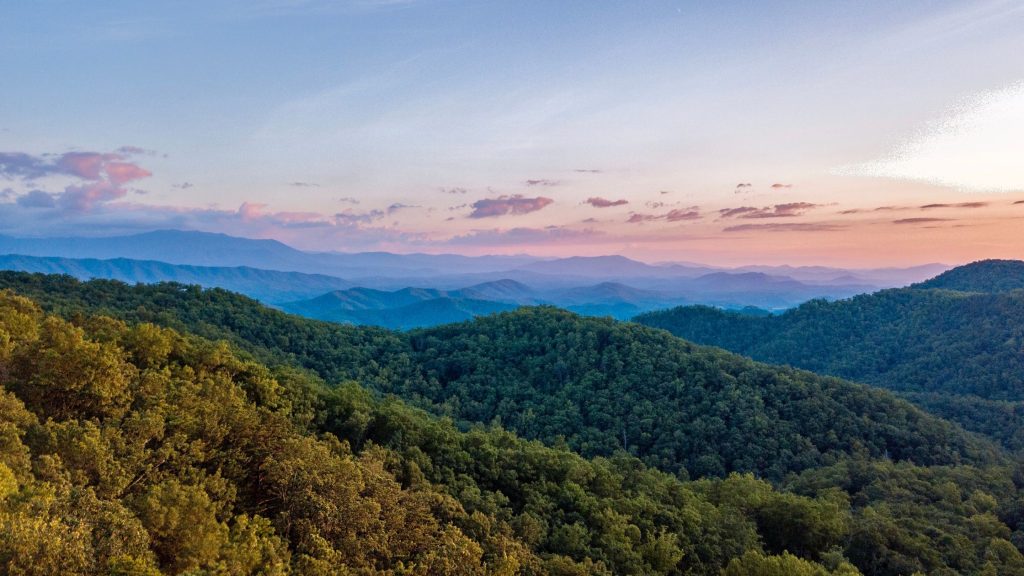
If your trip is organized around children, Pigeon Forge in June and early July offers a density of programming that no other season matches. Dollywood is running at full capacity, Splash Country is open, and nightly fireworks at The Island — the question isn’t whether there’s enough to do. The question is how to structure it so the heat and crowd don’t define the experience. The answer is mornings in the park, afternoons at Splash Country or in the cabin, evenings at The Island. The mountain elevation helps: Pigeon Forge sits at roughly 1,000 feet, and nights cool to the low-to-mid 60s°F (around 17°C) even in July.
What You’ll Actually Do
Summerfest at The Island, June 1–July 31, 2026 runs seven nights a week from 7 to 10 p.m. at no cost — synchronized fountain shows, live bands rotating through country, rock, and beach music, and fireworks at 9:30 p.m. Arrive by 7:00 p.m. to claim a spot on the lawn; parking fills by 7:15 on Friday and Saturday nights. Use the free city trolley from Patriot Park or LeConte Center overflow lots.
Grotto Falls Trail in the national park — a 2.6-mile round trip from the Roaring Fork Motor Nature Trail — is the right summer hike. It’s the only trail in the park that passes behind a waterfall, it’s shaded for the majority of its length, and the cool air near the cascade will feel earned after a July morning. Start by 8:30 a.m. to finish before midday heat.
For whitewater, Nantahala Outdoor Center (NOC) operates rafting trips on the Pigeon River outside Waterville, North Carolina — about 40 minutes east on I-40. The Upper Pigeon runs Class III–IV and is one of the most accessible commercial rafting runs in the Southeast for families with older children.
Key Events
Dollywood Summer Celebration, June 15–August 2, 2026, includes extended park hours, nightly fireworks from the park’s own vantage point, and special entertainment in a format that makes multi-day visits structurally logical. A two-day Dollywood visit organized around a morning and evening split — 9 a.m. to noon, then 5 p.m. to close — avoids the midday heat spike and reduces the experience of standing in line at the height of the afternoon sun.
Dollywood Splash Country opens May 16, 2026. The park’s signature attraction is the River Rush water coaster; arrive at opening to ride it before 45-minute waits set in by midday. Splash Country is not included in standard Dollywood admission — purchase a combo ticket in advance.
Accommodation Reality
Summer is the highest-priced season. Expect $250–$450 per night for a cabin sleeping four to six, with lakefront or mountain-view properties near Waldens Creek or the Old Mill district at the upper end. Fourth of July week and any long weekend will push prices higher and require 10–14 weeks of advance booking. For a standard midweek June stay, 6–8 weeks out is workable, but cuts close on property selection.
The Honest Trade-Off
July in Pigeon Forge is genuinely hot and genuinely crowded. The heat index exceeds 95°F (35°C) on most July afternoons, and July is also the rainiest month of the year, averaging over 4 inches of precipitation. Families who underestimate this lose a day to an afternoon thunderstorm and another to heat exhaustion. Budget for early starts and build rest time into each afternoon.
Spring at Pigeon Forge: Worth It If You Time the Wildflowers

Spring is the right season for a specific traveler: someone who wants the national park more than the Parkway, who doesn’t need Dollywood at full capacity, and who can tolerate the fact that March through mid-April is reliably wet. The Great Smoky Mountains National Park’s wildflower season — trillium, hepatica, fiddlehead fern, and eventually the flame azalea in May — rivals fall for visual drama and draws a fraction of the audience.
Sarah Nicole, founder of My Macroscopic Life, helps tourists plan better trips to the Smoky Mountains by creating destination content, publishing travel guides, and offering customized itineraries. An expert on the area, her advice for when to go to Pigeon Forge is worth its weight in gold!
“The best time to visit Pigeon Forge is late April through early May. You get mild temperatures, the flowers are blooming, and most attractions are fully open for the season. It’s a great sweet spot before peak summer crowds hit, so families can enjoy popular attractions, shows, and dining with less congestion. If you also want to visit the national park, this is a great time because Kuwohi, the highest point in the park, is open for the season.”
sarah nicole, my macroscopic life
The Music in the Mountains Spring Series (April 3–May 30, 2026) offers free live concerts at Patriot Park every Thursday evening from 6 to 8 p.m., with the informal energy of a neighborhood event rather than a manufactured festival. Accommodation runs $150–$280 per night for a four- to six-person cabin, and midweek availability is generally strong through early May. The honest limitation: Dollywood’s full event calendar doesn’t arrive until the Flower & Food Festival in late April, and March weather can be genuinely inhospitable — cold rain, occasional sleet, fog that reduces visibility in the park to near zero. Book spring 3–4 weeks out for midweek stays; April weekends book faster and warrant 5–6 weeks of lead time.
Winter at Pigeon Forge: Worth It If…
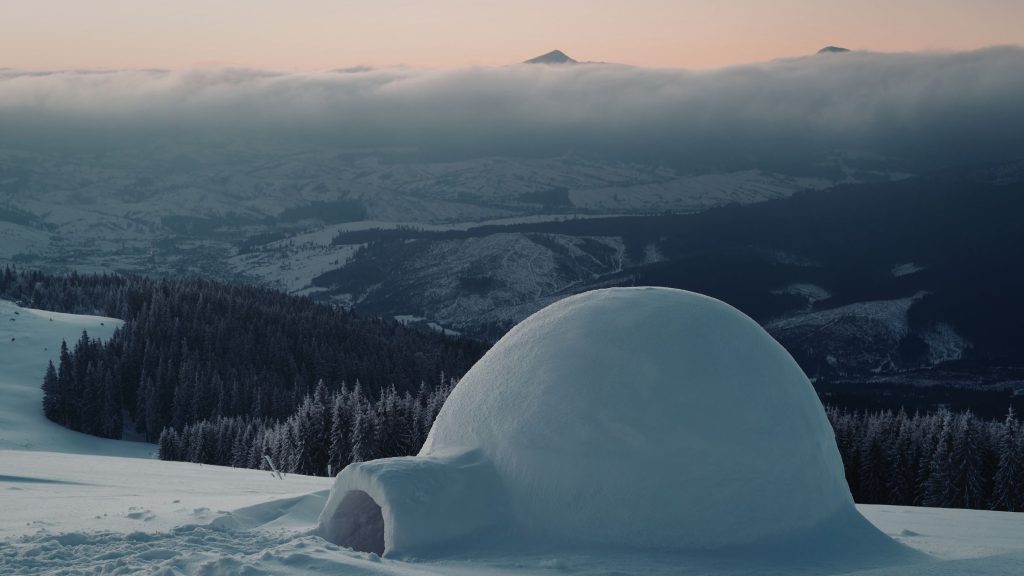
Winter belongs to a traveler who prefers a destination to themselves, who finds the off-season version of a place more revealing than the peak version, and who appreciates the particular combination of Christmas kitsch and genuine mountain quiet that Pigeon Forge offers from November through February. Wilderness Wildlife Week (historically in late January, at the Ramsey Hotel & Convention Center) offers over 50 daily events — expert-led hikes, photography workshops, wildlife panels — at no cost, drawing naturalists and photographers who form an entirely different crowd from the summer family wave. Dollywood’s Smoky Mountain Christmas runs through early January with over six million lights — an event that genuinely earns its billing as one of the Southeast’s signature holiday experiences. Cabin rates drop to $120–$220 per night; availability is rarely an issue outside of Christmas week and New Year’s. The limitation is real: Dollywood closes entirely for a significant portion of winter, several restaurants and attractions reduce hours, and the national park roads to higher elevations are subject to closure without notice after ice or snow. Winter in Pigeon Forge is not a compromise — it is a different trip. Not the right trip for everyone.
What to Know Before You Go
Getting There
McGhee Tyson Airport (TYS) in Knoxville is the primary gateway, approximately 40–45 minutes from the Pigeon Forge Parkway via US-441 South. Non-stop service arrives from most major hub cities including Atlanta, Chicago, Dallas, Charlotte, and New York. Asheville Regional Airport (AVL) in North Carolina offers an alternative at roughly 90 minutes east on I-40, with fewer direct flight options but occasionally better fares. There is no commercial shuttle service to Pigeon Forge; a rental car or rideshare is essential. US-441 (the Parkway) is the main corridor through town — the same road where most events, restaurants, and attractions are located. During peak October weekends, treat it as a parking lot rather than a road and plan accordingly.
Where to Stay
Vacation rentals — particularly private cabins — are the dominant lodging format in Pigeon Forge and the surrounding Smokies, and they represent the best value for groups of four or more. Cabins along the Wears Valley Road corridor offer the most direct access to the national park’s western entrances and the most consistent mountain views. Properties near the Old Mill district and Waldens Creek put you within easy walking distance of the Parkway’s dining and evening activities. Lake.com’s Pigeon Forge vacation rentals span one-bedroom romantic cabins to large-group properties sleeping twelve or more, typically ranging from $150 to $500+ per night depending on season and amenity level. Traditional hotels exist along the Parkway but offer little advantage over cabin rentals for most trip types.
Booking Lead Times by Season
For peak October foliage weekends (October 10–25), book 8–10 weeks in advance. The best-located cabins with genuine mountain views go first. For the Fall Rod Run weekend (September 17–19), 6–8 weeks is the safe window. For July 4th week and any summer holiday weekend, 10–14 weeks is not excessive. Spring midweek stays in April or May can often be secured 3–4 weeks out. Winter offers the most flexibility — outside of Christmas week (book 8 weeks out) and New Year’s, a two-to-three week lead time is workable for most property types.
Insider Tips for Pigeon Forge
The local move on the Parkway: Traffic light #3 (Wears Valley Road intersection) is where locals turn to bypass the Parkway’s worst congestion. Wears Valley Road runs parallel to US-441 for several miles and reconnects closer to Gatlinburg — a 12-minute alternate that can save 40 minutes on a Saturday in October. Save it in your navigation before you arrive.
Don’t overlook the Old Mill district: The block around the 1830 Old Mill on Old Mill Avenue — the actual working gristmill, not the gift shop version — is the one part of Pigeon Forge with genuine historical texture. The mill still grinds corn on a water wheel; you can buy the grits. Immediately adjacent, the Old Mill Pottery House Café is where you eat grits properly, without the theatre of the Parkway. It’s a 10-minute walk from the Great Smoky Mountain Wheel, and almost nobody makes the detour.
Skip Clingmans Dome on a weekend: The drive to the highest point in the national park — a 7-mile spur off Newfound Gap Road — is genuinely impressive, but the summit parking lot holds roughly 100 cars and fills to capacity by 9:30 a.m. on fall weekends. Visit on a Tuesday or Wednesday morning or accept that the view from Alum Cave Bluffs, which you can access by a longer but far less contested trail, is nearly equivalent.
Practical note — the trolley system is underused: The Pigeon Forge Trolley runs the full length of the Parkway and connects to most major attraction areas, including The Island and LeConte Center, for $0.50 per ride. During the Fall Rod Run and peak October weekends, it is genuinely faster than driving the Parkway and eliminates the parking problem entirely. The Patriot Park and LeConte Center overflow lots are the boarding points for most routes.
The Little Pigeon River doesn’t ask much of you — it runs shallow and quiet along the eastern edge of town through most of the year, and if you find it at 7:00 a.m. on an October morning before the Parkway wakes up, the light on the water and the color on the ridge above are a reminder of what the Smokies were before any of it was built. A cabin on Wears Valley Road’s western ridge puts you five minutes from that river and ten minutes from a national park trail — the closest you’ll get to the version of this place that keeps people coming back.


