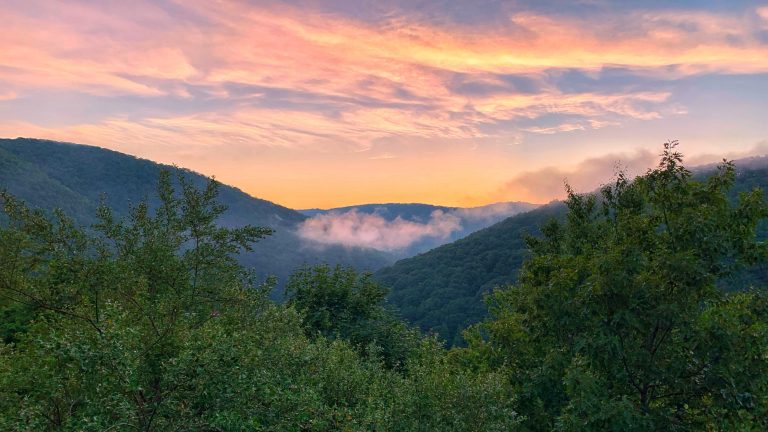
Things to do Around Lake Superior: Top Activities and Attractions

things to do around lake superior
Get started

Lake Superior in 2026: Where Wilderness Meets Wonder

Picture yourself standing at the edge of North America’s greatest freshwater lake, where crystalline waves crash against ancient cliffs and endless forests stretch toward horizons that blur the line between water and sky.

Lake Superior, the largest, deepest, and coldest of the Great Lakes, beckons adventurers, romantics, families, and wanderers to discover a landscape so pristine and vast that it feels like stepping into another world entirely.

In 2026, this legendary body of water continues to captivate travelers with its dramatic shorelines, hidden coves, and charming lakeside communities that pulse with maritime heritage and contemporary creative energy.

Spanning 31,700 square miles across Minnesota, Wisconsin, Michigan, and Ontario, Lake Superior holds ten percent of the world’s fresh surface water within its sapphire depths. But beyond its impressive statistics lies an invitation: to explore coastal trails where black bears forage for berries, to kayak past towering sandstone cliffs painted in mineral rainbows, to warm yourself by crackling fires in historic lighthouses, and to discover towns where Finnish saunas share main streets with artisan coffee roasters and independent bookshops.

From the thundering cascades of Kakabeka Falls to the serene beauty of the Apostle Islands, from the vibrant cultural scene in Duluth to the rugged wilderness of Isle Royale, you’ll find adventures that inspire, landscapes that astound, and memories that endure long after you’ve returned home.

Ready to explore? Let’s dive into the crystalline waters and evergreen forests of Lake Superior—where every shoreline tells a story, and every sunset paints a masterpiece across the world’s greatest lake.

Must-Visit Cities and Hidden Gems

things to do around lake superior x

What Are the Best Small Towns Near Lake Superior?

While Duluth, Minnesota, and Thunder Bay, Ontario, serve as the region’s bustling gateways with their museums, restaurants, and cultural attractions, Lake Superior’s true character emerges in the intimate lakeside towns scattered along its 2,726-mile coastline. These hidden gems offer authentic experiences, stunning natural beauty, and a relaxed pace that lets you truly absorb the lake’s majesty.

Grand Marais, Minnesota (Fly into Duluth International Airport, then drive 110 miles northeast along Highway 61)

Nestled where the Sawtooth Mountains meet Superior’s North Shore, Grand Marais feels like the northwoods’ creative capital. This artist colony of just 1,400 residents punches far above its weight, offering world-class dining at Gunflint Tavern, browsing at the legendary Drury Lane Books, and gallery-hopping through studios showcasing everything from birch bark basketry to contemporary landscape paintings. The harbor—protected by a picturesque lighthouse—invites you to watch fishing boats unload their daily catch while harbor seals bob curiously nearby. Within minutes, you can hike the rocky coastline of Artist’s Point, paddle across pristine inland lakes accessed via the Gunflint Trail, or explore Judge C.R. Magney State Park, home to the mysterious Devil’s Kettle waterfall that has baffled scientists for generations.

Why visit? Grand Marais perfectly balances outdoor adventure with artistic sophistication, offering cozy accommodations, farm-to-table restaurants featuring local whitefish and wild rice, and a community calendar packed with festivals celebrating everything from Nordic skiing to bluegrass music. The town serves as your gateway to the legendary Boundary Waters Canoe Area Wilderness, while maintaining the creature comforts that make base-camping here an absolute pleasure.

Bayfield, Wisconsin (Fly into Duluth International Airport, then drive 90 miles east via Highway 2)

This Victorian-era gem of 600 residents sits poised on a hillside overlooking the magnificent Apostle Islands archipelago, where 21 islands adorned with sea caves, lighthouses, and old-growth forests create a paddler’s paradise. Bayfield’s charming downtown features historic storefronts housing galleries, boutiques, and the beloved Big Water Coffee Roasters, where locals gather for sustainably sourced espresso and fresh-baked cardamom rolls. The Bayfield Maritime Museum illuminates the region’s shipbuilding and fishing heritage, while numerous orchards surrounding town produce the cherries, apples, and strawberries celebrated during seasonal harvest festivals.

Embark from Bayfield’s marina aboard the Apostle Islands Cruise Service to explore sea caves carved by millennia of waves, kayak among the islands’ protected waters, or catch the Madeline Island Ferry for day trips to Wisconsin’s only inhabited Apostle Island, where art galleries, sandy beaches, and the historic La Pointe village await discovery. In winter, when Superior freezes solid, intrepid visitors trek across the ice to explore mainland sea caves transformed into glittering ice cathedrals adorned with frozen waterfalls and icicle chandeliers that sparkle like diamonds.

Why visit? Bayfield offers unparalleled access to one of America’s most spectacular national lakeshores while maintaining small-town charm and sophistication. The abundance of locally owned inns, farm-to-table restaurants, and outdoor outfitters makes this an ideal base for exploring the Apostle Islands, whether you’re paddling, sailing, or simply savoring the view with a glass of local wine from one of the nearby vineyards.

Marquette, Michigan (Fly into Sawyer International Airport in Marquette or drive 100 miles from Green Bay)

Michigan’s Upper Peninsula crown jewel, Marquette blends college-town energy with serious outdoor credentials. Home to Northern Michigan University and a vibrant population of 21,000, this lakeside city serves up Superior’s best urban-wilderness fusion. Downtown’s Third Street corridor buzzes with microbreweries like Blackrocks Brewery, independent bookstores, and restaurants showcasing pasties (the region’s beloved meat pies) alongside contemporary cuisine. Presque Isle Park—an undeveloped 323-acre wilderness peninsula—juts into Superior just north of downtown, offering rocky beaches, old-growth forests, and observation points where you can watch lake waves crash against ancient volcanic rock formations.

The Iron Ore Heritage Trail provides 47 miles of paved biking from Marquette to Republic, passing through forests, wetlands, and abandoned mining sites that tell the story of the region’s industrial past. In winter, Marquette Mountain offers downhill skiing, while countless miles of groomed trails accommodate cross-country skiers and fat-tire bikers. The historic South Beach and McCarty’s Cove provide swimming and sunbathing when summer temperatures make Superior’s waters just barely tolerable for brave swimmers.

National and State Parks: Lake Superior’s Natural Treasures

Where Can I Find the Most Spectacular Hiking Around Lake Superior?

Lake Superior’s shoreline boasts some of North America’s most dramatic and diverse state and national parks, where ancient volcanic rock meets pristine forests and waterfalls thunder into moss-draped gorges. Whether you’re seeking gentle lakeside strolls or challenging backcountry treks, these protected landscapes deliver unforgettable encounters with wilderness.

Pictured Rocks National Lakeshore, Michigan

Stretching 42 miles along Superior’s southern shore, Pictured Rocks National Lakeshore showcases nature’s artistry on a monumental scale. Towering sandstone cliffs rise 200 feet above the lake, their faces painted in bands of copper, iron, manganese, and limonite, creating natural murals in rust, cream, pink, and turquoise. The Chapel Rock formation—a massive, mushroom-shaped rock pillar crowned by an impossibly tall living pine tree—has become an iconic symbol of Superior’s north coast. Miners Beach and Sand Point offer pristine swimming and camping, while Mosquito Falls, Chapel Falls, and numerous other cascades tumble through lush forests.

The 42-mile Lakeshore Trail challenges backpackers with rugged terrain and spectacular vistas, though day hikers can sample sections like the Chapel Loop or access points near Munising. Kayakers consider Pictured Rocks essential paddling, where you can float directly beneath the painted cliffs and explore sea caves while watching for the occasional black bear fishing along the shoreline. Boat tours from Munising provide access for those who prefer viewing the cliffs from water level without wielding a paddle.

Best time to visit: Late June through September offers the warmest weather and full access. October brings spectacular fall colors, though services begin closing. Winter transforms the cliffs into ice sculptures, but requires serious cold-weather preparation.

Tettegouche State Park, Minnesota

This 9,346-acre park on Minnesota’s North Shore exemplifies Superior’s rugged character, where the Baptism River plunges 60 feet over High Falls—Minnesota’s highest waterfall—before rushing through a deep gorge to meet the lake. Tettegouche’s hiking trails range from the easy 1.5-mile Shovel Point Trail, which offers spectacular cliff-top views of the lake, to the challenging 4-mile loop that incorporates Raven Rock overlook and connects to the Superior Hiking Trail.

The park’s four inland lakes—Mic Mac, Nicado, Nipisiquit, and Tettegouche—provide excellent fishing for northern pike and smallmouth bass, while the historic logging camp buildings tell stories of the region’s timber industry past. Rock climbers test their skills on Palisade Head, a 200-foot sheer rock face rising directly from Superior’s waters just south of the park, offering some of the region’s most challenging and scenic climbing routes.

For an unforgettable experience, reserve one of the park’s four remote walk-in campsites perched on cliff edges overlooking Superior, where you’ll fall asleep to waves crashing on rocks far below and wake to sunrise painting the endless lake in shades of rose and gold.

Best time to visit: May through October for hiking and camping. January through March for Nordic skiing and snowshoeing, though some facilities close seasonally.

Lake Superior Provincial Park, Ontario

Straddling 60 miles of Ontario’s rugged eastern Superior shore, this 390,000-acre wilderness park encompasses pristine beaches, ancient Pictograph sites, and the iconic Agawa Rock—where Ojibwe artists painted ochre images on cliffsides centuries ago, creating a sacred site that continues to resonate with spiritual power. The Coastal Trail stretches 40 miles from one end of the park to the other, offering backpackers a multi-day adventure through boreal forests where moose browse on aquatic plants and wolves howl under northern stars.

Day hikers enjoy options ranging from the easy Katherine Cove boardwalk to the moderately challenging Orphan Lake Trail, which climbs through hardwood forests to a pristine inland lake ringed by ancient cliffs. The Nokomis Trail leads to a spectacular lookout 300 feet above Superior, where on clear days you can see the Michigan shore 40 miles to the south. Sand River and Old Woman Bay provide excellent car camping with beach access, while numerous backcountry sites accommodate adventurous campers seeking solitude.

Paddlers find endless opportunities exploring protected coves and island-dotted bays, though Superior’s unpredictable weather demands respect and proper safety equipment. The park’s interpretive programs include guided Pictograph viewings, natural history talks, and night sky presentations beneath some of Ontario’s darkest skies.

Best time to visit: June through September for full access and warmest weather. Late September and early October deliver spectacular fall colors, particularly spectacular in the park’s maple forests.

Isle Royale National Park, Michigan

This roadless wilderness island—accessible only by seaplane or passenger ferry from Michigan or Minnesota—represents Lake Superior at its most pristine and remote. The 45-mile-long island supports one of North America’s most studied predator-prey relationships, where gray wolves hunt moose populations that have evolved in isolation for thousands of years. Over 165 miles of hiking trails crisscross the island, from coastal routes along rocky beaches to inland paths traversing ridgelines and connecting the island’s numerous inland lakes.

Backpackers typically spend 3-7 days exploring Isle Royale, camping at designated sites and practicing strict Leave No Trace principles to protect this fragile ecosystem. Day visitors arriving on the ferry from Copper Harbor or Grand Portage can explore the Rock Harbor area, tour the historic Edisen Fishery, snorkel above the Algoma shipwreck in clear waters near Rock Harbor Lodge, or simply bask in the profound silence of true wilderness.

The island’s complete lack of development means planning is essential: reserve ferry passage and campsite permits well in advance, prepare for sudden weather changes, bring all necessary gear and supplies, and accept that cell service is nonexistent. Those willing to embrace Isle Royale’s challenges discover one of America’s least-visited national parks, where solitude, wildlife encounters, and pristine beauty reward the journey.

Best time to visit: Late June through early September, as the park closes entirely from November through mid-April and operates limited schedules during the shoulder seasons.

Pukaskwa National Park, Ontario

Canada’s only wilderness national park on the Great Lakes, Pukaskwa (pronounced “PUK-a-saw”) protects 725 square miles of untouched boreal forest, rugged coastline, and remote beaches along Superior’s northeastern shore. The Coastal Hiking Trail offers a challenging 60-kilometer trek through genuine backcountry, where you’ll ford rivers, scramble over rocky headlands, and camp on remote beaches visited by caribou and black bears.

For less extreme adventures, the 1.5-kilometer Manido Miinse (Spirit Islet) Trail provides stunning coastal views accessible to most fitness levels, while the 7-kilometer South Beach Trail leads to a beautiful crescent beach perfect for picnicking. The park’s southern rivers—White, Cascade, and Willow—offer excellent paddling when water levels permit, though these routes demand advanced skills and careful planning.

Pukaskwa’s remoteness means limited services and facilities, creating an authentic wilderness experience increasingly rare in modern national parks. The park’s interpretation programs focus on the Ojibwe peoples’ relationship with this landscape, including the mysterious Pukaskwa Pits—ancient stone structures whose purpose remains debated by archaeologists.

Best time to visit: Late June through early September for hiking and camping. The park remains technically open year-round, though winter access requires advanced skills and serious cold-weather preparation.

Hidden Natural Gem: Slate Islands Provincial Park, Ontario

Accessible only by boat from Terrace Bay, this cluster of offshore islands supports a unique ecosystem including a herd of woodland caribou descended from animals that crossed the ice from the mainland decades ago. The islands’ exposed bedrock, stunted forests, and pristine beaches create otherworldly landscapes that reward adventurous paddlers and sailors willing to make the crossing. Primitive camping is permitted, though visitors must be entirely self-sufficient and prepared for Superior’s famously fickle weather.

Best Places for Watersports: Lakes, Rivers, and Endless Horizons

What Water Activities Can I Enjoy on Lake Superior?

Lake Superior’s 31,700 square miles of crystalline water create an aquatic playground unmatched anywhere in the freshwater world. From gentle paddling in protected harbors to challenging whitewater rapids on tributaries, Superior and its surrounding waterways offer experiences for every skill level and interest.

Top Lake Destinations for Paddling and Sailing

Superior’s main waters—averaging 480 feet deep and dropping to 1,332 feet at its deepest point—maintain temperatures between 32-55°F even in summer, making swimming an adventure reserved for the brave. However, the lake’s protected bays, harbors, and nearshore waters create ideal conditions for kayaking, stand-up paddleboarding, and sailing from May through October.

The Apostle Islands Sea Caves near Bayfield rank among North America’s premier kayaking destinations, where you paddle through arched caves carved into ancient sandstone cliffs, their ceilings adorned with ferns and swallows’ nests. Numerous outfitters in Bayfield rent kayaks and provide guided tours ranging from half-day paddles to multi-day island-hopping adventures with camping on remote beaches.

Burlington Bay in Two Harbors, Minnesota, offers gentler paddling suitable for beginners, with kayak and paddleboard rentals available near the historic Split Rock Lighthouse. The protected waters allow you to explore the bay’s rocky shoreline and small islands while enjoying spectacular views of Split Rock perched on its cliff 130 feet above the waves.

Grand Marais Harbor provides another excellent paddling venue, where you can launch from the public beach and explore the harbor’s breakwaters and lighthouse before paddling along the rocky coastline toward Artist’s Point. Local outfitters offer paddleboard rentals and lessons, plus guided moonlight paddles during summer full moons.

Rivers and Rapids: Whitewater Adventures

Superior’s tributary rivers offer some of the Midwest’s finest whitewater paddling, particularly during spring runoff when snowmelt sends torrents rushing toward the lake through ancient basalt gorges and over dramatic waterfalls.

The White River near Lake Superior Provincial Park provides challenging Class II-III rapids suitable for intermediate kayakers and rafters, with several outfitters in Wawa offering guided trips and equipment rentals. The river’s remote setting means you’ll likely encounter moose, eagles, and other wildlife while navigating through pristine boreal forest.

The Brule River in northern Wisconsin flows peacefully through most of its length before accelerating into the Class II-III rapids of the Brule River Gorge just before meeting Superior. This scenic float combines gentle paddling through pine forests with exciting whitewater, creating an ideal day trip for paddlers seeking variety. The nearby Judge C.R. Magney State Park offers access points and picnic facilities.

For advanced paddlers, the Baptism River in Tettegouche State Park provides technical Class IV-V drops during spring runoff, though these challenging rapids should only be attempted by experienced whitewater kayakers with proper safety equipment and support. The river’s dramatic High Falls—while impassable to paddlers—provides a stunning destination for hikers.

Beaches and Swimming Holes

While Superior’s cold temperatures limit swimming to brief refreshing dips for most visitors, several beaches offer sandy shores, warming shallow waters, and facilities that make them excellent summer destinations for families and sun-seekers.

Park Point in Duluth stretches 7 miles between Superior and the St. Louis River estuary, creating Minnesota’s longest freshwater sandbar. The beach here warms faster than open lake areas, with designated swimming areas, bathrooms, picnic pavilions, and ample parking. On hot summer days, Park Point becomes Duluth’s de facto beach party scene, with volleyball games, barbecues, and sunset gatherings.

The Palisade Head area near Silver Bay offers several small beaches nestled between dramatic rocky headlands, where you can swim in relatively protected waters while enjoying spectacular scenery. These beaches lack facilities, so bring everything you need for the day.

Gooseberry Falls State Park maintains a pebble beach at the mouth of the Gooseberry River, where the inflowing river water creates a slightly warmer swimming area. The beach serves as an excellent base for exploring the park’s five waterfalls and numerous hiking trails.

Fishing: Trout, Salmon, and Lake Monsters

Superior’s cold, clear waters support populations of lake trout, coho salmon, chinook salmon, and brook trout that attract anglers from around the world. Charter boats operating from Duluth, Two Harbors, Grand Marais, Bayfield, and Marquette offer half-day and full-day fishing expeditions targeting these species, providing all necessary equipment, licenses, and expertise.

Shore fishing produces catches of brook trout in tributary streams, particularly during spring and fall runs, while fly-fishers work rivers like the Bois Brule, Baptism, and Cascade for brook trout and occasional steelhead. Many North Shore rivers maintain catch-and-release regulations to protect fragile wild populations.

Ice fishing gains popularity during winter months when hardy anglers brave bitter temperatures to jig for lake trout through holes drilled in two-foot-thick ice. Several guide services offer heated ice houses and all necessary equipment for those wanting to try this quintessential north-country experience.

Waterfront Attractions and Sunset Cruises

Canal Park in Duluth combines lakefront promenades, the historic Aerial Lift Bridge, ship-watching opportunities, and numerous restaurants and shops into one of Superior’s most popular destinations. Watch massive freighters navigate the canal just feet from shore, visit the Great Lakes Aquarium to learn about Superior’s underwater ecosystem, or simply stroll the boardwalk while enjoying ice cream from Portland Malt Shoppe.

Sunset cruises on traditional tall ships or modern tour boats operate from several ports around the lake. The Vista Fleet in Duluth offers narrated harbor tours, while smaller operators in Bayfield, Grand Marais, and Marquette provide intimate sailing experiences where you can help raise the sails or simply relax with wine while the sun melts into the endless horizon.

Safety Considerations

Superior’s legendary unpredictability demands respect and preparation. The lake generates its own weather systems, creating conditions that can change from calm to life-threatening within minutes. Always check marine forecasts before heading out, never venture onto the lake in small boats without proper safety equipment including life jackets and communication devices, and be prepared to cancel or cut short any water activities if conditions deteriorate. Superior’s cold water can induce hypothermia within minutes, making proper clothing and safety precautions essential even during summer months.

Legendary Locations: Superior’s Most Iconic Destinations

What Are Lake Superior’s Can’t-Miss Landmarks?

Certain locations around Lake Superior have achieved legendary status through their natural grandeur, historical significance, or sheer photogenic perfection. These iconic landmarks draw visitors from around the world and define the Lake Superior experience for many travelers.

Split Rock Lighthouse, Minnesota

Perched dramatically on a volcanic cliff 130 feet above Superior’s waters, Split Rock Lighthouse stands as the north coast’s most recognizable and photographed landmark. Built in 1910 after a devastating storm destroyed multiple ships, the lighthouse guided vessels along this treacherous shoreline until 1969. Today, the beautifully restored complex—managed by the Minnesota Historical Society—includes the lighthouse tower, fog signal building, keeper’s house, and visitor center, all preserved to showcase early 20th-century lighthouse operations.

Visitors can tour the lighthouse tower during summer months, climb to the beacon room for spectacular lake views, explore exhibits detailing shipwrecks and lighthouse keeping, and hike the several miles of trails traversing the property’s rocky shoreline and forested hillsides. The lighthouse beacon lights each November 10 to commemorate the 1975 sinking of the Edmund Fitzgerald and honor all mariners who’ve lost their lives on Superior’s unforgiving waters.

The dramatic setting—where lighthouse, cliff, and endless lake compose into perfect visual harmony—makes Split Rock irresistible to photographers, particularly at sunset when golden light washes the cream-colored tower while Superior stretches blue-purple toward the horizon. Location: Highway 61 near Two Harbors, Minnesota. Open year-round with seasonal hours; admission fee required.

Tahquamenon Falls, Michigan

The Tahquamenon River tumbles over two spectacular waterfalls before emptying into Whitefish Bay at Superior’s southeastern corner. The Upper Falls plunges nearly 50 feet over a 200-foot-wide ledge, creating one of the largest waterfalls east of the Mississippi River. The water’s amber color—caused by tannins leached from upstream cedar swamps—gives the falls distinctive character, particularly dramatic when spring runoff sends maximum water volume thundering over the precipice.

Four miles downstream, the Lower Falls splits into multiple channels around a wooded island, creating a series of smaller cascades and pool-and-drop sequences perfect for exploring. During summer, adventurous visitors can rent rowboats to reach the island, where trails provide close-up views of the falls from multiple angles and picnic areas invite you to spend hours savoring this beautiful spot.

Tahquamenon Falls State Park maintains excellent facilities including camping, hiking trails, and the Tahquamenon Falls Brewery & Pub, where you can enjoy craft beer and whitefish sandwiches while watching the Lower Falls from the restaurant’s deck. Winter transforms the falls into ice sculptures and opens the park to cross-country skiing and snowshoeing. Location: 25 miles west of Paradise, Michigan, via Highway 123. Park admission fee required; open year-round.

Kakabeka Falls, Ontario

Known as the “Niagara of the North,” Kakabeka Falls drops 130 feet over the edge of an ancient lava flow, creating northwestern Ontario’s highest waterfall. The Kaministiquia River flows relatively peacefully until reaching this dramatic precipice, where thousands of years of erosion have carved a deep gorge and created viewing platforms that put you at eye level with the falls’ powerful plunge.

The provincial park surrounding Kakabeka offers camping, hiking trails ranging from easy boardwalks to challenging backcountry routes, and interpretive programs explaining the area’s geology and the tragic legend of Green Mantle—an Ojibwe woman who allegedly sacrificed herself by leading enemy warriors over the falls. In winter, the falls partially freeze, creating enormous ice formations that attract ice climbers from across North America.

Kakabeka’s proximity to Thunder Bay (just 18 miles west) makes it an easy day trip from Ontario’s largest Lake Superior city, though the park’s campgrounds and facilities encourage longer stays. The combination of spectacular falls, excellent hiking, and substantial infrastructure makes Kakabeka one of Superior’s most visitor-friendly natural landmarks. Location: Highway 11/17 west of Thunder Bay. Park admission fee required; open year-round with seasonal services.

The Sleeping Giant, Ontario

This massive peninsula formation extends into Lake Superior from the Ontario shore near Thunder Bay, its profile resembling a sleeping human figure when viewed from the city. According to Ojibwe legend, the formation represents the sleeping giant Nanabijou, who turned to stone while guarding the location of a secret silver mine. Whether you believe the legend or simply appreciate the geological wonder of basalt cliffs rising 800 feet above the lake, Sleeping Giant Provincial Park offers some of Superior’s finest backcountry hiking.

The 25-mile Top of the Giant Trail challenges fit hikers with steep climbs, rocky scrambles, and spectacular payoffs including the summit viewpoint and the Sea Lion rock formation. The park’s southwestern shore features the historic Silver Islet community—once the world’s richest silver mine—where a tiny community perches on a rocky outcrop barely above lake level. Several shorter trails provide excellent day hikes, while the park’s campgrounds and cabins serve as comfortable base camps for exploring.

Access to Sleeping Giant requires driving the scenic Highway 587 from Thunder Bay, a journey that’s part of the experience as the road winds through boreal forests with frequent lake vistas. The park’s relative remoteness means fewer crowds than some Superior destinations, rewarding visitors with more solitude and genuine wilderness experiences. Location: 60 kilometers from Thunder Bay via Highway 587. Park admission required; open year-round with winter access limitations.

Agawa Rock Pictographs, Ontario

Hidden along a remote stretch of Lake Superior’s eastern shore within Lake Superior Provincial Park, ancient ochre paintings decorate a sheer cliff face rising directly from deep water. These sacred images—created by Ojibwe artists over centuries—depict spiritual visions including Mishipeshu (the great lynx water spirit), canoes crossing the lake, and shamanic symbols whose meanings remain partially mysterious even today.

Viewing the Pictographs requires careful timing: the viewing platform becomes accessible only when lake levels drop low enough to expose the narrow rock ledge running along the base of the cliff. Even then, visitors must navigate a chain-assisted scramble along wet rocks, making the journey moderately challenging and weather-dependent. The park restricts viewing during high wave conditions for safety.

The spiritual significance of these images transcends their artistic merit. For Ojibwe peoples, Agawa Rock remains a sacred site deserving reverence and respect. Visitors should approach quietly, refrain from touching the fragile pictographs (oils from skin cause deterioration), and consider the profound connection to spiritual beliefs these paintings represent. Location: Within Lake Superior Provincial Park, accessible via Highway 17. Park admission required; pictograph viewing is weather and lake-level-dependent.

Historical Landmarks: Stories Written in Stone and Steel

What Historical Sites Tell Lake Superior’s Story?

Lake Superior’s history encompasses Indigenous peoples who’ve lived along its shores for millennia, European explorers seeking the Northwest Passage, fur traders who connected continental trade networks, miners who extracted copper and iron from ancient rock, and mariners who’ve battled the lake’s legendary storms. Numerous historical sites preserve and interpret these interconnected stories.

Grand Portage National Monument, Minnesota

This reconstructed fur trade depot sits at the northeastern tip of Minnesota, where the Grand Portage—an 8.5-mile trail around impassable waterfalls—connected Lake Superior to interior waterways leading toward the Canadian west. Between 1784 and 1803, the North West Company based its summer operations here, where voyageurs, Ojibwe traders, and company partners gathered each July for the “Rendezvous,” an annual gathering that mixed business negotiations with legendary celebrations.

Today’s monument recreates the Great Hall, kitchen, warehouses, and stockade while interpreting both the fur trade era and the Ojibwe peoples’ enduring connection to this landscape. Costumed interpreters demonstrate birch bark canoe construction, voyageur portaging techniques, and 18th-century cooking methods. The challenging Grand Portage Trail—still hikeable today—follows the historic route through forests and across creeks, ending at Fort Charlotte on the Pigeon River.

The monument’s annual Rendezvous celebration, held each August, recreates the historic gathering with authentic period camping, traditional Ojibwe singing and dancing, voyageur competitions, and demonstrations of historic crafts and skills. Location: Highway 61 northeast of Grand Marais, Minnesota. Free admission; open late May through early October.

Great Lakes Shipwreck Museum, Michigan

Perched at Whitefish Point—the eastern entrance to Lake Superior where hundreds of vessels have met disaster—this evocative museum tells the stories of ships and sailors lost to Superior’s fury. The museum’s centerpiece exhibition focuses on the Edmund Fitzgerald, the 729-foot ore carrier that sank with all 29 crew members during a November 1975 storm, becoming the lake’s most famous maritime disaster, thanks in part to Gordon Lightfoot’s haunting ballad.

Artifacts recovered from the Fitzgerald—including the ship’s bell, brought up in a 1995 dive and exchanged for a replica bell inscribed with all crew members’ names—create powerful connections to that tragic night. Additional exhibits cover other significant shipwrecks, including the Chippewa, Edmund Fitzgerald, and numerous others, while the working lighthouse and Whitefish Point Bird Observatory add layers to the site’s interpretive offerings.

The museum’s location at land’s end—where Superior’s full fury can be witnessed during storms—heightens the emotional impact of shipwreck stories. On peaceful summer days, you can walk the beach while contemplating the hundreds of vessels that never made it past this point. On November 10, the museum hosts the annual Edmund Fitzgerald memorial service, ringing the ship’s bell 29 times and reading each crew member’s name. Location: Whitefish Point, Paradise, Michigan. Admission fee required; open May through October.

Glensheen Mansion, Duluth, Minnesota

This 39-room Jacobean Revival mansion—built between 1905 and 1908 for mining baron Chester Congdon—showcases Gilded Age grandeur and tells stories of the wealth extracted from Superior’s iron ranges and copper country. The mansion’s original furnishings, elegant public rooms, servants’ quarters, and carriage house remain remarkably intact, creating an authentic time capsule of early 20th-century luxury.

Tours explore both the mansion’s architectural and decorative splendor and the darker history of the 1977 murders of Elisabeth Congdon and her nurse, crimes that shocked Duluth and generated ongoing public fascination. The mansion grounds feature formal gardens, a clay tennis court, and lake views that explain why this location commanded premium real estate value.

Different tour options focus on architecture, family history, or the murder case, allowing visitors to choose their areas of interest. The mansion also hosts special events, including vintage fashion shows, holiday decorating tours, and garden parties. Location: 3300 London Road, Duluth, Minnesota. Admission fee required; tours available year-round.

Fort William Historical Park, Thunder Bay, Ontario

This living history museum recreates the North West Company’s 1815-era inland headquarters, where the fur trade network connecting Montreal to the Canadian northwest converged. The reconstructed fort complex includes 57 buildings, populated by costumed interpreters portraying voyageurs, Native traders, craftspeople, and company officials, as they go about daily life in the height of the fur trade era.

Visitors can watch birch bark canoe construction, help prepare traditional bannock bread over open fires, witness the blacksmith forge tools and hardware, participate in voyageur games and songs, and explore the complex relationships between European traders and Indigenous peoples that characterized this era. The fort’s massive canoes—exact replicas of the 36-foot Montreal canoes that carried trade goods west and furs east—sometimes take to the water during special events.

The surrounding property includes walking trails, the Anishinaabe camp interpreting Ojibwe culture and lifeways, and the Canadian Canoe Museum’s collection of historic watercraft. Summer evenings feature traditional music, storytelling, and demonstrations, while special events throughout the year highlight different aspects of fur trade history. Location: 1350 King Road, Thunder Bay, Ontario. Admission fee required; open late May through early September with limited fall programming.

Copper Country: Keweenaw National Historical Park, Michigan

Michigan’s remote Keweenaw Peninsula produced over 11 billion pounds of copper between 1845 and 1968, creating boom towns, technological innovations, and a unique culture blending Cornish, Finnish, Italian, and other immigrant traditions. The national historical park preserves this heritage through multiple units, including the Quincy Mine, Calumet Historic Downtown, and the Keweenaw Heritage Center.

Tours descend into the Quincy Mine’s underground workings via the historic hoist house, one of the world’s largest steam-powered hoist systems, revealing the dangerous conditions miners faced while extracting copper from some of the world’s richest deposits. The Calumet downtown preserves late-19th-century commercial architecture, while numerous historic homes, churches, and mining structures throughout the peninsula tell stories of the diverse communities that called Copper Country home.

The park’s partnership with Michigan Technological University’s A.E. Seaman Mineral Museum showcases stunning mineral specimens, including native copper formations found nowhere else in such abundance. Summer weekends feature traditional pasty bake sales (the Cornish meat pies that became Upper Peninsula staples), Finnish tori (marketplace) festivals, and Italian heritage celebrations. Location: Multiple sites throughoutthe Keweenaw Peninsula; primary visitor center in Calumet, Michigan. Free admission; open year-round with seasonal hours.

Greyhound Bus Museum, Hibbing, Minnesota

In the unlikely transportation capital of the Iron Range, this museum occupies the very garage where Carl Wickman started transporting miners between Hibbing and Alice, Minnesota, in 1914—eventually growing this small operation into the Greyhound Corporation, America’s iconic intercity bus company. The museum preserves historic buses, memorabilia, and exhibits explaining how a Swedish immigrant with a seven-passenger car transformed American transportation.

While perhaps less dramatic than lighthouses or shipwrecks, the museum tells an important story about Superior region entrepreneurship and the practical innovations that shaped 20th-century America. The restored art deco Greyhound depot and collection of vintage buses attract transportation enthusiasts and history buffs alike. Location: 1201 Greyhound Boulevard, Hibbing, Minnesota. Admission fee required; open May through September.

Traveling with Kids: Family Adventures on Superior’s Shores

things to do around lake superior x

What Are the Best Lake Superior Attractions for Children?

Lake Superior’s dramatic landscapes, abundant wildlife, and mix of educational and recreational attractions create ideal conditions for family vacations where kids engage actively with nature, history, and science while parents appreciate the region’s beauty and culture.

Great Lakes Aquarium, Duluth, Minnesota

This freshwater aquarium brings Superior’s underwater world into vivid focus through exhibits featuring lake sturgeon, brook trout, northern pike, and dozens of other Great Lakes native species. The 120,000-gallon Great Lakes in Action exhibit showcases fish from all five Great Lakes, while the Awesome Otters habitat provides close-up views of playful river otters. Touch tanks allow kids to gently handle sea stars, hermit crabs, and other marine invertebrates while learning about freshwater ecosystems.

Interactive exhibits explain Superior’s unique characteristics, including its deep cold water, volcanic rock origins, and the food web supporting its diverse wildlife. The aquarium’s location in Duluth’s Canal Park means you can easily combine your visit with ship-watching at the Aerial Lift Bridge, boardwalk strolls, and dining at family-friendly restaurants. Location: 353 Harbor Drive, Duluth. Admission fee required; open year-round.

Lake Superior Zoo, Duluth, Minnesota

Home to over 200 animals representing species from around the world plus native northern Minnesota wildlife, this accredited zoo offers engaging exhibits, educational programs, and conservation messaging that resonate with children. The Pride of the Zoo lion exhibit, Spirit of the North area featuring wolves and lynx, and Australian Walkabout, where you can feed kangaroos, create memorable encounters that inspire conservation awareness.

During summer, the zoo hosts special events including overnight “Roar and Snore” camping experiences where families camp on zoo grounds and participate in nighttime animal encounters, behind-the-scenes tours, and conservation education programs. The zoo’s size makes it walkable for young children while offering enough variety to engage older kids and adults. Location: 7210 Fremont Street, Duluth. Admission fee required; open year-round with seasonal hours.

Parks and Beaches Perfect for Families

Park Point’s seven miles of sandy beaches provide ideal family destinations where kids can build sandcastles, splash in the shallows (with supervision—Superior stays cold), hunt for Lake Superior agates, and burn energy running across the sand. Picnic pavilions, playgrounds, and bathroom facilities make full-day visits comfortable, while the beach’s proximity to Duluth makes it easy to access restaurants and ice cream shops.

Gooseberry Falls State Park combines spectacular waterfalls accessible via easy paved paths with picnic areas, a visitor center featuring natural history exhibits, and the Lake Superior beach where the Gooseberry River meets the big lake. Kids love exploring around (though not on) the waterfalls, spotting fish in the pools, and searching for agates along the beach. The park’s easy trails make it accessible for families with young children or strollers.

Tettegouche State Park’s Shovel Point Trail offers older children a manageable 1.5-mile hike to dramatic lake vistas from atop volcanic cliffs, while the shorter Baptism River Loop leads to viewing platforms for High Falls. The park’s picnic areas and interpretive programs provide educational enrichment without feeling like school.

Interactive Experiences and Programs

Many Superior-area state and national parks offer Junior Ranger programs where kids complete activity booklets, participate in ranger-led programs, and earn badges by learning about local ecosystems, geology, and wildlife. Pictured Rocks National Lakeshore, Grand Portage National Monument, and numerous state parks maintain active junior programs during summer months.

The S.S. William A. Irvin museum ship in Duluth offers self-guided tours through the massive Great Lakes freighter, allowing kids to explore the wheelhouse, engine room, crew quarters, and cargo holds while learning about ore shipping on the Great Lakes. The hands-on experience of boarding an actual ship and seeing where crew members lived and worked makes Great Lakes maritime history tangible.

Fort William Historical Park’s living history interpretation engages kids through hands-on activities including helping prepare food using 19th-century methods, playing period games, and watching voyageurs paddle traditional birch bark canoes. The park’s summer camp programs offer multi-day immersive experiences in fur trade history.

Practical Tips for Family Travel

Superior’s variable weather means layering clothes and preparing for temperature swings—even summer days can turn cool and windy, particularly on the water or in wooded areas. Pack rain gear year-round.

Many lakeside communities feature small beaches, playgrounds, and ice cream shops perfect for breaking up driving days. The North Shore of Minnesota particularly excels at providing frequent pullouts, small parks, and attractions spaced along Highway 61.

Family-friendly lodging options abound, from motel chains with pools to cabin resorts offering kitchenettes, outdoor space, and often direct beach access. Reserve well in advance for summer weekends and fall color season.

The Superior Hiking Trail Association maintains several family-friendly sections perfect for introducing kids to backpacking, with accessible trailheads, manageable distances, and spectacular scenery rewarding the effort.

Traveling with Pets: Dog-Friendly Superior Adventures

Can I Bring My Dog on my Trip Around Lake Superior?

Lake Superior welcomes well-behaved pets to many (though not all) parks, trails, beaches, and communities, allowing you to include your four-legged family members in your adventures. Understanding where pets are permitted and following proper etiquette ensures positive experiences for everyone.

Pet-Friendly Hiking Trails and Parks

Most state parks around Lake Superior allow leashed dogs on trails and in campgrounds, though specific regulations vary by jurisdiction. Minnesota state parks, including Gooseberry Falls, Tettegouche, Split Rock Lighthouse, and Judge C.R. Magney, welcome leashed pets on most trails, though some sensitive areas may be restricted. Dogs must remain on leashes no longer than six feet, and owners must clean up after their pets.

Wisconsin’s state parks, including Pattison State Park (home to Big Manitou Falls, Wisconsin’s highest waterfall) and Amnicon Falls, permit leashed dogs throughout. Michigan state parks follow similar policies, allowing leashed pets on most trails while prohibiting them from swimming on beaches during the summer months.

Ontario provincial parks generally welcome leashed dogs in campgrounds and on most trails, though some restrictions apply in particularly sensitive ecological areas. Always check specific park regulations before visiting.

National parks and lakeshores maintain more restrictive pet policies. Pictured Rocks National Lakeshore allows pets on the Lakeshore Trail and in campgrounds but prohibits them from interior trails and most beaches. Isle Royale National Park prohibits all pets to protect the island’s fragile ecosystem and prevent conflicts with wolves.

The Superior Hiking Trail—a 310-mile footpath traversing Minnesota’s North Shore—welcomes leashed dogs along its entire length, though owners should realistically assess their pet’s hiking capabilities before tackling challenging sections. Numerous road crossings allow sampling shorter segments.

Dog-Friendly Beaches and Water Access

Park Point in Duluth allows leashed dogs on most of its seven-mile beach outside designated swimming areas, making it perfect for long walks with lake views and opportunities for your dog to wade in the shallows (though Superior’s cold water means most dogs won’t want to swim).

Several communities maintain unofficial dog beaches where locals bring their pets. Ask at visitor centers or local outfitters for current information, as these areas may change due to municipal regulations.

Many lakeside hotels and cabin rentals welcome pets, particularly during shoulder seasons. Chains such as La Quinta, Red Roof Inn, and Motel 6 maintain pet-friendly policies, while numerous independent motels and cabin resorts around the lake offer pet-friendly accommodations. Always confirm pet policies, fees, and any size restrictions when booking.

Pet-Friendly Attractions and Businesses

The Duluth waterfront features several outdoor cafés and breweries with patio seating where well-behaved dogs are welcome. Many towns around Superior maintain dog-friendly business districts where shops provide water bowls and welcome leashed pets.

Several outfitters rent kayaks and canoes suitable for paddling with dogs, though owners must ensure their pets wear proper flotation devices and can handle sitting still in a boat. Some tour boat operators allow pets on deck during scenic cruises—call ahead to confirm policies.

Tips for Responsible Pet Travel

Superior’s wilderness harbors black bears, wolves, and other wildlife that can pose dangers to unleashed dogs. Always keep pets leashed and under control, both for their safety and to prevent harassment of wildlife.

Pack adequate water and food for your pet, as remote areas may lack services. Bring waste bags and pack out all pet waste, even in wilderness areas—leaving waste behind damages ecosystems and creates unpleasant experiences for other visitors.

Never leave pets in vehicles, even with windows cracked. Superior’s variable weather can create dangerous temperatures inside cars within minutes.

Check your pet for ticks after hiking—the region harbors deer ticks that can transmit Lyme disease to both pets and humans.

Consider your pet’s fitness level honestly when planning activities. The rugged terrain and variable weather around Superior can challenge even active, healthy dogs.

Traveling as a Couple: Romance on Superior’s Shores

things to do around lake superior x

What Are Lake Superior’s Most Romantic Destinations?

Lake Superior’s dramatic sunsets, intimate coastal towns, and wilderness solitude create natural romance, while carefully chosen accommodations, dining, and experiences transform ordinary getaways into unforgettable shared memories perfect for anniversaries, honeymoons, or simply reconnecting.

Scenic Romantic Destinations

Grand Marais, Minnesota, epitomizes north woods romance with its artist colony atmosphere, intimate restaurants, and proximity to wilderness. Book a lakeside room at the East Bay Suites, where private balconies overlook the harbor and morning coffee comes with sunrise over Superior. Spend days exploring Artist’s Point, browsing galleries, and hiking to hidden waterfalls before dining at the Angry Trout Café, where creative preparations of fresh-caught lake fish pair with wines in a cozy timber-frame dining room overlooking the harbor.

Bayfield, Wisconsin, delivers Victorian romance with its historic mansions converted into elegant bed-and-breakfasts, intimate restaurants, and proximity to the Apostle Islands’ otherworldly beauty. The Old Rittenhouse Inn serves gourmet multi-course dinners in an 1890s Queen Anne mansion, while nearby orchards and vineyards offer picnic supplies and wine tastings. Book a sailing charter through the Apostle Islands, where you can help raise the sails or simply relax together while gliding past sea caves and lighthouses.

Copper Harbor at Michigan’s Keweenaw Peninsula tip provides genuine remoteness, perfect for couples seeking escape from civilization. The Keweenaw Mountain Lodge—a Depression-era stone and log structure—offers lodge rooms and individual cabins, a golf course carved from wilderness, and dining featuring local ingredients. The town’s tiny size and location at roads’ end creates complete disconnection from everyday stress.

Couples’ Activities and Experiences

Sunset kayak tours from several outfitters around the lake provide magical shared experiences, paddling protected waters while evening light transforms the lake into liquid gold and pink. Many tours include champagne or wine, creating floating cocktail hours with Superior as your backdrop.

The North Shore Scenic Railroad offers dinner trains departing Duluth for romantic evening journeys along Superior’s shoreline, combining gourmet meals with dramatic scenery and the nostalgic ambiance of vintage rail cars. The two-hour journey provides unhurried conversation, excellent food, and constantly changing views.

Hot air balloon rides over the Bayfield Peninsula during fall color season offer breathtaking perspectives on Superior, the Apostle Islands, and forests ablaze with autumn’s palette. Several operators offer sunrise flights including champagne toasts—the traditional balloonist celebration—creating proposal-worthy moments.

The Superior Spa at Lutsen Resort provides couples’ massage packages in rooms overlooking the lake, combining professional treatments with scenery that extends the relaxation beyond the spa itself. Several other resorts around the lake maintain similar spa facilities perfect for shared pampering.

Romantic Dining and Accommodations

New Scenic Café perched on a cliff between Duluth and Two Harbors earns consistent acclaim for creative cuisine showcasing regional ingredients, stunning lake views, and an intimate atmosphere perfect for special occasions. Reserve the window table at sunset for maximum impact.

The Thomsonite Beach Inn and Suites in Tofte offers suites with private decks, fireplaces, and whirlpool tubs, many with direct lake views. The property’s quiet location between Duluth and Grand Marais provides easy access to attractions while maintaining romantic seclusion.

Chateau LeVeaux on Madeline Island near Bayfield provides authentic French cuisine in a century-old building, creating European romance in the Wisconsin wilderness. The island setting requires a short ferry ride, adding to the sense of special destination.

For ultimate romance, consider renting a private lighthouse keeper’s cottage. The Two Harbors Lighthouse B&B offers rooms in the historic 1892 lighthouse and separate keeper’s quarters, including access to exclusive beach areas and the working lighthouse tower. Waking in a lighthouse, watching freighters pass, and falling asleep to waves creates incomparably romantic atmosphere.

Planning Special Moments

Several local photographers specialize in surprise proposal sessions, positioning themselves to capture the moment when you drop to one knee at Palisade Head, Shovel Point, or Artist’s Point. Contact visitor centers for photographer recommendations.

Many jewelers in lakeside communities create custom pieces incorporating Lake Superior agates—the Minnesota state gemstone—into engagement rings and anniversary jewelry, adding meaningful local connection to already special pieces.

For vow renewals or small weddings, numerous bed and breakfasts, historic mansions, and wilderness lodges offer ceremony packages combining beautiful settings with planning assistance, catering, and lodging—all scaled to intimate celebrations.

Luxury Excursions: Indulgence on Superior’s Shores

What Luxury Experiences Does Lake Superior Offer?

While Superior built its reputation on rugged wilderness and hardscrabble maritime culture, the region now also offers sophisticated luxury accommodations, exclusive experiences, and world-class cuisine that rival any resort destination—all enhanced by the lake’s incomparable natural beauty.

High-End Stays and Resorts

Bluefin Bay on Lake Superior in Tofte sets the luxury standard for Minnesota’s North Shore, with contemporary suites featuring floor-to-ceiling windows framing lake views, fireplaces, full kitchens, and private balconies. The on-site Onyx Steakhouse serves prime beef and fresh seafood, while the Waves of Superior Spa offers extensive treatment menus that incorporate regional ingredients such as wild blueberries and Minnesota honey into signature services. The property maintains its own beach, heated pool, and direct access to Superior Hiking Trail.

Lutsen Resort, Minnesota’s original North Shore destination, combines historic charm with modern luxury in its hillside accommodations, offering lake views, multiple restaurants ranging from casual to fine dining, the Sea Villas spa, and year-round recreational options, including the Superior National golf course. The resort’s 80-year history and continued family ownership create authentic sense of place enhanced rather than diminished by luxury amenities.

The Keweenaw Mountain Lodge in Copper Harbor delivers rustic luxury through Arts and Crafts architecture, individual log cabins with stone fireplaces, and a main lodge dining room serving locally sourced cuisine in an atmosphere of Depression-era grandeur. The property’s remote location and period character create exclusive rather than generic luxury.

Exclusive Experiences

Charter a private yacht from Apostle Islands Cruises for all-day sailing adventures through the archipelago, with customized itineraries, gourmet catering, and exclusive access to remote beaches and sea caves. Your captain handles navigation while you relax with champagne, explore hidden coves, or drop anchor for swimming from the yacht’s swim platform.

Helicopter tours over Pictured Rocks National Lakeshore, Isle Royale, or the Apostle Islands provide perspectives impossible from ground or water level. Several operators offer champagne flights, where you toast while hovering above Superior’s most spectacular scenery. Some tours include remote beach landings for exclusive picnics before returning.

Private guided fishing charters—ranging from half-day excursions to multi-day live-aboard adventures—target trophy lake trout and salmon with expert captains who know exactly where fish are running. Top-tier charters provide all equipment, gourmet shore lunches, and fish cleaning/packing services ensuring your catch travels home properly.

The Superior Hiking Trail Association arranges luxury supported thru-hikes where you hike during the day while professional services transport your gear, arrange gourmet meals at the end of each day, and provide superior accommodations. Experience wilderness hiking without carrying heavy packs or sleeping in tents.

Fine Dining and Culinary Experiences

OMC Smokehouse in Duluth serves upscale barbecue and wood-fired preparations in a sophisticated yet casual atmosphere, earning James Beard Award nominations and national recognition. The chef’s commitment to regional ingredients and creative techniques elevates humble barbecue into fine dining.

The Landmark Restaurant at the Old Rittenhouse Inn in Bayfield provides formal multi-course dinners in an elegant Victorian mansion, with menus highlighting seasonal ingredients, extensive wine lists, and impeccable service. Reserve the chef’s table for special occasions.

Several area resorts and restaurants offer private chef experiences where culinary professionals prepare customized multi-course meals in your rental home or suite, combining restaurant-quality food with intimate private dining.

Wine and culinary tours along the Bayfield Peninsula visit multiple wineries, orchards, and artisan food producers, with transportation, tastings, and lunch included. Some tours incorporate stays at luxury bed and breakfasts, creating two-day culinary adventures.

Concierge Services and Planning

Several luxury travel advisors specializing in Lake Superior can arrange comprehensive itineraries including private guides, exclusive accommodations, restaurant reservations, activity bookings, and ground transportation—essentially providing turn-key luxury vacations tailored to your preferences and budget.

Many high-end hotels and resorts maintain concierge services that can arrange everything from spa appointments to helicopter charters, secure dinner reservations at fully-booked restaurants, and provide insider access to exclusive experiences.

Insider Luxury Tips

Book accommodations and dining well in advance, particularly for summer weekends, fall color season, and holiday periods when the best properties fill quickly.

While tipping practices vary, plan to tip 18-20% for restaurant service, $5-10 per bag for porters, and $2-5 per night for housekeeping. For guides, charter boat captains, and other personal services, 15-20% of the service cost is appropriate for good service.

Many resorts and hotels offer shoulder-season packages with significantly reduced rates while maintaining full services and often better weather than you might expect—consider visiting in early June or late September for value without sacrifice.

Making the Most of a Trip on a Budget: Affordable Superior Adventures

How Can I Experience Lake Superior Without Breaking the Bank?

Lake Superior’s greatest attractions—its dramatic shorelines, pristine forests, spectacular waterfalls, and endless views—cost nothing beyond transportation to reach them, making budget travel not just possible but potentially more authentic than luxury alternatives. Strategic planning transforms limited budgets into unlimited adventure.

Free and Low-Cost Attractions

State and provincial parks charge modest daily admission fees (typically $5-10 per vehicle) providing access to hiking trails, beaches, waterfalls, and scenic drives worth hundreds of dollars in value. Better yet, annual park passes—ranging from $30-75 depending on the state or province—grant unlimited admission to all state parks, paying for themselves after just a few visits.

Every national lakeshore, monument, and park offers free admission days several times annually, typically including Independence Day, National Public Lands Day in September, and Veterans Day. Plan trips around these dates for free access to Pictured Rocks National Lakeshore, Grand Portage National Monument, and other fee areas.

The entire Superior shoreline offers free access through public beaches, roadside pullouts, and scenic overlooks. Minnesota’s Highway 61, Ontario’s Highway 17, Michigan’s M-28, and Wisconsin’s Highway 13 provide hundreds of miles of spectacular lake views punctuated by dozens of free access points perfect for picnicking, photography, and simple contemplation.

Downtown Duluth’s Canal Park, lakewalk, and ship-watching cost nothing while providing hours of entertainment. Watch massive freighters navigate the Aerial Lift Bridge from viewing areas just feet away—an experience you’d pay admission fees to access in many cities.

Most communities around Superior maintain free public beaches, boat launches, and parks. Ask at visitor centers for local recommendations, as these hidden spots often provide more solitude and natural beauty than developed tourist areas.

Budget Accommodation Options

Minnesota, Wisconsin, Michigan, and Ontario all maintain excellent state and provincial park campgrounds where sites typically cost $15-30 per night—less than half the cost of budget motels. Most campgrounds provide bathrooms, showers, picnic tables, and fire rings, while spectacular locations mean you’re camping directly on Superior’s shores or beside waterfalls rather than in commercial RV parks.

National forest campgrounds—managed by the Superior National Forest in Minnesota and Ottawa National Forest in Michigan—cost even less (often $10-20 per night) while providing more rustic but equally beautiful settings. Some national forest sites operate on a first-come, first-served basis, eliminating reservation fees.

Hostels International maintains locations in Duluth and Thunder Bay offering dormitory beds for $30-40 per night and private rooms for $60-80—significantly less than hotels while providing opportunities to meet other travelers and share tips.

Budget motel chains, including Super 8, Motel 6, and regional options, cluster in larger communities like Duluth, Marquette, and Thunder Bay, with rates starting around $60-90 per night during off-peak times. Book in advance and consider mid-week stays for the lowest rates.

Eating Well on a Budget

Grocery stores in every lakeside community sell picnic supplies at fraction of restaurant costs. Stock coolers with sandwich fixings, local cheese, fresh fruit from seasonal farmstands, and beverages, then enjoy meals at scenic overlooks, beaches, or park picnic areas—trading restaurant fees for million-dollar views.

Farmers’ markets operate summer weekends in most Superior communities, offering fresh produce, baked goods, prepared foods, and artisan products often at lower costs than supermarkets while supporting local producers. The markets themselves provide free entertainment and authentic cultural experiences.

Several communities maintain food trucks and casual eateries serving excellent food at moderate prices. Look for places popular with locals rather than obvious tourist traps—the fish and chips shop with pickup counter and picnic tables usually delivers better value than the waterfront restaurant with white tablecloths.

Many breweries and casual restaurants offer daily happy hour specials with discounted appetizers and drinks from 3-6pm or similar windows. Strategic meal timing can reduce dining costs significantly.

Pack at least some meals if camping or staying in accommodations with kitchenettes. Even preparing just breakfast saves $10-15 per person daily—$200+ over two weeks for a couple.

Money-Saving Strategies

Visit during shoulder seasons (May-June and September-October) when accommodation rates drop 20-50% compared to peak summer and fall color periods, while weather often remains excellent and crowds thin dramatically. You’ll experience Superior at its most authentic while saving substantially.

Travel mid-week rather than weekends when hotel rates peak. Tuesday through Thursday often sees rates 30-40% lower than Friday-Saturday for identical rooms.

Many attractions offer combination passes or multi-day tickets at reduced per-day costs. The Duluth Attractions Pass, for example, bundles admission to several museums and attractions at combined savings versus individual tickets.

State park annual passes pay for themselves after 3-5 visits depending on the state, making them cost-effective for extended trips or multiple visits throughout the year.

Use free resources like library-available hiking guides, visitor center maps and advice, and online trip reports rather than paying for guide services unless your activities genuinely require professional expertise.

Self-guided touring using apps, interpretive signs, and guidebooks costs nothing beyond research time while often providing more flexibility and detail than rushed commercial tours.

Budget Travel Mindset

Experiencing Superior on a budget doesn’t mean compromising experiences—it means prioritizing what matters. A tent pitched on Split Rock Lighthouse State Park’s Lakeview Campsite #4, where you fall asleep to waves crashing below and wake to sunrise over the endless lake, creates more powerful memories than expensive hotel rooms in distant cities. A picnic lunch of local cheese, fresh bread, and Superior-caught smoked trout enjoyed at Palisade Head beats mediocre overpriced restaurant meals.

Budget travel around Superior rewards creativity, flexibility, and engagement with landscapes and communities rather than consumption of packaged experiences. Those willing to camp, picnic, hike, and explore often gain deeper appreciation for the lake’s majesty than visitors who merely photograph it from luxury resort balconies.

The Superior Circle Tour: Ultimate Road Trip and Cycling Route

Can I Drive or Bike Around Lake Superior?

The Lake Superior Circle Tour—a 1,300-mile loop following Superior’s entire shoreline through Minnesota, Ontario, Wisconsin, and Michigan—ranks among North America’s greatest road trips, combining spectacular scenery, charming towns, diverse attractions, and the satisfaction of circumnavigating the world’s largest freshwater lake. Whether you’re piloting an RV, touring by car with overnight stops, or tackling sections by bicycle, the Circle Tour delivers unforgettable experiences.

The Route

Following highways marked with distinctive green and white Circle Tour signs, the route traces Superior’s shoreline as closely as possible while occasionally detouring inland around impassable terrain or international borders. Key segments include:

  • Minnesota’s North Shore via Highway 61 from Duluth to the Canadian border (150 miles)
  • Ontario’s northern and eastern shores via Highway 17 from the Minnesota border through Thunder Bay to Sault Ste. Marie (715 miles)
  • Michigan’s Upper Peninsula via Highway 28 from Sault Ste. Marie through Marquette to Ironwood (330 miles)
  • Wisconsin’s south shore via Highway 13 from the Michigan border through Bayfield to Superior (105 miles)

Driving the Circle Tour

Most drivers complete the Circle Tour in 7-14 days depending on pace and attraction stops. Rushing through in a week means covering 150-200 miles daily with limited exploration time, while two weeks allows more leisurely pace with full days dedicated to hiking, kayaking, or exploring towns without constant packing and moving.

RV travelers find excellent campground infrastructure around the entire lake, from full-service private parks with hookups in major communities to primitive sites in provincial and state parks. Reserve popular campgrounds (particularly near Duluth, Marquette, and Bayfield) months in advance for summer and fall color season.

Car travelers can choose from diverse accommodation options ranging from budget motels to luxury resorts, with booking in advance essential for peak periods. The route’s length means you’ll likely stay in multiple locations rather than using one base—embrace this as opportunity to experience different communities.

Cycling the Circle Tour

Dedicated cyclists complete the entire Circle Tour self-supported in 2-4 weeks depending on fitness, weather, and sightseeing ambitions. The route features challenging terrain including long climbs, variable weather from lake effects, sections with heavy truck traffic, and limited services in remote areas—making proper preparation essential.

Ontario’s northern shore presents the most challenging cycling: 400+ miles between Thunder Bay and Sault Ste. Marie with minimal services, limited camping options, and difficult terrain. This section demands self-sufficiency, excellent fitness, and flexibility to deal with headwinds that can reduce daily mileage significantly.

Minnesota’s North Shore offers the most cyclist-friendly infrastructure with numerous campgrounds, hotels, bike shops, and services spaced 10-30 miles apart. The route features challenging climbs but spectacular scenery and excellent shoulders make it popular with touring cyclists.

Supported tour companies offer guided Circle Tour cycling trips providing vehicle support, luggage transportation, route planning, and accommodations—eliminating much of the logistical challenge while still delivering the satisfaction of cycling around Superior.

Must-Stop Destinations

The Circle Tour passes literally hundreds of worthwhile stops. Highlights include:

  • Gooseberry Falls, Split Rock Lighthouse, Tettegouche State Park, and Palisade Head on Minnesota’s North Shore
  • Grand Portage National Monument at Minnesota’s northeastern tip
  • Kakabeka Falls, Sleeping Giant, and Lake Superior Provincial Park in Ontario
  • Pukaskwa National Park and Agawa Rock Pictographs on Ontario’s remote northern shore
  • Sault Ste. Marie’s locks connecting Superior to Lake Huron
  • Tahquamenon Falls and Pictured Rocks National Lakeshore in Michigan
  • Marquette, Copper Harbor, and the Keweenaw Peninsula in Michigan
  • Big Bay and its historic lighthouse B&B
  • Apostle Islands National Lakeshore and Bayfield in Wisconsin
  • Superior, Wisconsin, and the Richard I. Bong Veterans Historical Center

Planning Tips

Travel clockwise (Minnesota-Ontario-Michigan-Wisconsin) to keep the lake on your right, providing easier access to scenic pullouts and better views from the passenger side.

Canadian border crossings require passports or enhanced driver’s licenses. Ensure vehicle insurance covers travel in both countries, and inform credit card companies about international travel to prevent fraud alerts.

Fuel prices and availability vary significantly—fill up in towns rather than relying on finding gas in remote areas, particularly on Ontario’s northern shore.

Weather changes rapidly around Superior. Pack layers, rain gear, and warm clothes even in summer. Check forecasts regularly and be prepared to modify plans when severe weather threatens.

Many attractions, campgrounds, and businesses operate seasonally (typically late May through September), with reduced services or complete closures outside peak season. Verify operating status before planning stops, particularly shoulder season.

The Circle Tour works equally well in sections—you don’t have to complete the entire loop to enjoy spectacular experiences. Many travelers focus on Minnesota’s North Shore, the Apostle Islands, or Michigan’s Upper Peninsula rather than attempting the full circuit.

Practical Information and Trip Planning

When Is the Best Time to Visit Lake Superior?

Summer (Late June through August): Peak season delivers warmest weather, longest days, and full operational status for all attractions, campgrounds, and services. Expect daytime temperatures in the 60s-80s Fahrenheit, though Superior’s waters remain frigid (rarely exceeding 55°F even in August). This season brings largest crowds and highest prices but also most reliable weather for camping, paddling, and hiking. Book accommodations months in advance.

Fall (September through October): Superior’s fall color season—typically peaking late September through early October—rivals anywhere in North America for spectacular autumn displays. Maples, birches, and aspens ignite hillsides in crimson, gold, and orange while Superior provides deep blue contrast. Temperatures cool to 50s-60s, crowds thin, and many accommodations offer shoulder-season rates. Book fall color weekend lodging months ahead as this brief season draws devoted leaf-peepers.

Winter (November through March): Superior’s winter transforms the landscape into frozen wilderness where ice caves, frozen waterfalls, Nordic skiing, snowshoeing, and fat-tire biking attract hardy adventurers. Temperatures plunge below zero regularly, winds create dangerous wind chills, and many roads, attractions, and accommodations close entirely. However, those prepared for extreme cold discover Superior at its most dramatic: massive ice formations, aurora borealis displays, and profound solitude. The February ice caves at Apostle Islands and March ice bridge access create unique experiences impossible other seasons.

Spring (April through early June): Shoulder season brings unpredictable weather mixing winter storms with warm sunny days, waterfalls swollen with snowmelt, and flowering seasons that progress gradually from southern shores northward. Crowds remain minimal, prices low, and many facilities still closed or operating reduced hours. Late May through early June often provides excellent value—comfortable temperatures, operating services, and fewer crowds.

Getting Around

Rental cars are available at airports in Duluth, Thunder Bay, Marquette, and Green Bay, providing flexible transportation for exploring Superior’s dispersed attractions. Most Circle Tour travelers drive personal vehicles.

Public transportation is primarily available in larger cities. Duluth maintains bus service, while intercity bus connections via Greyhound and regional carriers link major communities—though routes and schedules may require significant planning.

Cycling requires proper equipment, fitness, and planning, but rewards with intimate landscape connection and environmental sustainability.

What to Pack

Regardless of season, pack layers including a warm jacket, rain gear, and long pants—Superior creates its own weather and conditions change rapidly. Even mid-summer camping requires warm sleeping bags as nighttime temperatures can drop into the 40s.

Sturdy hiking boots or trail shoes for navigating rocky terrain, along with comfortable walking shoes for towns.

Sun protection including hat, sunglasses, and sunscreen—Superior’s intense sun reflects off water and clouds.

Bug spray for inland forests and wetlands where mosquitoes and black flies can be intense May through July.

First aid kit, any prescription medications, and over-the-counter remedies.

Navigation aids including maps, GPS, or smartphone apps—cellular coverage remains spotty in remote areas.

Health and Safety

Lake Superior deserves respect: the cold water induces hypothermia within minutes, currents and rip tides can overpower even strong swimmers, and weather changes can strand boaters or kayakers. Always wear life jackets when on the water, check marine forecasts before venturing out, and never take chances with Superior’s power.

Black bears inhabit forests around the entire lake. Store food properly in vehicles or bear-proof containers when camping, never approach or feed bears, and learn proper response if you encounter one on trails.

Tick-borne Lyme disease occurs in some Superior regions. Check carefully for ticks after hiking in tall grass or brushy areas, and remove any attached ticks promptly using proper technique.

Cell phone coverage remains unreliable in remote areas. Inform someone of your plans when heading into backcountry, and carry backup communication devices for emergencies when venturing into true wilderness.

Final Thoughts

Lake Superior—powerful and pristine, dramatic and welcoming, wild yet accessible—awaits your discovery. Whether you’re watching sunrise paint Artist’s Point in rose and gold, paddling beneath Pictured Rocks’ painted cliffs, savoring fresh whitefish in Grand Marais, or simply standing at water’s edge contemplating the horizon where water and sky merge, you’ll understand why this greatest of lakes has captured imaginations for millennia. Pack your sense of adventure, respect for nature’s power, and openness to wonder—Superior rewards those who approach with proper preparation and genuine appreciation for landscapes that humble and inspire in equal measure.

The endless lake beckons. Your Lake Superior story begins now.

Rent a property

Looking for a great place to stay. Begin your adventure now!

Cottage on a lake