
A Local’s Top Picks In Ontario’s Cottage Country
On a Thursday evening in late July, the light over Lake Muskoka turns a particular shade of amber — thick and slow, like poured honey — and the only sounds are the creak of dock boards and the faraway motor of a wooden cruiser rounding the point.
There is a reason this region has commanded the loyalties of Toronto families for more than a century and a half, and it has nothing to do with distance. Muskoka, two hours north of the city but an order of magnitude removed from it in character, has earned its reputation as Canada’s premier cottage country on its own terms.
I’ve visited Muskoka from campgrounds as a child, summer camps as a teenager, and now as a cottage owner on Lake Muskoka. We’ve welcomed family and friends to our place for the last 5 years and have a good feel for the best activities, sights, and day trips worth your time.
My recommendations cover the full range of what to do in Muskoka: the activities that define a first visit to the Big Three lakes — Lake Muskoka, Lake Rosseau, and Lake Joseph — the outdoor life of the Canadian Shield.
The Essential Experiences

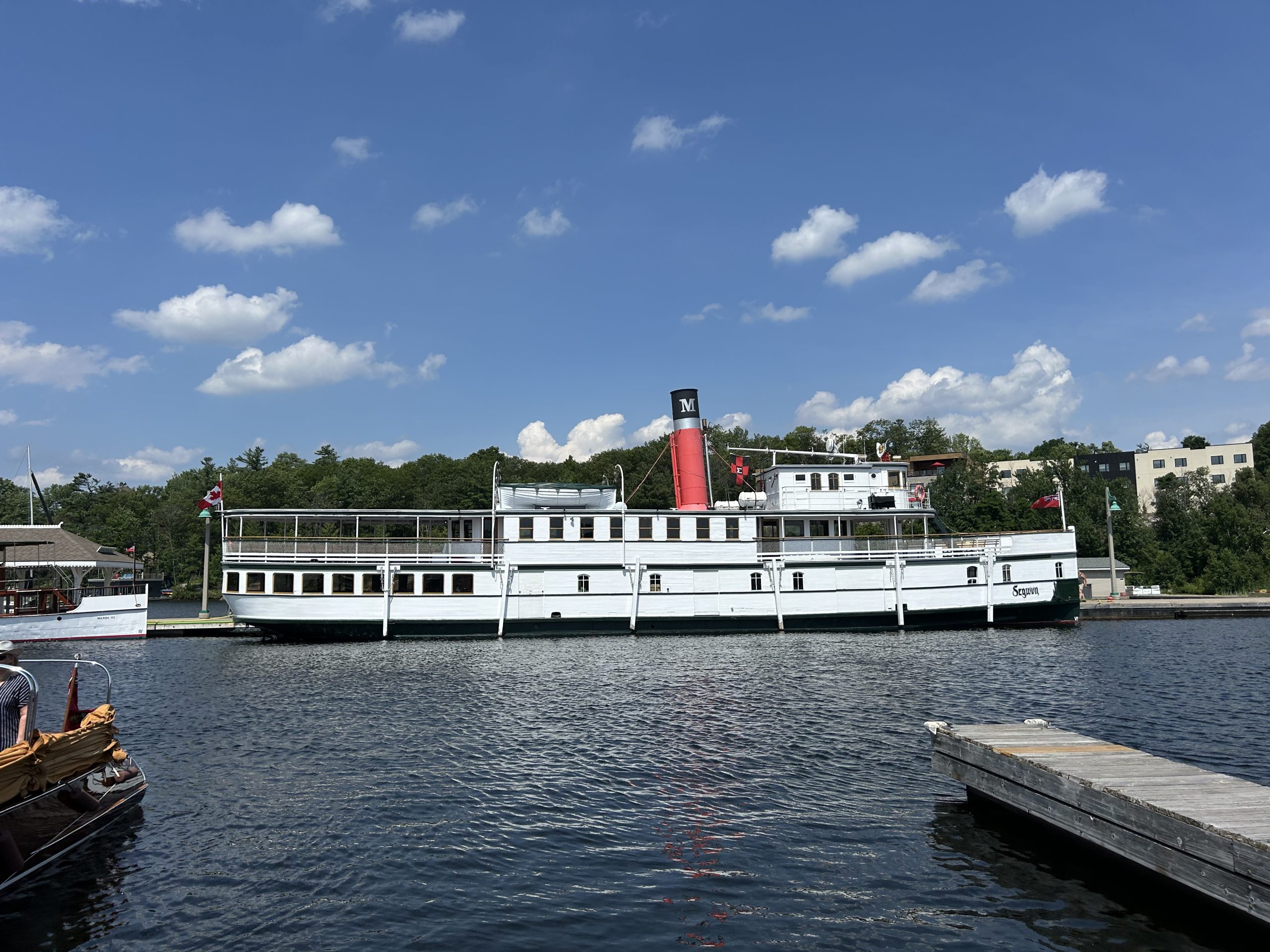
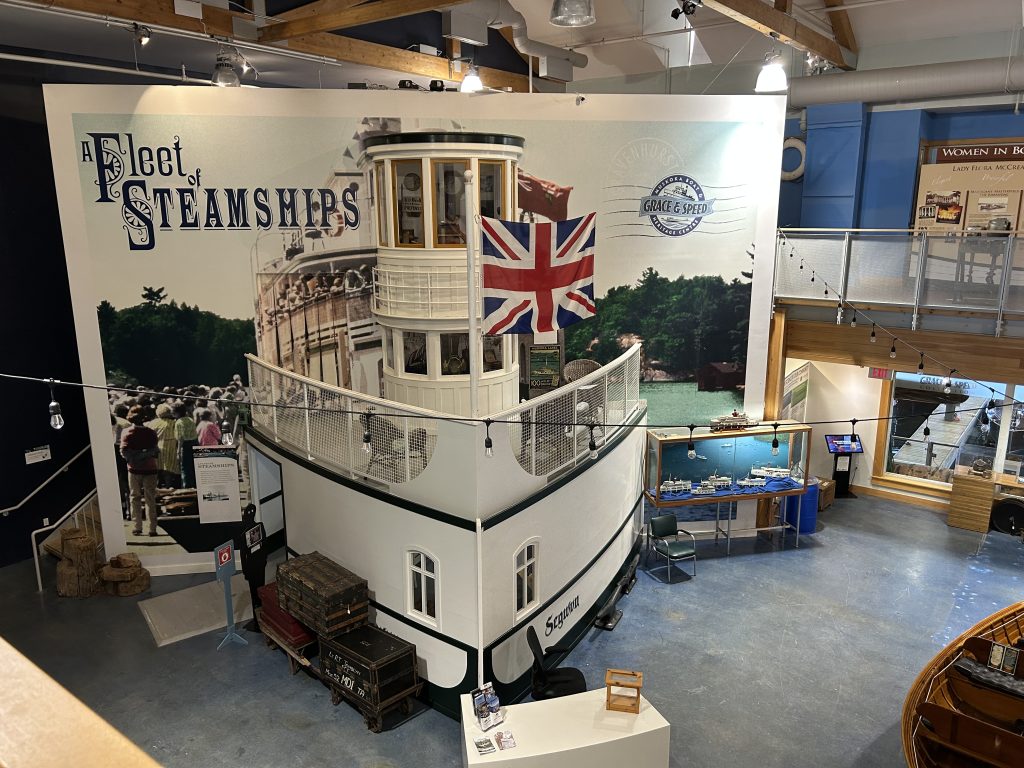
A Steamship Cruise on the RMS Segwun. The oldest operating steamship in Canada has been reading Lake Muskoka since 1887, and a voyage on her is still the single best orientation to the region’s scale and character. Departing from Gravenhurst’s Muskoka Wharf, the Segwun’s narrated cruises trace the lake’s island-studded channels while a knowledgeable guide delivers the kind of local history — mill towns, railway barons, the early camp movement — that makes the landscape cohere. Cruises typically run from late spring through Thanksgiving weekend; tickets range from approximately $35–$75 for adults, depending on the route. Book ahead in summer. This is the one experience that translates immediately to anyone in the group, regardless of age or mobility.
The Muskoka Discovery Centre, Gravenhurst. This is not a perfunctory museum. The Discovery Centre houses one of the finest collections of antique wooden Muskoka boats in the country, including the Wanda III — gleaming mahogany launches, heritage canoes, and working steam vessels — alongside exhibits tracing the region’s Indigenous history, the logging era, and the rise of cottage culture. Plan for a minimum of two hours; a combined ticket with the Segwun cruise is available and well worth taking. Open seasonally from Victoria Day, which is the May long weekend, through Thanksgiving; admission typically runs $12–$18 for adults. The gift shop stocks the kind of well-considered regional goods — local photography books, heritage maps — that don’t feel like airport souvenirs.
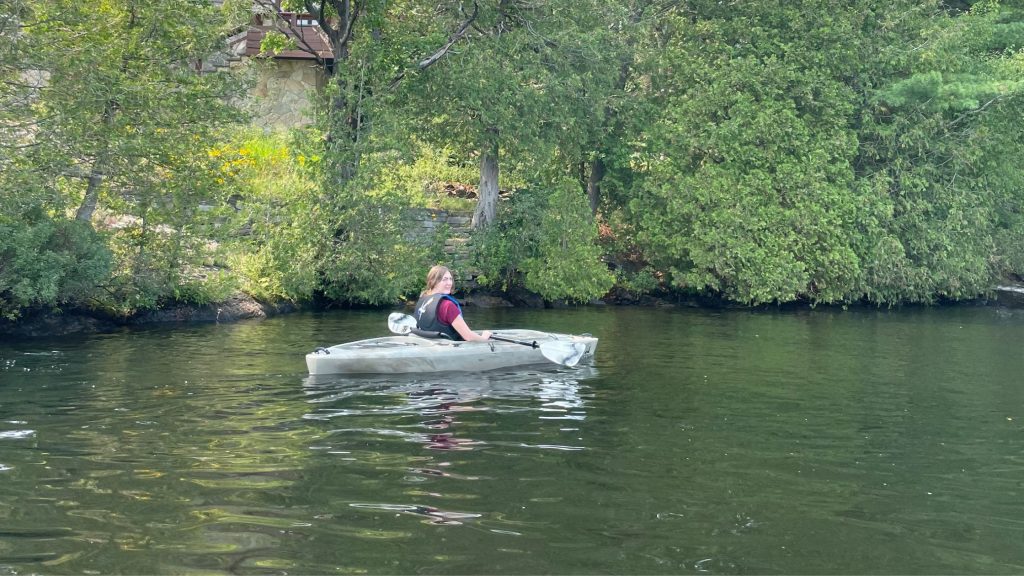
Paddling Lake Rosseau. Of the Big Three lakes, Lake Rosseau is the one that rewards unhurried paddling most. Its narrow channels and sheltered coves break up the bigger open water into manageable, intimate stretches, and the shoreline scenery — cathedral pines, lichen-covered Shield rock, the occasional grand cottage reflected in still water — is among the most photographed in Ontario. Several outfitters in and around Port Carling offer half-day and full-day canoe and kayak rentals (typically $40–$70/half-day); some will deliver to the waterfront of your rental property. Bring a dry bag for cameras. Dogs are welcome on the water with most outfitters, provided they wear a flotation vest.
A Sunday Morning in Port Carling. The self-styled hub of Muskoka Lakes township earns its reputation most clearly on a slow weekend morning, before the day-trippers arrive. Walk the locks where Lake Muskoka narrows into Lake Rosseau, browse the independent boutiques on Joseph Street, and settle into York & Mason on Maple Street — the best coffee in the village, with a tight menu of gourmet pastries and sandwiches, indoor chalkboard menus, and a small front patio. It is cash-and-card, but the lineup forms early. Free to walk; budget $10–$20 for coffee and a bite.
Hiking to the Huckleberry Rock Lookout. Free, short, and among the most rewarding viewpoints in the region, this trail near Torrance delivers a panoramic sweep of Lake Muskoka from an open granite summit — the kind of view that tends to produce silence before it produces conversation. The trail is an easy 1.5 kilometres return, takes under an hour, and is accessible to most walkers, though the final granite scramble demands steady footing. Come at sunset if you can. The trailhead is on Huckleberry Rock Road, off Highway 169, and parking is free.
The 1-Hour Loop at Hardy Lake. Hardy Lake is halfway between Gravenhurst and Bala, with parking and entry immediately off the highway. This afternoon trip is my runner-up because Hardy Lake, which offers a short 1-hour loop hike, as well as longer 2-hour and 6-hour options for the more ambitious. This is one of my favorite hikes with little kids or your aging relatives who may not have the strength for a longer hike, but have the energy for a one-hour outing. Avoid hiking immediately after the rain as it can get pretty muddy. Otherwise, there are so many picturesque spots that make for great Instagram memories.
Johnston’s Cranberry Marsh and Muskoka Lakes Winery, Bala. There is a version of this stop that works in every season, but it comes in mid-September or October for the harvest, and the experience sharpens into something genuinely distinctive. The marsh turns the colour of a garnet ring in the morning light, and you can take a wagon tour, do a wine tasting of berry and fruit wines made on-site, or — if the timing is right — wade into the cranberry bog for the Cranberry Plunge. The store and café are free to access; tours, tastings, and activities carry separate fees. The Cranberry Radler, produced by Clear Lake Brewing using Bala cranberries, is the liquid souvenir locals recommend.
Sawdust City Brewing Co., Gravenhurst. The region’s largest craft brewery is headquartered in a 20,000-square-foot facility on Gravenhurst’s main street, inside a building whose 24-foot live-edge pine bar honours the town’s logging heritage. Free tours run every Saturday; the tap room operates 12 draught lines year-round, and the rotating seasonal releases — look for the barrel-aged winter ales — are the ones worth planning around. The outdoor patio is a natural gathering point for groups of any size. If only one Muskoka brewery makes your itinerary, this is the one.
Outdoor Activities Around Muskoka
Muskoka sits on the southern edge of the Canadian Shield — exposed granite barrens, mixed forest, more than 660 lakes, and 17 major river systems across a landscape that has barely been flattened by civilization. The outdoor life here is built on water in summer, trails in every season, and the particular quality of light that comes from being this far north without being remote.
On the Water
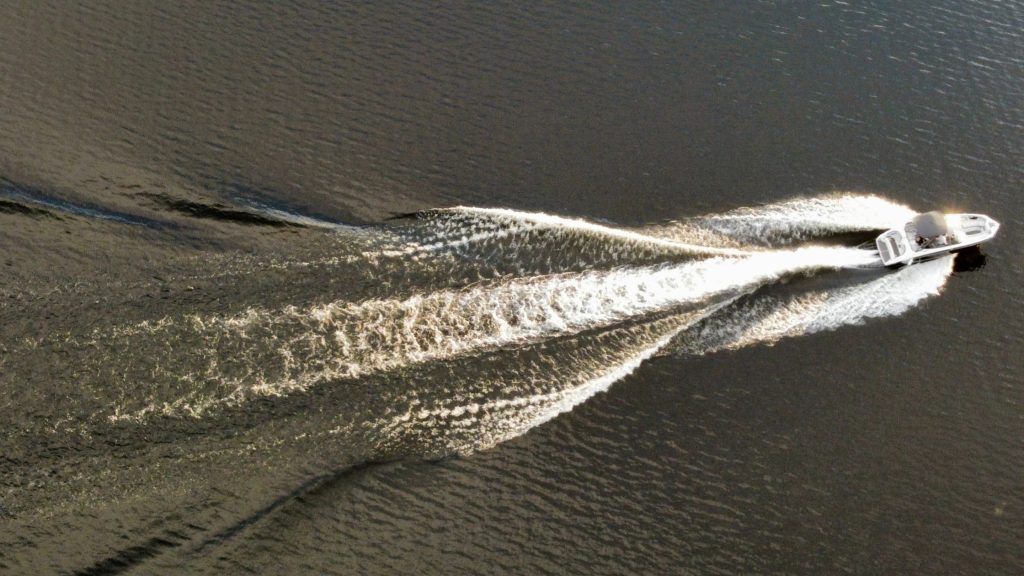
Lake Muskoka is the largest and most open of the three signature lakes, covering roughly 130 square kilometers with deep channels between wooded islands. It suits powerboating, sailing, and waterskiing; the swells in a south wind are real, and the crossings between islands demand proper seamanship in adverse conditions. Lake Rosseau, connected to Lake Muskoka via the Port Carling locks, is smaller and more sheltered, genuinely ideal for stand-up paddleboards and kayaks. Lake Joseph — quieter still, tucked north and west of Port Carling — is where serious anglers and those wanting deeper privacy tend to gravitate. Walleye, lake trout, bass, and pike are all resident.
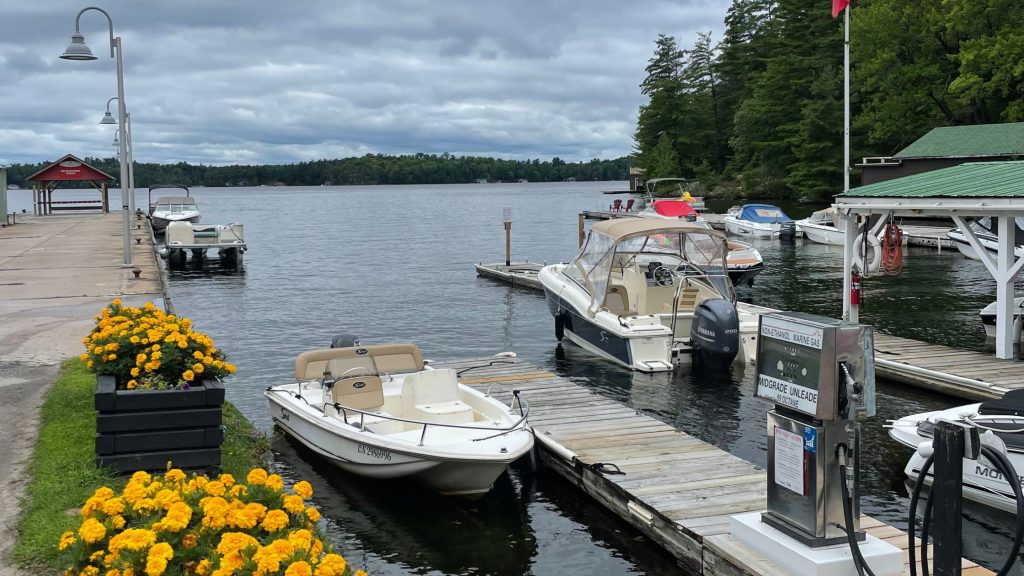
Boat rentals are widely available at marinas throughout Gravenhurst, Bracebridge, and Port Carling; expect to pay $250–$600/day for motorboat rentals, depending on size and season, with captain’s courses available onsite through several operators. Muskoka Boat and Fly in Gravenhurst rents kayaks, canoes, and paddleboards, and can advise on current lake conditions. Swimming off granite rocks and public beaches is free and genuinely excellent — Bracebridge’s municipal beach at Kelvin Grove Park allows leashed dogs in the off-season, and several conservation area beaches along Lake Muskoka’s eastern shore welcome dogs outside peak summer hours.
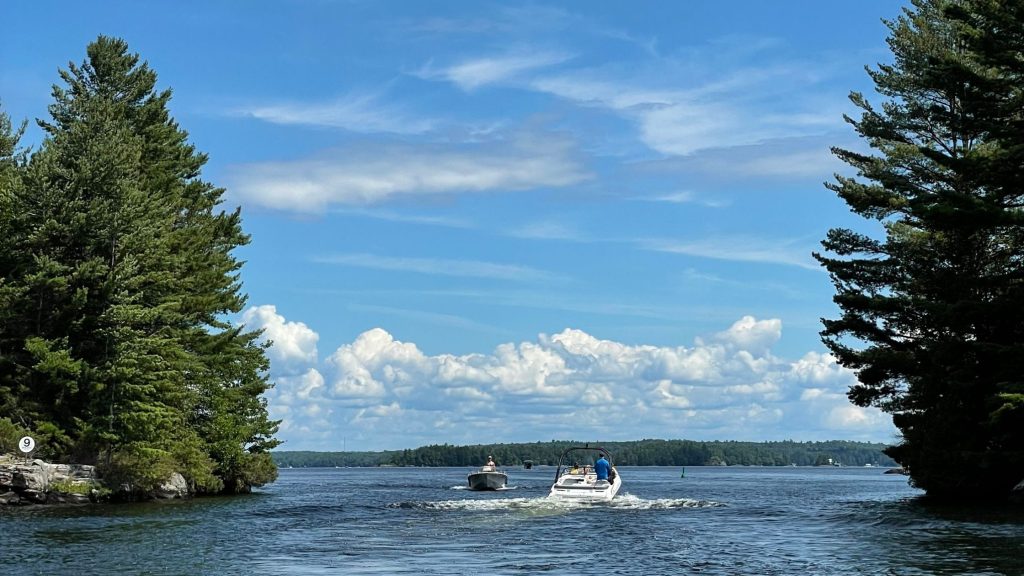
Local etiquette requires you to wave at all passers-by, so expect to greet many other boaters, especially as you go through narrow channels such as The Narrows on Lake Muskoka or up Indian River on your way to Port Carling.
Hiking and Trails
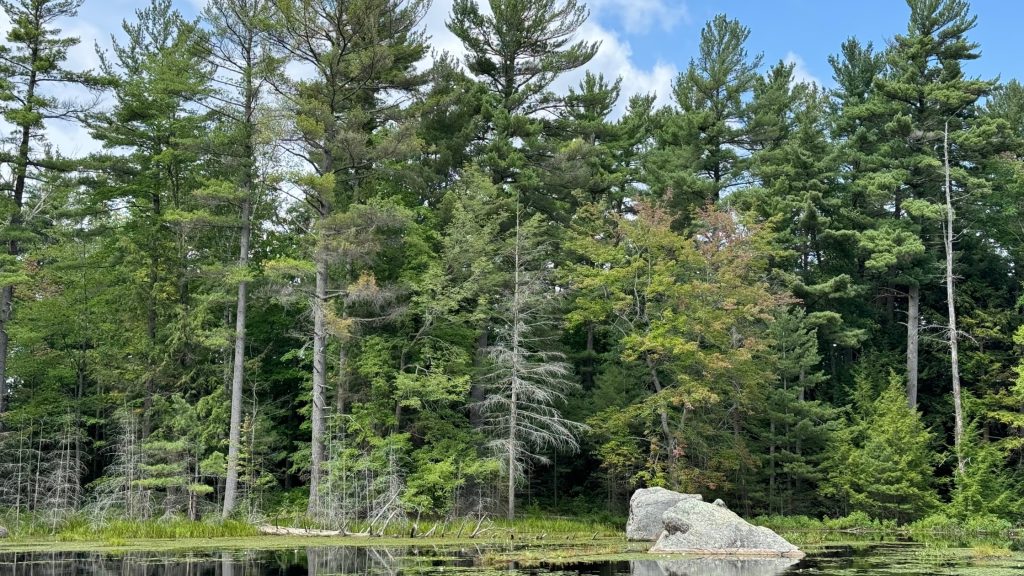
Hardy Lake Provincial Park Trail (Muskoka Lakes, off Hwy 169): An 8-kilometre moderate loop that circles Hardy Lake through mixed forest and over exposed Shield rock — one of the most satisfying half-day hikes in the region, with excellent swimming off the rocks along the lake’s western shore. Dogs on leash are permitted. Accessible from a small trailhead parking area; arrive early on summer weekends as the lot fills by 10 a.m.
Lion’s Lookout Trail, Huntsville: 1.3 kilometres return, rated easy to moderate with approximately 100 metres of elevation gain. The payoff is a double-sided summit view: the Muskoka River valley to the west, Fairy Lake to the east. This is the most-photographed sunrise trail in the region, and deservedly so. The trailhead is off Brunel Road, a short drive from downtown Huntsville; it is one of the few trails manageable with a stroller if conditions are dry.
Limberlost Forest and Wildlife Reserve, near Huntsville: Operated entirely free of charge, this reserve’s 70-kilometre trail network is one of the most underestimated outdoor assets in Muskoka. Trails range from evening-stroller easy to genuinely strenuous, winding through old-growth forest, across granite barrens, and past interior lakes. In winter, 25 kilometres of trails are groomed for cross-country skiing. Dogs welcome on leash.
Wilson’s Falls Trail, Bracebridge: A gentle 3.6-kilometre return trail along the Muskoka River to the most dramatically set waterfall in the area. The route is nearly flat and well-maintained; two rest benches sit along the riverside section, making this the right call when the group includes people who prefer a slower pace. Parking is free at the Wilson’s Falls Road trailhead.
Scenic Drives and Lookouts
The most rewarding single drive in Muskoka runs Highway 169 from Gravenhurst north through Bala to Port Carling — roughly 45 minutes without stops, but plan on two to three hours if you’re doing it properly. Pull over at the Bala Falls viewpoint for the rapids; stop at Johnston’s Cranberry Marsh; walk the Port Carling locks. In fall, the maple canopy along this corridor turns the colour of a lit match. A second route worth the fuel takes Highway 60 east from Huntsville toward the Algonquin Park border, climbing through deciduous forest to Ragged Falls Provincial Park — a short 1-kilometer return walk to one of the ten best waterfalls in Ontario. Neither route requires a car with particular clearance; both are comfortable in a standard sedan.
Wildlife, Parks, and Open Land

Torrance Barrens Dark Sky Reserve: One of the few officially designated dark sky preserves in Ontario, the Torrance Barrens deliver a Milky Way unmediated by light pollution on clear nights. The main trail is an easy 3.5-kilometre walk across open granite barrens. Come in August for meteor showers; the region’s annual Home of the Stars stargazing festival runs each October. Admission is free. Bring warm layers — the barrens have no tree cover, and temperatures drop fast after sunset.
Arrowhead Provincial Park (Huntsville): The most feature-complete provincial park in the region, with trails, a spring-fed swimming area, canoe routes, and — in winter — the famous 1.3-kilometre skating trail that routinely sells out its daily vehicle permits within hours of opening. Arrive in summer before 9 a.m. or after 4 p.m. for parking. Daily vehicle permits run approximately $18–$22. Loons are a near-certainty on the interior lakes; moose sightings are seasonal but not unusual in the park’s northern sections.
Aspen Valley Wildlife Sanctuary, Rosseau: A 180-hectare working sanctuary where injured and orphaned wildlife are rehabilitated, with guided tours allowing visitors to observe foxes, raptors, bears, and other native species at close range. Guided tours must be booked in advance; check current availability and pricing at the sanctuary’s website. This is one of the few places in Ontario where the encounter with wildlife is consistently meaningful rather than incidental.
Indoor and All-Weather Activities
Muskoka Beer Spa, Bala. The region’s most original indoor-outdoor experience pairs cedar barrel saunas with lake-view soaking tubs and a working craft brewery — Clear Lake Brewing — on the same property. Soak packages typically run $85–$130 per person; the affiliated Clear Lake Distillery produces vodka and a cottage-inspired Irish cream worth sampling. Book ahead; weekend slots fill weeks out in summer. The experience works equally well in winter, when the contrast between frozen lake air and hot cedar is maximally therapeutic.
Gravenhurst Opera House. Built in 1901, this restored civic theatre hosts year-round programming — travelling theatrical productions, live concerts across genres, film screenings, and seasonal events. The building retains its original pressed-tin ceiling and tiered seating; the sightlines are excellent. Check the current calendar at the Opera House’s website; ticket prices vary by event.
Algonquin Theatre, Huntsville. The region’s largest performing arts venue, with a 600-seat main stage that draws touring productions and nationally recognized performers. The season runs year-round with a concentration in summer and the pre-holiday period. A reliable anchor for a rainy day or an evening when the lake loses its appeal.
Muskoka Lakes Museum, Port Carling. Set inside a log-cabin structure near the locks, this small museum packs real ambition into modest square footage. Exhibits cover the Anishinaabe peoples who shaped this landscape for millennia before European settlement, the logging and pioneer eras, and the evolution of cottage life from tin-roofed camps to the current market. Open Victoria Day through Thanksgiving; admission is modest. It is the right museum to visit before the Discovery Centre in Gravenhurst, not after — the narrative sequence matters.
Climb Muskoka, Bracebridge. A family-friendly indoor rock climbing facility in central Bracebridge, with routes suited to children and beginners alongside walls that reward more experienced climbers. A solid half-day option when the weather turns, and one of the few active indoor options in the region that spans a wide age range.
Lake of Bays Brewing Barrelhouse, Bracebridge. While the original brewery operates near Baysville, the Bracebridge barrelhouse is where Lake of Bays’ culinary ambitions are on fullest display. Chef Martin Belzile’s menu draws on genuinely local sourcing — Georgian Bay trout, Bala cranberries, farm greens from Four Seasons Farms — and the smoked trout salad is the dish to order. The space is warm and unhurried; a pint flight of rotating seasonal brews pairs well with an afternoon that has lost its outdoor plans.
Port Carling and Huntsville Boutique Shopping. For shopping with genuine regional character, both Port Carling’s Joseph Street strip and Huntsville’s downtown Main Street repay a couple of hours. Port Carling skews toward cottage-lifestyle goods — quality linen, handmade ceramics, independent bookshops; Huntsville offers a wider range, including outfitters, galleries, and the kind of kitchen supply store that cottagers visit every year with a running list.
Historic Sites and Local Heritage
Bethune Memorial House National Historic Site, Gravenhurst. The modest Victorian house where Dr. Norman Bethune was born in 1890 is now a nationally designated site honouring one of Canada’s most consequential medical minds — a pioneering thoracic surgeon and public health advocate who later became a celebrated figure in China for his medical work during the Sino-Japanese War. The house tour takes approximately 45 minutes and is operated by Parks Canada; admission is included in the Parks Canada Discovery Pass or is payable at the door. Closed in winter; confirm current hours before visiting.
Muskoka Steamship History at the Gravenhurst Wharf. The Muskoka Wharf is more than a departure point: the 89-acre waterfront precinct is a living heritage site tracing Gravenhurst’s role as the railroad terminus that opened cottage country to the Victorian leisure class. Heritage plaques trace the development from industrial wharf to pleasure port; the adjacent Discovery Centre (see Essential Experiences) provides the full narrative context. Free to walk; allow an hour for the wharf without entering the museum.
Anishinaabe Heritage and the Muskoka Lakes Museum. Muskoka’s landscape was — and in many respects remains — Anishinaabe territory, home to the Chippewa of Rama First Nation and other communities whose relationship with these lakes predates European settlement by thousands of years. The Muskoka Lakes Museum in Port Carling provides the most accessible introduction to this heritage available in the region, with artifacts, oral history recordings, and interpretive exhibits. For visitors seeking deeper engagement, the Chippewas of Rama Mnjikaning First Nation operate cultural programming seasonally; visit their official site for current offerings. This is heritage the region is still learning how to present honestly, and the museum’s approach is thoughtful without being performative.
The Gravenhurst “Sawdust City” Heritage Trail. Gravenhurst earned its nickname from the sawmill era that once defined the town’s economy, and several heritage markers through the downtown core trace the industrial history that shaped the built environment. The self-guided trail is free and walkable in under an hour; combine it with a visit to Sawdust City Brewing for a through-line from logging heritage to contemporary craft.
Local Picks and Lesser-Known Stops
Torrance Barrens at Dusk (free). While the official dark sky festival draws crowds in October, the barrens are worth the drive on any clear night. Arrive an hour before full dark, walk to the open granite plateau, and wait. The light show that follows is free, requires no reservation, and is available approximately 365 nights a year in varying degrees. Bring a warm layer even in July; the granite radiates heat briefly but the barrens clear fast.
Clear Lake Brewing, Torrance. Hidden in the tiny village of Torrance between Bala and Gravenhurst, this small-batch brewery with eight taps is the kind of place that regulars would prefer not to see in print. The Session Ale is the workhorse; the Cranberry Radler is the summer pour; and the patio — overlooking a quiet residential street with pine forest behind — is the kind of undesigned space that beats every curated rooftop bar in the city. Closed Mondays and Tuesdays; hours tighten in the shoulder season, so check ahead.
The Bala Falls Pub. On the main road through Bala, this pub’s eccentric, ever-evolving interior — warm wood, Canadian flags, local art in no particular arrangement — has been welcoming cottagers since 2002 in one form or another. Order the fish and chips, take the back patio if the weather allows (it has water access), and settle in. No reservations; not required on a weekday.
Back of Beyond Equine Center, Huntsville. Horseback trail rides through Muskoka forest with operators who know the back routes. In winter, sleigh rides depart from the same property for routes through snow-covered pines — a genuinely transportive hour that works for any age and any pace. Bookings required; pricing varies by ride length. Dogs must remain in vehicles.
Muskoka Goat Away, near Huntsville. Guided walking with small goats through forest trails and country lanes — slower than a hike, stranger than a tour, and more restorative than both. Available seasonally; bookings are essential. The goats are seasoned walkers; the routes adapt to the group’s pace. The price is modest and the commitment is an hour. It sounds eccentric until you’re on the trail.
The Muskoka 2/4 Craft Beer Festival, Huntsville. Held every May 24 long weekend at River Mill Park in downtown Huntsville, this festival draws Ontario’s best independent breweries to a riverside setting that does not feel like a parking lot. Tickets sell out — buy in advance. The Oktoberfest Muskoka event each fall features multiple breweries and restaurants across the region; together, the two events mark the calendar anchors for anyone interested in the craft beer scene.
What to Do in Muskoka, by Season
Spring brings Muskoka back to life incrementally, and the best reason to arrive in April or May is the maple season. The Muskoka Maple Festival runs each April in Huntsville, with sugar shack tours, syrup tastings, and producer markets. Ice-out — the date when the lakes fully clear of ice — typically falls in late April and immediately opens the waterways to paddlers willing to brave still-cold temperatures. Waterfalls run at full force through May; Wilson’s Falls and Ragged Falls are at their most dramatic after snowmelt. Birdwatchers will find the migratory arrival period (April through late May) exceptional — guided birding events run through the region most springs.
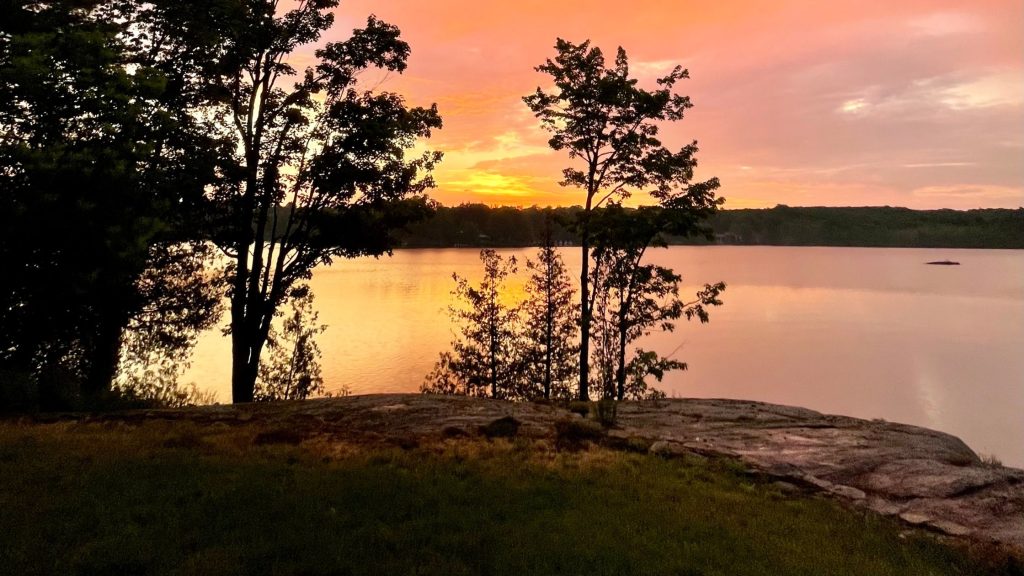
Summer is Muskoka’s primary season, and rightly so. Lake swimming from granite shorelines is the defining daily rhythm: the water warms to genuinely pleasant temperatures by July, and the Shield rock holds heat through evening. The SWS Muskoka Water Ski Show runs Tuesday evenings on Lake Muskoka through summer — one of the longest-running water ski shows in North America and genuinely worth a prime lakeside table. Boat rentals across all three major lakes are in peak demand; book a week or more out.
Fall is the season that converts first-time visitors into regulars. The colour change along the hardwood ridges — sugar maple, red oak, trembling aspen — peaks from late September through mid-October, and the region’s events calendar is dense: the Bala Cranberry Festival in mid-October, Oktoberfest Muskoka, and the Home of the Stars stargazing series. The lakes are quieter, boat traffic drops, and cottage rental prices ease. The Muskoka Marathon follows the river through Bracebridge amid full autumn colour each October.
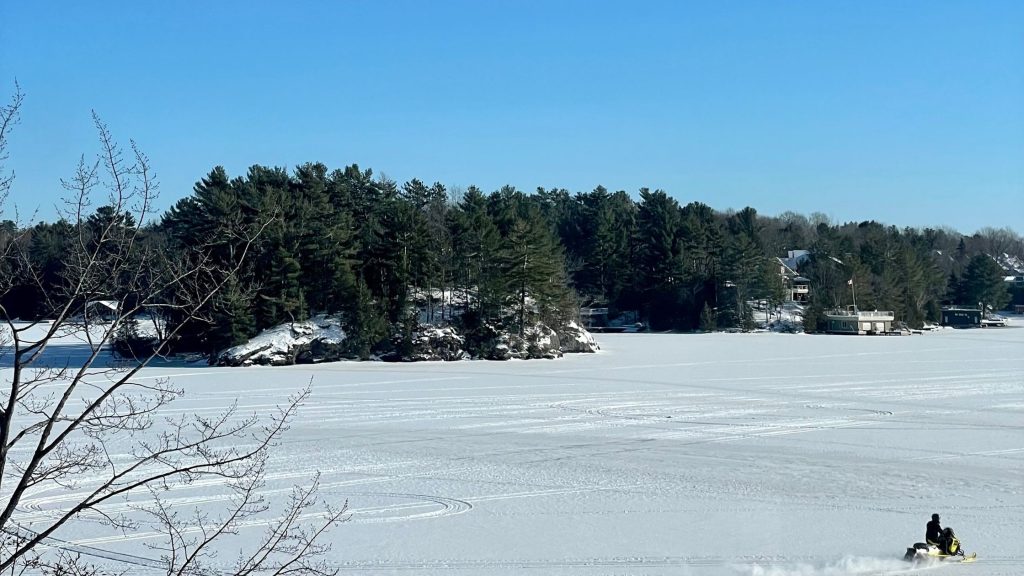
Winter is Muskoka’s quietest and, for the right traveller, its most seductive season. Arrowhead Provincial Park’s 1.3-kilometre outdoor skating trail — lit at night, groomed daily — is one of the best winter experiences in Ontario and requires advance booking for vehicle permits. The Muskoka Lakes Winery near Bala offers an alternative: a 1.2-kilometre ice trail around the frozen cranberry bogs, with torchlight skating every Saturday evening. Cross-country skiing at Limberlost (25 kilometres of groomed trails, free), snowshoeing through Hardy Lake, and dog sled experiences at North Ridge Ranch near Huntsville round out a winter itinerary that has no reason to feel like a consolation prize.
Where to Base Your Trip
Muskoka’s geography organizes naturally into four distinct zones, each with a different character and a different relationship to the major lakes. Choosing the right base shapes the entire trip.
Gravenhurst and the South Shore of Lake Muskoka
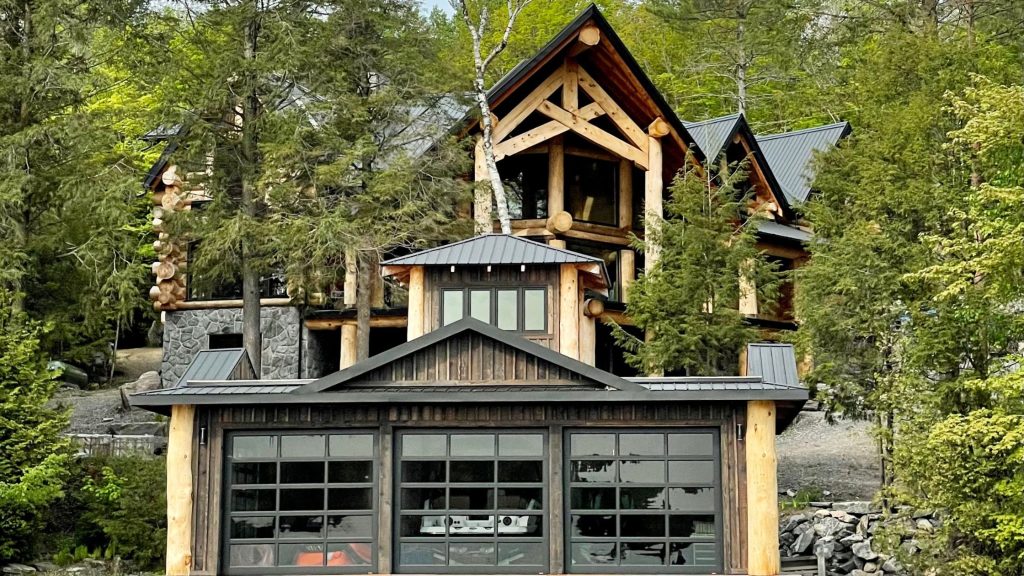
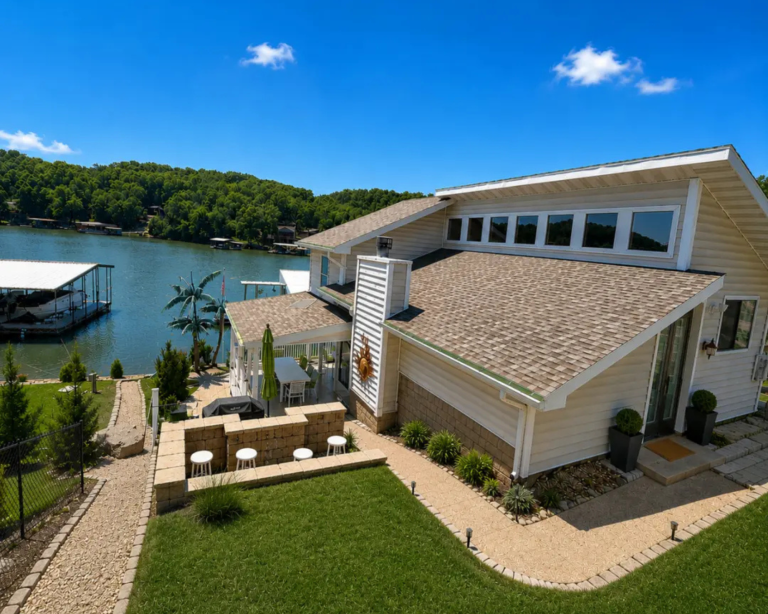
This is where our cottage is and it’s southernmost entry point to the region, referred to as The Gateway to Muskoka. Gravenhurst anchors the lower end of Lake Muskoka with a genuine downtown — the Opera House, Sawdust City Brewing, the Muskoka Wharf — and the widest range of services in the district. This is the right base for those who want town-centre walkability combined with lake access, and for groups making a first trip to the region who want to hedge against rainy days. Vacation rentals here skew toward lakefront cottages and year-round homes on Lake Muskoka’s quieter southern bays, with pricing typically starting around $300–$500/night for a well-appointed lakefront cottage. Luxury properties easily run up to $3000-$5000/night for those special occasions and can accommodate 16-20 guests.
Bracebridge and the Muskoka River
Bracebridge sits at the geographic heart of the district, placing visitors within 20–30 minutes of nearly everything. The town is functional rather than resort-polished, which keeps prices more moderate (lakefront cottages often start at $250–$400/night), and access to the Trans-Canada Trail waterfall network is as simple as driving to the trailhead. This is the right base for active families and those planning to range widely.
Port Carling and the Lake Rosseau / Lake Joseph Shore
Port Carling is where the three major lakes converge, and it is the emotional centre of Muskoka for many longtime visitors. Indian River leads all boat traffic to Port Carling. The locks, the boutique shops, the waterfront restaurant patios, and the immediate access to both Lake Rosseau and Lake Joseph make this the most coveted location in the district. Vacation rentals on Lake Rosseau and Lake Joseph command a premium — expect $500–$2,000+/night for properties on the best shorelines — but the geography is incomparable. This is the right base for couples wanting maximum lake access and groups willing to trade convenience for setting.
Huntsville and the Northern Lakes
The northernmost major town in the district, Huntsville has its own character: a working arts community, Algonquin Park within 45 minutes, Arrowhead Provincial Park on its doorstep, and a year-round events calendar that makes it the best off-season base in the region. Properties here include waterfront cabins on Fairy Lake and Peninsula Lake, as well as larger homes that comfortably accommodate multi-generational groups. Pricing varies widely; budget lakefront options start around $200–$350/night.
For current availability across all four zones, Muskoka cottage rentals organize properties by lake, sleeps, and amenity — the fastest way to match the right cottage to the right trip.
The last light leaves Lake Muskoka slowly in September — it retreats across the water from west to east, staining the Shield rock a brief, deep rose before giving up entirely. The loons, who have been calling since May, sound different in the dark. A good Muskoka cottage makes this feel earned: the right dock, the right elevation, the smell of cedar in the evening air. That combination — setting, season, and a property that belongs to both — is what Lake.com’s Muskoka experience is built around.