Eleven Lakes, One of the East Coast’s Most Complete Destinations
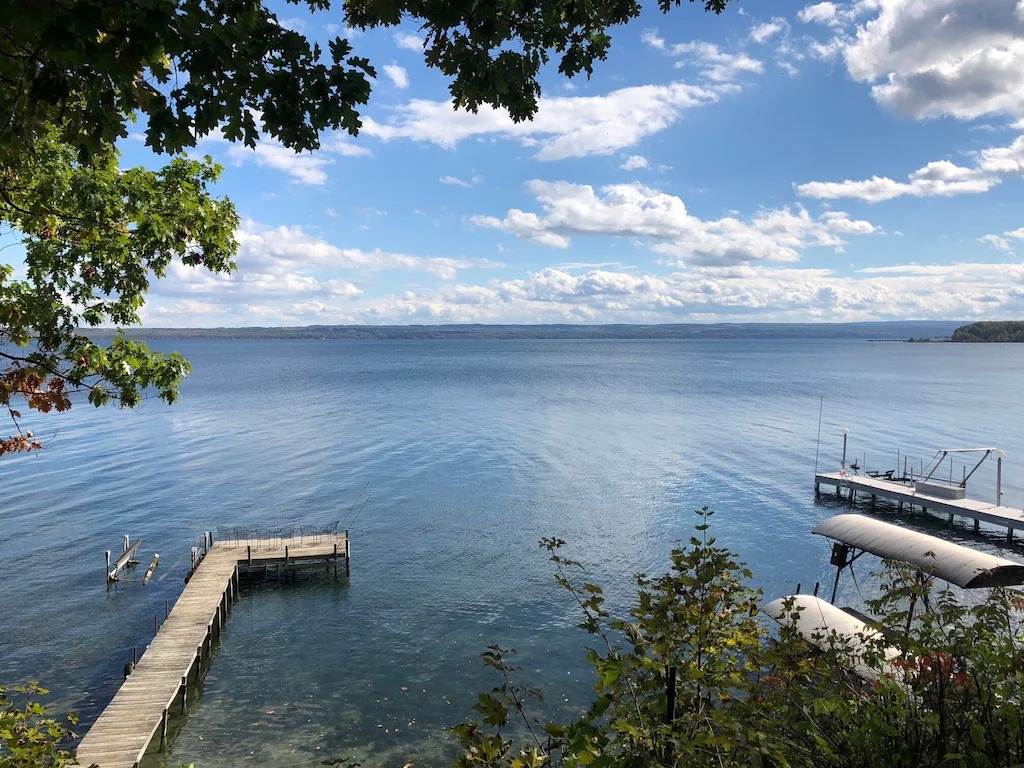
On a July morning, before the winery tasting rooms open and the gorge trails get crowded, the Finger Lakes look the way geology intended: eleven long, narrow slashes of water lying across central New York like a giant hand pressed into the earth. The light hits the western slope of Cayuga differently than it hits Seneca, and Seneca differently than Keuka, and that small fact — the way each lake has its own temperament — is the best argument for lingering here longer than a weekend.
The Finger Lakes earn a long visit in any season. What follows covers the essential experiences a first-time visitor would regret skipping, the outdoor life of the lakes and gorges, the indoor and all-weather options that make shoulder-season travel worth it, and the lesser-known corners that locals tend to keep to themselves.
The Essential Experiences
Watkins Glen State Park Gorge Trail
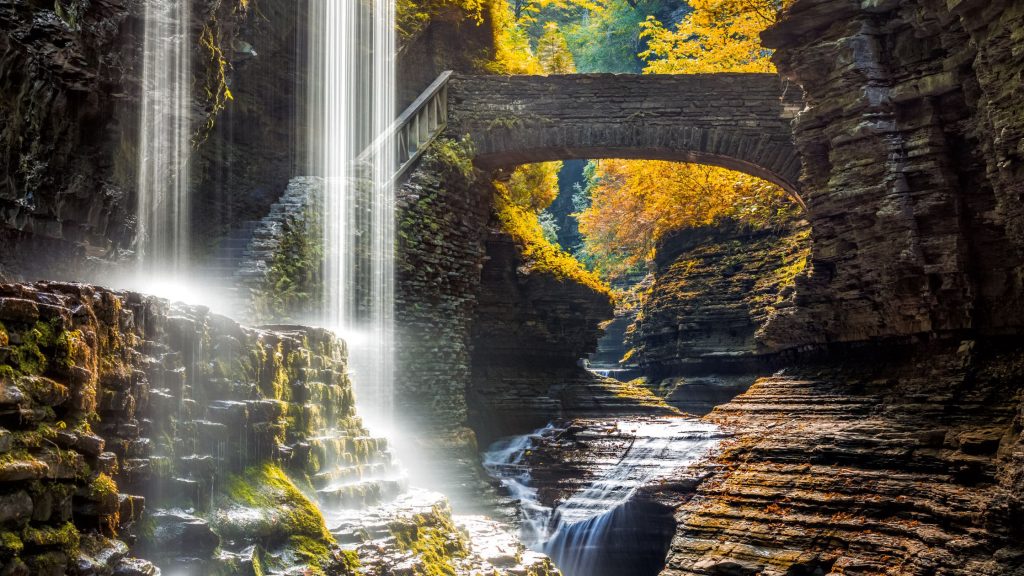
There is no single experience in the Finger Lakes that concentrates more natural drama into less effort than this 1.5-mile trail. Over its course, Glen Creek drops 400 feet past 200-foot shale cliffs, threading through 19 waterfalls. The CCC-era stonework — hand-cut tunnels, arched bridges, spiral staircases — makes the whole thing feel designed, which in a sense it was. The trail is moderate (roughly 800 steps total), open seasonally from mid-May through late October, and free to enter. Parking off North Franklin Street in the village of Watkins Glen runs a few dollars on summer weekends; arriving before 9 a.m. sidesteps both the lot filling up and the crowds. Sadly, dogs are not permitted on the Gorge Trail itself, though the North Rim Trail — open year-round — welcomes leashed dogs with Cayuga Lake views as a consolation prize.
Seneca Lake Wine Trail
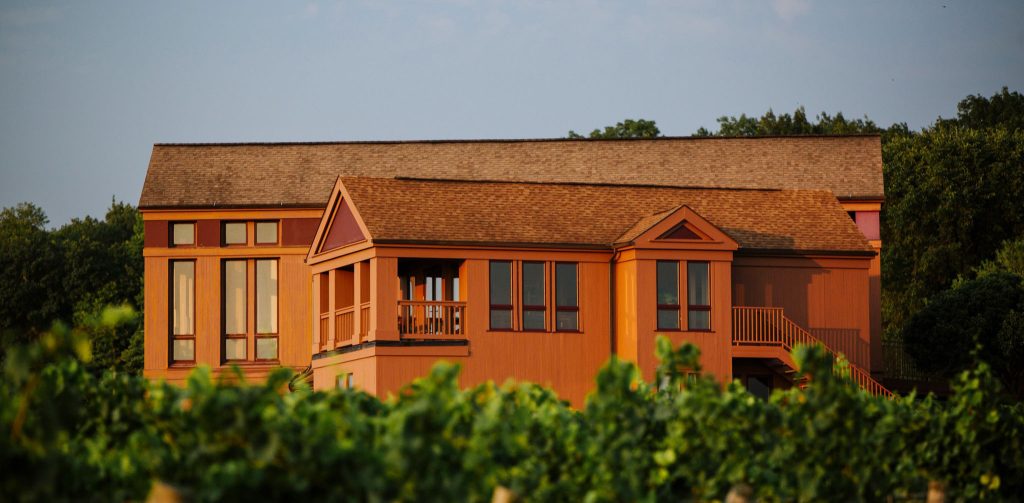
With 35 member wineries encircling the deepest of the Finger Lakes, the Seneca trail is the largest cohesive wine circuit in the eastern United States, and one of the best arguments in the northeast for putting a designated driver behind the wheel and planning nothing else for the day. The region’s Rieslings and Cabernet Francs are the ones that get international attention; the locally beloved dry Rieslings at Hermann J. Wiemer Vineyard and the sparkling wines at Glenora Wine Cellars are the ones locals point to first. Most tasting rooms are open daily 11 a.m.–5 p.m. through the high season; call ahead in the shoulder months. Tasting fees vary by winery, typically $10–$20. The east side of the lake (Route 414) is less trafficked than the western shore (Route 14) and is worth prioritizing for those who dislike queuing.
Taughannock Falls State Park
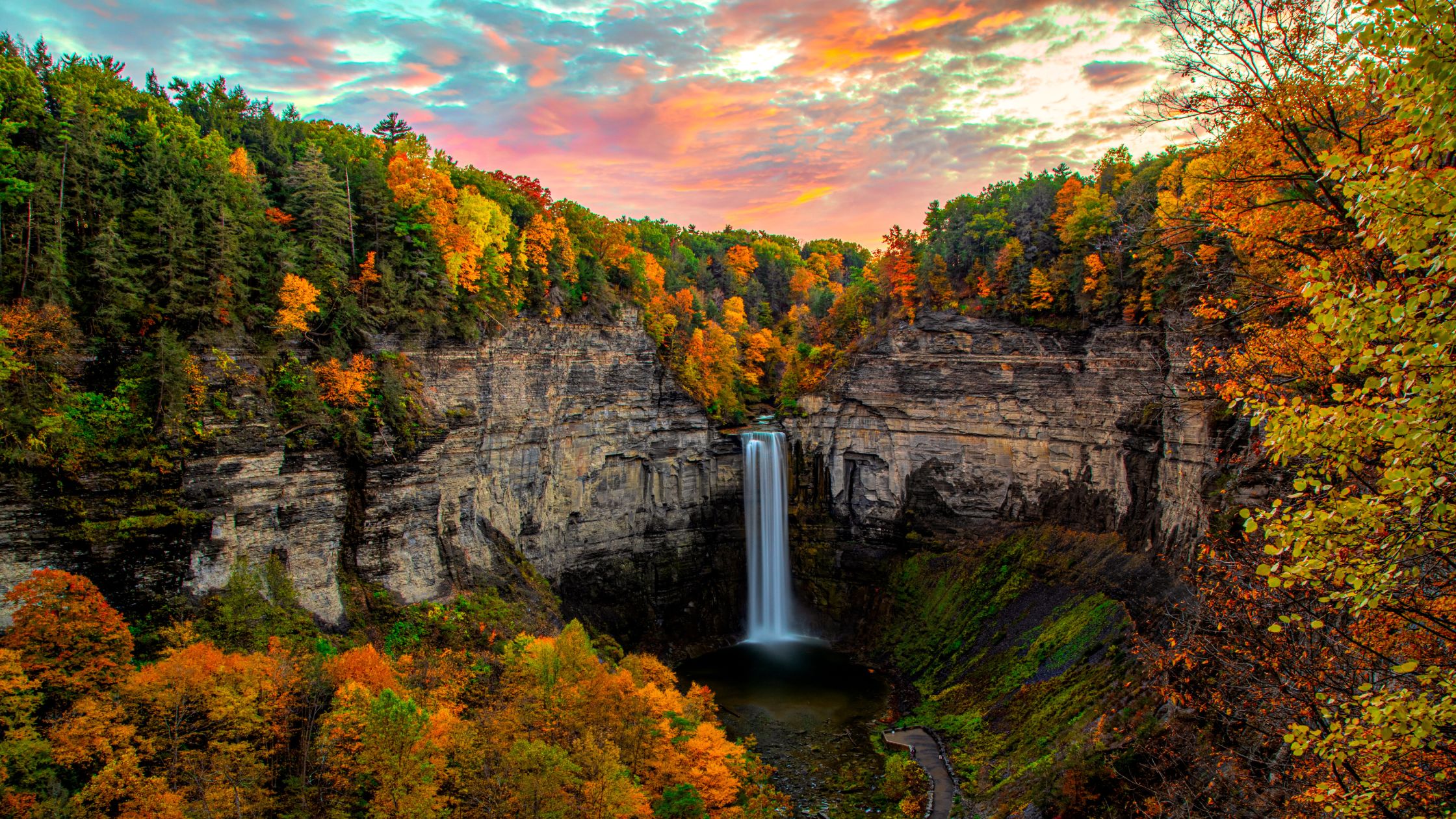
Taughannock Falls drops 215 feet, which is 48 feet taller than Niagara. That figure should settle the debate about whether a drive out here is worth it. The Gorge Trail to the viewing area is a three-quarter-mile, mostly flat walk — accessible to a wide range of ages and abilities, including slower walkers and stroller-pushers — through a wide canyon with 400-foot walls. The North and South Rim Trails loop above the gorge and add views of Cayuga Lake on the descent. The park also has a marina, boat launch, swimming beach, and winter trails for cross-country skiing and sledding. State park parking fees apply ($7–$9 seasonally).
The Corning Museum of Glass
This is one of those places where the description undersells the experience. More than 3,500 years of glassmaking history across multiple gallery wings, live hot glass demonstrations all day in a 500-seat amphitheater — including close-up cameras inside a 2,300°F furnace — and Make Your Own Glass workshops for all ages. Open daily 9 a.m.–5 p.m. year-round. Admission for adults runs around $22–$25; kids 17 and under are always free. Budget a half-day minimum; most people stay longer than planned. The museum sits in Corning’s Gaffer District, a walkable downtown with good restaurants and The Rockwell Museum (a Smithsonian affiliate) a short stroll away.
Seneca Lake Kayak and Paddle
Watkins Glen is the southern anchor of Seneca Lake, and Seneca Lake Kayak offers rentals and guided tours that take paddlers out past the lake’s dramatic shale cliffs and, in season, toward the base of roadside waterfalls like Hector Falls. It’s a quieter way to see a lake that most visitors only experience from the shore or a winery patio. Leashed dogs in stable kayaks are typically accommodated on rentals — confirm when booking.
Grassroots Festival of Music and Dance
Every July, the Trumansburg Fairgrounds host one of the most genuinely spirited music festivals in the northeast: four days, five stages, 80-plus artists spanning bluegrass, Afro-funk, zydeco, Irish traditional, and indie folk. The GrassRoots Festival has run since 1991, keeps ticket prices reasonable relative to its lineup, and draws a crowd that actually dances. It’s kid-friendly, camping-focused, and deeply local in character. Multi-generational groups tend to find their own pace here — the festival has a designated family area and the music runs across stages simultaneously, so nobody has to see the same set.
Outdoor Activities Around the Finger Lakes

The Finger Lakes are not one landscape — they’re eleven distinct ones, each lake with its own hillside character, vineyard profiles, and water conditions. Seneca is the deepest (618 feet) and the most volatile in a storm. Keuka is the Y-shaped oddity that bends back on itself. Skaneateles is the clearest and the most Victorian in personality. Understanding this variation is what separates a good Finger Lakes trip from a great one.
On the Water
Swimming, kayaking, paddleboarding, and motorboating are all viable on the major lakes from roughly Memorial Day through Labor Day, with water temperatures peaking in July and August. Ice-out on the northern lakes typically happens in late March or early April; the southern ends warm faster.
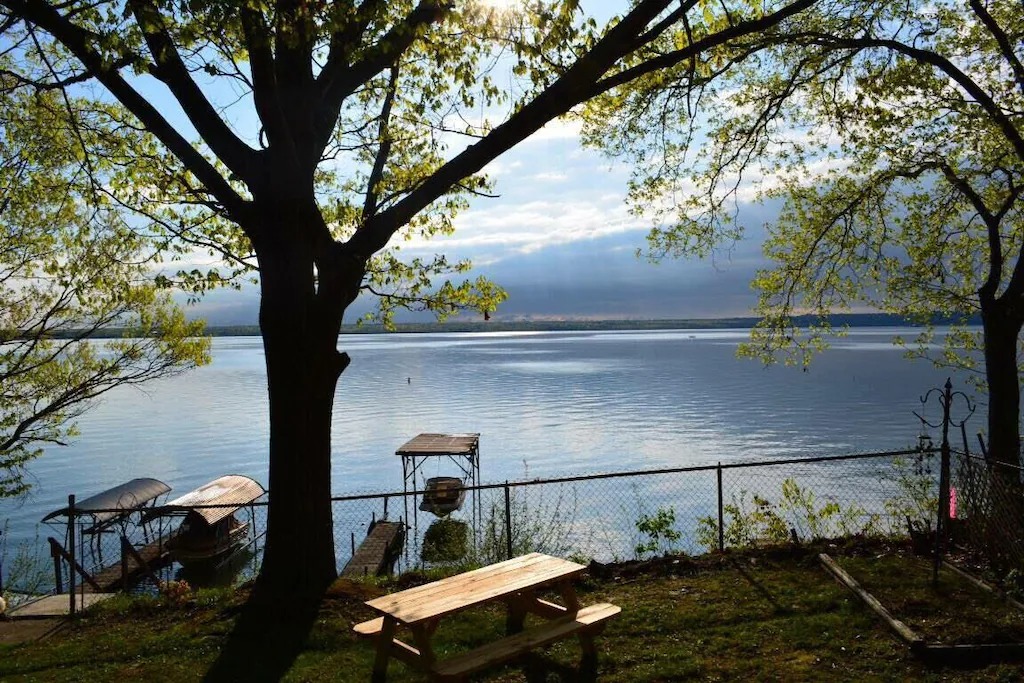
Cayuga Lake is the longest of the Finger Lakes at 61 miles, and its northern end near Ithaca has the most developed infrastructure for water recreation. Reagan’s Canoe and Kayak Livery operates across six of the Finger Lakes, including Cayuga, offering canoes, kayaks, and stand-up paddleboards — call ahead for current rates. Taughannock Falls State Park’s marina (at the lake’s western shore) has a boat launch and seasonal slips.
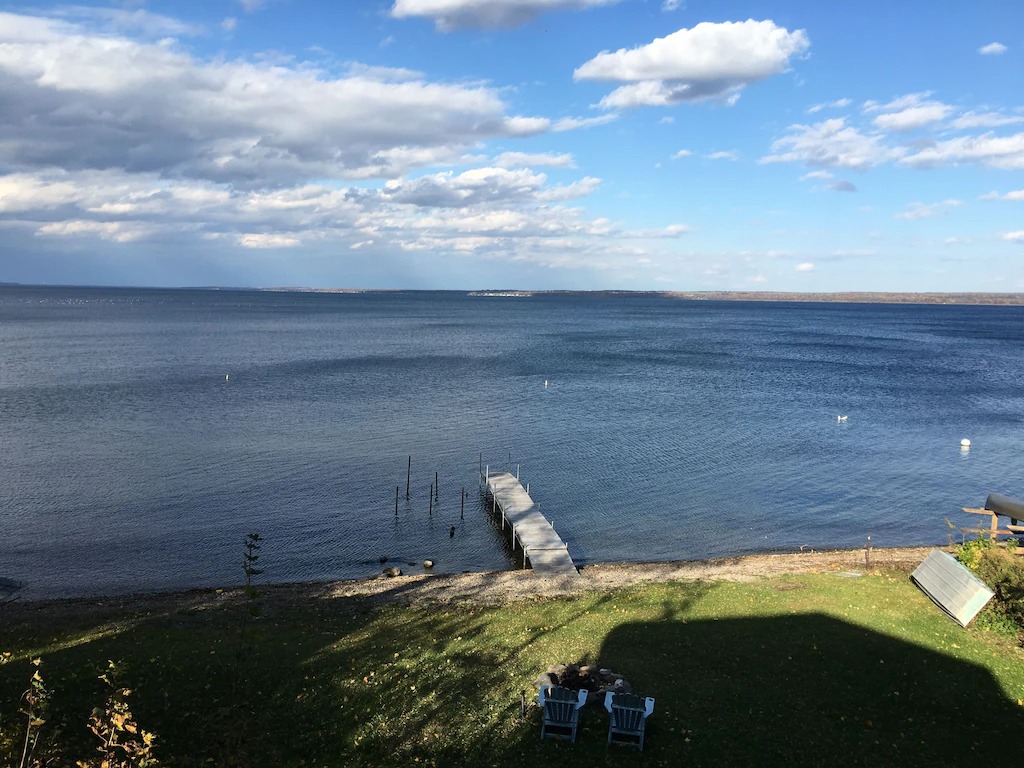
Seneca Lake has the deepest and most geologically dramatic water, and crossing it by kayak on a calm morning gives a view of the vineyard-covered hillsides that no road can replicate. Seneca Lake Kayak, based in Watkins Glen, offers guided tours that include the lake’s lesser-seen coves and waterfall approaches. Roy’s Marina in Geneva has operated for over 65 years and rents kayaks, paddleboards, and pontoons; fishing licenses are also available there.
For fishing, Seneca Lake holds its reputation as a premier lake trout destination — its cold, deep water supports year-round trout populations. Cayuga and Keuka lakes produce bass, perch, salmon, and northern pike. The National Lake Trout Derby on Seneca Lake draws anglers from across the region each year. Charter fishing operators work out of several marinas; confirm season and availability before booking.
Hiking and Trails
Watkins Glen Gorge Trail
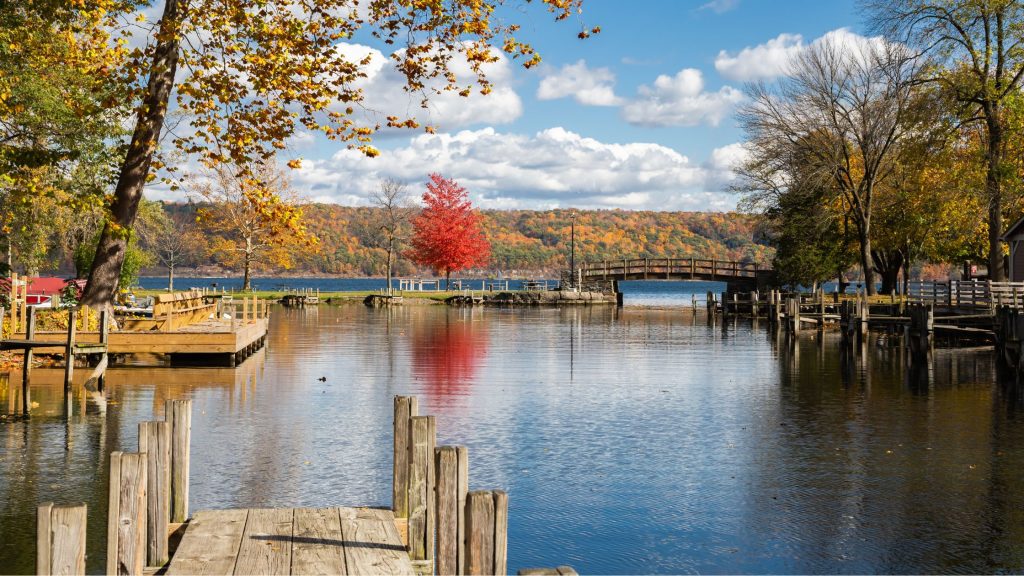
1.5 miles, moderate, trailhead at 1009 N. Franklin St., Watkins Glen. The 19 waterfalls make this the most photographed gorge corridor in New York State, and the section behind Cavern Cascade — where the trail passes directly behind the falling water — is the specific frame that appears on most postcard racks. Open mid-May through late October. No dogs on this trail.
Taughannock Falls Gorge Trail
0.75 miles one way, easy, flat, accessible for nearly all ages. This is the better option for groups with mixed mobility or very young children. The North and South Rim Trails (1.2–1.5 miles each) connect above the gorge for a loop, with one specific overlook off Taughannock Park Road that locals rate as the best unobstructed view of the falls — and the most popular spot for wedding photos in the region. Go on a weekday if you want the overlook to yourself.
Robert H. Treman State Park (Lucifer Falls Loop)
Outside Ithaca, this park’s rim and gorge loop takes hikers past rugged cliff edges, multiple named cascades, and the 115-foot drop of Lucifer Falls. The full loop runs roughly 6 miles and is genuinely strenuous in places, making it the right choice when the Watkins Glen gorge feels too crowded. Dogs are permitted on leash. Swimming holes near the lower gorge are a legitimate reward in midsummer.
Buttermilk Falls State Park
Also in Ithaca, with a gorge trail that follows a series of cascades up a limestone streambed. More solitary than Watkins Glen, particularly on weekdays. The Bear Trail connects to additional forested terrain for those wanting more mileage.
Of the region’s four main gorge parks, Watkins Glen earns its reputation but also its crowds. If you can visit only one and flexibility allows, Robert H. Treman offers more rugged terrain with substantially fewer people.
Scenic Drives and Lookouts
The most rewarding drive in the region is the full circuit of Seneca Lake: Route 14 down the western shore from Geneva to Watkins Glen, then Route 414 back up the eastern shore. The complete loop takes 45 minutes without stops; plan two to three hours with winery visits and pullouts.
The eastern shore offers elevated vineyard views with the lake below; several wineries on Route 414 between Hector and Lodi have outdoor terraces that serve as de facto scenic lookouts. Hector Falls — a tall roadside cascade that drops directly toward the lake — is visible from the road and accessible by a short trail for those who want a closer look.
For foliage season, Route 89 along Cayuga Lake’s western shore from Ithaca north to Taughannock Falls combines lake views, vineyard color, and low traffic. The state park overlook at the end of Taughannock Park Road is worth the short drive for the aerial view of the gorge and falls backed by the lake — this is the shot the photographers come back for every October.
Wildlife, Parks, and Open Land
Finger Lakes National Forest
The only national forest in New York State sits between Seneca and Cayuga lakes in Schuyler and Tompkins counties. Its 16,000-plus acres of trail and open land are free to access and almost completely untrafficked by Watkins Glen standards. The Interloken Trail is the primary route, running roughly 12 miles through mixed forest and open grassland. Bluebirds, bobolinks, and — if you’re patient — bald eagles in the tree lines along the lake. No entry fee; trailhead at Potomac Road off NY-79 near Burdett.
Cornell Lab of Ornithology
Sapsucker Woods Sanctuary surrounds the Ithaca-based Lab, offering 4 miles of mostly flat trails through wetlands, forest, and native plantings. The feeders visible from the visitors center window draw dozens of species and are particularly busy in the early morning. Free to access year-round, and a genuinely good option for slow-walkers and those with limited mobility on the flat sections near the pond.
Loon sightings are possible on several of the smaller lakes from late spring through fall. Osprey fish the shallower northern ends of Cayuga and Seneca regularly. If you’re on the water at dawn or dusk, binoculars earn their weight.
Indoor and All-Weather Activities

Corning Museum of Glass
Already named in the essentials section for good reason, and worth reiterating here as the single strongest all-weather anchor in the region. Rain, cold, or a day when the gorge trails are icy: the museum is open daily 9 a.m.–5 p.m., air-conditioned in summer, and genuinely holds a half-day without feeling like it’s padding time. The Make Your Own Glass sessions run daily; book ahead online for the most popular projects (blown ornaments, sandblasted panels). Adults around $22–$25; under-17 always free.
The Rockwell Museum
A Smithsonian-affiliated museum housed in a beautifully restored 19th-century city hall building two blocks from the Corning Museum of Glass. The permanent collection spans Western American art alongside changing exhibitions with national ambitions. The combination ticket with the Corning Museum makes a full day in the Gaffer District easy to justify. Seasonally, a free courtesy shuttle runs between the two museums.
Smith Opera House
A 1,400-seat 1894 theater in Geneva that operates as a performing arts venue with year-round programming across music, film, comedy, and dance. Geneva’s downtown Linden Street anchors the evening social scene for the northern lakes, and the Smith is its cultural centerpiece. Check the calendar before your dates — this is the kind of place that sells out on a Friday in October.
New York Kitchen
Part cooking school, part tasting room, part regional food showcase, The New York Kitchen in Canandaigua is something of a nonprofit civic project. The tasting bar rotates through wines, beers, ciders, and spirits from across the region; the cooking classes and food-and-drink pairings run year-round and are accessible to all skill levels. A good half-day option for days when outdoor plans change.
Watkins Glen International
The historic road racing circuit at the southern tip of Seneca Lake hosts NASCAR, IMSA sports cars, and other major events through the summer season. Non-race weekends, the facility offers tours and driving experiences. During NASCAR weekend in August, the village fills to capacity — book well ahead or plan around it.
Ithaca Commons and Sciencenter
Downtown Ithaca’s pedestrian commons is among the better food-and-browse main streets in upstate New York, with independent bookshops, a Saturday farmers market running spring through fall, and the kind of restaurant density that a college town earns over time. The Sciencenter on First Street is a science museum aimed at kids but genuinely designed to work for adults alongside them — permanent exhibits, a planetarium, and outdoor exhibits that run April through November.
Historic Sites and Local Heritage
Ganondagan State Historic Site (Victor)
This is the most significant historic site in the Finger Lakes by any measure. Ganondagan — whose name translates roughly as “Town of Peace” in the Seneca language — was one of the largest Seneca settlements in the 17th century, home to an estimated 4,500 people at its peak before its destruction in the French Denonville Campaign of 1687.
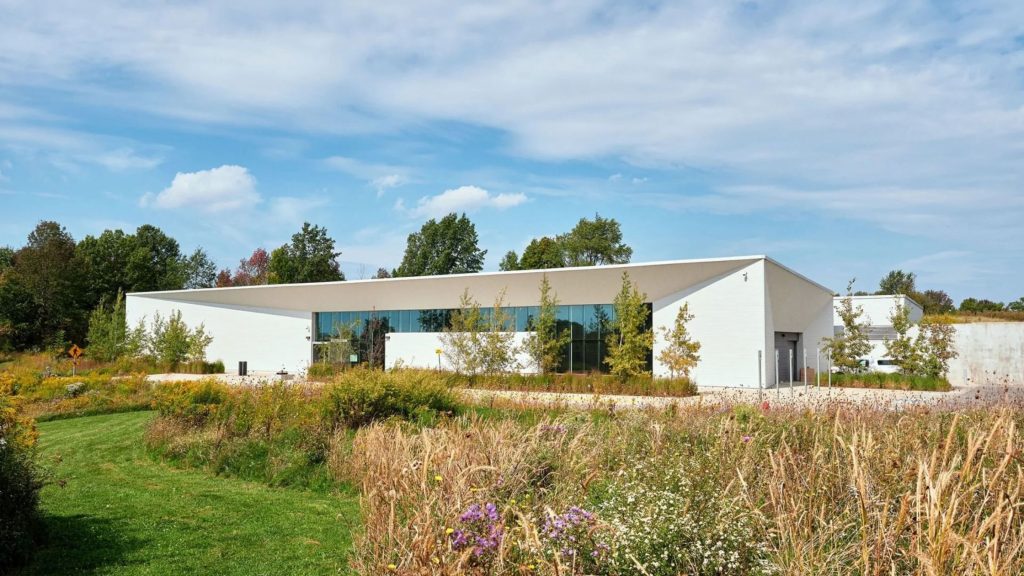
Today, the 595-acre site is a National Historic Landmark managed in close collaboration with the Seneca Nation (Onöndowa’ga:’) and the broader Haudenosaunee Confederacy. It includes the Seneca Art & Culture Center — a 17,300-square-foot interpretive facility with interactive galleries, theater presentations, and one of the most carefully considered gift shops in the region, featuring Seneca and Haudenosaunee art, jewelry, and heirloom Iroquois White Corn products. A full-size 17th-century bark longhouse replica stands on the grounds (open May–October), staffed by knowledgeable guides who answer questions in detail.
Three interpretive trail systems — the Earth is Our Mother Trail (1.7 miles), the Trail of Peace (0.8 miles), and the Granary Trail (0.6 miles) — are open year-round and free to walk. Admission to the longhouse and Art & Culture Center is seasonal; the main facility closes for approximately one month in January. Official site: ganondagan.org.
Sonnenberg Gardens and Mansion (Canandaigua)
One of the most extensively preserved Victorian country estates in the northeast, with nine formal gardens and a 40-room Queen Anne mansion dating to 1887. It’s the kind of place that rewards slow walking, and the grounds are genuinely designed for it. Open seasonally, typically May through October. Admission charged.
The Seward House Museum and Harriet Tubman National Historical Park (Auburn)
Auburn sits at the northeastern edge of the Finger Lakes and holds two sites that belong together on a visit. The Seward House was home to William H. Seward, Lincoln’s Secretary of State, and the site of one of the most consequential political households of the 19th century. Less than a mile away, Harriet Tubman’s home and the surrounding National Historical Park tell a different and essential chapter of the same era. Both offer guided tours. Admission charged at Seward House; the Harriet Tubman site has both free and paid components. Confirm current hours before visiting, as the Tubman site has expanded its programming in recent years.
Local Picks and Lesser-Known Stops
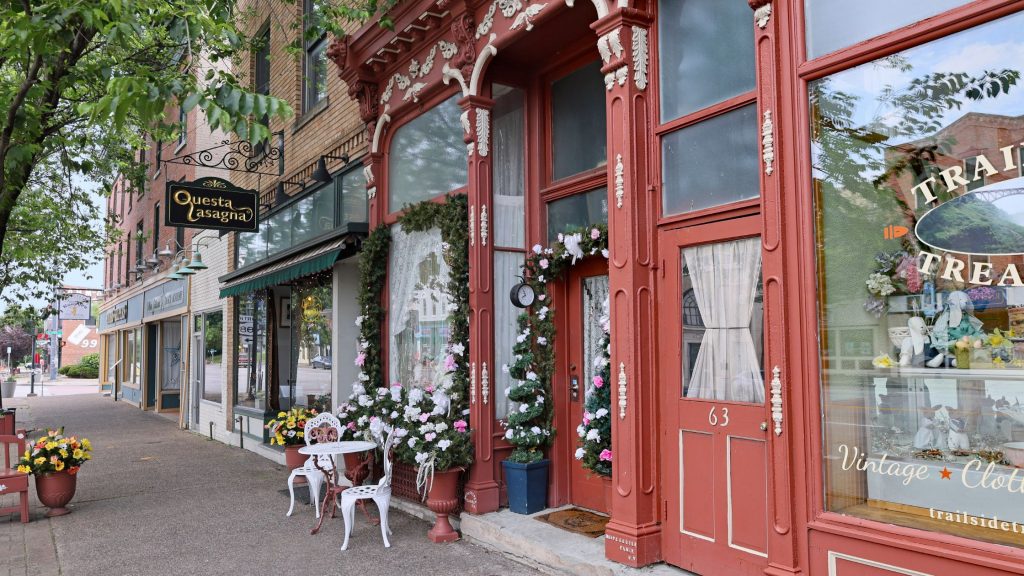
Stonecat Café (Hector, east shore of Seneca Lake) — The farm-to-table restaurant with the most local credibility on the Seneca wine trail, tucked into Hector on Route 414. The Sunday Jazz Brunch is the reservation that regulars protect; the weeknight dinner menu rotates with what’s in season, and the wine list is as good an education in the eastern Seneca terroir as you’ll get over a meal. Closed certain days mid-week in the shoulder season — call ahead.
Graft Wine + Cider Bar (Watkins Glen) — A natural-wine and hard-cider bar at the southern end of the wine trail that functions as a local gathering point rather than a tourist stop. The list covers smaller Finger Lakes producers that don’t show up on the major trail maps. Cash and card accepted; no reservations on most nights, but the room fills on weekends by 7 p.m.
Finger Lakes National Forest — Interloken Trail — The trail system between Seneca and Cayuga lakes is substantially less visited than the gorge parks and offers something they don’t: open grassland views, genuine solitude, and a sense of how big the region actually is. The trail allows dogs on leash. No entry fee. There are no amenities at the trailhead off Potomac Road — bring water and enough provisions.
Havana Glen Park (Montour Falls) — A Schuyler County park a few miles from Watkins Glen with a short, easy walk to Eagle Cliff Falls. Locals use this as the lower-effort alternative when the Watkins Glen gorge is at capacity, or as a warm-up hike with younger children. The falls are not Watkins Glen — nothing is — but the gorge is pleasant, the crowd is minimal on weekdays, and the walk to the falls takes under 20 minutes round trip. Free entry; small parking area, fills fast on summer Saturdays.
Ithaca Farmers Market (Ithaca) — Runs Saturdays and Sundays, April through December, on the Cayuga Lake waterfront at Steamboat Landing. One of the better farmers markets in New York State for the ratio of actual food producers to artisan vendors. Come hungry: the prepared food stalls — everything from Tibetan dumplings to Venezuelan arepas to wood-fired pizza — are as good a lunch as anything at a restaurant in town. Cash and card accepted; free entry.
What to Do in the Finger Lakes, by Season
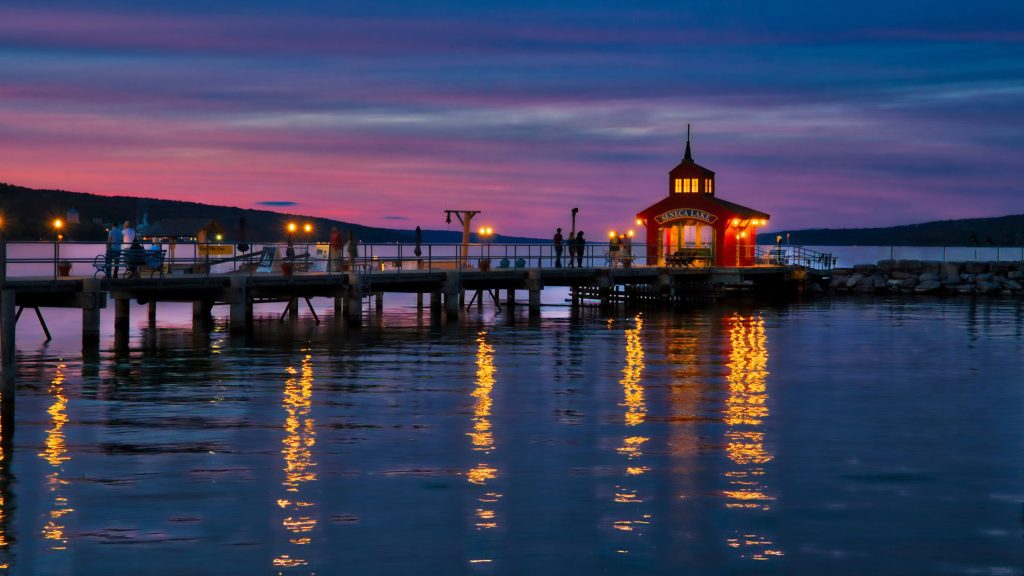
Spring — The gorges are at their most dramatic in May when snowmelt is still feeding the falls, and the Seneca Lake Wine Trail marks the season with Wine & Herb events and bud break celebrations at participating wineries. The Ithaca Farmers Market reopens in April. Gorge trail conditions vary — Watkins Glen’s main trail typically reopens mid-May, but check current conditions before the trip. Weekends in April around Cornell and Ithaca College graduation can fill lodging quickly in that corridor; book ahead or stay at the northern end of the lakes near Geneva.
Summer — Peak season and for good reason: swimming in the lakes, morning paddles on Seneca before the afternoon winds pick up, the GrassRoots Festival of Music and Dance at the Trumansburg Fairgrounds in mid-July (typically the second-to-last weekend), the Finger Lakes Wine Festival at Watkins Glen International (usually in July), and the NASCAR race at The Glen in August. Book accommodations 60–90 days out for summer weekends; lakefront rentals on Seneca and Cayuga at peak season go quickly.
Fall — The Finger Lakes don’t get enough credit for foliage. The combination of vineyard color change and hardwood canopy produces a two-week window in mid-October when Route 89 along Cayuga and the Route 414 eastern shore of Seneca are among the more visually dramatic drives in the northeast. The wine trail’s harvest events fill weekends in September and October. The gorge trails at Watkins Glen close in late October; visit before that deadline or shift to Taughannock, which has rim trail access year-round.
Winter — The case for a winter Finger Lakes trip is quieter but genuinely there. Bristol Mountain near Canandaigua offers downhill skiing and snowboarding, with typically 35-plus trails and snowmaking capacity through the season. Taughannock Falls freezes into a column of ice visible from the overlook above — one of the more unusual winter landscapes in the region. The Corning Museum of Glass and Rockwell Museum maintain their full hours. The Seneca Lake wine trail’s members stay open through winter weekends, and the region’s restaurants are far less crowded. The Ice Bar at the Watkins Glen Harbor Hotel in February is a mid-winter community event with carved ice luges and local cider and wine — worth checking the calendar.
Where to Base Your Trip
The Finger Lakes region spans roughly 100 miles east to west and 60 miles north to south, with eleven distinct lakes and dozens of towns of varying character. How you base the trip shapes which lakes and wine trails you’ll spend the most time on.
Watkins Glen and the Southern Seneca Corridor
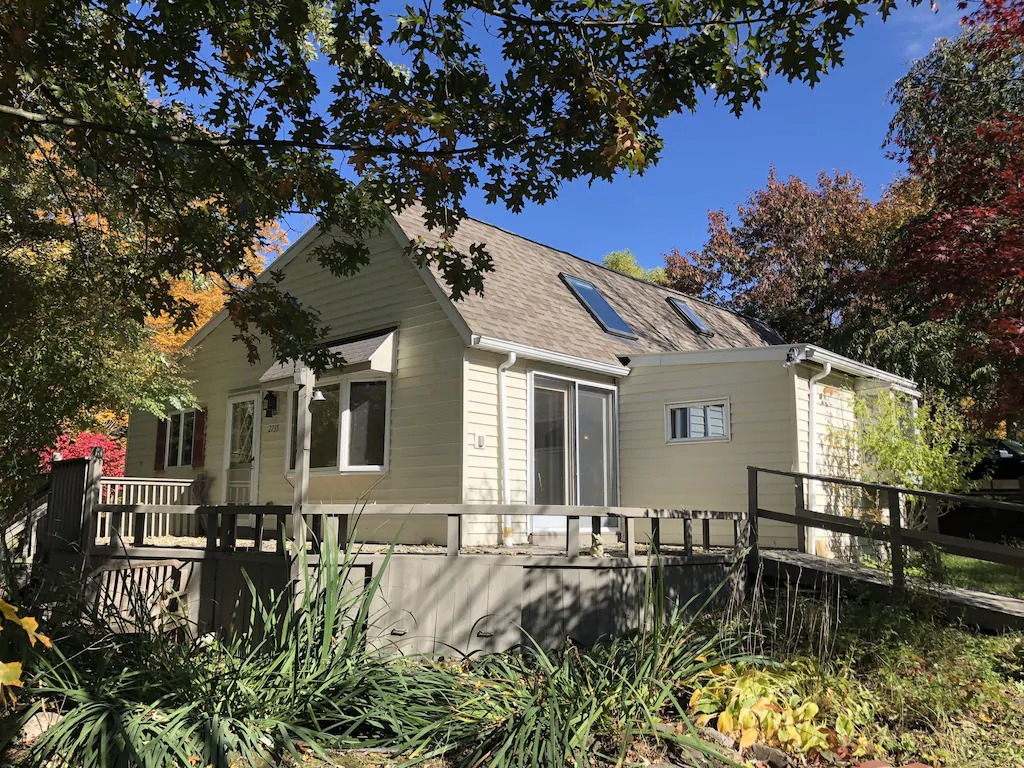
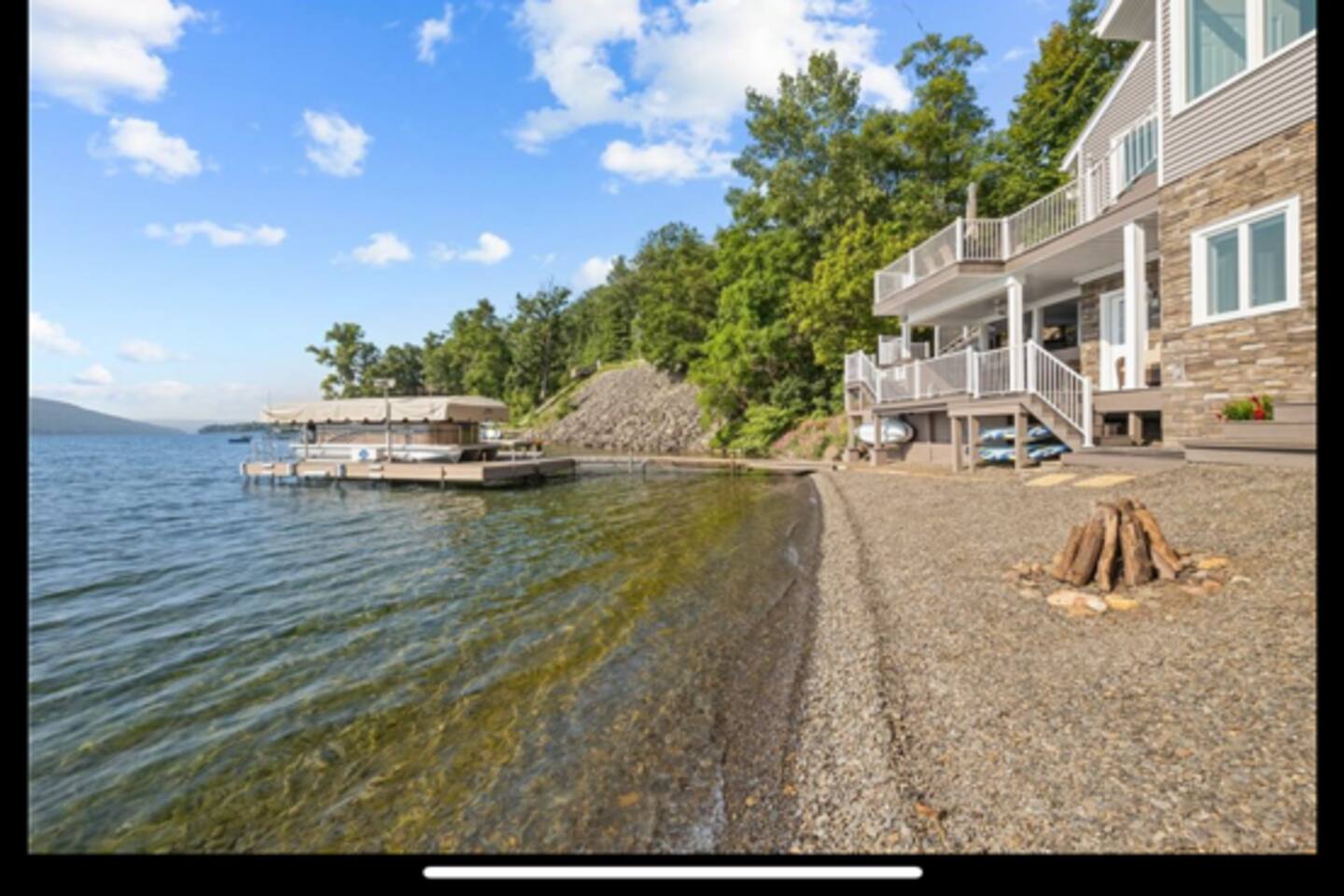
The village of Watkins Glen sits at the southern tip of Seneca Lake and is the most activity-dense single stop in the region: the state park, the harbor, the wine trail’s southern wineries, and Watkins Glen International are all within minutes. It’s the right base for outdoor-focused travelers and anyone who wants to be walking distance from the gorge at 8 a.m. before the crowds arrive. Vacation rentals in the Watkins Glen area range from smaller village-side cottages to lakefront homes; nightly rates for a two-bedroom lakeside property typically run $200–$400 in high season.
Geneva and the Northern Seneca Corridor
Geneva anchors the northern end of Seneca Lake and is the most food-and-culture-forward base in the region. Linden Street has a genuine dining and bar scene for a small city, the Smith Opera House is walkable, and proximity to both the Seneca and Cayuga wine trails makes day-trip winery itineraries easy. Hobart and William Smith Colleges give the town a year-round energy. Larger lakefront vacation homes and multi-family properties are more available here than in the village, making it a natural anchor for group gatherings.
Ithaca and the Cayuga Lake Corridor
Ithaca has Cornell University, a year-round farmers market, downtown independent restaurants, and immediate access to Taughannock Falls, Buttermilk Falls, Robert H. Treman, and the Cayuga wine trail. It’s the best base for anyone who wants to combine gorge hiking and city walkability. The Cascadilla Gorge Trail connects downtown directly to the Cornell campus. Pet-friendly rental options are relatively plentiful in the neighborhoods north of downtown and along the lake’s western shore.
The Keuka Lake Shore
Keuka Lake — the Y-shaped one — is quieter than Seneca and Cayuga, with fewer crowds and a wine trail (Keuka Lake Wine Trail) that feels more intimate and less structured. Hammondsport at the southern tip is a small historic village with a good local atmosphere and the Glenn H. Curtiss Museum (dedicated to the pioneering aviator). Keuka Lake properties tend toward lakefront cottages and older seasonal homes; expect a more traditional, less polished stay in the best sense of the term.
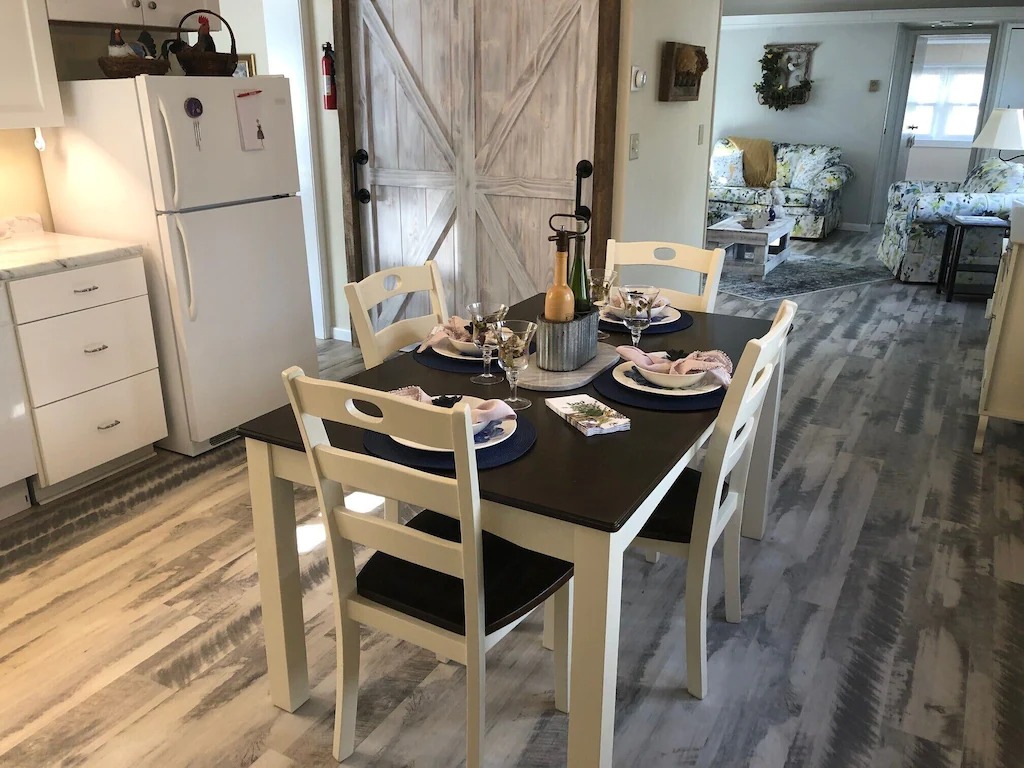
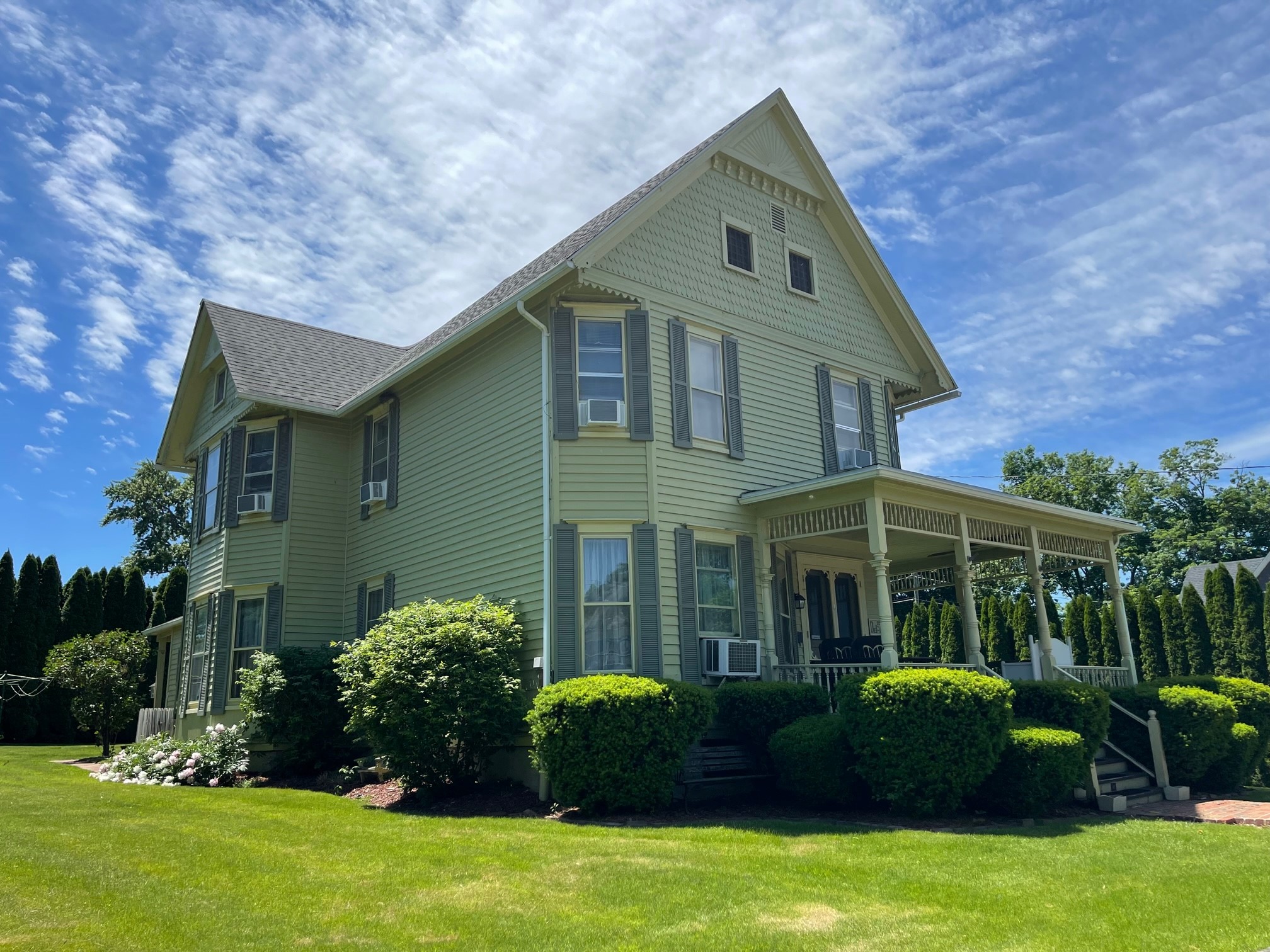
Lake.com’s vacation rental inventory across the Finger Lakes covers all four corridors, from lakefront cabins on Keuka to larger group homes on Cayuga — worth browsing by lake and trip size to narrow down the right fit.
The light over Seneca Lake changes at a pace that seems to argue for staying one more day. By early evening, the wine country hills go amber, the water goes dark, and the kind of quiet that central New York earns after tourist season settles in like a second destination. That’s the version of the Finger Lakes the locals know — and the one waiting just past the gorge trail and the last winery of the afternoon. Rent a house with a porch facing the water and give it enough time to find you.