
Information not accurate?
Help us improve by making a suggestion.
Clinton Celebrates Heritage at Little Italy Festival
Bocce, grape-stomping, Italian street fare, crafts, midday parades & fireworks Monday night.
Event details
Clinton, Indiana, has hosted the Little Italy Festival every Labor Day weekend since 1966 — sixty years of continuous celebration that began as a Lions Club community identity project and has grown into the largest Italian-heritage festival in the Midwest, drawing up to 275,000 visitors across four days to a city of fewer than 5,000 permanent residents. The 2026 edition runs September 4 through September 7 along the Wabash River corridor, with all stage entertainment free and the overall event accessible at no admission charge. The festival’s roots are specific: in the early 20th century, Clinton attracted large numbers of northern Italian immigrants to work its coal mines, and by the 1920s, the city’s northwest neighborhood — known as Little Italy — contained four grocery stores, two meat markets, a bakery, a cheese shop, multiple clothing stores, and a shoe shop, all Italian-owned. That heritage is the festival’s authentic foundation, and it shows.
What the Festival Contains
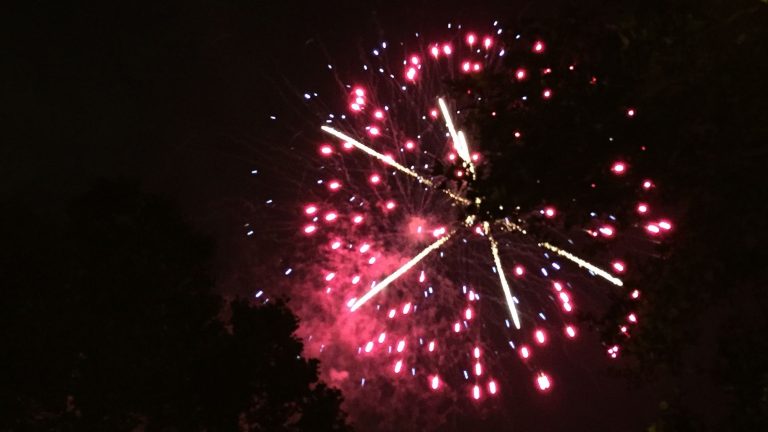
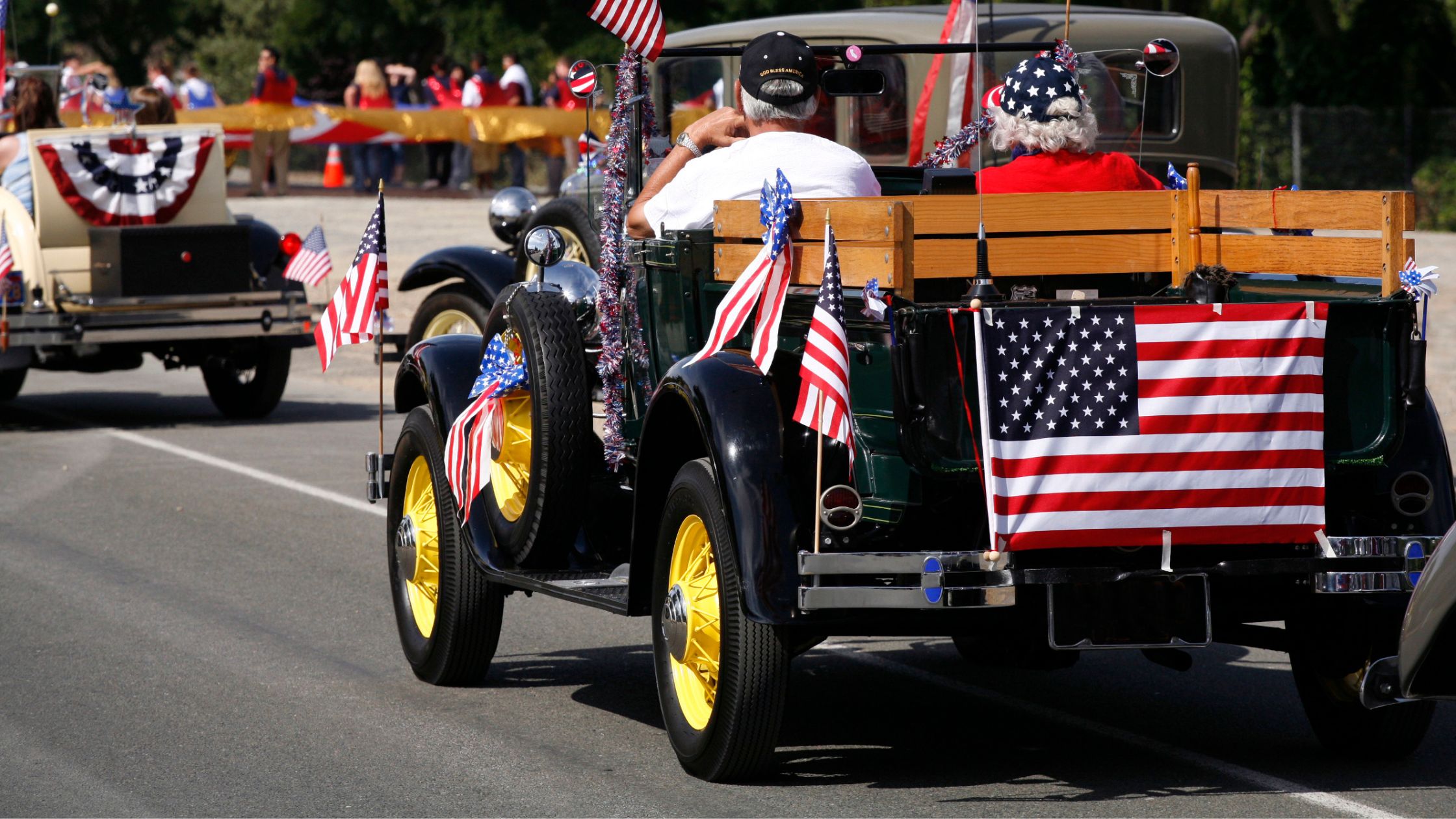
The opening Friday parade is confirmed as the second-largest parade in Indiana — a procession featuring the gondola carrying the Re (King) and Regina (Queen), followed by the official welcome and opening ceremony at the Main Stage on Water Street. Subsequent days layer on a schedule that covers grape stomping, the Indiana Bocce Ball Championship, eating contests, costumed performances by the Little Feet Dancers and South Vermillion Band and Choir, a flea market along the festival footprint, and the grapevine-roofed wine garden that has been the festival’s most photographed physical feature across its sixty-year run. Monday closes with a fireworks display over the Wabash River. The L.I.F.T. Auction and wagon ride tours of Clinton landmarks — including the Wine Gardens, the Little Italian House (built 1921, purchased by the festival committee in 1979), and the Coal Fountain — provide cultural context that goes beyond the market-and-music format of most comparable festivals. One of fewer than 400 genuine gondolas in the United States operates on the Wabash during the festival — a detail that requires repetition because it is genuinely unexpected in western Indiana.
Clinton’s Coal and Immigration Heritage
The Clinton area’s coal mining history shaped the community in ways that the festival’s programming honors with specific physical landmarks. The Coal Fountain on Elm Street, flanked by Luigi — the immigrant figure sculpted by Joe Airola in 1973 — and Il Toro, the bull’s head drinking fountain based on Airola’s concept and inspired by Turin’s civic symbol, give the festival grounds a sculptural identity that connects contemporary celebration to the community’s industrial past. The Vermilion County War Museum in nearby Danville, Illinois (30 miles west), and the Terre Haute area’s historical resources cover the broader industrial heritage context if families want a structured museum visit alongside the festival.
Where to Eat in and Around Clinton
Don’s Deli (Clinton, open since 1978) is the most locally embedded Italian-American food institution in the immediate area, with a counter-service deli running house-made sausage, Italian beef sandwiches, and the slow-cooked Sunday gravy over penne that draws the festival crowd for a sit-down Italian meal beyond the vendor food on Water Street. Saratoga Restaurant (Clinton, open since 1955) covers the community diner tradition reliably — the house-made lasagna with local ground beef and ricotta and the Italian wedding soup made from scratch on Mondays have been institutional preparations for multiple generations of Vermilion County diners.
Points of Interest for Families
Prophetstown State Park (40 miles north of Clinton near Battle Ground, Indiana, open since 2004) recreates an 1920s-era working farm alongside the interpretive material on the Battle of Tippecanoe (1811) and the Prophetstown Native American village that preceded it — a dual-layered historical encounter that gives families both frontier agricultural history and Indigenous history at a single location. The Wabash River at Clinton itself is the most immediately accessible water resource, with the festival grounds positioned on the riverfront and canoe access points upstream that give visitors a paddle option during non-festival daylight hours.
Book Your Stay on the Water
The Wabash River vacation rental options in the Clinton corridor provide the most direct water proximity for festival visitors. For a more developed lake stay, search Lake.com for properties at Raccoon Lake (Cecil M. Harden Lake) 40 miles southeast, where a Corps of Engineers impoundment offers the lake-recreation complement to the festival weekend.
Information not accurate?
Help us improve by making a suggestion.