
Where the Civil War Ended: Lee's Surrender at Appomattox















Where the Civil War Ended: Lee's Surrender at Appomattox
On April 9, 1865, in a private home in the small Virginia village of Appomattox Court House, Confederate General Robert E. Lee signed surrender terms offered by Union Lieutenant General Ulysses S. Grant, effectively ending four years of civil war and beginning the long process of national reunification. The village that witnessed that moment has been preserved and, in large part, reconstructed exactly as it appeared on that April morning. Walking through Appomattox Court House National Historical Park today means walking through the lanes of an 1865 Virginia community at its most historically consequential hour.
The park encompasses approximately 1,700 acres of rolling central Virginia countryside, with the historic village of Appomattox Court House at its center. The McLean House, where the surrender took place, is the park’s most significant single structure. Though the original house was dismantled in the 1890s after the county seat relocated, it was meticulously reconstructed by the National Park Service in 1949 based on photographs and historical records. Inside, visitors walk through the parlor where Lee and Grant sat, surrounded by period furnishings and interpretive exhibits that explain both the military circumstances and the human dimensions of the surrender.
The park’s interpretive program is strong and consistently praised. Ranger-led tours of the McLean House and the village bring the events to life with depth and nuance, addressing not only the military history but the questions of emancipation and reunification that the surrender opened rather than settled. The visitor center in the reconstructed courthouse offers films, exhibits, and orientation to the park’s several sites, including Lee’s headquarters location, an artillery park, and interpretive trails through the surrounding fields and woodlands.
The park hosts its annual April Surrender Anniversary event with living history presentations, guided walks, and family activities, making it one of the most immersive historic park experiences available anywhere in Virginia. For families with children, the Junior Ranger program and the park’s accessible lanes and interpretive signage make history tangible and engaging.
The park sits about three miles north of the town of Appomattox, which is about 90 miles west of Richmond and 20 miles east of Lynchburg. The surrounding Piedmont Virginia region offers cabin rentals and vacation homes in the rolling countryside, with access to the High Bridge Trail State Park, James River State Park, and the Blue Ridge foothills. Lynchburg provides the most complete range of lodging options, including cozy vacation rentals that comfortably sleep families and groups visiting for the history. Holliday Lake State Park, nearby, adds camping and fishing to the regional mix.
Visit nps.gov/apco for current tour schedules, fees, and annual event calendars. Book your accommodations for Appomattox Court House National Historical Park.
Seasons
Visit in spring for mild temperatures (60s-70s°F) and vibrant events. Experience the 160th Commemoration of Surrender and Freedom Day in April, with guided walks, living history programs, and family activities amidst blooming landscapes. Ideal for history enthusiasts and outdoor explorers.
Summer brings warm temperatures (80s-90s°F) and humid days, ideal for outdoor events. Attend the Annual Civil War Baseball and Heritage Day in July or Music in the Park concerts on the McLean House porch. Rich history and lively summer activities make this a must-visit destination.
Visit in fall for crisp 60-70°F days and vibrant foliage. Enjoy the Joel Sweeney Banjo Music Festival in September and the 8th Annual Lantern Tours in late September, offering a unique blend of history and culture. Ideal for a serene and enriching autumn experience.
Experience the serene winter landscape from November to March, with temperatures ranging from 20-40°F, occasional snow, and a tranquil atmosphere, ideal for a peaceful and historic immersion.
Top 3 Facts about Appomattox Court House National Historical Park
The McLean House, where General Robert E. Lee signed surrender terms on April 9, 1865, was dismantled in 1893 by investors who planned to move it to Washington, D.C. as a Civil War museum. The project failed and the house fell into ruin. In 1949, the National Park Service painstakingly reconstructed the McLean House using original photographs, measured drawings, and archaeological evidence from the site.
The Appomattox Court House National Historical Park preserves an approximately 1,700-acre landscape that includes the historic village core, rolling fields and woodlands where Union and Confederate forces were positioned, and the routes of the final engagements before the surrender. Nine hiking trails connect these sites, allowing visitors to walk the terrain the armies occupied in the park’s final days.
On April 12, 1865, three days after the surrender, the Army of Northern Virginia formally stacked its arms and marched away through the village of Appomattox Court House under the respectful salute of Union forces commanded by General Joshua Chamberlain. This ceremony of mutual respect, sometimes called the Surrender Parade, became a symbol of the reconciliation that the broader nation struggled to achieve for generations afterward.
Travel Tips
Plan Ahead
The visitor center and McLean House tours have seasonal hours; check nps.gov/apco for current schedules and tour fees before visiting. The annual April Surrender Anniversary events, held April 8 to 12, draw larger crowds and are worth planning around. No entrance fee is required for park grounds access; fees apply for house tours. The park is approximately 20 miles east of Lynchburg via US-460.
Pack Appropriately
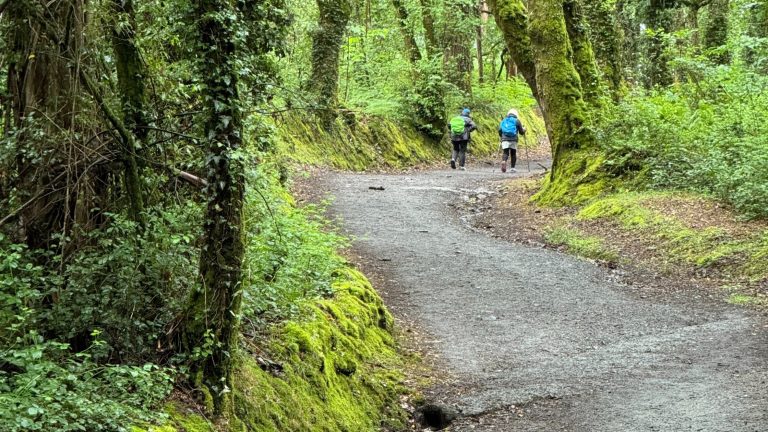
Comfortable walking shoes are recommended for the park’s crushed stone village lanes and hiking trails, which include some uneven terrain. Pack water and sun protection for the open fields and artillery park areas. Layers are useful in spring and fall when temperatures can shift significantly during the day. Photography is permitted throughout the park grounds.
Respect Wildlife
The park’s woodlands and meadow edges support white-tailed deer, wild turkeys, red-tailed hawks, woodpeckers, and migratory songbirds. Keep a respectful distance from all wildlife. Do not approach or feed deer, which are accustomed to human presence but remain wild animals. Stay on marked trails to protect the archaeological record preserved in the park’s landscape and soil.
Stay Informed
Check nps.gov/apco for current visitor center hours, tour availability, trail conditions, and special event schedules before visiting. The park observes federal holidays with adjusted hours. Rangers post current conditions and closures on the park website. Contact Appomattox Court House National Historical Park at 434-352-8987 for current information.
- Area (mi²)
- 2.7
- Established year
- 1935
Accessibility & permits
Emergency

Planning a trip?
Tell us about your upcoming trip and how we can help!


Frequently Asked Questions
Ready to dive into what Appomattox Court House National Historical Park has to offer? Let’s tackle some of the burning questions you might have as you plan your visit!
-
The closest city to the park is Appomattox, Virginia, but the nearest larger city is Lynchburg, Virginia, which is about 20 miles west of the park.
-
The Sweeney Trail is a good option for kids, as it is only 0.9 miles long, takes about 40 minutes one way, and is classified as easy. This trail allows kids to see the Sweeney Prizery, the oldest building on the grounds, and learn about the local Sweeney family and the origin of the five-string banjo. The short and easy nature of the trail makes it suitable for younger hikers.
-
Dogs must be on a leash no longer than six feet and under the owner’s control at all times. They are not allowed to be left unattended. Pets are also required to wear a collar with current tags and owners must clean up after them.
-
Yes, parking is free. There is a large free parking lot next to the village.
-
On April 9, 1865, Confederate General Robert E. Lee surrendered his Army of Northern Virginia to Union General Ulysses S. Grant at the McLean House in Appomattox Court House, Virginia, marking a significant end to the American Civil War. This surrender led to the capitulation of other Confederate forces and ultimately the end of the war. The meeting concluded by 3:00 p.m. with a respectful farewell between the generals.