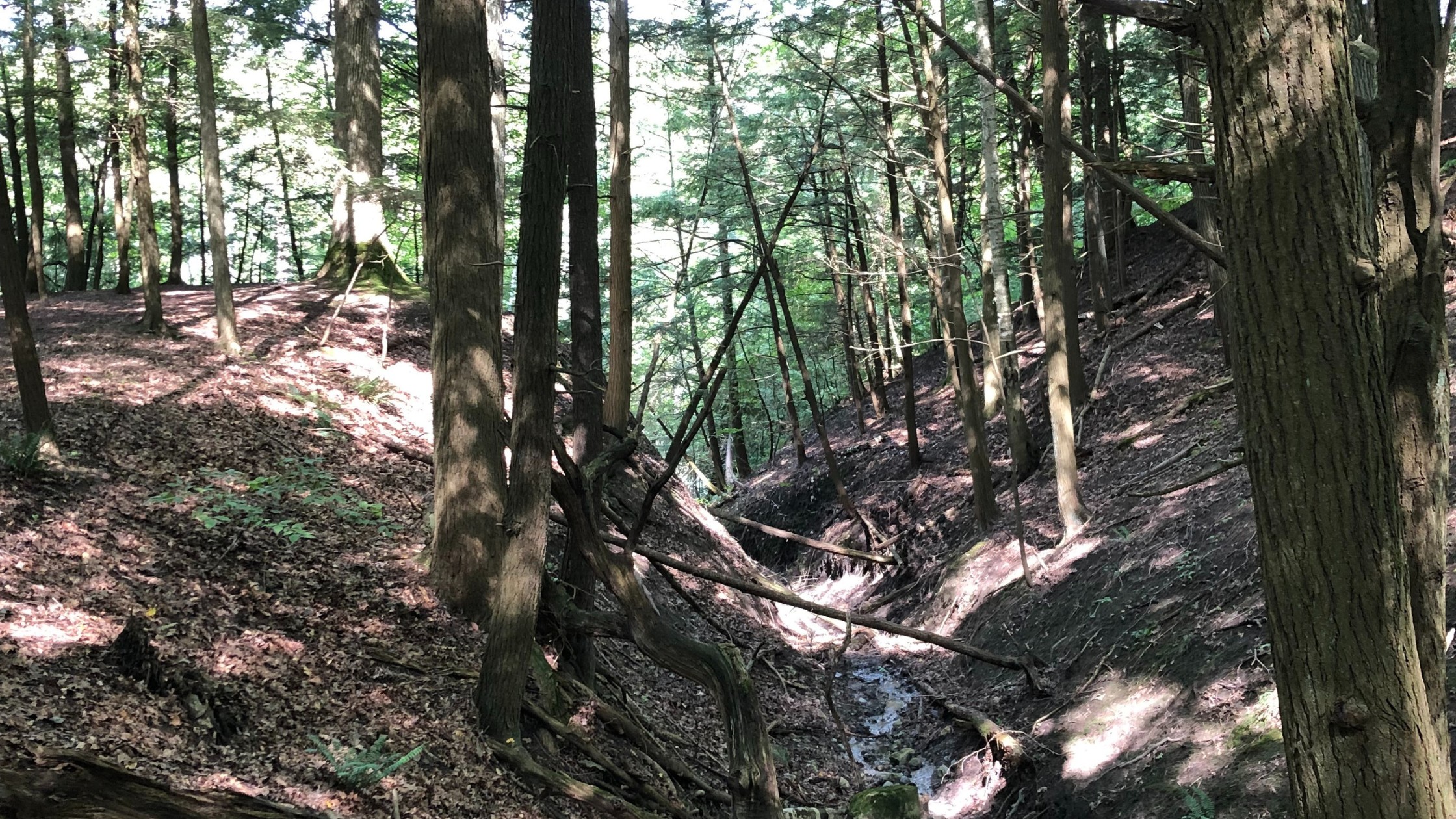
Step back in time at this captivating coastal fortification steeped in history.




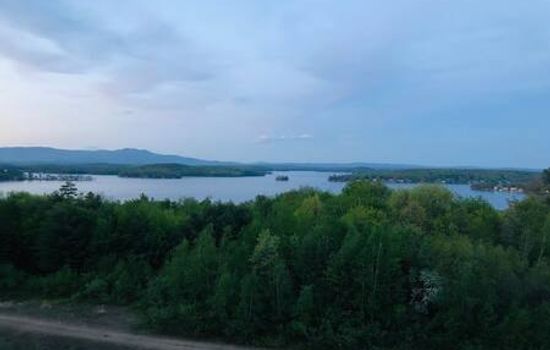










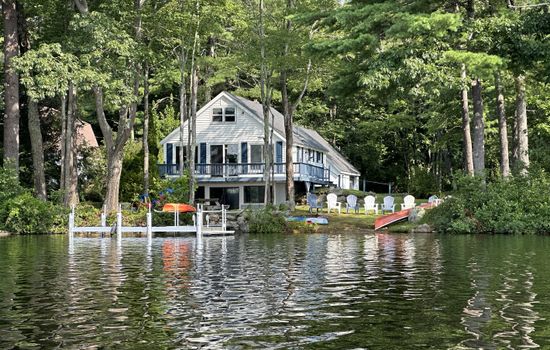


Step back in time at this captivating coastal fortification steeped in history.
Fort Stark State Historical Site in New Hampshire offers a captivating glimpse into the region’s storied past. This coastal gem, located in New Castle, boasts sweeping views of the Atlantic Ocean, inviting visitors to explore both its natural beauty and historical significance. Originally built during the Civil War, the fort played a crucial role in protecting the strategic Portsmouth Harbor, and today, its well-preserved structures tell tales of military history and maritime defense.
As you wander through the site, the remnants of stone walls and artillery placements evoke a sense of time gone by. The park’s walking trails wind through lush landscapes, providing a serene backdrop for leisurely strolls. History enthusiasts will appreciate the informative plaques that detail the fort’s construction and its place in American military heritage.
Fort Stark is not just a historical site; it is a place where nature and history converge. Visitors can enjoy picnicking amidst the scenic vistas, making it an ideal spot for families and couples alike. This unique destination invites exploration, reflection, and a deeper appreciation for New Hampshire’s rich historical tapestry.
Seasons
Spring’s gentle warmth and blooming landscapes invite visitors to explore this historic coastal fort, offering a serene retreat with panoramic ocean views and rich military heritage.
Summer’s warm, sunny days and extended daylight hours make June, July, and August ideal for exploring the historic fort’s coastal trails, picnicking on grassy lawns, and enjoying the ocean’s beauty.
In fall, the historic fort offers a serene retreat with crisp air, vibrant foliage, and panoramic coastal views, making September through November ideal for exploration.
Winter’s serene embrace transforms this coastal fort into a tranquil retreat, offering crisp air, panoramic ocean vistas, and a peaceful ambiance perfect for reflection and exploration.
Top 3 Facts about Fort Stark State Historical Site
Among the unique wildlife in the area, rare sightings of the endangered Eastern Black Rail and the vibrant Red-shouldered Hawk occur during migration seasons, while local flora supports endemic species like the delicate New England aster, showcasing the region’s rich biodiversity and ecological significance.
This historical site experiences unique microclimates due to its coastal location, where the convergence of oceanic winds and local topography can lead to sudden weather changes, including intense storms that create fascinating phenomena like dramatic wave patterns and unusual cloud formations, captivating meteorologists and visitors alike.
This site boasts the first coastal fortification in New Hampshire, with bizarre trail names like “Ghost Trail” and unusual rules prohibiting kite flying and metal detecting, reflecting its historical significance and the need to preserve the integrity of the landscape while promoting outdoor activities.
Travel Tips
Plan Ahead
Planning ahead is essential for a seamless visit to this historical site. Check the weather forecast and dress in layers, as conditions can change rapidly. Arrive early to explore the grounds without the crowds, and don’t forget to bring along a picnic to enjoy while soaking in the scenic views. Be sure to download a map of the trails to enhance your experience.
Pack Appropriately
When visiting this coastal historical site, pack layers to adapt to the unpredictable New England weather. The sea breeze can be brisk, even in summer, so include a light jacket and comfortable walking shoes to explore the rugged shoreline and trails. Don’t forget binoculars for birdwatching; the area is a haven for migratory species.
Respect Wildlife
When visiting this historic site, prioritize wildlife respect by observing animals from a distance and refraining from feeding them. Keep noise levels low to avoid startling local species and stick to designated trails to protect their habitats. Remember, your presence can impact these creatures, so embrace the beauty of nature while ensuring it remains undisturbed for future visitors.
Stay Informed
Stay informed before your visit by checking the weather forecast, current temperatures, and any fire bans or notices. Always share your plans with someone, including your destination and expected return time, and keep emergency contact information handy to ensure a safe and enjoyable outing.
Accessibility & permits
Emergency

Planning a trip?
Tell us about your upcoming trip and how we can help!

Frequently Asked Questions
Ready to dive into what Fort Stark State Historical Site has to offer? Let’s tackle some of the burning questions you might have as you plan your visit!
-
Fort Stark’s operating hours are typically from 9 AM to 5 PM daily, but it’s best to check the official website for seasonal variations and holiday hours
-
There is no entrance fee to visit Fort Stark, making it an accessible destination for all visitors
-
Pets are allowed on-site but must be leashed at all times and cleaned up after; it’s advisable to check for any specific regulations
-
Available activities include guided tours, historical reenactments, picnicking, and exploring the scenic coastal views and hiking trails in the surrounding area
-
To get to Fort Stark, take Route 1A to New Castle, then follow the signs to the fort; it’s easily accessible by car and offers parking for visitors.