Discover breathtaking trails and serene landscapes in Missouri's hidden outdoor gem.



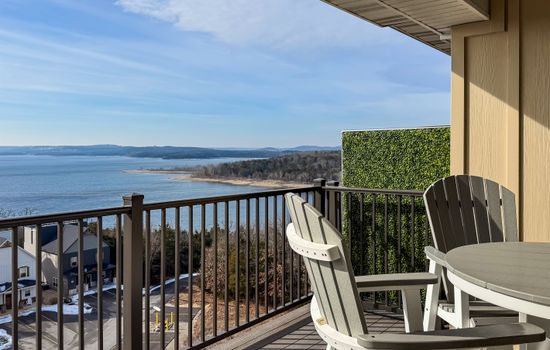
























Discover breathtaking trails and serene landscapes in Missouri's hidden outdoor gem.
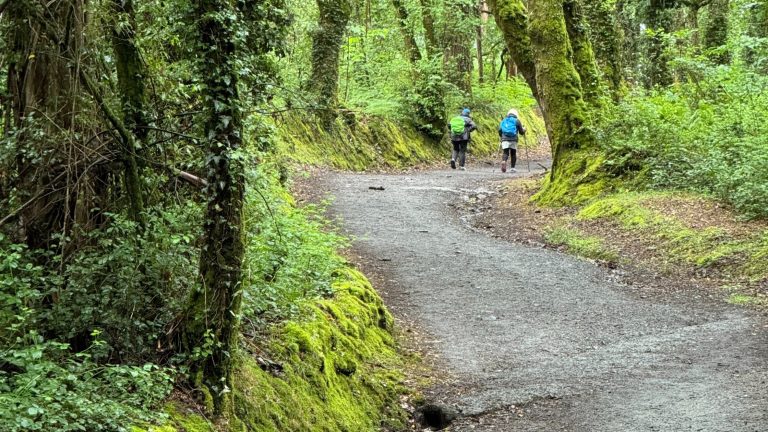
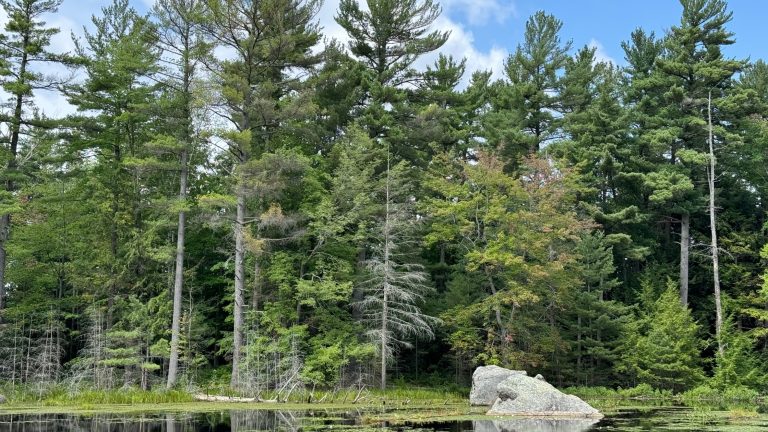
Tucked away in the heart of Missouri, Niangua State Forest offers an exquisite escape into nature’s embrace. This expansive forest, spanning over 1,600 acres, invites travelers to explore its lush landscapes, where towering trees and vibrant wildflowers create a picturesque backdrop for outdoor enthusiasts. Whether you seek solitude or adventure, the forest’s diverse terrain caters to all, offering hiking trails that wind through scenic vistas and tranquil streams.
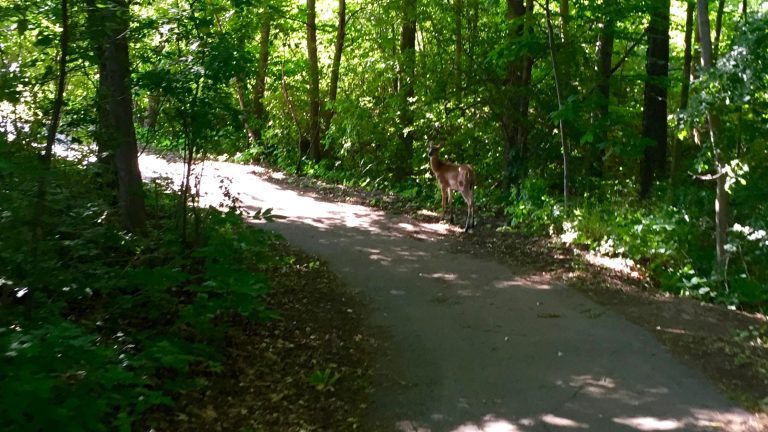
As you traverse the winding paths, the symphony of chirping birds and rustling leaves envelops you, enhancing the immersive experience. Wildlife abounds, making it a paradise for birdwatchers and photographers alike. The forest’s rich biodiversity showcases Missouri’s natural beauty, providing a serene environment that rejuvenates the spirit.
For those looking to unwind, the forest’s picnic areas offer the perfect setting for a leisurely lunch surrounded by nature. With each season, Niangua State Forest transforms, revealing new wonders and inviting visitors to return time and again. Experience the allure of this hidden gem and create unforgettable memories in the heart of Missouri.
Seasons
In spring, the lush forests and vibrant wildlife of this Missouri destination offer an idyllic setting for hiking, fishing, and canoeing, making it a must-visit for nature enthusiasts.
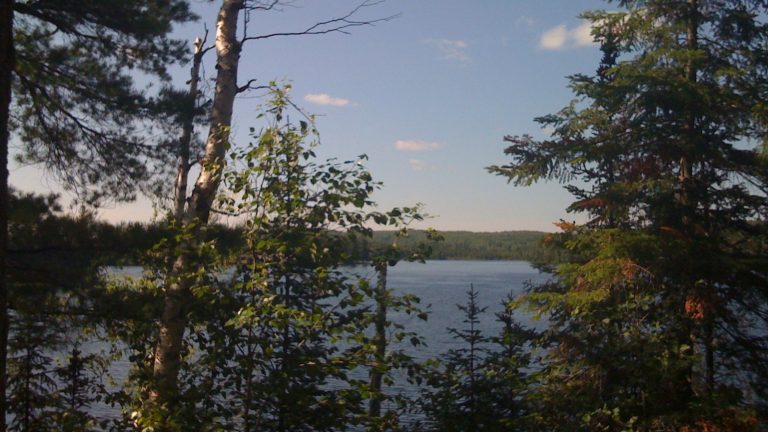
Summer’s warm days and clear skies invite visitors to explore the lush forests, enjoy tranquil river activities, and immerse themselves in the vibrant natural beauty of the region.
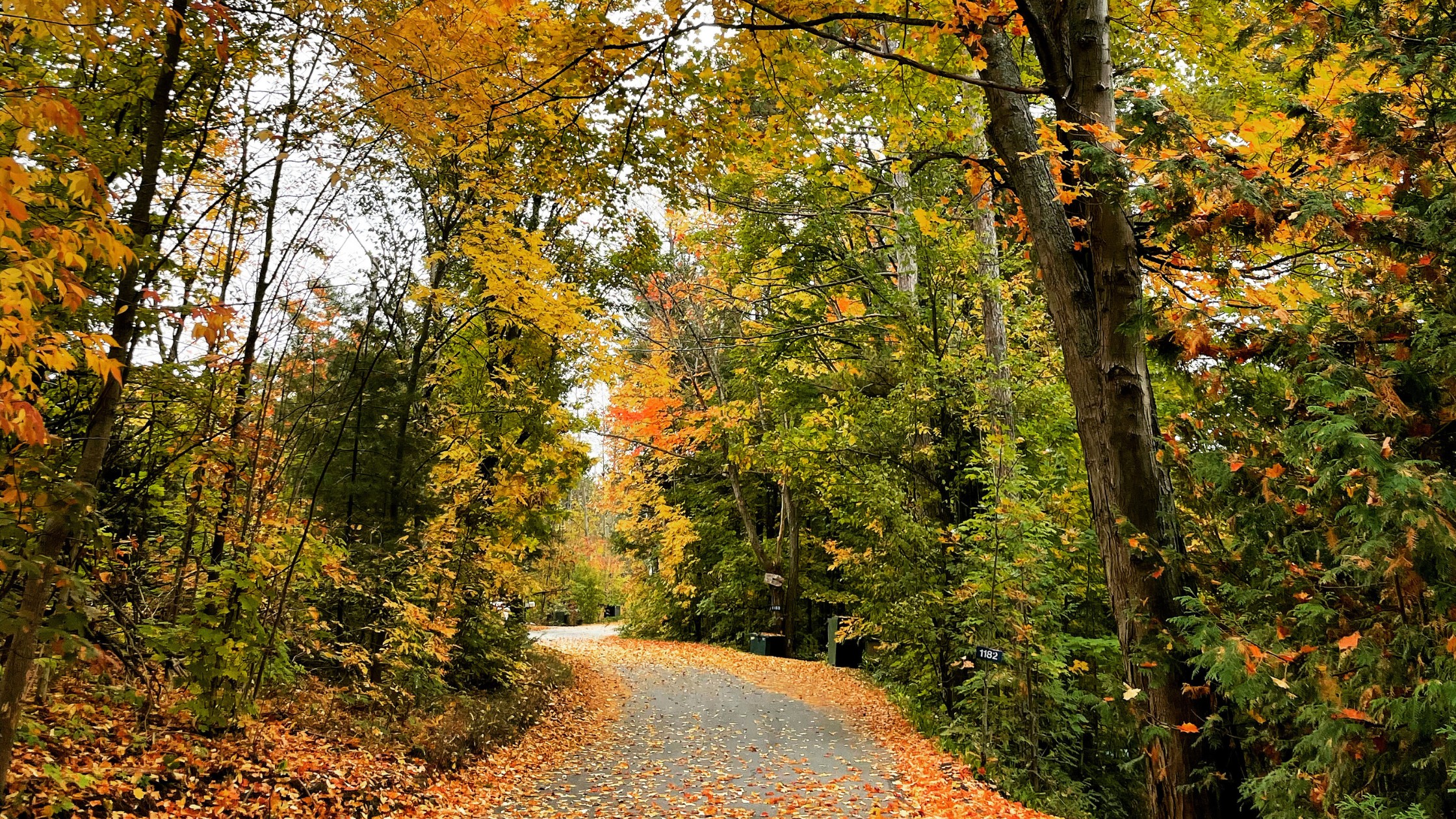
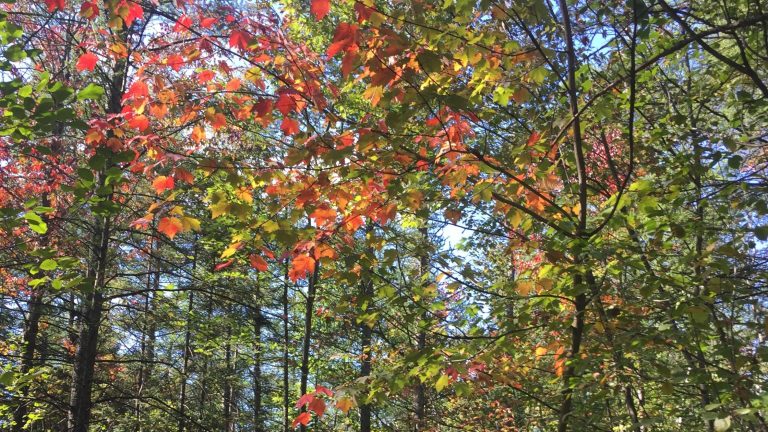
In autumn, the region’s forests transform into a vibrant tapestry of reds, oranges, and yellows, offering unparalleled hiking and paddling experiences amid crisp, clear days.
Embrace the serene beauty of Missouri’s winter landscape with crisp air, snow-dusted trails, and tranquil waters, offering a peaceful retreat from the hustle and bustle of daily life.
Top 3 Facts about Niangua State Forest
In this unique ecosystem, rare sightings of the elusive Eastern Hellbender, North America’s largest salamander, alongside the seasonal migration of various bird species, highlight the region’s rich biodiversity, showcasing the intricate relationships between endemic wildlife and their habitats that remain largely unexplored.
In a unique microclimate, certain areas experience temperature variations exceeding 30 degrees Fahrenheit within just a few hundred feet, creating diverse ecosystems where species thrive in unexpected ways, showcasing how localized weather phenomena can dramatically influence biodiversity and ecological interactions.
Known for its unique trail names like “Screaming Eagle” and “Whispering Pines,” this forest also boasts records in outdoor sports such as the longest continuous hike, while unusual rules ban activities like rock climbing and motorized vehicles, preserving its serene natural beauty.
Travel Tips
Plan Ahead
Planning ahead is essential for an enjoyable visit to this natural haven. Be sure to check weather conditions, trail maps, and local regulations before you go. Pack essentials like water, snacks, and a first aid kit, and consider arriving early to secure a good parking spot. With the right preparation, you can fully immerse yourself in the stunning landscapes and abundant wildlife.
Pack Appropriately
When packing for your trip, consider including a lightweight hammock to take advantage of the abundant trees and serene spots for relaxation. The region’s unique topography offers stunning views, so bring binoculars for birdwatching and a portable charger to capture the breathtaking landscapes without worrying about battery life.
Respect Wildlife
When exploring the lush trails, keep a respectful distance from wildlife. Observe animals in their natural habitat without disturbing them; this ensures their safety and enhances your experience. Avoid feeding wildlife, as it disrupts their natural foraging habits and can lead to dependency. Carry binoculars for a closer look while maintaining a safe and respectful distance.
Stay Informed
Before your visit, stay informed by checking the weather, temperatures, and any fire bans or notices in the area. Always tell someone your destination and expected return time, and familiarize yourself with emergency contact information to ensure a safe and enjoyable experience.
Accessibility & permits
Emergency

Planning a trip?
Tell us about your upcoming trip and how we can help!
Frequently Asked Questions
Ready to dive into what Niangua State Forest has to offer? Let’s tackle some of the burning questions you might have as you plan your visit!
-
Niangua State Forest offers a variety of activities including hiking, birdwatching, and wildlife observation, with several trails that cater to different skill levels. Visitors can explore the natural beauty of the forest while enjoying the serene environment.
-
Yes, Niangua State Forest provides camping facilities, including designated campsites that are equipped with picnic tables and fire rings. Campers can enjoy a rustic experience surrounded by nature, with access to nearby trails.
-
The best time to visit Niangua State Forest is during the spring and fall months when the weather is mild and the foliage is particularly beautiful. Spring offers blooming wildflowers, while fall showcases vibrant autumn colors.
-
There are no formal guided tours available in Niangua State Forest; however, visitors can explore the area on their own, and local organizations may occasionally offer special events or educational programs.
-
Yes, fishing is permitted in certain areas of Niangua State Forest. Anglers can enjoy fishing in nearby streams and lakes, but it’s important to check local regulations for specific rules and requirements.