
Discover a hidden gem of natural beauty and outdoor adventure in upstate New York.
Newest




Discover a hidden gem of natural beauty and outdoor adventure in upstate New York.
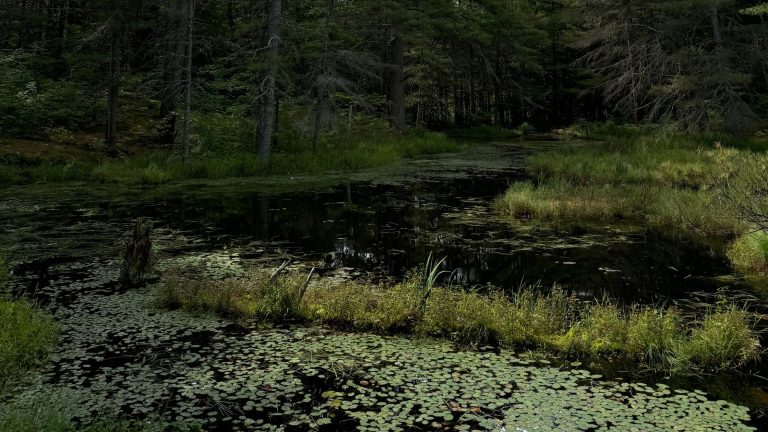
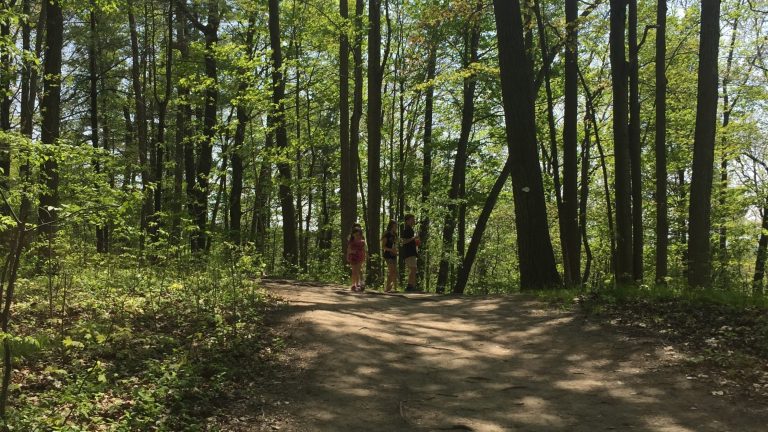
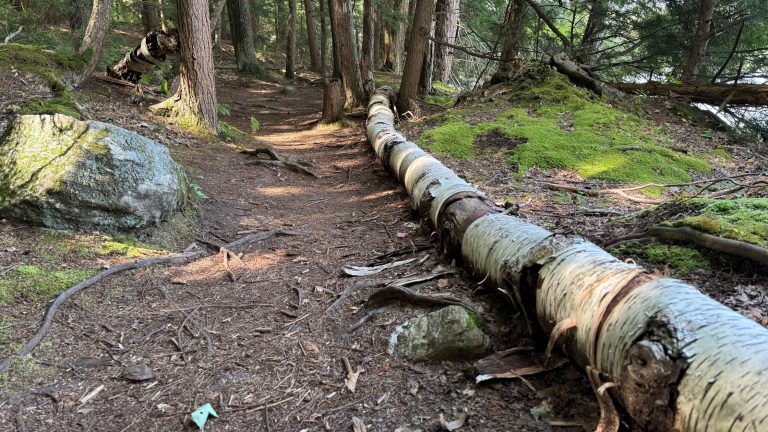
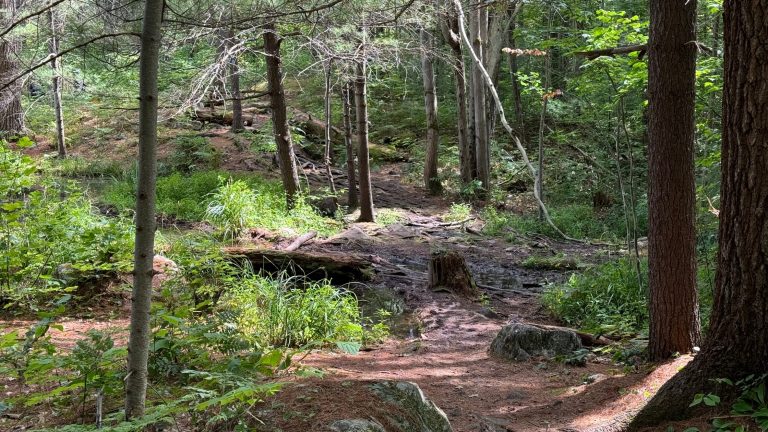
Tonawanda State Wildlife Management Area in New York offers an exquisite escape into nature’s untouched beauty. Spanning over 14,000 acres, this sanctuary is a haven for outdoor enthusiasts and wildlife lovers alike. As you traverse its winding trails, the vibrant tapestry of flora and fauna unfolds, showcasing the rich biodiversity that thrives within its borders.
The area is particularly renowned for its birdwatching opportunities. From majestic eagles soaring overhead to the delicate calls of songbirds, each visit reveals a new spectacle. Anglers will find tranquility along the area’s pristine waterways, where the promise of a rewarding catch lingers in the air.
In every season, Tonawanda transforms, offering unique experiences. Spring bursts forth with wildflowers, while autumn paints the landscape in hues of gold and crimson. With its diverse ecosystems and serene ambiance, this wildlife management area invites visitors to immerse themselves fully in the natural world, making it a must-visit destination for those seeking a luxurious retreat in the heart of New York’s wilderness.
Seasons
Spring’s arrival transforms this 5,600-acre wetland into a haven for migratory birds, offering unparalleled opportunities for birdwatching, hiking, and nature photography amidst vibrant flora and fauna.
Summer at Tonawanda Wildlife Management Area offers ideal conditions for fishing, boating, and wildlife photography, with warm temperatures and abundant sunshine enhancing outdoor adventures.
In fall, the area transforms into a vibrant tapestry of colors, offering unparalleled birdwatching opportunities as migratory species pass through, making September through November ideal for nature enthusiasts.
Embrace the serene beauty of winter’s embrace as snowshoeing and cross-country skiing trails beckon, offering a tranquil escape into nature’s pristine landscapes.
Top 3 Facts about Tonawanda State Wildlife Management Area
During migration seasons, birdwatchers can witness rare species such as the black-crowned night heron and the elusive American bittern, which are often spotted in the wetlands, showcasing the area’s unique ecosystem and providing a fascinating glimpse into the diverse wildlife that thrives in this habitat.
In this region, unique microclimates can create stark temperature differences over short distances, with extreme cold pockets forming in low-lying areas during winter, while nearby higher elevations may experience relatively mild conditions, showcasing the fascinating interplay between topography and local weather patterns.
Known for its unique trail names like “Screaming Eagle” and unusual rules prohibiting the use of drones, this wildlife management area also boasts records in outdoor sports, including the largest catch of northern pike, making it a fascinating destination for adventurous outdoor enthusiasts.
Travel Tips
Plan Ahead
When visiting this stunning wildlife management area, planning ahead is essential for an unforgettable experience. Check seasonal conditions, pack appropriate gear, and arrive early to secure prime spots for birdwatching or hiking. Familiarize yourself with the trails and wildlife regulations to enhance your adventure while ensuring a respectful interaction with the natural environment.
Pack Appropriately
When packing for your visit, consider including a pair of waterproof boots; the wetlands can be unexpectedly muddy, especially after rain. Also, bring binoculars to fully appreciate the diverse birdlife that thrives in this unique ecosystem, as many species migrate through the area, offering a spectacular sight for avid birdwatchers.
Respect Wildlife
Respect wildlife by observing animals from a distance and avoiding feeding them, as this can disrupt their natural behaviors. Keep noise levels low to avoid startling creatures and stick to marked trails to protect their habitats. Remember, your presence can impact the delicate ecosystem, so aim to leave no trace and enjoy the beauty of nature responsibly.
Stay Informed
Before your visit, stay informed by checking the weather forecast, temperatures, and any fire bans or notices. Know the emergency contact information and tell someone your destination and expected return time to ensure your safety while enjoying the outdoors.
Accessibility & permits
Emergency

Planning a trip?
Tell us about your upcoming trip and how we can help!

Frequently Asked Questions
Ready to dive into what Tonawanda State Wildlife Management Area has to offer? Let’s tackle some of the burning questions you might have as you plan your visit!
-
Tonawanda WMA offers a variety of outdoor activities including hiking, birdwatching, hunting, and fishing, making it a great destination for nature enthusiasts.
-
Yes, there are accessible trails for hiking within Tonawanda WMA, designed to accommodate visitors with mobility challenges, ensuring everyone can enjoy the scenic views and natural beauty.
-
Fishing is permitted in Tonawanda WMA, with opportunities to catch species such as bass and panfish in its waters, making it a popular spot for anglers.
-
Wildlife enthusiasts can observe a diverse range of species including white-tailed deer, various bird species, and waterfowl, providing excellent opportunities for wildlife photography and observation.
-
There are no designated camping facilities within Tonawanda WMA; however, nearby campgrounds offer options for those looking to stay overnight and explore the area further.