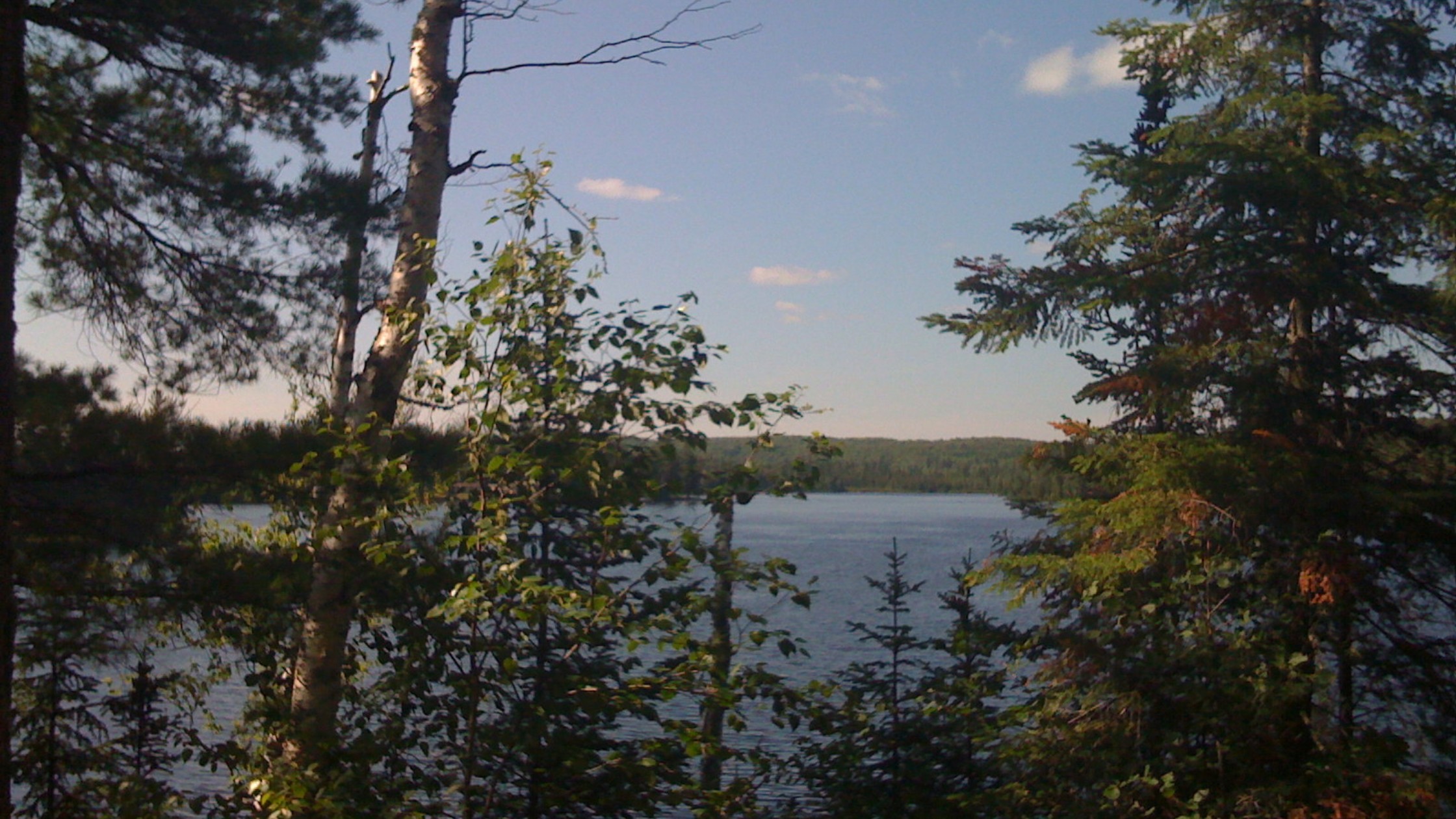
Discover breathtaking coastal views and diverse wildlife in this stunning natural sanctuary.















Discover breathtaking coastal views and diverse wildlife in this stunning natural sanctuary.
Torrey Pines State Reserve, a breathtaking coastal gem in California, invites travelers to immerse themselves in a world of natural beauty and tranquility. Stretching over 2,000 acres, this reserve boasts dramatic cliffs that overlook the Pacific Ocean, offering panoramic views that captivate the senses. The unique Torrey pine trees, found nowhere else in the world, stand as guardians of this pristine landscape, their twisted trunks and aromatic needles adding to the allure.
Visitors can explore a network of trails that wind through diverse ecosystems, from coastal sage scrub to riparian habitats. Each path reveals hidden treasures, including vibrant wildflowers and the occasional glimpse of local wildlife. The reserve’s beaches, with their golden sands and crashing waves, provide the perfect backdrop for a day of relaxation or adventure.
For those seeking a moment of reflection, the stunning sunsets at Torrey Pines are nothing short of magical. The interplay of colors as the sun dips below the horizon creates an unforgettable spectacle, making this destination a must-visit for discerning travelers.
Seasons
In spring, the coastal reserve offers mild temperatures and vibrant wildflowers, making it an ideal destination for hikers and nature enthusiasts seeking breathtaking ocean vistas.
Summer’s warm days and gentle ocean breezes make June, July, and August ideal for exploring the reserve’s diverse trails, enjoying beach activities, and observing local wildlife.
In fall, the reserve offers mild temperatures and reduced crowds, making September through November ideal for hiking, photography, and enjoying the serene coastal beauty.
In winter, the reserve offers mild temperatures, uncrowded trails, and the chance to witness migrating gray whales, making December through February ideal for exploration.
Top 3 Facts about Torrey Pines State Reserve
Every year, thousands of monarch butterflies migrate to the coastal regions of California, creating a stunning spectacle as they cluster in the trees, while rare species like the California gnatcatcher and the endangered least tern thrive in the diverse ecosystems, highlighting the region’s unique biodiversity.
In this coastal region, unique microclimates can create significant temperature variations within just a few hundred feet, leading to diverse ecosystems where fog from the ocean meets warm inland air, fostering unusual plant growth and attracting a variety of wildlife not typically found in surrounding areas.
Home to the iconic Beach Trail, known for its stunning ocean views, this reserve also prohibits activities like drone flying and rock climbing, ensuring a serene environment for hikers and nature lovers while preserving its unique coastal ecosystem.
Travel Tips
Plan Ahead
To fully enjoy your visit, plan ahead by checking the weather and trail conditions, as they can vary significantly. Arrive early to secure parking and avoid crowds, allowing ample time to explore the stunning coastal views and diverse landscapes. Bring plenty of water, snacks, and a camera to capture the breathtaking scenery—this natural gem deserves a leisurely experience.
Pack Appropriately
When planning your visit, pack layers to adapt to the coastal climate, as temperatures can shift dramatically from sun-soaked trails to cool ocean breezes. Don’t forget a reusable water bottle to stay hydrated while exploring the unique coastal sage scrub and stunning cliffs, and consider bringing binoculars to spot migrating birds along the shoreline.
Respect Wildlife
Respect wildlife by observing animals from a distance and refraining from feeding them. Keep noise to a minimum to avoid disturbing their natural behaviors and stick to designated trails to protect their habitats. Remember, your actions can significantly impact the delicate ecosystems, so practice responsible wildlife viewing to ensure these beautiful creatures thrive.
Stay Informed
Before your visit, stay informed by checking the weather, temperatures, and any fire bans or notices. Know emergency contact information and ensure someone knows your plans, including your destination and expected return time. Being prepared helps ensure a safe and enjoyable experience in the great outdoors.
Accessibility & permits
Emergency

Planning a trip?
Tell us about your upcoming trip and how we can help!
Frequently Asked Questions
Ready to dive into what Torrey Pines State Reserve has to offer? Let’s tackle some of the burning questions you might have as you plan your visit!
-
The park’s operating hours are from 7:00 AM to sunset daily, providing ample time for visitors to explore the trails and enjoy the scenery.
-
Yes, there is an entrance fee of $10 per vehicle or $2 for pedestrians and cyclists, which helps maintain the park’s facilities and natural resources.
-
Pets are not allowed in the reserve to protect the wildlife and natural habitats; however, service animals are permitted.
-
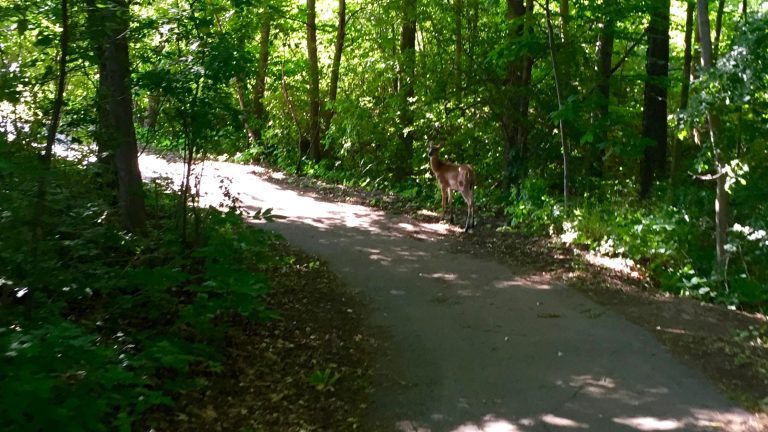
Visitors can expect to see a variety of wildlife, including the endangered California gnatcatcher, mule deer, and numerous bird species, along with unique coastal flora.
-
Guided tours are available, offering insights into the park’s ecology, history, and geology, typically led by knowledgeable rangers or naturalists.