
Discover breathtaking vistas and diverse wildlife in this hidden gem of Louisiana.

Discover breathtaking vistas and diverse wildlife in this hidden gem of Louisiana.
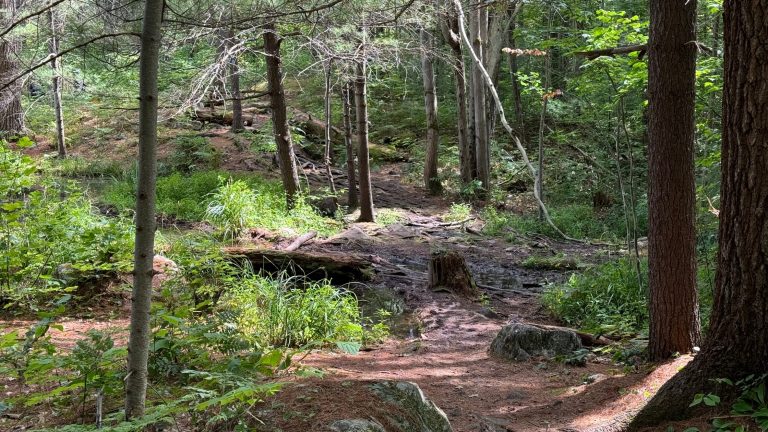
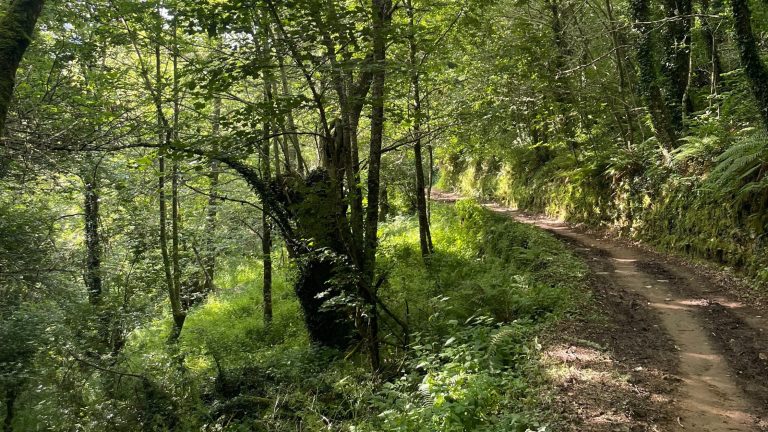
Tunica Hills Wildlife Management Area in Louisiana offers an enchanting escape for nature enthusiasts and adventure seekers alike. Spanning over 6,000 acres, this pristine landscape showcases the striking beauty of the Mississippi River Valley, featuring rugged hills, lush forests, and vibrant wetlands. Visitors are greeted by the rich tapestry of flora and fauna, with opportunities to encounter diverse wildlife, including deer, wild turkeys, and an array of bird species.
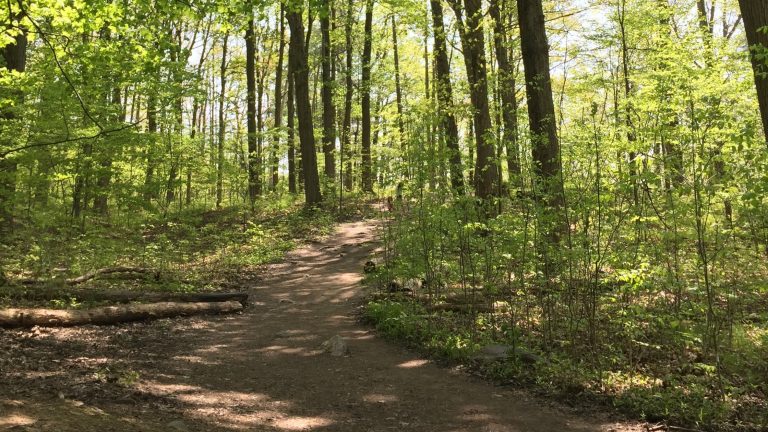
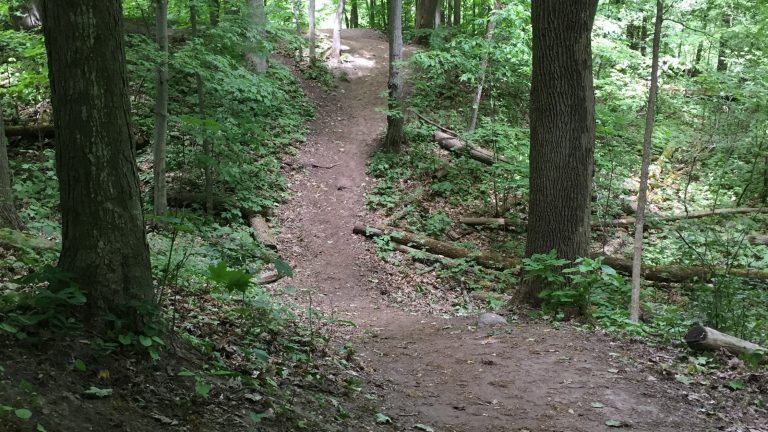
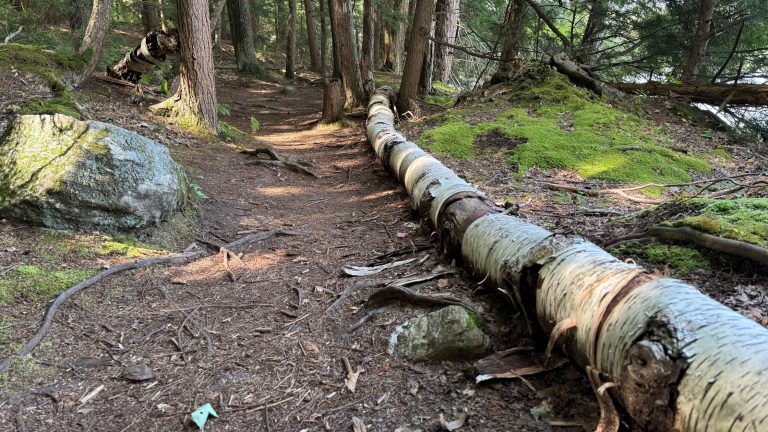
The park’s extensive network of trails invites hikers and mountain bikers to explore its scenic routes. Each path reveals breathtaking views and hidden gems, making it a photographer’s paradise. The rolling hills and dramatic bluffs provide a stunning backdrop for outdoor activities, whether one seeks a peaceful stroll or an adrenaline-pumping ride.
As the sun sets, the area transforms into a tranquil haven, perfect for stargazing or simply enjoying the symphony of nature. Tunica Hills Wildlife Management Area stands as a testament to Louisiana’s natural beauty, inviting travelers to immerse themselves in its serene wilderness.
Seasons
Spring’s mild temperatures and vibrant flora make it the perfect season to explore the rugged hills, cascading waterfalls, and diverse wildlife of this Louisiana gem.
Summer’s warm temperatures and lush greenery make June, July, and August ideal for exploring the rugged hills, diverse wildlife, and scenic trails of this unique Louisiana destination.
In fall, the area transforms into a vibrant tapestry of colors, offering ideal conditions for hiking, birding, and photography, with cooler temperatures and fewer crowds enhancing the experience.
Winter’s crisp air and serene landscapes make December through February the perfect time to explore this rugged terrain, offering peaceful solitude and unique wildlife sightings.
Top 3 Facts about Tunica Hills Wildlife Management Area
In this unique area, visitors may witness rare species like the Louisiana black bear and unusual animal sightings such as the vibrant Eastern tiger swallowtail butterfly, while remarkable migration events occur as various bird species travel through, showcasing the region’s rich wildlife diversity.
This area experiences a unique microclimate due to its varied topography, resulting in significant temperature fluctuations; for instance, temperatures can drop unexpectedly in the valleys while the ridges remain warmer, creating a fascinating interplay of ecosystems and weather patterns that support diverse wildlife.
Known for its challenging terrain, this area features the “Screaming Eagle” trail, which has become infamous for its steep inclines, while unusual rules prohibit the use of motorized vehicles and camping, ensuring a pristine environment for hiking and wildlife observation.
Travel Tips
Plan Ahead
Planning ahead is essential for a successful visit to this stunning wildlife management area. Research the best trails and seasonal activities, pack appropriate gear, and check weather conditions before you go. Arriving early allows you to fully immerse yourself in the natural beauty and wildlife, ensuring a memorable outdoor experience.
Pack Appropriately
When packing for your adventure, include a lightweight pair of waterproof boots to navigate the area’s diverse terrain, from muddy trails to rocky outcrops. Don’t forget to bring a pair of binoculars; the region’s rich birdlife and vibrant flora are best appreciated up close, allowing you to fully immerse yourself in the stunning natural beauty.
Respect Wildlife
When exploring this stunning wildlife area, prioritize respecting the local fauna. Keep a safe distance from animals, refrain from feeding them, and stick to marked trails to minimize your impact. Observe quietly to enhance your experience and protect the delicate ecosystem, ensuring that future visitors can enjoy the beauty and diversity of the wildlife.
Stay Informed
Before your visit, check the weather forecast, current temperatures, and any fire bans or notices. Familiarize yourself with emergency contact information, and always inform someone of your destination and expected return time to ensure safety during your outdoor adventure.
Accessibility & permits
Emergency

Planning a trip?
Tell us about your upcoming trip and how we can help!
Frequently Asked Questions
Ready to dive into what Tunica Hills Wildlife Management Area has to offer? Let’s tackle some of the burning questions you might have as you plan your visit!
-
Tunica Hills WMA’s operating hours are generally from sunrise to sunset, allowing visitors to enjoy the area throughout daylight hours.
-
Pets are allowed in Tunica Hills WMA, but they must be leashed and under control at all times to ensure the safety of wildlife and other visitors.
-
The best time to visit Tunica Hills WMA is during the spring and fall months when temperatures are mild, and wildlife activity is high, providing excellent opportunities for hiking and wildlife observation.
-
There are no fees for accessing Tunica Hills WMA, making it a budget-friendly destination for outdoor enthusiasts.
-
Wildlife that can be seen in Tunica Hills WMA includes deer, wild turkeys, various bird species, and small mammals, making it a great spot for nature lovers and photographers.