

North America's Last Wild Frontier: A Haven for Endangered Species and Breathtaking Landscapes
North America's Last Wild Frontier: A Haven for Endangered Species and Breathtaking Landscapes
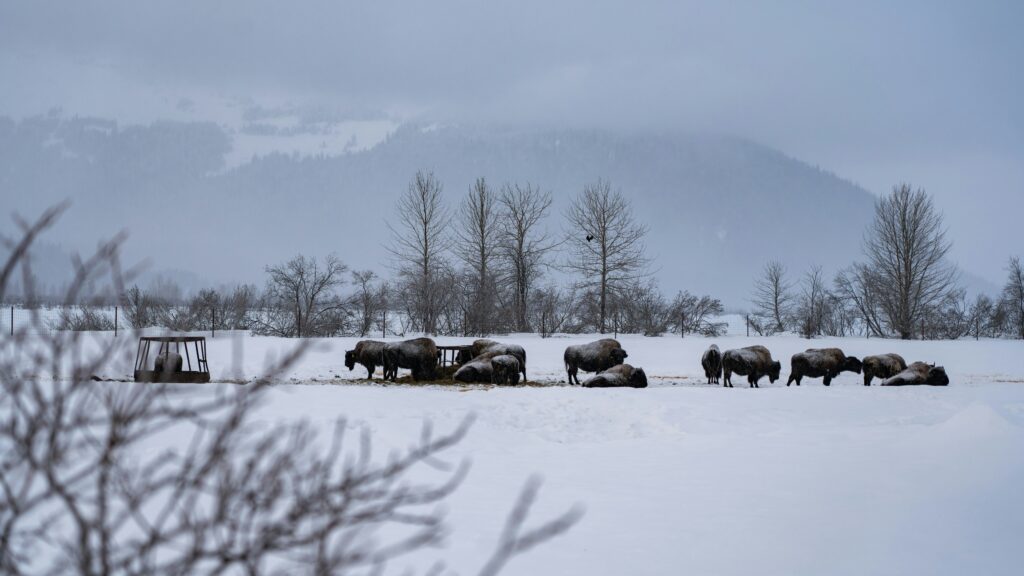
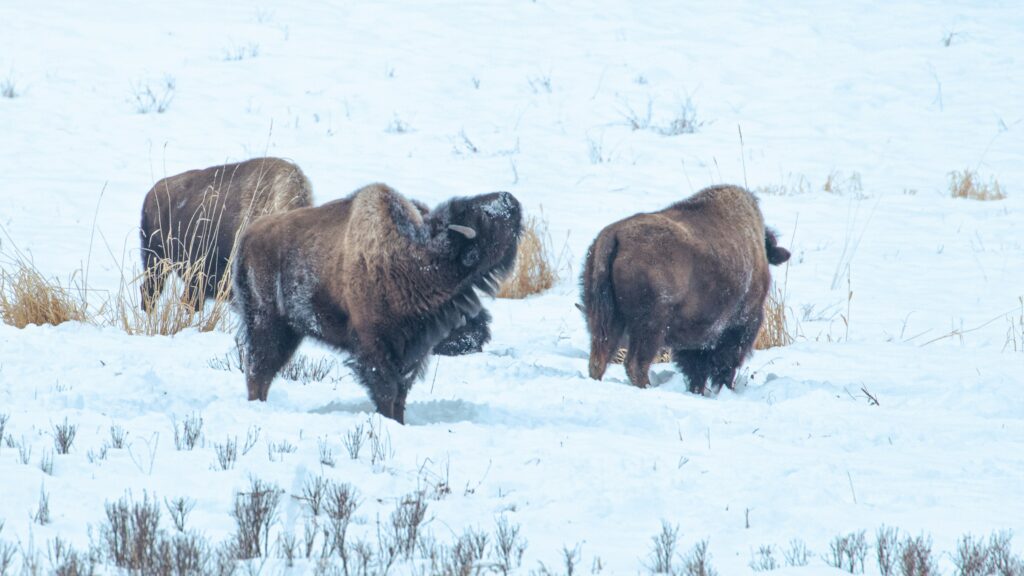
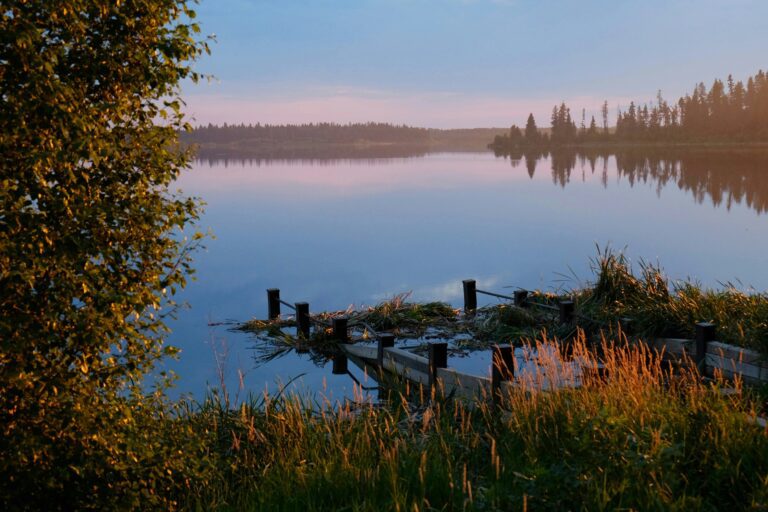
Wood Buffalo National Park, spanning Alberta and the Northwest Territories, is a sprawling expanse of wilderness, home to iconic wildlife and breathtaking landscapes. As Canada’s largest national park, this UNESCO World Heritage Site features the Peace-Athabasca Delta, a wetland teeming with migratory birds, including the endangered whooping crane. Visitors can explore the Salt River Trail System, offering hikes through boreal forests and limestone sinkholes, or witness wood bison roaming the park’s grassy plains. For stargazers, the park’s status as a Dark Sky Preserve guarantees unparalleled views of the Northern Lights.
Seasons
Spring: Landscape awakens—migratory birds return, whooping cranes nest, trails thaw, and wildflowers bloom, ideal for birdwatching and gentle hikes.
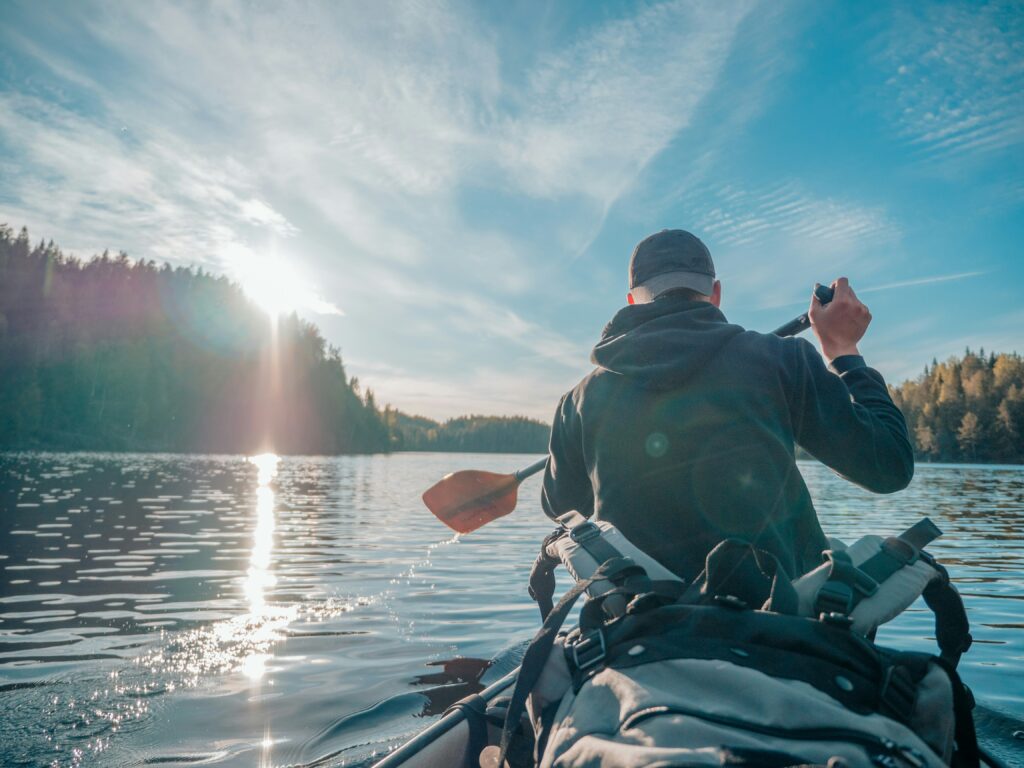
Summer: Long daylight & warm temps for hiking, camping, fishing, boating, canoeing, and wildlife viewing; perfect for spotting bison, moose, and more.
Fall: Tundra painted in red, orange & gold; cooler temps for comfortable hikes; bison rut and bird migrations create spectacular wildlife displays.
Winter: Snowshoeing, cross-country skiing, ice fishing, wildlife tracking, and northern lights viewing in a serene, snow-blanketed wilderness.
Top 3 Facts about Wood Buffalo National Park
This region is home to the largest known beaver dam, measuring 850 meters or 2,790 feet, as revealed by 2007 satellite imagery. This massive structure is a testament to the engineering skills of beavers in this ecosystem.
Important Wetland Habitat: The Peace-Athabasca Delta, the world’s largest inland freshwater delta, is a crucial breeding ground for waterfowl and supports a complex ecosystem.
Ancient Bison Herds: Home to the planet’s largest free-roaming herd of wood bison, descendants of ice-age giants.
Travel Tips
Plan Ahead
Research facilities, activities, and regulations before visiting; check weather, road conditions, ferry schedules, and wildlife advisories.
Pack Appropriately
Pack: food, water, layered clothing, insect repellent, sunscreen, first-aid kit; prepare for rapidly changing weather in remote areas.
Respect Wildlife
Observe wildlife from a safe distance; never approach or feed animals; secure food and scented items to avoid attracting wildlife.
Stay Informed
Check Parks Canada and local outfitter advisories for road closures, ferry operations, trail conditions, and emergency contacts.
- Area (km²)
- 27838.36
- Annual visitors
- 1 500
- Established year
- 1922
Accessibility & permits
Emergency

Planning a trip?
Tell us about your upcoming trip and how we can help!
Frequently Asked Questions
Ready to dive into what Wood Buffalo National Park has to offer? Let’s tackle some of the burning questions you might have as you plan your visit!
-
You should stay in Fort Smith or Fort Chipewyan, as these cities are the closest to the park and offer the most convenient access. Another option is to stay in Fort McMurray, which is a bit farther away but still within a reasonable driving distance.
-
The Salt River Meadows Loop is a great trail for kids, as it is a 2.2 km easy loop that passes beside streams and offers a gentle hike suitable for families. This trail is short and manageable, making it perfect for younger hikers. It also provides a scenic experience with minimal difficulty.
-
Yes, you can bring your dog, but it must be on a leash at all times. Dogs are allowed in picnic areas, beaches, and restrooms, but they cannot chase or molest game. There are specific rules to protect the park’s wildlife and resources.
-
You can park an RV, camper, or motorhome at the campgrounds, but there are no hook-ups available. Water is provided, but there are no electricity connections. Groups of eight or more people can also camp there.
-
Visit the Wood Buffalo National Park Visitor Centre from 9 a.m. to 6 p.m., except for the lunch break from 12 p.m. to 1 p.m. Explore the trails and look for wildlife such as wood bison, bears, wolves, and whooping cranes. Enjoy the spectacular northern lights in the evening if the weather permits.