

World's Largest Bison Herd, Whooping Cranes, and Canada's Biggest Dark Sky Preserve
World's Largest Bison Herd, Whooping Cranes, and Canada's Biggest Dark Sky Preserve
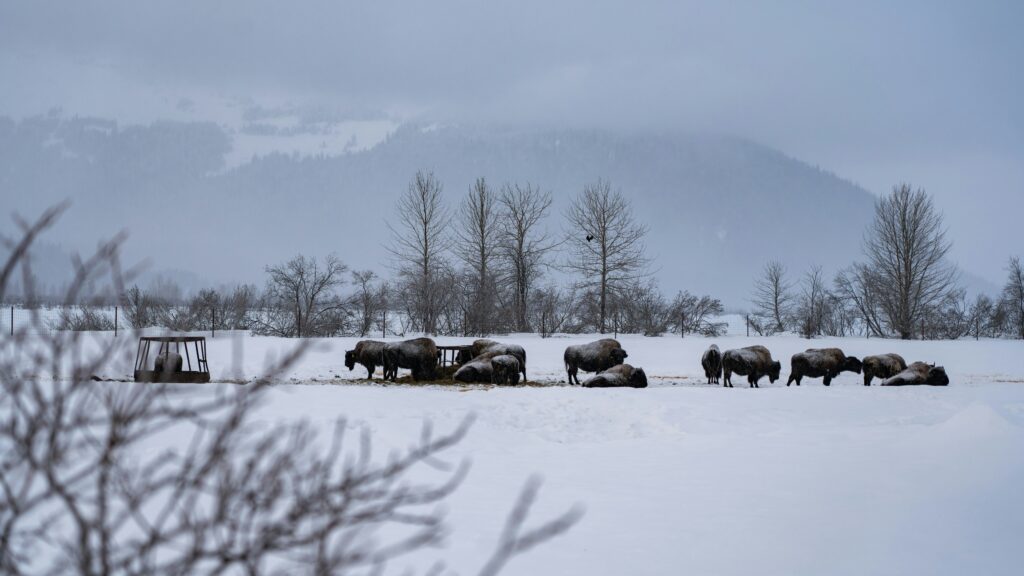
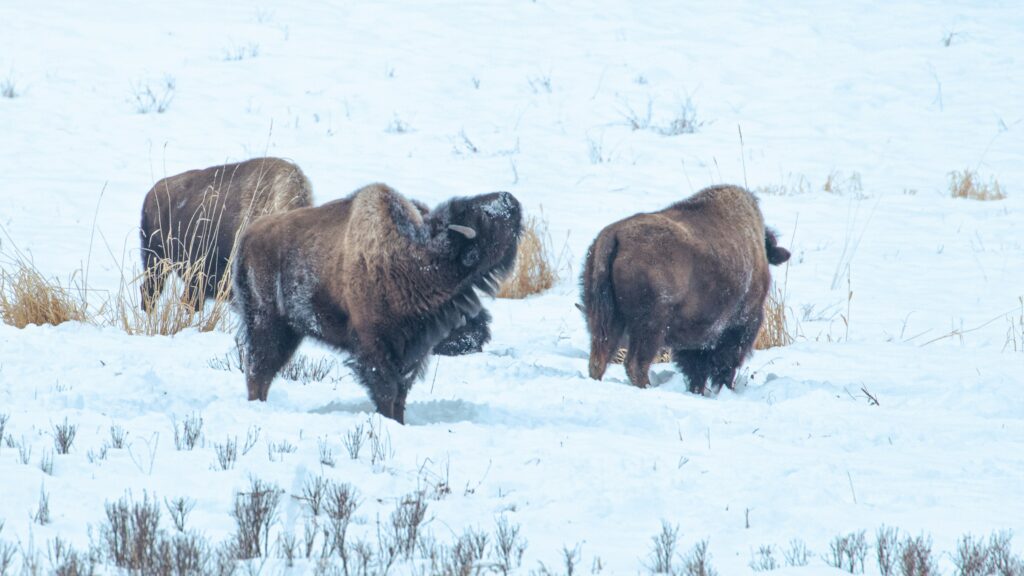
At 44,807 square kilometres, Wood Buffalo National Park is larger than Switzerland, larger than Denmark, and larger than every other national park in Canada. It sprawls across northeastern Alberta and into the southern Northwest Territories in a vast, largely roadless expanse of boreal forest, salt plains, gypsum karst, and river delta that has been described by UNESCO as the most ecologically complete and largest example of the Great Plains-Boreal grassland ecosystem of North America. Established in 1922 to protect the last surviving bison herds following the near-total slaughter of the 19th century, the park was designated a World Heritage Site in 1983. Today it maintains the largest free-roaming bison herd in the world, with the only place on the planet where the ancient predator-prey relationship between timber wolves and wood bison continues unbroken over time. It is also the only natural nesting habitat on Earth for the endangered whooping crane, which has been brought back from a population low of 15 birds in 1940 to over 500 in the wild today.
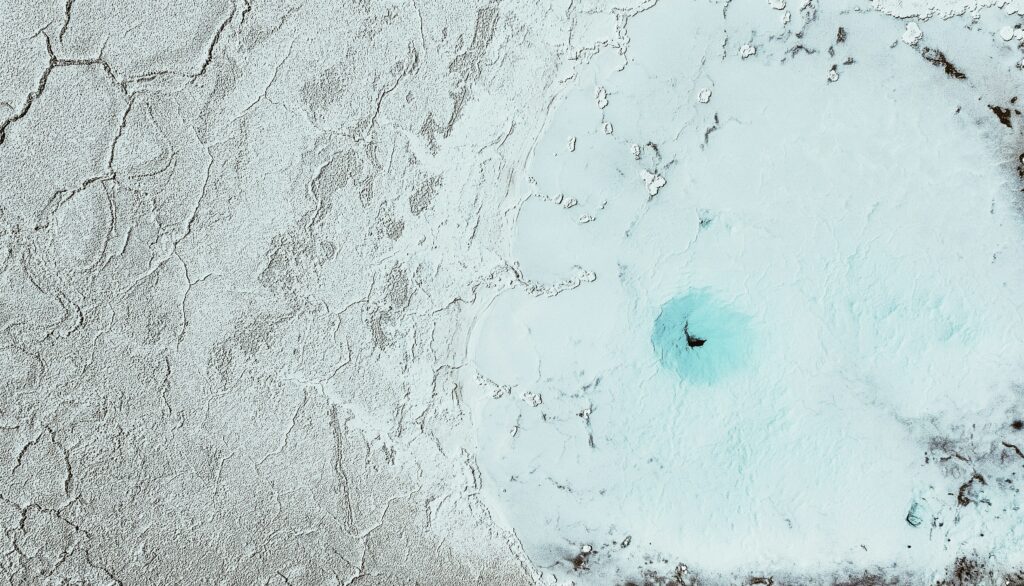
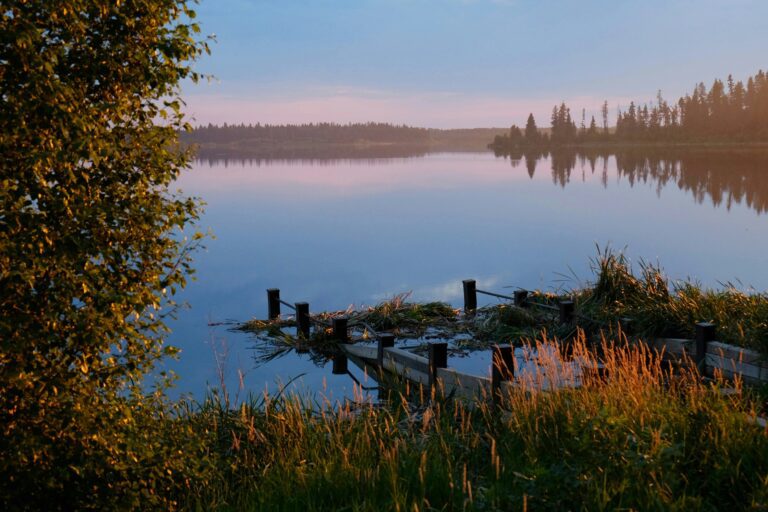
The gateway to the park is Fort Smith, a small community of roughly 2,500 people in the Northwest Territories accessible by road from northern Alberta on Highway 5 or by scheduled air service from Edmonton. The park’s visitor centre in Fort Smith provides orientation and a starting point for the accessible day-use areas, including the Salt River Day Use Area, where salt springs bring brine to the surface through the clay, creating open brine flats and meadows of salt-tolerant grass unlike any landscape in Canada. The Pine Lake Campground, the park’s primary public camping facility, opens for the Victoria Day weekend and is the hub for summer visitor activity including swimming, fishing, and wildlife watching.
Wildlife watching along the roads between Fort Smith and Pine Lake is the primary accessible experience for most visitors. Bison regularly cross the highway, particularly from late afternoon through evening; sightings are realistic on most visits. Black bears, foxes, and a remarkable collection of bird species including whooping cranes, sandhill cranes, bald eagles, peregrine falcons, and great grey owls inhabit the park. In spring, red-sided garter snakes form communal dens near Fort Smith in one of the world’s northernmost such occurrences. The world’s largest beaver dam, more than 850 metres long and visible from satellite imagery, lies within the park’s interior.
For experienced wilderness travelers and natural history enthusiasts, the Peace-Athabasca Delta at the junction of the Peace, Athabasca, and Slave rivers is one of the most significant inland freshwater deltas in the world, a staging area for over a million waterfowl each fall. Fort Chipewyan, at the edge of the delta, is accessible by air, boat, or winter ice road only, and provides the closest access to the most remote and spectacular sections of the park.
Wood Buffalo is also the world’s largest dark sky preserve, designated by the Royal Astronomical Society of Canada in 2013, with northern lights viewing available from fall through spring in the near-absence of light pollution. Visitors staying in Fort Smith or nearby can expect exceptional aurora viewing from late August through March on clear nights.
Fort Smith’s basic accommodation options are modest. Properties with full kitchens and comfortable spaces for groups to gather after wilderness days represent the most practical overnight setup in this remote gateway. Book your accommodations near Wood Buffalo National Park through Lake.com.
Seasons
Spring: Landscape awakens—migratory birds return, whooping cranes nest, trails thaw, and wildflowers bloom, ideal for birdwatching and gentle hikes.
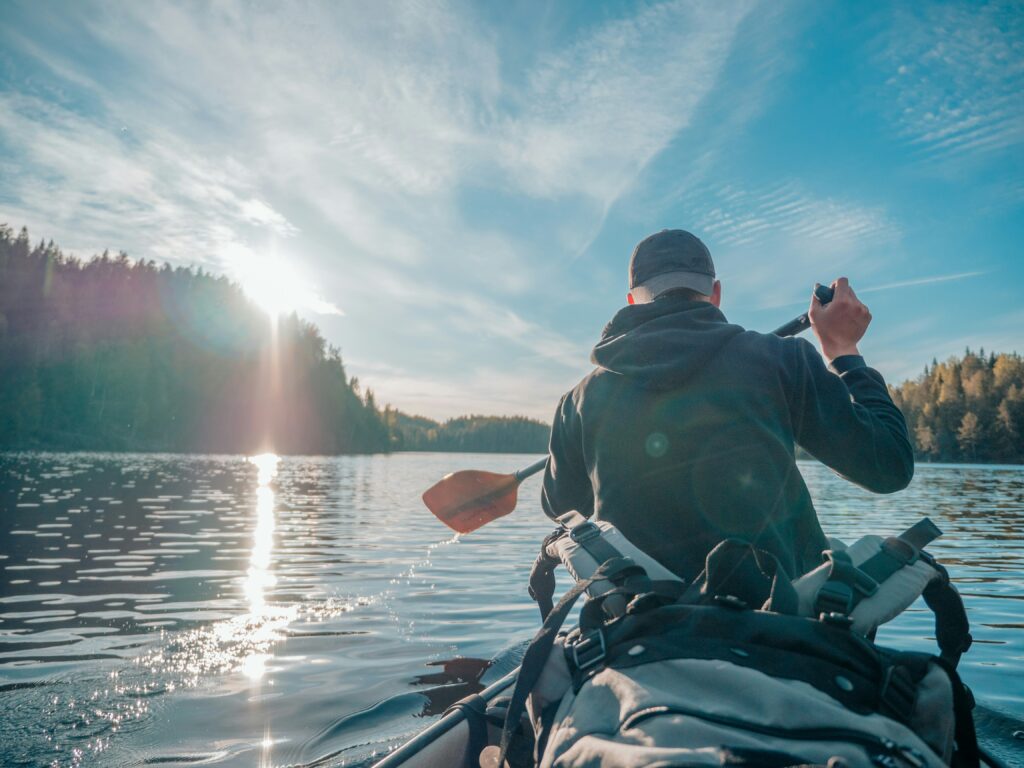
Summer: Long daylight & warm temps for hiking, camping, fishing, boating, canoeing, and wildlife viewing; perfect for spotting bison, moose, and more.
Fall: Tundra painted in red, orange & gold; cooler temps for comfortable hikes; bison rut and bird migrations create spectacular wildlife displays.
Winter: Snowshoeing, cross-country skiing, ice fishing, wildlife tracking, and northern lights viewing in a serene, snow-blanketed wilderness.
Top 3 Facts about Wood Buffalo National Park
Wood Buffalo National Park covers 44,807 square kilometres spanning northeastern Alberta and the southern Northwest Territories, making it the largest national park in Canada and larger than Switzerland. Established in 1922 to protect the last surviving bison herds following near-extinction in the 19th century, the park maintains the largest free-roaming bison herd in the world. It was designated a UNESCO World Heritage Site in 1983 for its outstanding biodiversity, including the only natural nesting habitat in the world for the endangered whooping crane.
The park is the only place on Earth where the predator-prey relationship between timber wolves and wood bison has continued, unbroken, over time. It contains the Peace-Athabasca Delta, one of the world’s largest inland freshwater deltas, which serves as a staging area for over one million waterfowl each fall where all four North American migratory bird flyways converge. The whooping crane, whose total wild population was as low as 15 birds in 1940, now numbers over 500, with the species’ entire wild nesting population located within Wood Buffalo National Park.
Wood Buffalo National Park was designated as the world’s largest dark sky preserve by the Royal Astronomical Society of Canada on June 28, 2013, protecting nighttime ecology for bats, nighthawks, and owls while providing exceptional conditions for northern lights viewing and astronomical observation. The park also contains some of the best examples of gypsum karst landforms in North America, including sinkholes, underground rivers, and collapsed terrain, as well as the Salt River Day Use Area where ancient brine springs create salt flats and open saline meadows.
Travel Tips
Plan Ahead
The primary visitor season runs from the Victoria Day weekend through Labour Day, when Pine Lake Campground is open and full visitor services operate from the Fort Smith Visitor Centre. Fort Smith is reached by road from northern Alberta via Highway 5 or by scheduled air from Edmonton. Fort Chipewyan, in the park’s southern section near the Peace-Athabasca Delta, is accessible by air or boat in summer and by ice road in winter only. A Parks Canada entry pass is required. Dark sky viewing from the Fort Smith area is excellent from late August through March; check aurora forecast apps before planning evening outings. Contact the park at [email protected] or (867) 872-7960.
Pack Appropriately
Bring full insect repellent protection for mosquitoes, blackflies, and biting flies, which are intense in the boreal forest from May through July. Waterproof outerwear and rain gear are essential for any extended time in the park. Prepare for extreme temperature variation: summer days can reach 30 degrees Celsius while nights can be cool, and winter temperatures drop to -40 degrees Celsius and below. Bear spray is recommended for all trail use; black bears are common throughout the park. Drone use is prohibited and can result in fines up to $25,000.
Respect Wildlife
Bison regularly cross the highways between Fort Smith and Pine Lake; slow down and watch for animals day and night, particularly from late afternoon through morning. Never approach, feed, or attempt to interact with bison, which are large and dangerous. Black bears inhabit the entire park; store food securely and follow Parks Canada bear protocols. The park’s whooping cranes nest in the remote interior and require absolute protection; report any sighting of whooping cranes to park staff. Drone use within the park is prohibited. Do not approach or disturb any wildlife.
Stay Informed
Check parks.canada.ca/woodbuffalo for current trail conditions, campground status, and any park alerts before visiting. Highway 5 between Hay River and Fort Smith can be affected by weather, wildlife crossings, and seasonal conditions; check current road status before travel. The winter ice road between Fort Smith and Fort Chipewyan is a 228-kilometre seasonal route; verify current road conditions and safety requirements before using it. For park emergencies, call 9-1-1. For park information, contact Wood Buffalo at (867) 872-7960.
- Area (km²)
- 27838.36
- Established year
- 1922
Accessibility & permits
Emergency

Planning a trip?
Tell us about your upcoming trip and how we can help!
Frequently Asked Questions
Ready to dive into what Wood Buffalo National Park has to offer? Let’s tackle some of the burning questions you might have as you plan your visit!
-
You should stay in Fort Smith or Fort Chipewyan, as these cities are the closest to the park and offer the most convenient access. Another option is to stay in Fort McMurray, which is a bit farther away but still within a reasonable driving distance.
-
The Salt River Meadows Loop is a great trail for kids, as it is a 2.2 km easy loop that passes beside streams and offers a gentle hike suitable for families. This trail is short and manageable, making it perfect for younger hikers. It also provides a scenic experience with minimal difficulty.
-
Yes, you can bring your dog, but it must be on a leash at all times. Dogs are allowed in picnic areas, beaches, and restrooms, but they cannot chase or molest game. There are specific rules to protect the park’s wildlife and resources.
-
You can park an RV, camper, or motorhome at the campgrounds, but there are no hook-ups available. Water is provided, but there are no electricity connections. Groups of eight or more people can also camp there.
-
Visit the Wood Buffalo National Park Visitor Centre from 9 a.m. to 6 p.m., except for the lunch break from 12 p.m. to 1 p.m. Explore the trails and look for wildlife such as wood bison, bears, wolves, and whooping cranes. Enjoy the spectacular northern lights in the evening if the weather permits.