Two Gold Medal rivers converge in a valley town that delivers on fly fishing and fall color.
Tips on renting in Basalt
Getting Around
What to Pack
Must-Try Activities
Smart Spending Tips
Basalt sits at the confluence of two Gold Medal rivers — the Frying Pan and the Roaring Fork — and it has been quietly accumulating a reputation as the Roaring Fork Valley’s most livable town. Where Aspen draws the crowds and the price tags, Basalt draws the locals: fly fishing guides, mountain bikers, and remote workers who discovered during the pandemic that you could have the same mountain scenery for a fraction of the cost. It’s 17 miles downvalley from Aspen on Highway 82, close enough to ski, close enough to festival, and far enough to keep nightly rates and restaurant reservations manageable. Anglers in particular should make Basalt their base — nowhere else in the valley puts you this close to two world-class tailwaters simultaneously.
Water Context: Two Gold Medal Rivers & Ruedi Reservoir
The Frying Pan River flows west from Ruedi Reservoir through a 14-mile canyon of red sandstone and ponderosa pine, emptying into the Roaring Fork at the edge of downtown Basalt. The tailwater section below the Ruedi Dam is legendary among fly fishers for large brown and rainbow trout — bring mysis shrimp patterns and expect company on weekends. The Roaring Fork slows through town and becomes floatable on its 12-mile run to Carbondale, making for a leisurely half-day drift. Ruedi Reservoir, roughly 18 miles up Frying Pan Road from downtown, sits at 7,766 feet in the White River National Forest and holds lake trout, kokanee salmon, and rainbow trout. It’s open for paddleboarding, sailing, and motorized boating from late spring through fall, and the drive up the canyon — past red walls, riverside campsites, and the occasional bald eagle — is worth doing regardless of whether you fish.
Where to Stay
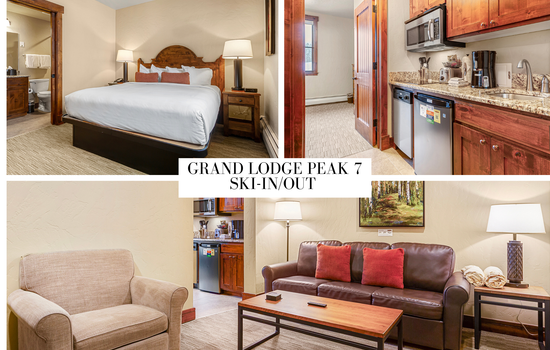
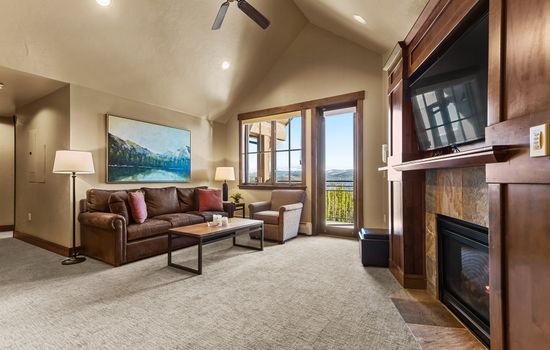
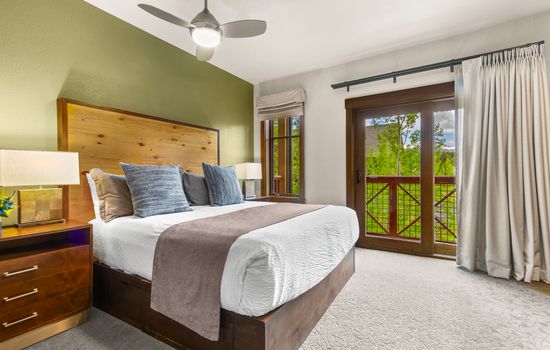
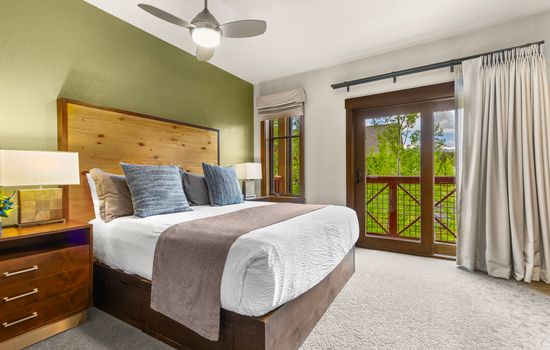
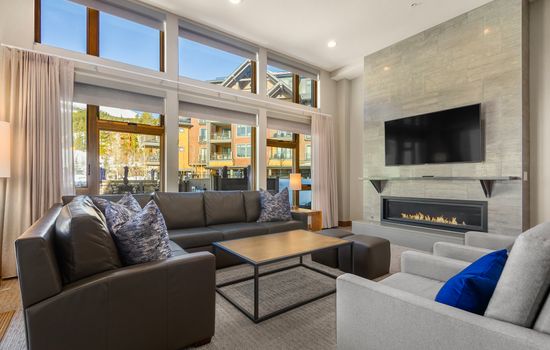
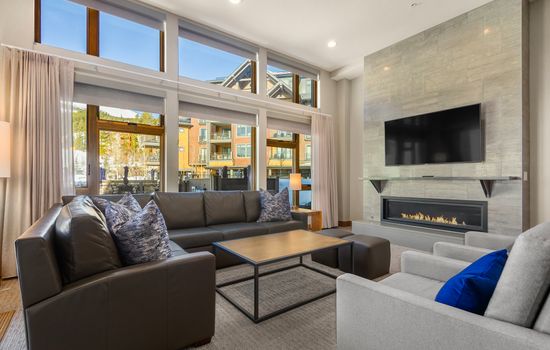
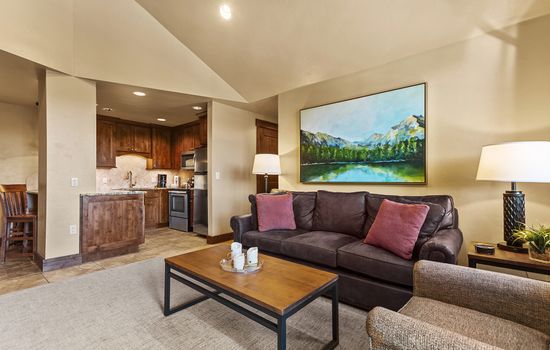
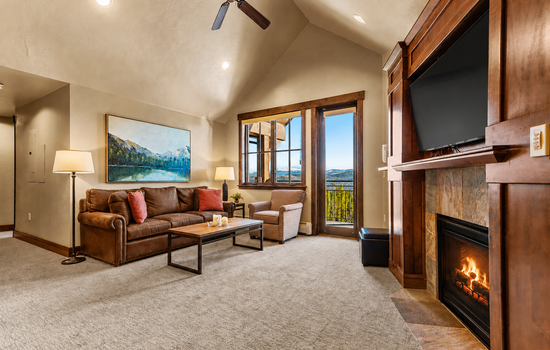
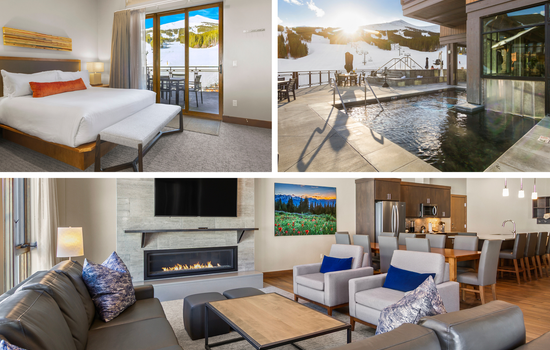
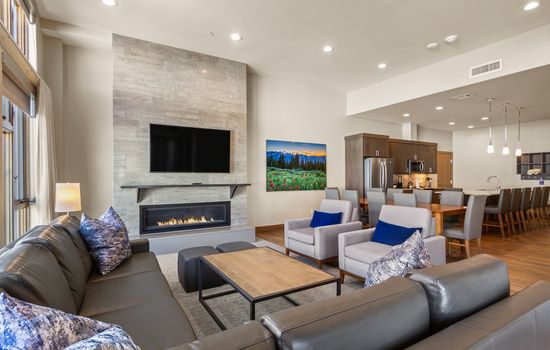
Basalt has a compact but growing vacation rental inventory — roughly 60 to 120 active short-term listings depending on the season, far fewer than Aspen or Snowmass. The best-value options are standalone homes and cabins in the Willits Town Center area or along the Frying Pan River corridor, where you can step outside to fish. Properties here typically offer washer/dryer, full kitchens, and parking without the complexity of resort-area regulations. Pet-friendly cabins are easier to find in Basalt than in Aspen; Taylor Creek Cabins, five miles up the Frying Pan, are specifically dog-friendly and run by the fishing-focused Frying Pan Anglers operation. For couples looking for a quiet base with easy restaurant access, the renovated condos in the historic downtown area walk to the Frying Pan River and several of the town’s best restaurants. Average daily rates hover around $426–$486, making Basalt one of the more affordable entry points to the Roaring Fork Valley.
What to Do
Fly fishing the Frying Pan is the headliner. Taylor Creek Fly Shops offers guided half- and full-day trips on the Pan and Roaring Fork; the shop is a reliable source of real-time hatch reports and river conditions. For hikers, the Arbaney Kittle Trail south of town climbs steeply through aspen and oak to sweeping views of Mount Sopris in the first two miles of a 20-mile system. Crown Mountain Park, directly in town, has riverside trails and a community park used by locals year-round. The 42-mile Rio Grande Trail runs along the Roaring Fork from Glenwood Springs to Aspen — Basalt is a natural midpoint for a day ride or a multi-day cycle with a shuttle. Fall leaf peeping up the Frying Pan corridor from mid-September to mid-October is among the best drives in the region.
Food & Local Rhythm
Free Range Kitchen on Two Rivers Road is the dining anchor — farm-to-table Colorado cooking with a serious wine list and a room that fills with locals who drove in from Aspen because the reservation was easier to get. Cafe Bernard on Midland Avenue has been the downtown breakfast and lunch institution for over 20 years. The Wednesday and Saturday Roaring Fork Valley Farmers Market runs through summer in Basalt’s Two Rivers Park, with produce from the Grand Valley and local honey from the surrounding mesas. Bonfire Coffee on Main Street opens early and serves as the de facto pre-fishing briefing room for the guides.
Best Time to Go
Fly fishing is exceptional year-round on the Frying Pan — the tailwater below Ruedi Dam doesn’t freeze and the trout feed actively in winter. Summer (June through August) brings the warmest temperatures and Ruedi Reservoir access. Fall — mid-September through mid-October — is the consensus best season for a combination of active hatches on the Pan, aspen color on the Frying Pan Road, and cooler temperatures. The ski season draws Basalt into the orbit of Aspen Snowmass, with Highway 82 providing 20-minute access to the Buttermilk and Snowmass lifts; Basalt rentals in ski season are a legitimate budget-friendly alternative to staying mountain-side.
Practical Rental Advice
Basalt’s rental market is smaller and less regulated than Aspen’s — short-term rental licensing requirements exist but enforcement has historically been light. Average daily rates run $426–$486 across the market, with 5-bedroom homes averaging significantly more. Occupancy averages around 51–65%, with peak months running December through March for the ski-access crowd. Book fishing-season summer weeks — especially late June through August — two to four weeks in advance for most properties; holiday weekends warrant earlier planning. River-adjacent properties on the Frying Pan fill faster than town-center units. Parking is generally included and straightforward. Highway 82 connects Basalt to Glenwood Springs in 25 minutes and Aspen in 20 minutes; the RFTA bus runs the whole corridor if you’d prefer not to drive.
Quick tips before you book
- River-adjacent Frying Pan Road cabins book faster than downtown units — plan ahead for summer.
- Ruedi Reservoir closes seasonally; access is typically late spring through fall only.
- RFTA buses run between Basalt, Aspen, and Glenwood Springs — a car-free valley trip is possible.
- Pack layers for Frying Pan fishing mornings — the canyon stays cool until late morning even in summer.
- Check hatch reports at Taylor Creek Fly Shops before selecting your fishing days.
Browse all Basalt vacation rentals on Lake.com, or explore more Colorado mountain and river getaways.
Nearby cities
Snowmass Village
Snowmass Village offers 3,332 acres of ski terrain and a free bus connection to downtown Aspen — making it a practical base for families and groups who want slope-side access without Aspen's premium pricing. Summer brings gondola-accessed hiking and mountain biking; September's Jazz Aspen festival adds a reason to extend the shoulder season.
Aspen
Aspen delivers in both directions: ski season runs December through April across four interconnected mountains, and summer fills the same streets with hikers, festival-goers, and families tracing the Maroon Bells corridor. Couples and groups find the best value in September, when the aspens turn and the crowds thin.
Marble
Marble is as close to nature as any Colorado town you can drive a car to — the Crystal River runs through it, the quarried cliffs above it supplied stone for the Lincoln Memorial, and the famous Crystal Mill sits five miles up a rough Jeep road. Inventory is scarce and the experience is genuinely off-grid; it rewards slow travelers, families wanting an unplugged week, and anyone with a four-wheel-drive and curiosity.
Copper Mountain
Copper Mountain is what a ski resort looks like when the marketing team steps aside and the mountain does the talking. The terrain is naturally sorted — experts east, intermediates center, beginners west — the village is contained and walkable, and West Lake in the village center gives summer visitors a genuine water anchor. Families with action-sports kids and serious skiers both find exactly what they came for.
Frequently Asked Questions
Ready to see what Basalt has to offer? Let’s tackle some of the burning questions you might have as you plan your visit!
-
Basalt has a smaller rental market than Aspen or Snowmass — estimates place active short-term listings at roughly 60 to 120 depending on the season. The limited inventory means properties along the Frying Pan River corridor and in the Willits area book faster than you might expect for a less-famous town. Check availability early for summer weekends and peak ski weeks.
-
Average daily rates in Basalt typically run between $426 and $486, based on recent market data. Studio and one-bedroom units start below $200 per night, while larger 4- and 5-bedroom homes can exceed $1,000 per night. Overall, Basalt offers meaningfully lower rates than Aspen or Snowmass for comparable space.
-
Yes. Basalt sits 17 miles from Aspen and 20 miles from Snowmass Village on Highway 82. The drive to Buttermilk or Snowmass is roughly 20 minutes by car. The RFTA bus also runs the full corridor, making Basalt a practical car-optional base if you’re willing to work around bus schedules during peak morning ski traffic.
-
The Frying Pan River is a publicly accessible Gold Medal trout fishery. The 14-mile stretch below the Ruedi Reservoir dam to its confluence with the Roaring Fork in Basalt includes approximately 8.5 miles of public access. The river flows through White River National Forest and through town, and no fishing license exemptions apply — a valid Colorado fishing license is required. Check current regulations with Colorado Parks and Wildlife before visiting.
-
Year-round fishing is one of the Frying Pan’s defining features — the reservoir-fed tailwater rarely freezes and produces consistent hatches even in winter. That said, late summer (July–September) brings prolific Pale Morning Dun and caddis hatches that draw the largest crowds. Fall (October–November) sees fewer anglers and excellent baetis fishing. Check conditions and current hatch activity with Taylor Creek Fly Shops before planning specific fishing days.