World-class shelling, a national wildlife refuge, and 25 miles of bike paths.
Tips on renting in Sanibel Island
Getting Around
What to Pack
Must-Try Activities
Smart Spending Tips
Sanibel earns its reputation through specificity: the shells are a fact, the shelling posture — that Sanibel stoop, bent at the waist along the tide line — is a local ritual, and the J.N. “Ding” Darling National Wildlife Refuge is one of the most accessible birding sites on the Gulf Coast. Since Hurricane Ian’s 2022 landfall, the island has rebuilt deliberately, with a focus on keeping what makes it distinct: no chain fast food, strict lighting ordinances to protect sea turtles, and a pace that resists hurrying. For romantic retreaters and legacy family gatherings, there’s still nothing quite like it in Southwest Florida.
The island’s water identity
Sanibel sits in the Gulf of Mexico off the mouth of the Caloosahatchee River, connected to the mainland by the three-mile Sanibel Causeway. The island’s eastern and northern shores front San Carlos Bay and Pine Island Sound; the Gulf-facing south and west beaches are where the famous shelling happens. Bowman’s Beach on the northwest end is the premier shelling spot — long, exposed, and lower-traffic than Lighthouse Beach near the causeway. The lighthouse at Point Ybel dates to 1884 and anchors the eastern tip with a beach park. The island’s interior is largely preserved as the Darling Refuge.
Where to stay
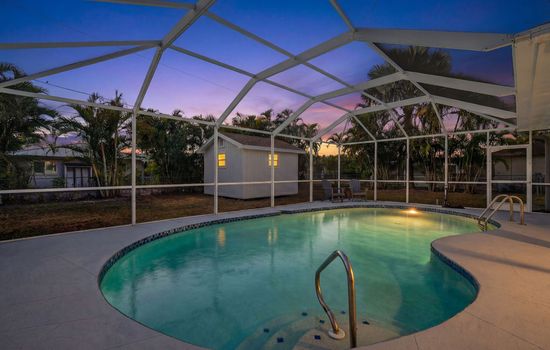
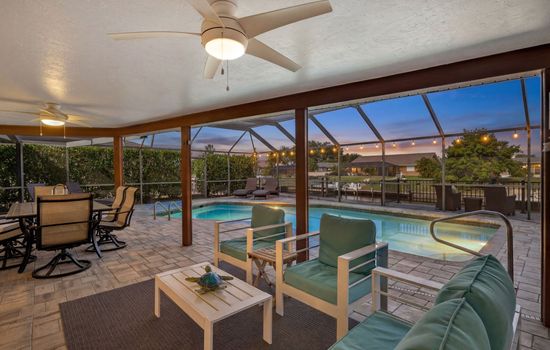
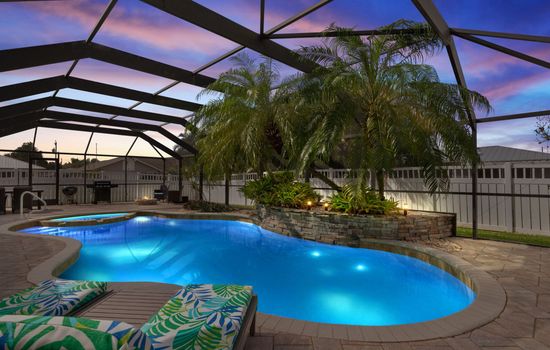
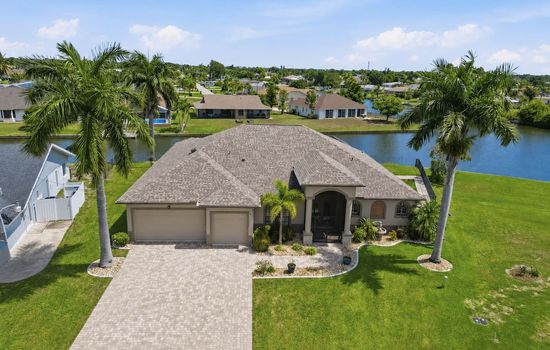
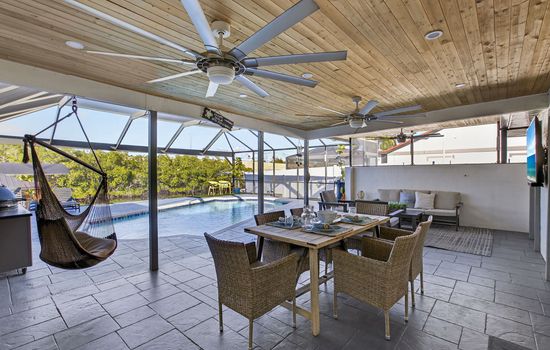
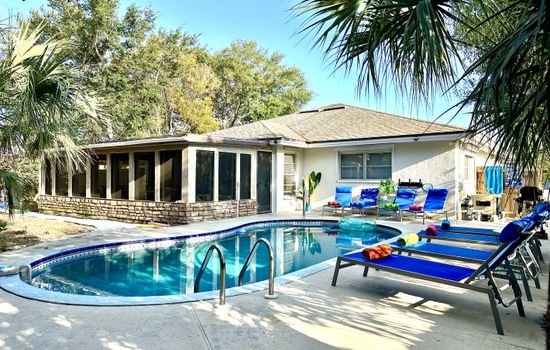
Sanibel vacation rentals tend toward Gulf-front or bay-view cottages, villas, and condo complexes — the island has no high-rises by ordinance, keeping the skyline at treetop level. West-end cottages near Captiva Road and Tarpon Bay are best for couples seeking privacy and sunset views. Family houses near mid-island work well for multi-generational groups who want fenced yards and easy bike access to the Darling Refuge tram road. Look for: bike storage (the island’s 25-mile path network makes cars optional), beach gear, outdoor shower, screened lanai. Nightly rates typically run $300–$500 in shoulder season and $550–$700+ in peak winter season, with March–April peak-week rates often exceeding $600 per night. Guests book an average of 79 days in advance, and earlier for November and December dates.
What to do
The J.N. “Ding” Darling National Wildlife Refuge tram tour runs year-round — the 5-mile Wildlife Drive is walkable, bikeable, or accessible by guided tram. Winter mornings bring roseate spoonbills, great blue herons, and sometimes American alligators in roadside impoundments. Billy’s Rentals on Periwinkle Way handles bikes, kayaks, and beach gear. Tarpon Bay Explorers, inside the Darling Refuge, runs kayak eco-tours. Bowman’s Beach at the northwest tip is the island’s best shelling spot at low tide. The Bailey-Matthews National Shell Museum on Sanibel-Captiva Road is the only dedicated shell museum in the U.S.
Food and local rhythm
The Old Sanibel Shoppe complex on Periwinkle Way has been a local institution for decades. Gramma Dot’s at the Sanibel Marina serves grouper sandwiches on the waterfront — arrive early to avoid the wait. The Sanibel Farmers Market runs Sunday mornings year-round at City Hall on Periwinkle. For the island’s best breakfast, the Over Easy Café handles the morning crowd. The Blue Giraffe on Periwinkle is the casual standby for lunch on a beach day.
Best time to go
January through March is peak shelling season — cold fronts from the north push shells ashore overnight, and low tide in early morning is the optimum condition. The island is at its most lively and most expensive during this window. October and November are the most underrated months: shelling is still good, Gulf water remains warm, wildlife is active at the Darling Refuge, and rates drop meaningfully. June–August is humid, stormy, and slow — the island quiets considerably and sea turtle nesting is active, with nighttime beach restrictions in effect.
Practical rental advice
Sanibel Causeway charges a toll (currently $6 per crossing; verify before you go). Most rentals have 7-night minimums in peak season; some properties require Saturday turnover. Ian recovery continues — confirm with your host that the property and its immediate beach access are fully open. Turtle nesting season (May–October) means no artificial lights or beach chairs left out overnight on the Gulf side — most rental properties already comply, but verify. Pet-friendly rentals exist but are fewer than the overall market; book early if this matters. Minimum-stay rules in a majority of Sanibel listings lean toward 7–29 nights.
Quick tips before you book
- Sanibel Causeway charges a toll each way — budget for it and expect backups in peak season.
- Book January–March at least 90–120 days ahead; the island’s rental market is tight in peak season.
- Check turtle nesting rules if visiting May–October; lights and chairs have overnight restrictions.
- Bowman’s Beach shelling is best at low tide in early morning after a cold front.
- Explore Miromar Lakes between Fort Myers and Naples for a freshwater lake day trip inland.
Browse all Sanibel Island vacation rentals on Lake.com, or explore more Southwest Florida island and waterfront stays nearby.
Nearby cities
Fort Myers Beach
Fort Myers Beach sits on Estero Island with five uninterrupted miles of Gulf-front sand and warm, shallow water. Post-Ian renovation means newer rental stock with updated finishes. Best for families, couples, and beachgoers who want barrier island life close to Fort Myers and Sanibel.
Cape Coral
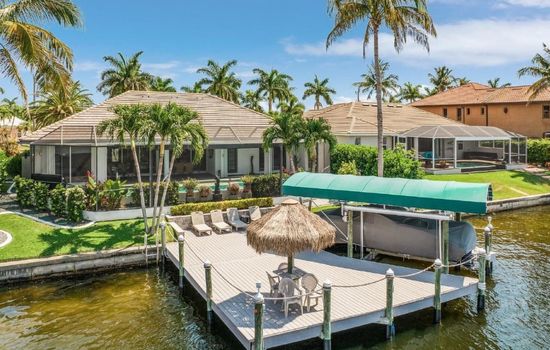
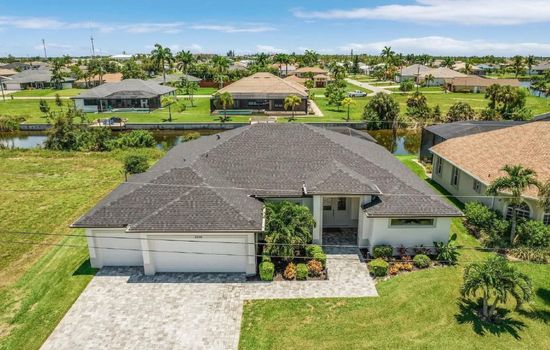
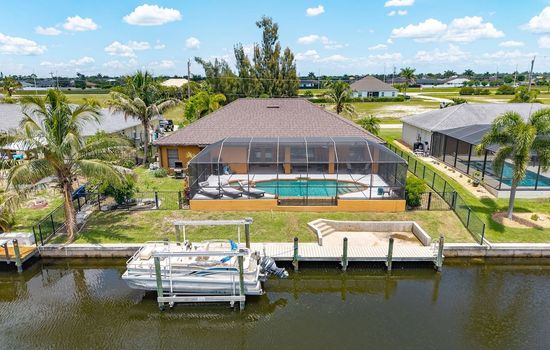
Cape Coral's 400-mile canal network makes it America's most water-threaded city. Canal-front vacation homes with private docks and boat lifts suit families, groups, and anglers who want Gulf-accessible stays without island price tags.
Fort Myers
Fort Myers blends a genuine downtown — Edison estates, a farmers market, a restaurant row — with Caloosahatchee River access and easy drives to Sanibel and Fort Myers Beach. It's the area's most versatile base for couples, families, and cultural travelers.
Bonita Springs
Bonita Springs pairs Barefoot Beach Preserve — one of Florida's top-ranked natural beaches — with a dedicated Dog Beach, Imperial River canal access, and vacation rental prices below those of neighboring Sanibel and Naples. The right base for pet-first travelers, active families, and budget-conscious Gulf-seekers.
Frequently Asked Questions
Ready to see what Sanibel Island has to offer? Let’s tackle some of the burning questions you might have as you plan your visit!
-
Sanibel books significantly earlier than most Gulf Coast destinations. The average booking lead time is around 79 days across the year, but November and December dates tend to book an average of 113 days in advance. For peak-season January–March stays, booking 90–120 days ahead is recommended — the island’s rental supply is limited by ordinance and the no-hotel-tower rules. Shoulder season (October, April–May) allows more lead time flexibility.
-
Bowman’s Beach on the northwest end of Sanibel is consistently the top shelling spot — it’s longer, more exposed to Gulf currents, and lower-traffic than Lighthouse Beach near the causeway. The best conditions: low tide, early morning (6–8am), within 24 hours of a cold front from the north. The Bailey-Matthews National Shell Museum on Sanibel-Captiva Road provides context for anything you find.
-
Dogs face more restrictions on Sanibel than many Gulf Coast destinations. Pets are not permitted on Sanibel’s Gulf beaches. Some rental properties with fenced yards allow dogs — book pet-friendly listings early, as they’re fewer. Leashed dogs are permitted in some areas of the Darling Refuge parking areas and certain trails; check current refuge rules. For easier dog-beach access, Bonita Springs Dog Beach is about 45 minutes away.
-
Yes — J.N. ‘Ding’ Darling National Wildlife Refuge is fully operational. The 5-mile Wildlife Drive is open for driving, cycling, and walking (check for periodic Wednesday closures, which have been a historical practice). Tram tours run year-round; confirm current schedules with the visitor center. The refuge is home to over 245 bird species, with peak wildlife activity in winter months.
-
Sanibel is connected to the mainland (Fort Myers area) by the three-mile Sanibel Causeway. The toll is currently $6 per vehicle per crossing — verify current rates before you go. The drive from Fort Myers downtown is approximately 30–40 minutes in light traffic; expect delays on the causeway on busy winter weekends. There is no public ferry or bridge from any other island.