Cherry orchards, Grand Traverse Bay, and wine country mornings.
Newest
Tips on renting in Traverse City
Getting Around
What to Pack
Must-Try Activities
Smart Spending Tips
Pull into Traverse City on a Friday evening in late July and Front Street is already humming—families unloading kayaks, couples hunting a patio table, dogs eyeing everyone’s ice cream. Grand Traverse Bay catches the last light like copper, and the cherries are just past peak. This is northern Michigan’s most capable lake town: a place with enough restaurants, trails, and waterfront access to hold a group of eight for a full week without anyone running out of things to do.
The Water
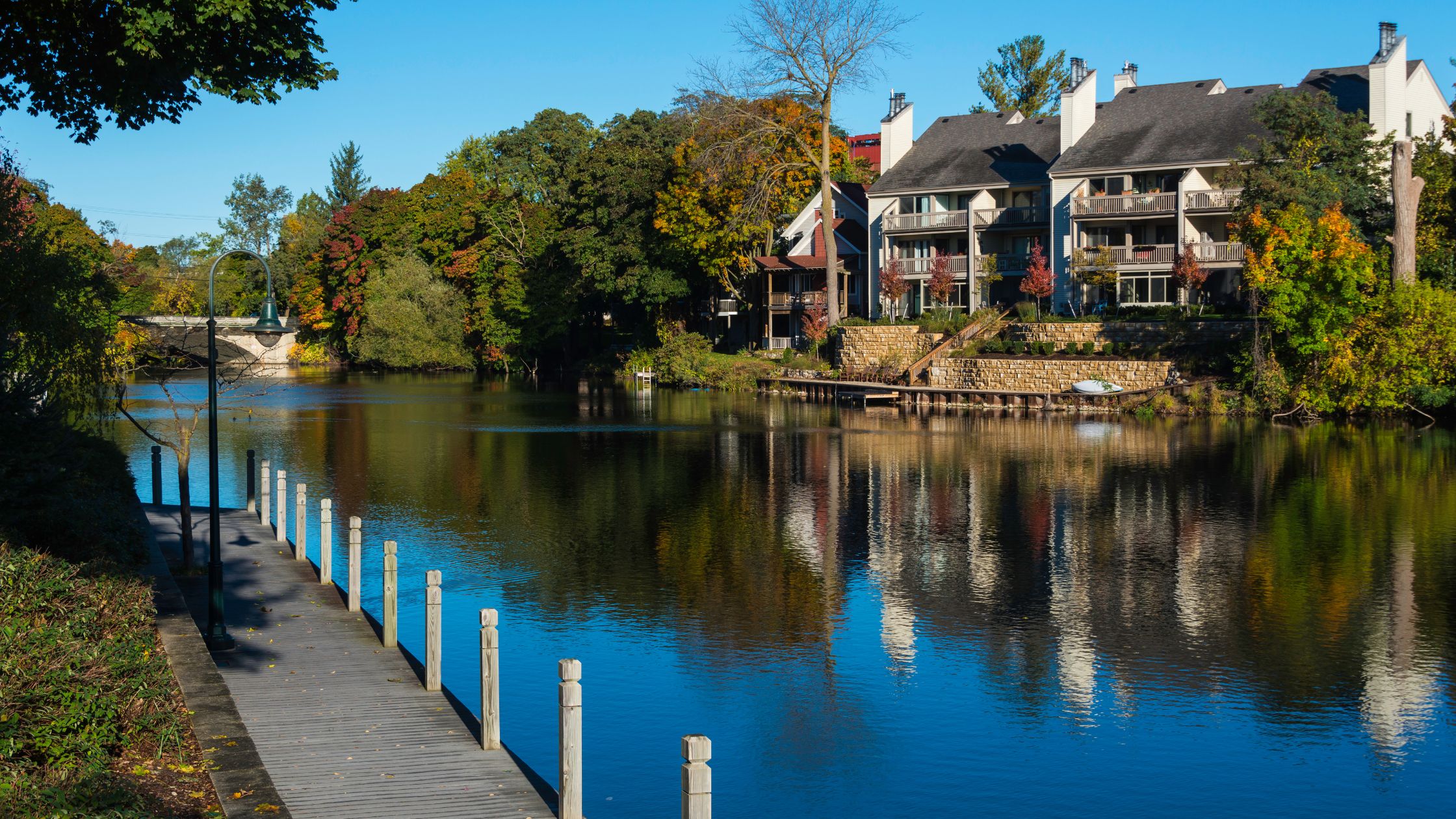
Grand Traverse Bay splits into East and West Arms around the Old Mission Peninsula, giving Traverse City two distinct shoreline personalities. West Bay fronts the city itself—Clinch Park Beach is the most accessible, a wide sand strip with a launch ramp and shallow warm water that works well for families. East Bay is calmer, longer, and backed by cherry orchards; Bowers Harbor on the peninsula is a quieter swim spot that locals use on peak weekends. The Boardman River runs through downtown before emptying into West Bay, and it’s floatable by kayak from Brown Bridge Quiet Area. Sleeping Bear Dunes National Lakeshore is 45 minutes west and the region’s single most dramatic landscape—a mandatory day trip.
Where to Stay
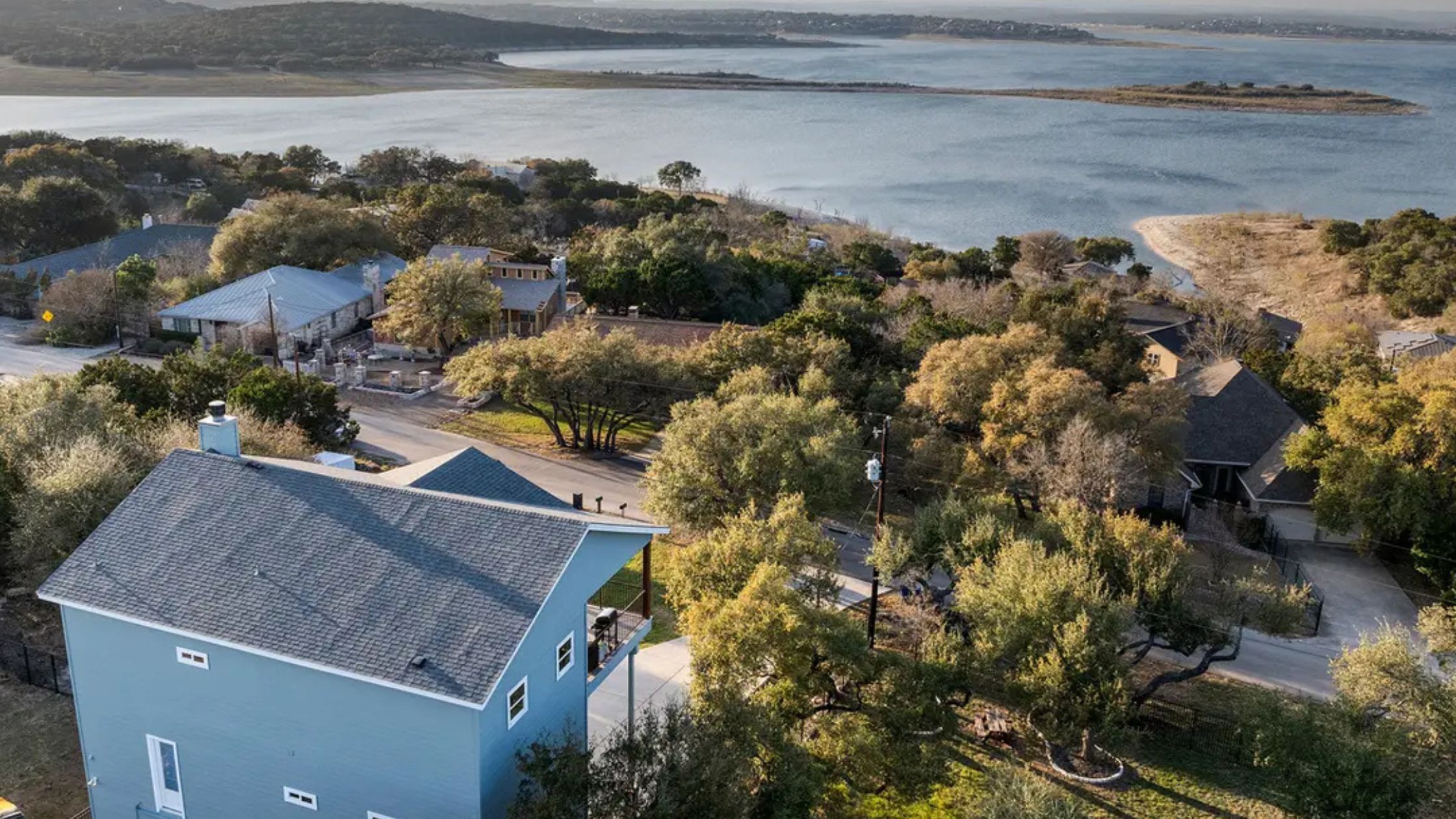
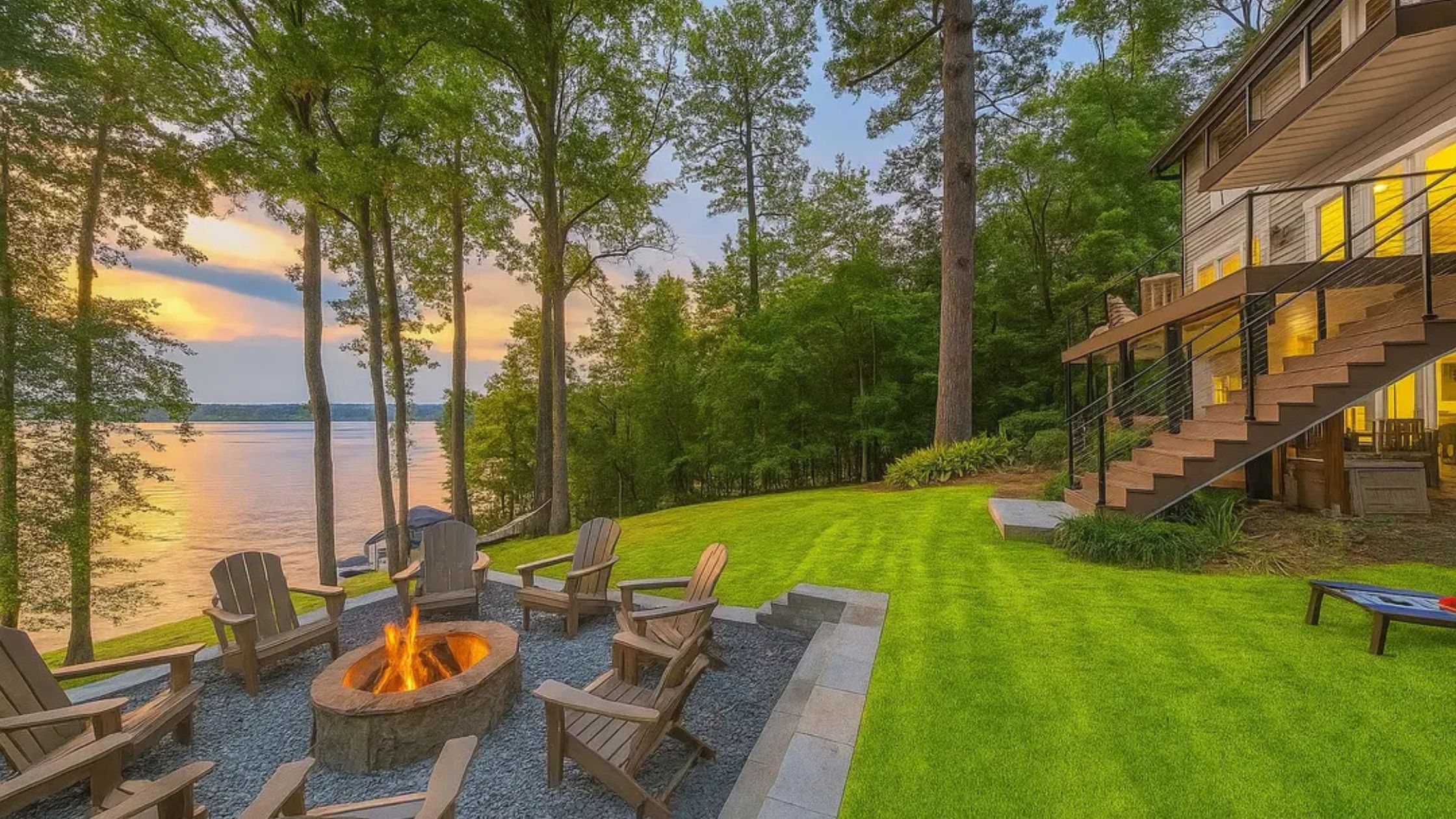
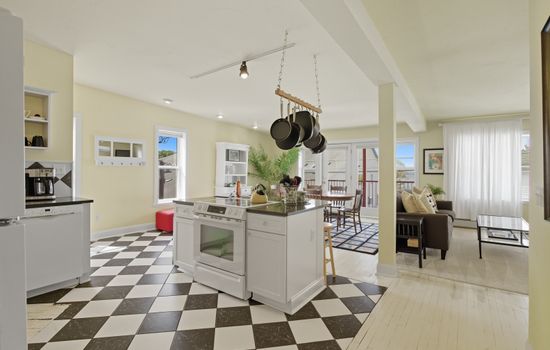
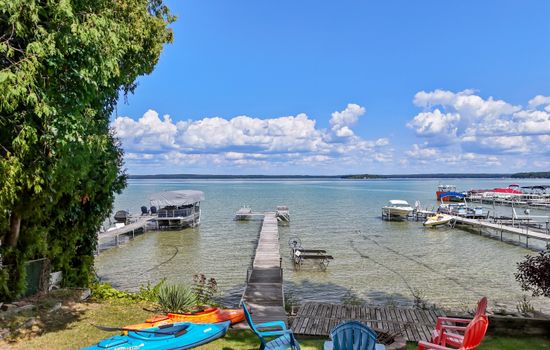
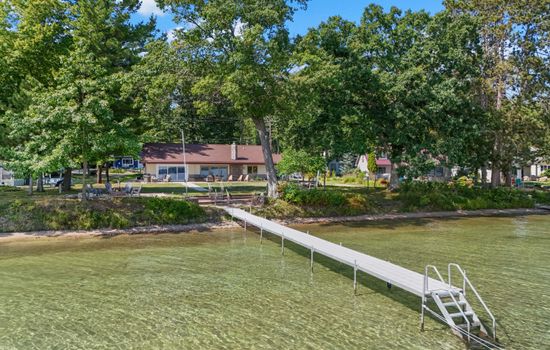
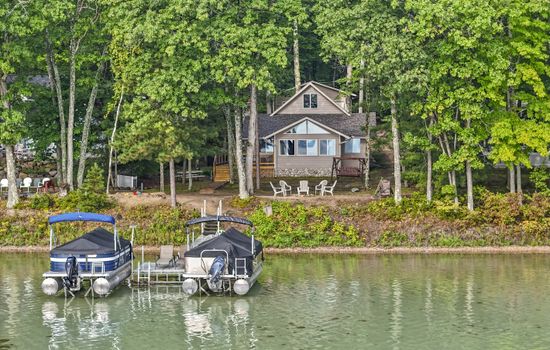
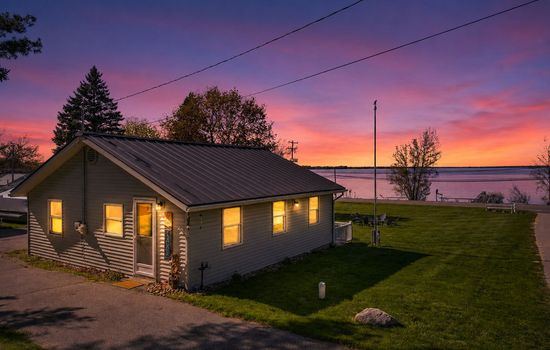
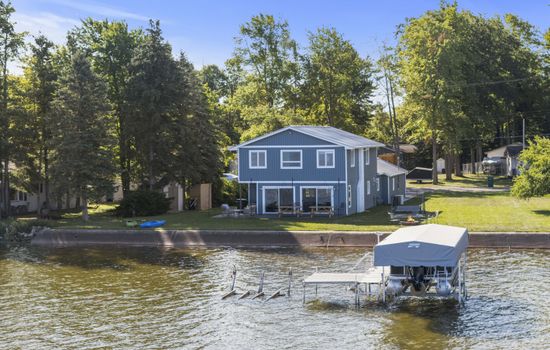
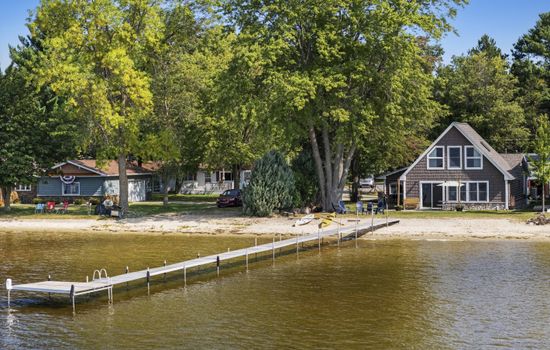
The rental inventory here is one of the deepest in the Great Lakes region, with around 700 active listings across platforms. Lakefront cottages on Long Lake and Spider Lake sit 10–20 minutes from downtown and offer private docks, pontoon access, and fenced yards. For groups, six-bedroom homes on East Bay sleep 12–16 and come with sandy beaches and kayak racks. Downtown condos near the waterfront work well for couples who want walkability over dock access. Look for properties that specify private lake frontage rather than shared beach easements, and confirm boat slip availability if you’re trailering a vessel. Parking is tight near Clinch Park in summer—off-street spots are worth filtering for.
What to Do
Rent a pontoon from Traverse City Boat Rentals or Nauti-Cat Cruises for a sunset bay loop. The TART Trail system connects downtown to Suttons Bay—16 paved miles suitable for bikes rented at McLain Cycle. Sleeping Bear Dunes requires the Empire Bluff Trail for the best bay views (2.5 miles, moderate). The National Cherry Festival runs the first week of July and packs the city solid; book at least three months out if your dates overlap. For wineries, Chateau Chantal and Black Star Farms on Old Mission Peninsula are the most consistent. Pit Stop Adventures and Crystal Mountain’s summer bike park add variety for active families.
Food and Local Rhythm
Georgina’s on Front Street is the local morning ritual—order early and grab a stool. Aerie Restaurant at Grand Traverse Resort has the best bay view at dinner. The Boathouse on Bowers Harbor is the peninsula’s special-occasion table, worth the 20-minute drive for the dock setting alone. The Sara Hardy Farmers Market runs Saturday mornings downtown from May through October and is the right stop before a beach day. For post-paddle drinks, Right Brain Brewery on 14th Street pours solid IPAs in a low-key taproom.
Best Time to Go
July is peak—warmest water, longest days, and the cherry festival. Expect full properties and July ADRs north of $400/night for lake-fronts. September is the editorial recommendation: cooler evenings, uncrowded beaches, harvest at the wineries, and rates 30–40% below midsummer. Families with school schedules will find the last two weeks of June ideal. Couples and pet owners should consider May or October when short minimum stays become available and smaller cottages open up at weeknight rates.
Practical Rental Advice
The Traverse City area has tightened short-term rental registration requirements since 2024—confirm your property has a valid township permit before booking. Summer weekends carry 3- to 4-night minimums at most lake properties; shoulder season drops to 2-night minimums at many listings. Boat launch fees at public ramps typically run $10–$15/day. Pet policies vary widely; most lakefront homes charge a $75–$150 pet fee and have breed restrictions—read carefully. Wildfire smoke from Canadian fires occasionally affects air quality in August; check forecasts if respiratory health matters.
Quick tips before you book
- Confirm lake frontage is private, not a shared neighborhood easement.
- Book July dates at least 3–4 months out; Cherry Festival week sells in January.
- Check that your property has a valid township short-term rental registration.
- Request parking details before confirming—downtown-adjacent rentals are tight.
- Bring a rain layer; afternoon thunderstorms move fast off Grand Traverse Bay in summer.
Browse all Traverse City vacation rentals on Lake.com, or explore more Michigan lake getaways along the northern shoreline.
Frequently Asked Questions
Ready to see what Traverse City has to offer? Let’s tackle some of the burning questions you might have as you plan your visit!
-
Traverse City has roughly 700 active short-term rental listings across major platforms, making it one of the largest vacation rental markets in Michigan. The inventory includes lakefront cottages, downtown condos, and large group homes sleeping up to 16 guests. Supply has grown significantly since 2021, though township registration requirements introduced in 2024 have begun to moderate growth.
-
Nightly rates typically range from around $150 for a studio or entry-level condo to $980 or more for premium lakefront homes in peak season. The market median runs approximately $210–$220 per night across all property types. July and August are most expensive; March is the softest month, with some listings dipping below $140/night. Weeknight rates average meaningfully lower than Friday and Saturday stays.
-
For July and August, book at least 3–4 months in advance—lakefront properties and larger group homes sell out early, often by February or March for summer peak. Cherry Festival week (first week of July) books even faster. Shoulder-season stays in May, September, or October have more flexibility, though popular waterfront homes still fill 4–6 weeks out for weekends.
-
Many Traverse City vacation rentals are pet-friendly, but policies vary significantly by property. Most pet-friendly lakefront homes charge a non-refundable fee of $75–$150 per stay, and some have breed or size restrictions. A fenced yard is available at some properties—filter for it specifically if that matters. Dogs are welcome at Clinch Park Beach during off-peak hours and on the TART Trail year-round.
-
July is peak season for warmest water and longest days, but September is the editor’s choice—cherry harvest, winery season, uncrowded beaches, and rates 30–40% below midsummer. Families with school schedules find the last two weeks of June a strong alternative. Couples and budget travelers should consider May or October, when 2-night minimums and lower nightly rates make a long weekend financially practical.