Mountain-town cool, two rivers, and four-season High Country access.
Tips on renting in Boone
Getting Around
What to Pack
Must-Try Activities
Smart Spending Tips
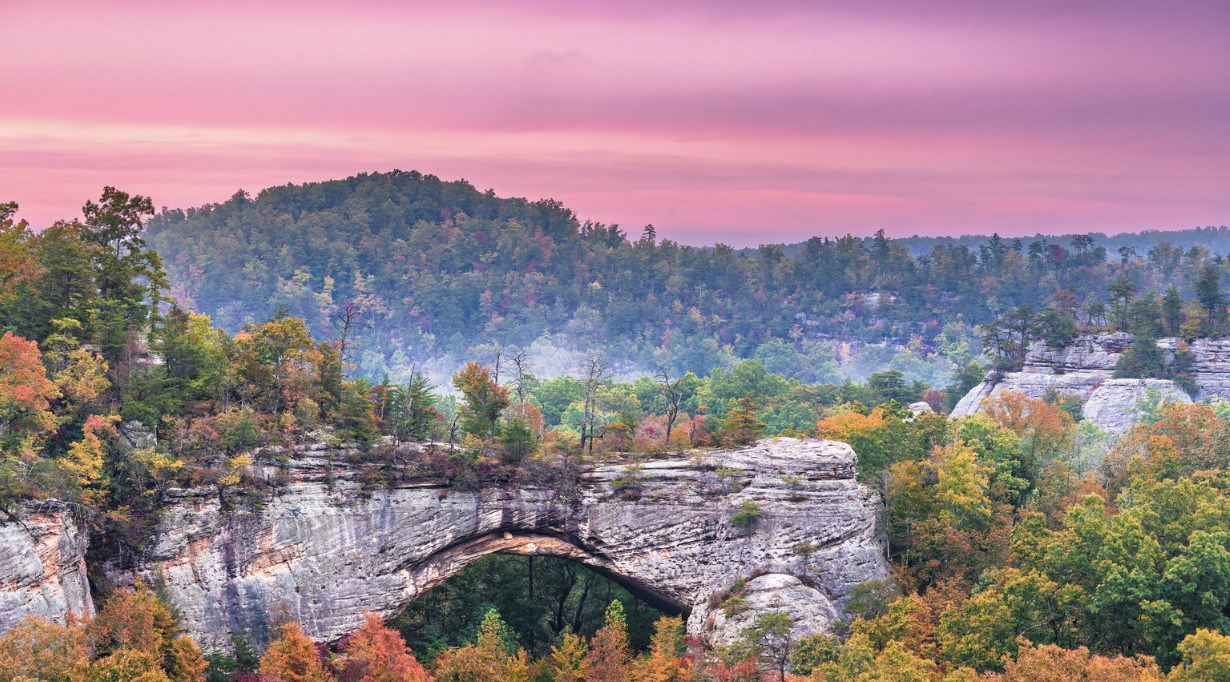
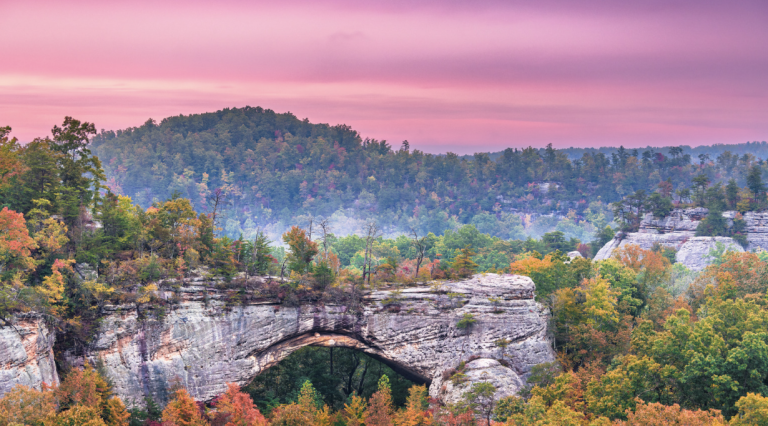
Boone earns its reputation the hard way: it’s a working mountain town at 3,333 feet, where Appalachian State University keeps the coffee shops full year-round and the New and Watauga rivers give every season a water angle worth planning around. Summer highs rarely crack 80°F, which draws families from Charlotte and Atlanta who want relief that doesn’t involve a hotel pool. Fall is when Boone becomes genuinely competitive—peak foliage typically lands between late September and mid-October, and the town fills with couples who’ve learned to book early or miss out entirely.
The water context
Boone sits at the headwaters of two rivers: the Watauga, which originates on Grandfather and Sugar Mountains and flows west through Valle Crucis before building into the class-V Watauga Gorge; and the New River, one of the oldest rivers in North America, which joins its three forks near the Boone Greenway before winding north through pastoral meadows. Price Lake at Milepost 297 on the Blue Ridge Parkway offers 47 acres of calm water for kayaks and canoes, with rentals on-site—a reliable option for families who want paddling without whitewater exposure. Bass Lake in Moses Cone Memorial Park is another easy-access option, looped by a handicapped-accessible trail and open year-round.
Where to stay
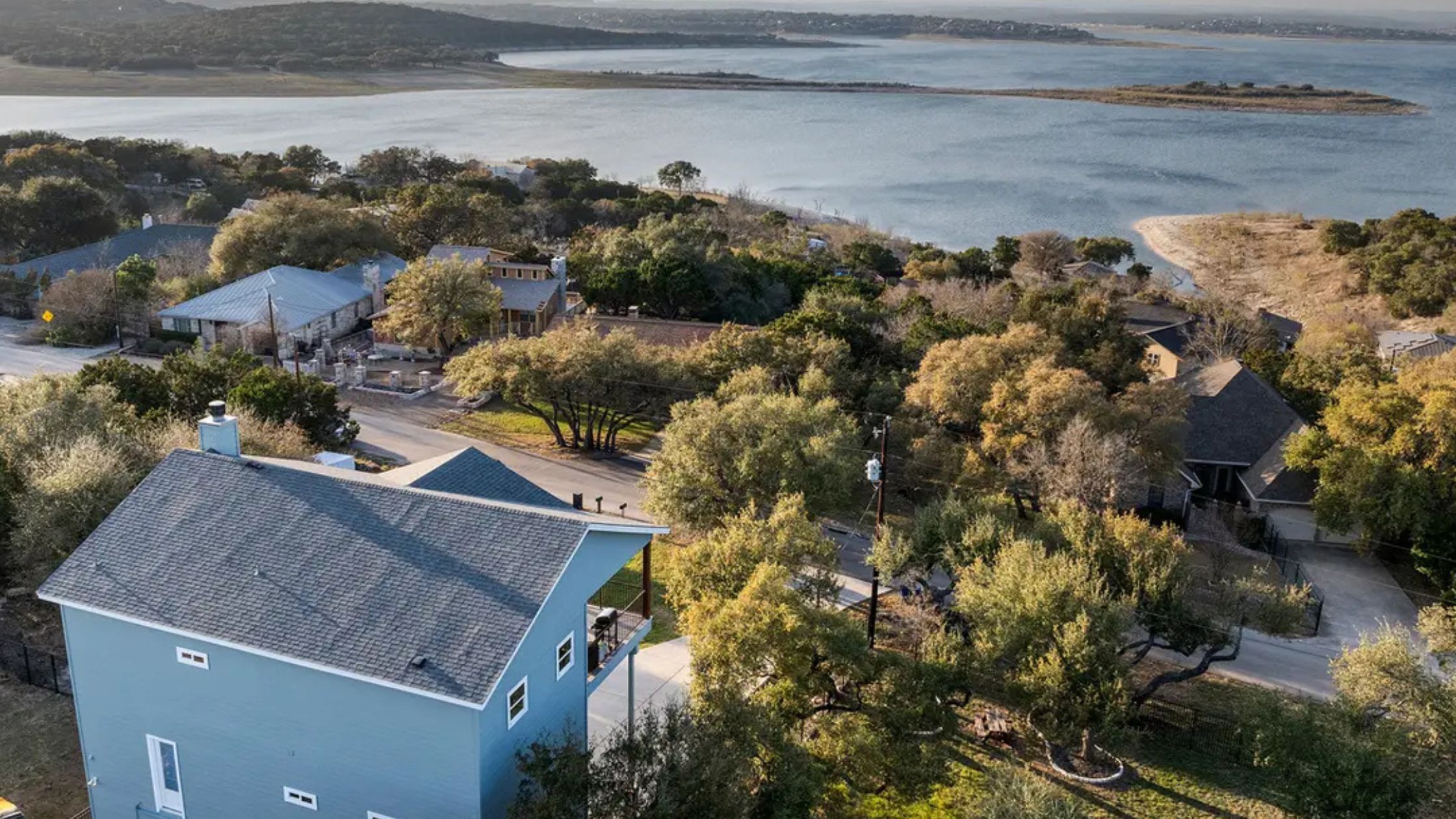
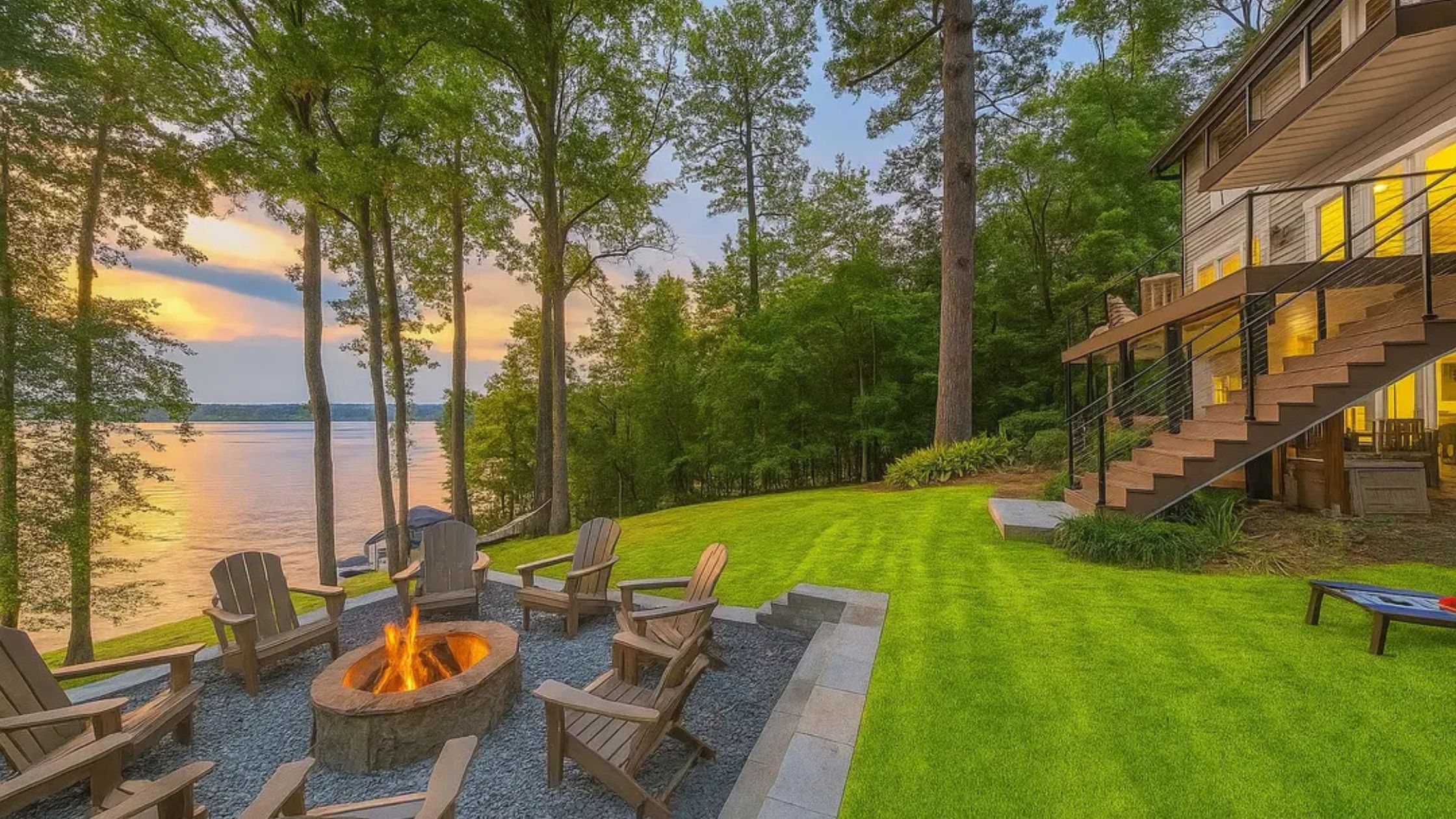
The rental inventory around Boone is large and varied. Cabins with fireplaces and hot tubs dominate the market and represent the area’s sweet spot: a private retreat ten minutes from town, often with long-range views and a wood-burning fireplace for cool evenings. Nightly rates typically run $150–$250 for a two-bedroom cabin; larger group lodges (six-plus bedrooms) can run $500 or more on peak weekends. Look for properties with dedicated parking, good Wi-Fi (for remote workers who extend their stays), and confirmed road access—some driveways are steep and gravel, which matters if you’re arriving in winter or with an older vehicle. Pet-friendly options are plentiful, though most charge a per-stay fee; ask about yard fencing before you book.
What to do
The Blue Ridge Parkway is the obvious anchor—drive south toward Blowing Rock and stop at every overlook; it never gets old. Grandfather Mountain State Park has the famous Mile High Swinging Bridge and well-maintained hiking trails across multiple difficulty levels. The Boone Greenway follows the South Fork of the New River for easy walking and fishing access. For whitewater, Edge of the World Outfitters in nearby Banner Elk runs guided trips on the Watauga Gorge. The High Country Jazz Festival (June) and the Boone 4th of July Parade are reliable anchors for summer visits; the Woolly Worm Festival in Banner Elk (October) is a classic fall-foliage-season detour. For winter, App Ski Mountain is twelve minutes from downtown, and Sugar Mountain and Beech Mountain are within thirty.
Food and local rhythm
Booneshine Brewing Co. is the natural after-hike stop—solid craft beer, good food, and a patio that catches afternoon sun. The Spotted Dog draws locals for brunch and has a consistently good farm-to-table menu. For coffee, Espresso News on King Street is a college-town institution. The Watauga County Farmers Market runs on Saturdays in-season and is worth a stop for local honey, jams, and produce before a self-catered weekend in a rental kitchen.
Best time to go
Summer (June–August) is the crowd-pleasing choice: cool temperatures, waterfalls running strong, and the Appalachian Summer Festival on the ASU campus filling evenings with concerts and performances. Fall (late September to mid-October) is the most dramatic but also the most competitive—book three to four months ahead for foliage-peak weekends. Winter is underrated: ski season runs from December through March, weekday rates drop, and the town quiets down to a pace that couples tend to love. Spring brings wildflowers and fewer crowds, though May can be rainy.
Practical rental advice
Boone has specific short-term rental regulations: properties in RA and R3 zoning must hold annual permits, and the primary renter must be at least 21 years old. Most well-established rental companies operate compliant properties, but it’s worth confirming when booking through a private listing. Summer weekends and October foliage weekends book out months in advance—the area sees over a million visitors annually, and inventory tightens fast. Midweek stays in June or late September offer similar weather at lower rates. If you’re driving from the east, US-421 is the most direct route; US-321 from the south offers a more scenic approach through Blowing Rock.
Quick tips before you book
- Confirm road type—gravel, steep driveways are common and matter in winter or snow.
- Book foliage-peak weekends (late September–mid-October) at least 3–4 months ahead.
- Check pet fees and yard fencing; most cabins allow dogs but charge a per-stay fee.
- Wi-Fi quality varies; ask the host if you need reliable remote-work connectivity.
- Pack layers—evenings at 3,300 feet can drop 20°F below afternoon highs even in July.
Browse all Boone vacation rentals on Lake.com, or read the High Country Jazz Festival guide to plan around Boone’s best summer event.
Frequently Asked Questions
Ready to see what Boone has to offer? Let’s tackle some of the burning questions you might have as you plan your visit!
-
The Boone area has a large and active short-term rental market. Across the broader High Country region—including Boone, Blowing Rock, Banner Elk, and surrounding communities—there are typically several hundred to over a thousand active listings at any given time, ranging from compact studios near the ASU campus to multi-bedroom group lodges with mountain views. Availability shifts by season, so check current listings on Lake.com for accurate counts.
-
Nightly rates in Boone typically range from around $150 to $250 for a two-bedroom cabin and $300 to $500 for larger properties that sleep six or more. Rates spike significantly on fall foliage weekends (late September through mid-October) and holiday periods including July 4th and ski season holidays. Midweek stays and shoulder-season trips in May, early June, or November can offer meaningful savings on similar properties.
-
For peak periods—specifically fall foliage weekends, summer holiday weekends, and ski-season holidays—plan to book three to four months in advance. Popular properties for October foliage weekends often fill by July. For standard summer weekdays or spring visits, four to six weeks ahead is typically sufficient, though top-rated properties with hot tubs and views tend to book faster.
-
Boone is one of the most family-friendly mountain towns in the Southeast. Tweetsie Railroad (a classic western theme park) is a short drive away, Grandfather Mountain has well-maintained trails for all ages, and the Blue Ridge Parkway has several flat, accessible lake loops including Price Lake and Bass Lake. July temperatures rarely exceed 80°F, which makes outdoor time comfortable even for young children. The Boone Greenway along the New River is flat, paved, and great for bikes and strollers.
-
Dog-friendly vacation rentals are widely available in the Boone area. Most rental management companies accommodate pets, though nearly all charge a per-stay pet fee—typically $50 to $150 depending on the property. Confirm whether the yard is fenced before booking, especially if you have a dog that roams. Bass Lake at Moses Cone Memorial Park allows leashed dogs on its accessible loop trail, and the Blue Ridge Parkway welcomes leashed pets at most overlooks and picnic areas.