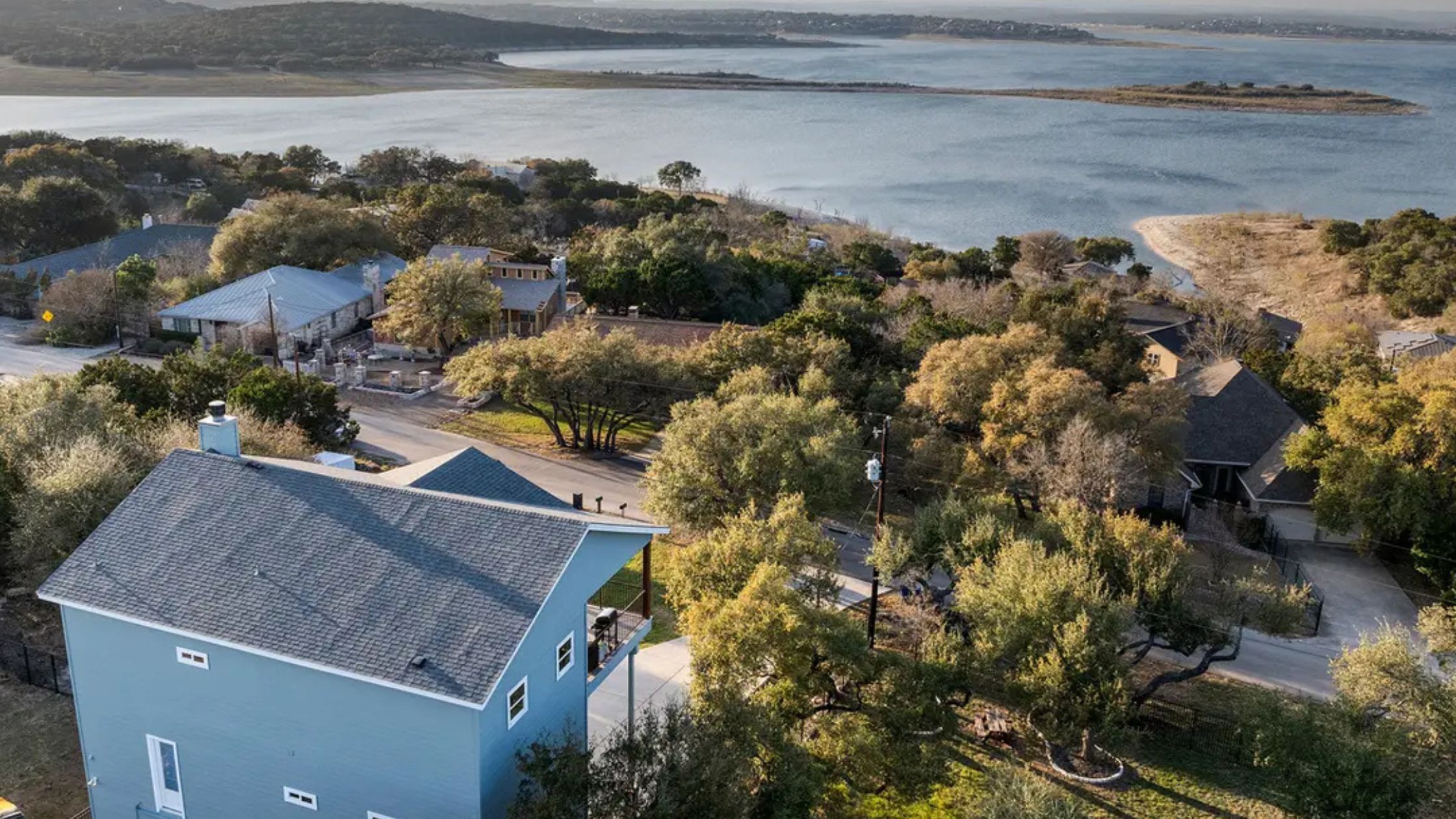
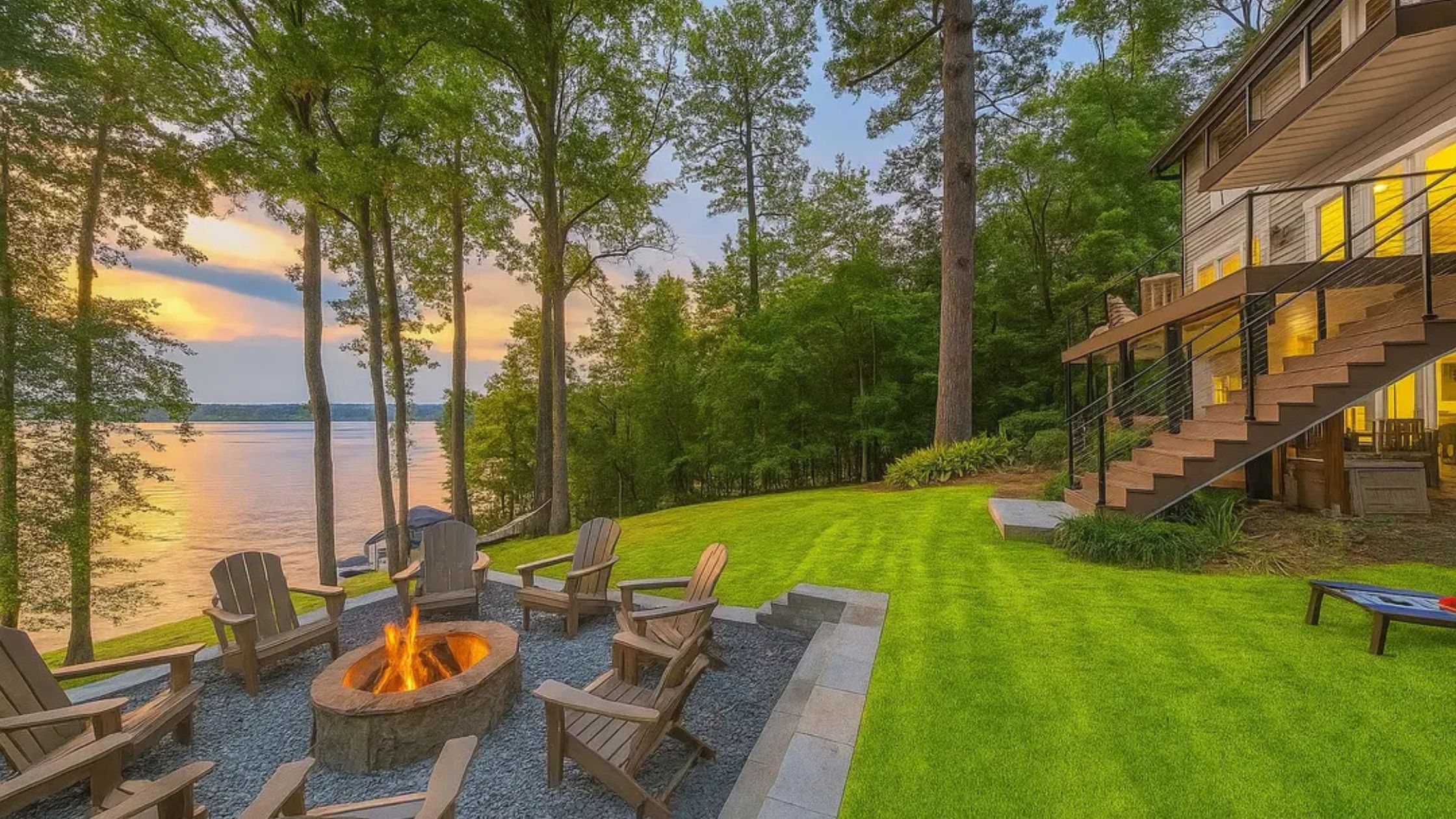
Boardwalk village energy, Currituck Sound sunsets, fine dining without the crowds.

Tips on renting in Duck
Getting Around
What to Pack
Must-Try Activities
Smart Spending Tips
Duck has managed something the rest of the Outer Banks hasn’t quite pulled off: it feels like a real village. The wooden boardwalk threading south along Currituck Sound past restaurants, galleries, and kayak rental stands is genuinely walkable, genuinely local, and genuinely hard to leave after the sun drops behind the trees. The town is small—roughly four miles long—but the density of good restaurants, boutiques, and sound-side access makes it feel self-contained in the best possible way.
Water and Shoreline
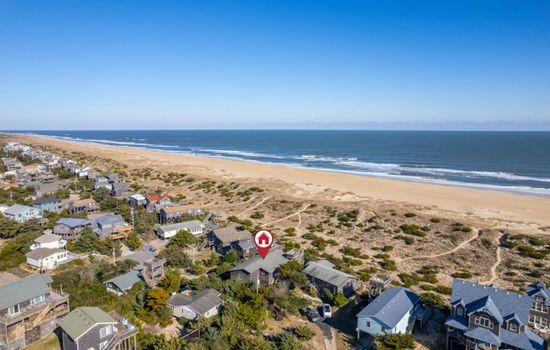
Duck sits between the Atlantic Ocean to the east and Currituck Sound to the west, giving guests both ocean swimming and sound-side calm within walking distance. The sound is a major draw here: Duck Town Park’s boardwalk fronts directly onto it, and the calm, shallow water makes for excellent paddleboarding, kayaking, and windsurfing. Several outfitters along Duck Road rent boards and offer lessons from the sound-side launch points. Ocean side, the beaches in Duck tend to be less crowded than Kill Devil Hills or Nags Head—wider sand, fewer piers, and a more relaxed feel through July and August.
Where to Stay
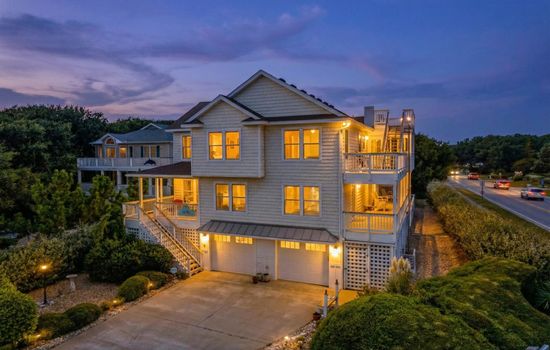
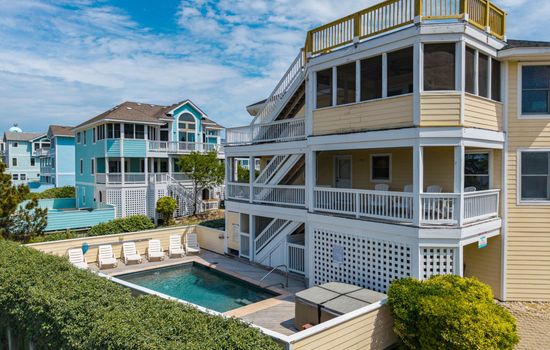
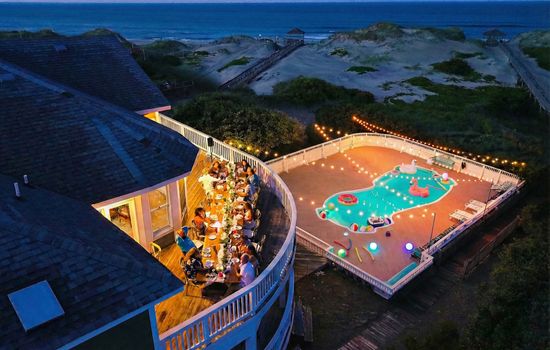
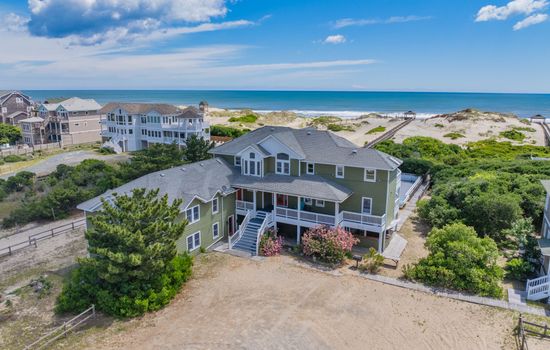
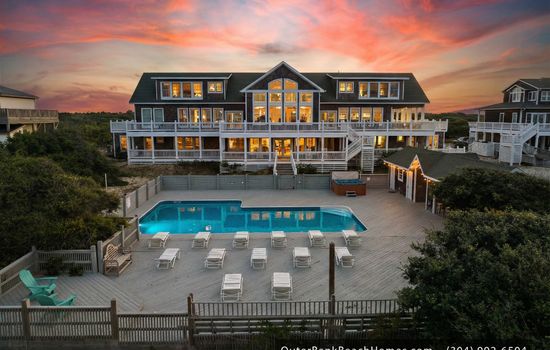
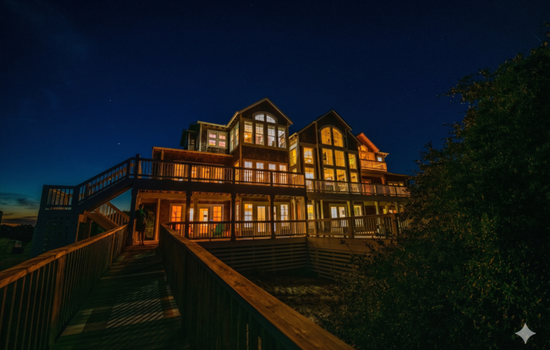
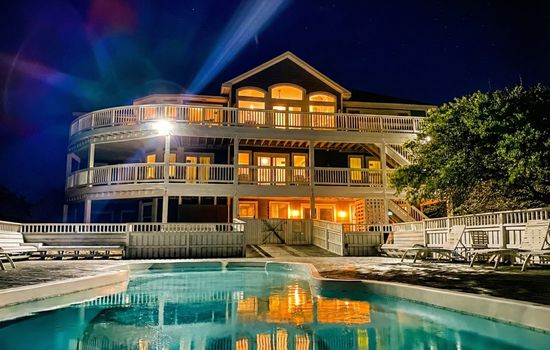
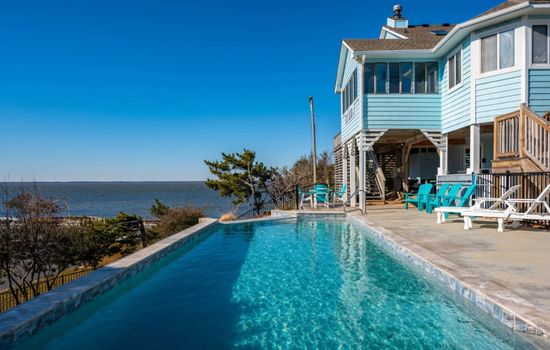
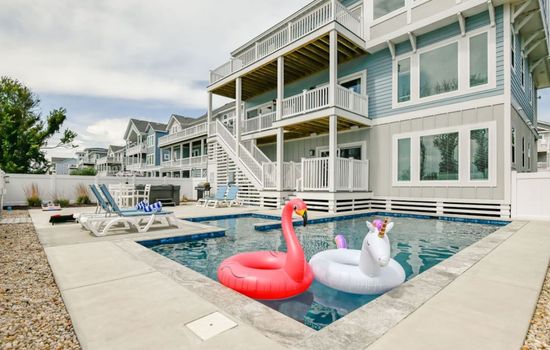
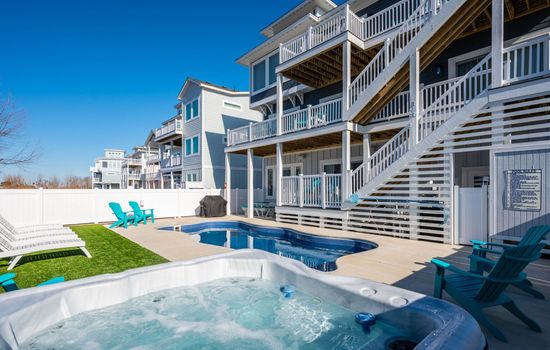
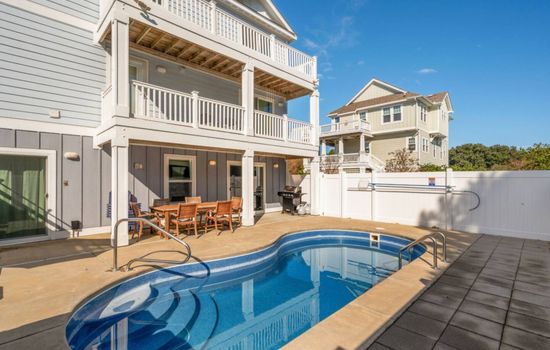
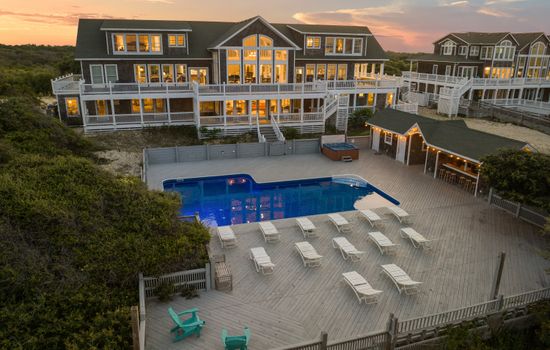
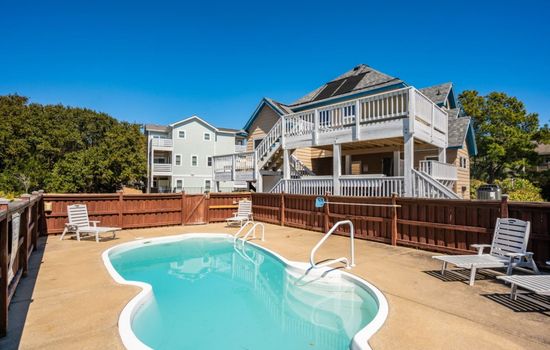
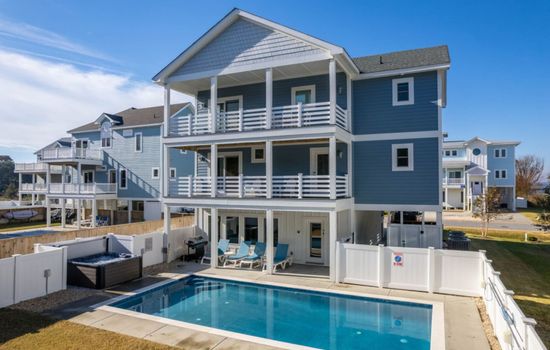
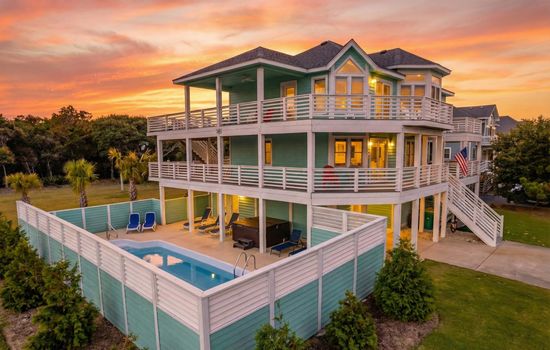
Duck’s rental inventory runs from compact 2-bedroom cottages near the village to large oceanfront and soundfront homes in communities like Sea Scape, Sanderling, and Pine Island. Sanderling, at the north end of town, includes the Sanderling Resort—a renovated property with spa access and private beach—as a reference point for the caliber of amenities some rentals mirror. Look for homes with private pools, screened porches, and sound views; the latter particularly valuable for couple’s trips. Pet-friendly homes are available in most neighborhoods, though the smaller village-side cottages often have limited yard space.
What to Do
Duck Town Park is the social anchor—free concerts run through the summer on the sound-side lawn, and the boardwalk connects to kayak and SUP rentals right on the water. Kitty Hawk Kites has a location in Duck for hang-gliding lessons and kite-flying gear. The Outer Banks Center for Wildlife Education is a short drive north in Corolla. For shopping, Scarborough Faire Shopping Village on Duck Road houses the Island Bookstore (a legitimate independent) and Treehouse Coffee, making it the best rainy-day detour on the northern banks.
Food and Local Rhythm
Duck’s restaurant scene punches well above its size. Cravings Seafood restaurant on the sound handles the upscale end with locally sourced seafood and steamer pots on the deck. Duck Donuts—the original location is here—has become its own institution, drawing morning queues all summer. For coffee, Treehouse Coffee in Scarborough Faire is the local’s stop before a beach day. The sound-side patio at any of the boardwalk restaurants after a sailing afternoon is the signature Duck experience. Grocery runs require a drive to Kill Devil Hills—the nearest Harris Teeter is about 15 minutes south.
Best Time to Go
Duck is at its best in June and September. June brings warm water, open restaurants, and manageable crowds. September arrives with cleaner skies, emptier beaches, and the same excellent food scene. Couples in particular find the shoulder season ideal—most rentals drop minimum stays from 7 nights to 3–4 nights after Labor Day. Families should target the first two weeks of June before school finishes in other states, or the last week of August for slightly lower rates. The Currituck Sound is also a strong autumn destination for waterfowl and wildlife viewing through October.
Practical Rental Advice
Duck homes in communities like Sanderling and Pine Island book early—many July weeks sell out before Christmas of the prior year through repeat guests. Most properties here require a Saturday-to-Saturday turnover in peak season, with 3-night minimums becoming available from September through May. Confirm parking: village-side properties often have space for two cars maximum, which matters for multi-family groups. Sound-front homes with dock access sometimes restrict motorized boat use through HOA rules—verify before trailering a boat.
Quick tips before you book
- Confirm whether your rental is “sound view” or true soundfront—those are very different properties.
- Duck’s boardwalk restaurants fill by 7 pm in summer; arrive early or plan a reservation.
- Pack groceries on the way in—Duck has no full grocery store; Kill Devil Hills is 15 minutes south.
- Bring bikes or e-bikes; Duck Road is bikeable and parking in the village can be tight in July.
- Summer concert series at Duck Town Park is free—check the town schedule before you arrive.
Browse all Duck vacation rentals on Lake.com, or explore more romantic coastal getaways for your next trip.
Nearby cities
Kitty Hawk
Kitty Hawk is the practical OBX base that quietly outperforms its reputation. It's centrally located, well-stocked with grocery stores and restaurants, and close enough to both Jockey's Ridge State Park and the Wright Brothers National Memorial to anchor a full week of activity. Explorer Families and Legacy Gatherers who want proximity to everything without paying Corolla or Duck premiums land here first.
Kill Devil Hills
Kill Devil Hills doesn't ask you to choose between history and a beach day. The Wright Brothers National Memorial is at milepost 7.5, Jockey's Ridge is at milepost 12, and both are finished by noon—leaving the afternoon for the Atlantic. Central, well-stocked, and the easiest entry point for first-time OBX visitors. Explorer Families return here year after year for good reason.
Corolla
Corolla earns its reputation in the hour before sunset, when the Currituck Sound goes pink and a herd of Colonial Spanish mustangs might wander past your rental's dune-grass fence. It's the northernmost drivable town on the Outer Banks—ideal for Explorer Families, Legacy Gatherers, and anyone who wants genuine breathing room between beach chairs.
Nags Head
Nags Head is where the Outer Banks tradition lives. The old Beach Cottages on the strand date to the 1930s, Jockey's Ridge has been drawing climbers since before anyone branded the experience, and Jennette's Pier remains one of the best public fishing structures on the East Coast. It's the most city-like town on the OBX—more restaurants, more activity providers—and the best base for Legacy Gatherers who want everything accessible.
Frequently Asked Questions
Ready to see what Duck has to offer? Let’s tackle some of the burning questions you might have as you plan your visit!
-
Duck has a well-developed short-term rental market with several hundred properties managed by local and national agencies. Inventory includes everything from 2-bedroom village cottages to 8-bedroom oceanfront estates, with strong availability of soundfront and ocean-view homes in planned communities like Sanderling and Pine Island.
-
Nightly rates in Duck typically range from $200–$450 for mid-range homes in shoulder season and $450–$850+ per night during peak summer weeks. Soundfront homes with dock access command a premium. Many properties require weekly rentals in July and August, which brings total costs into the $3,000–$7,000+ range for a full week depending on size and location.
-
Summer weeks in Duck’s most desirable communities—particularly Sanderling and Pine Island—often book through repeat guests before December of the prior year. For new bookings, planning 6–9 months ahead for July is advisable. September and October availability opens up considerably, with 4–6 weeks of lead time often sufficient.
-
Duck is one of the Outer Banks’ stronger options for couples. The village boardwalk, soundfront sunset views, and quality restaurant scene at Cravings and similar spots create a more intimate atmosphere than the central beach towns. Smaller rentals in the village itself or sound-view homes in Sanderling are the best fit for two travelers.
-
Yes. Duck’s beaches tend to be noticeably less crowded than the central OBX towns from Kill Devil Hills south. The town’s lack of commercial fishing piers and chain restaurants keeps the atmosphere more residential, and most beach access points serve the rental communities rather than day-trip crowds from the mainland.