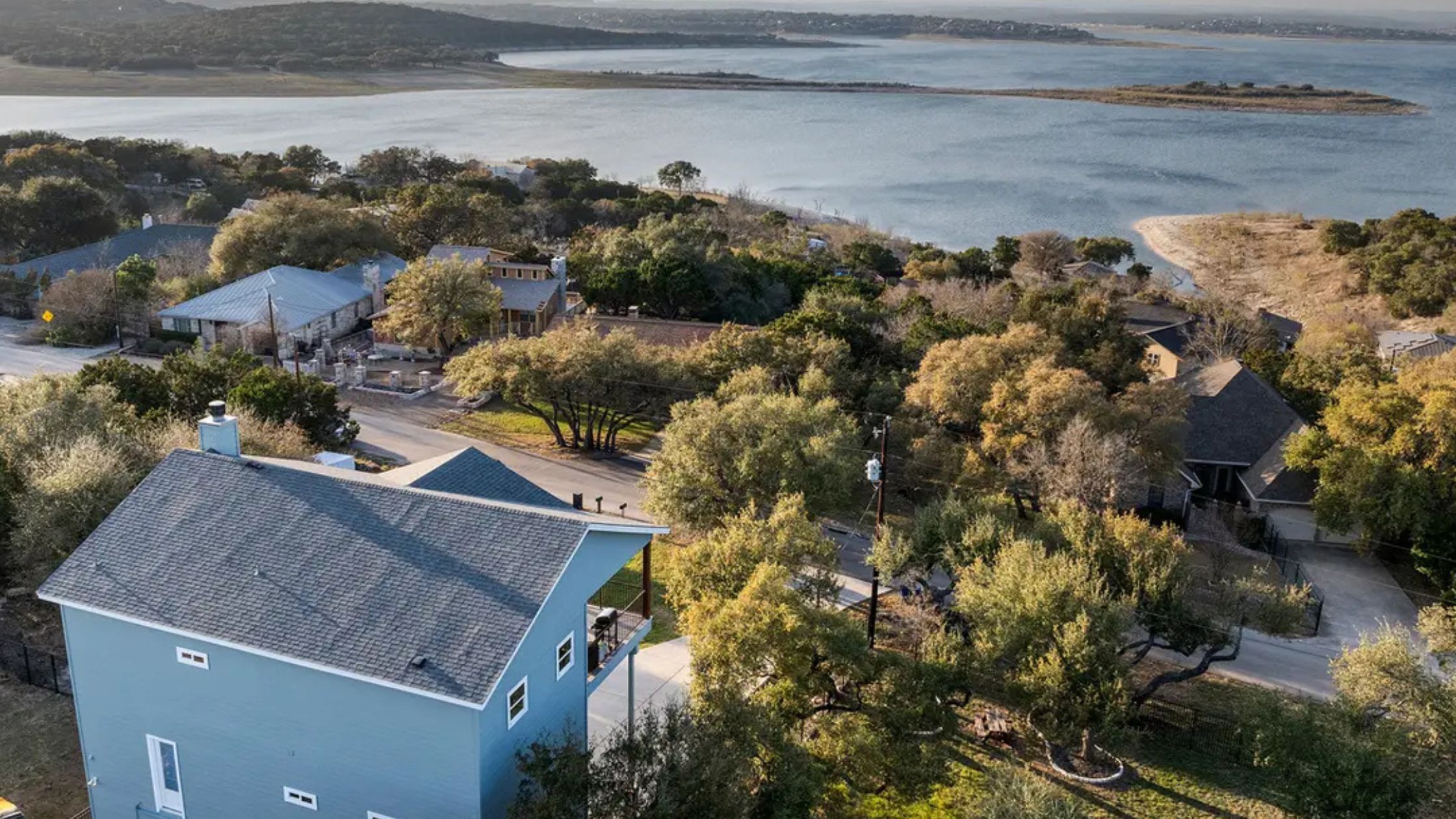
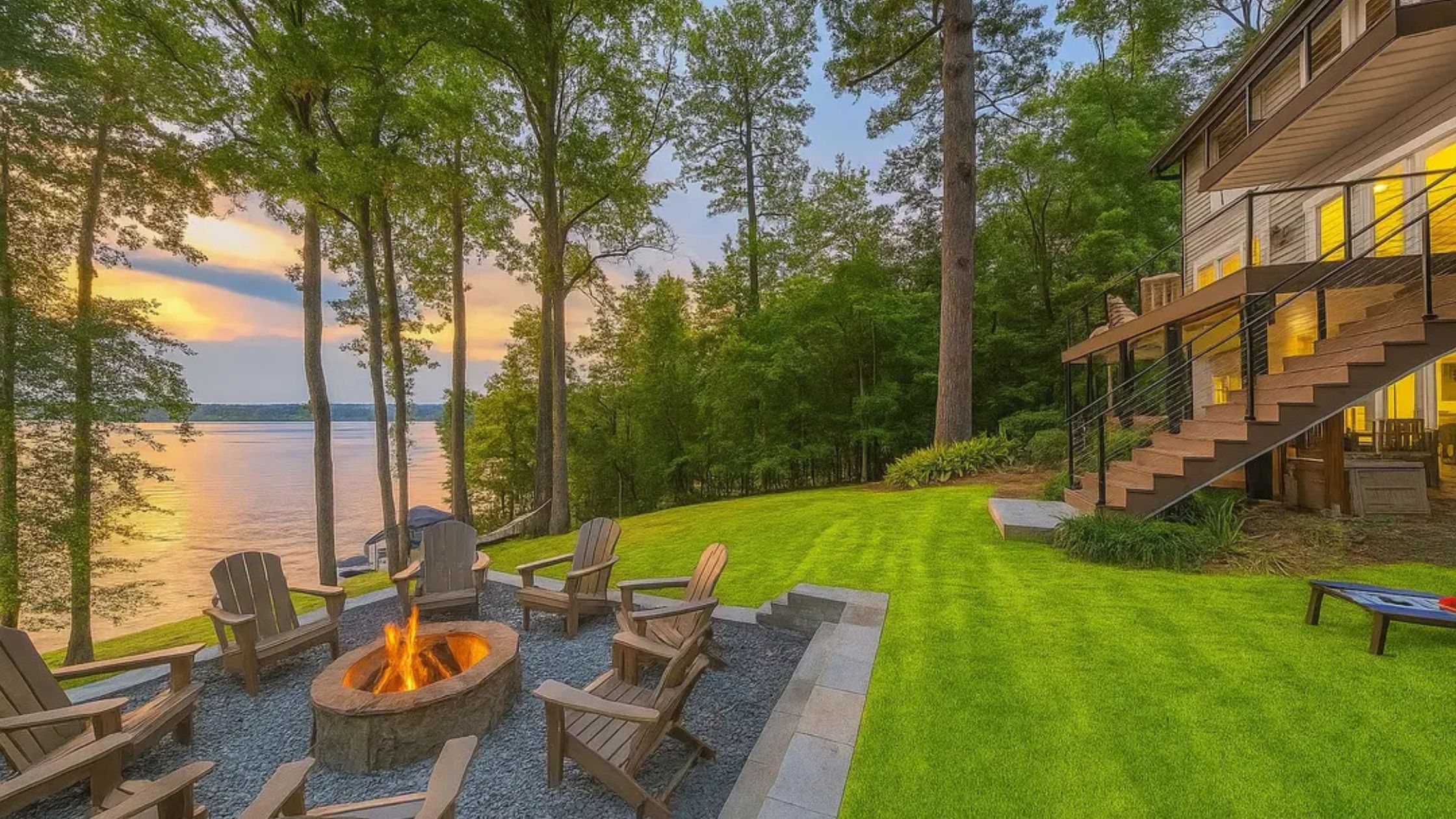
Where aviation history meets the Albemarle Sound and Atlantic in one accessible base.

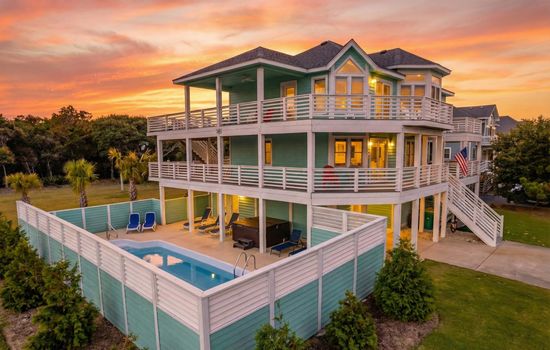
Tips on renting in Kitty Hawk
Getting Around
What to Pack
Must-Try Activities
Smart Spending Tips
Kitty Hawk tends to get overshadowed in OBX conversations—too central, people say, too familiar. That familiarity is exactly the point. Where Corolla demands planning and Hatteras rewards patience, Kitty Hawk simply works. Harris Teeter and Food Lion within a mile of most rentals. Avalon Pier six blocks from the sand. Jockey’s Ridge in the next town. And a stretch of beach that, from Labor Day to Memorial Day, is genuinely and consistently uncrowded.
Water and Shoreline
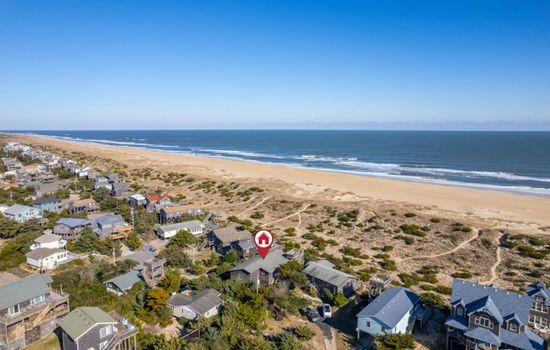
Kitty Hawk sits between the Atlantic Ocean and Kitty Hawk Bay, with the broader Albemarle Sound and its tributaries accessible further west via the Bypass. Kitty Hawk Woods Coastal Reserve—1,800 acres of maritime forest and soundside marsh—offers 4.5 miles of trails, kayak launches into Jean Guite Creek, and some of the best birding in coastal North Carolina. Ocean-side, the beach access points off Beach Road (Hwy 12) are numerous, mostly low-key, and rarely overwhelmed. Avalon Pier, at milepost 6, is a working fishing pier and a legitimate institution—walk it at 6 am and you’ll understand why anglers keep returning.
Where to Stay
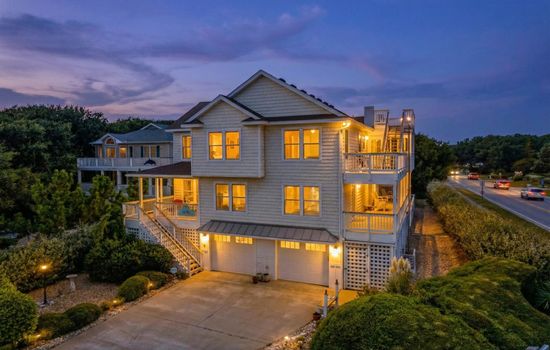
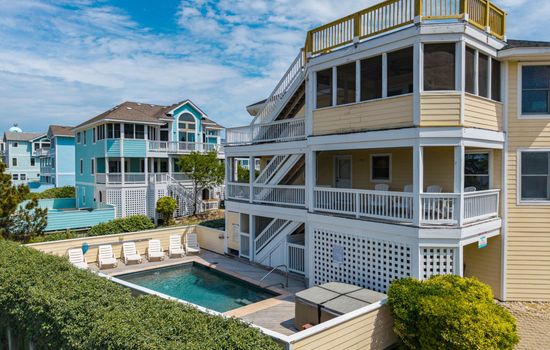
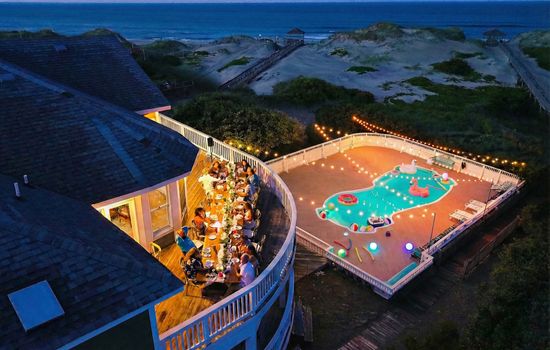
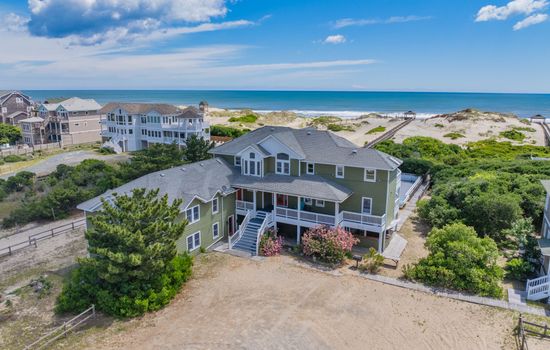
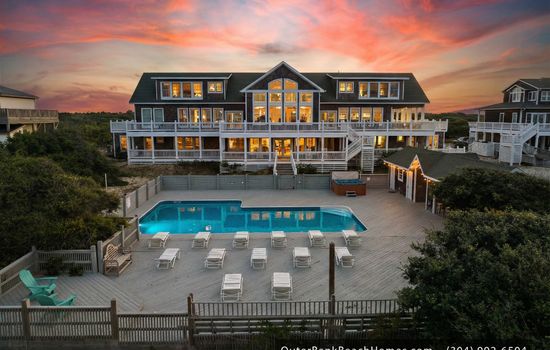
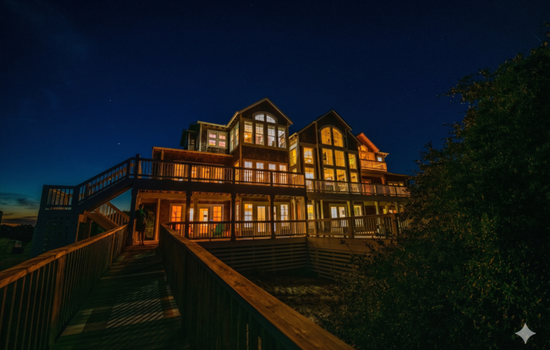
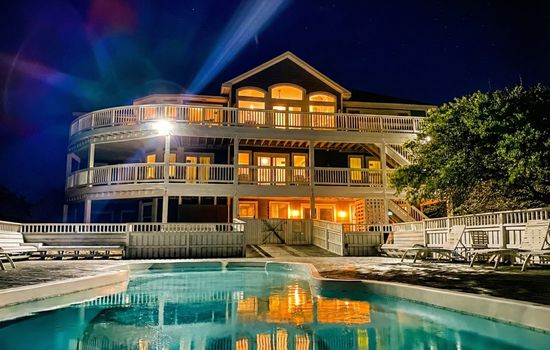
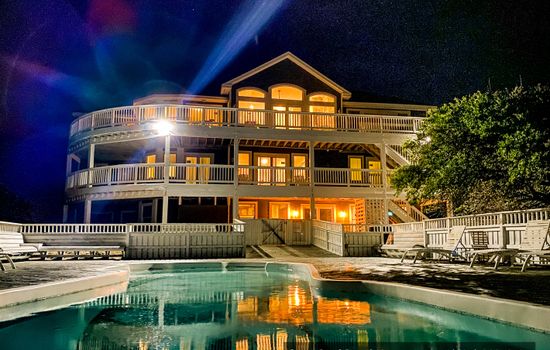
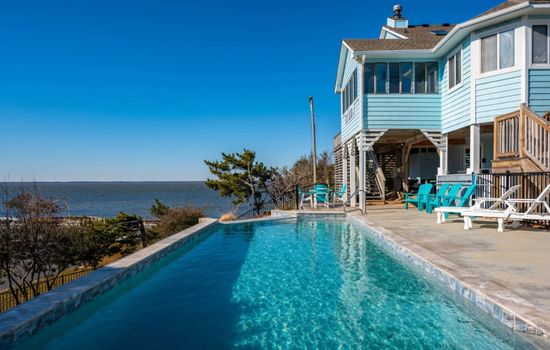
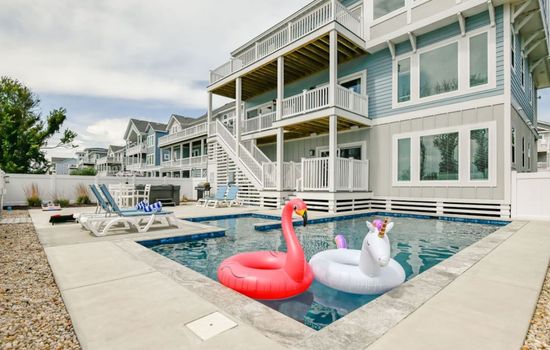
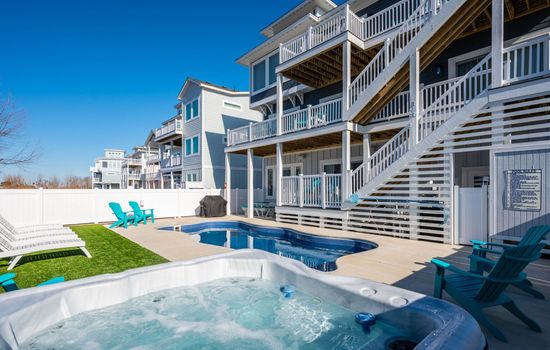
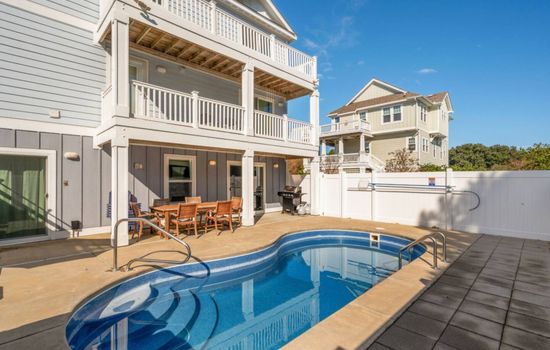
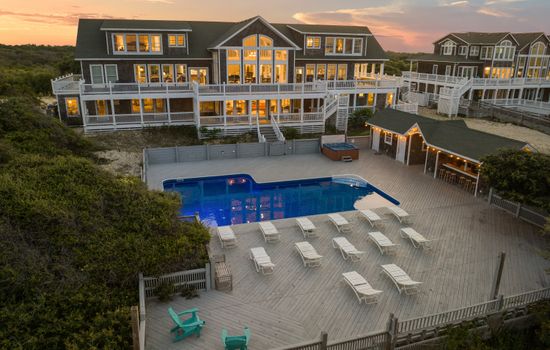
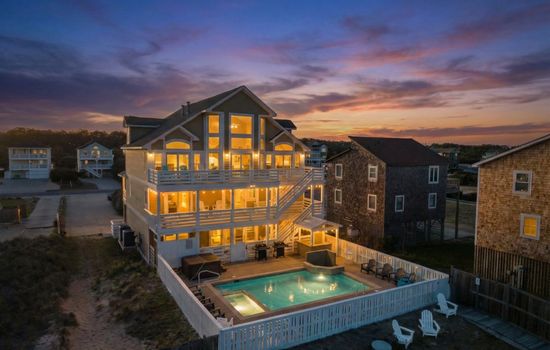
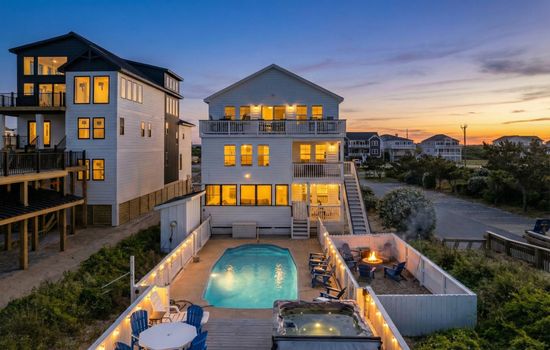
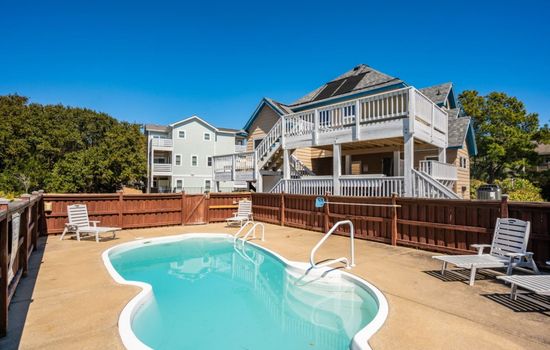
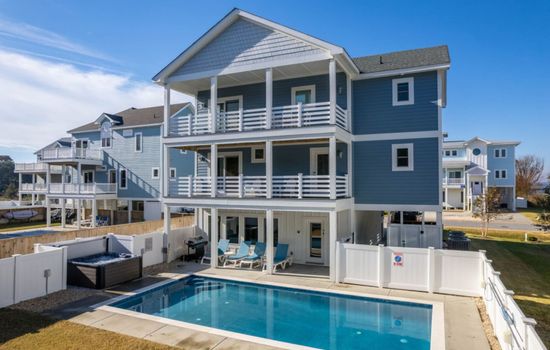
Kitty Hawk’s rental market ranges from modest 3-bedroom beach cottages on Beach Road to larger homes with private pools on the ocean side of the bypass. For pet travelers, KH has some of the more genuinely dog-friendly inventory on the northern banks—fenced yards, proximity to the beach, and relatively lower pet fees than Corolla or Duck. Look for homes in the Kill Devil Hills border area (between milepost 5 and 8) for the best value on oceanside properties. The Hilton Garden Inn at milepost 5 anchors the limited hotel market; most serious visitors book rental homes instead.
What to Do
The Wright Brothers National Memorial is at milepost 7.5—a legitimate half-day stop with the re-created 1903 camp, the original granite boulders marking each of the four flights, and a surprisingly good visitor center. Jockey’s Ridge State Park (milepost 12) is the tallest living sand dune on the East Coast—climb at sunset and the view stretches 360 degrees. Kitty Hawk Kites at Jockey’s Ridge offers hang-gliding lessons year-round. For surf, Outer Banks Kayak Adventures runs sound-side tours, and the many surf schools on Beach Road cater to beginners. Island Bookstore on N. Croatan Highway is a strong independent for rainy days.
Food and Local Rhythm
Kitty Hawk’s food scene is solid rather than spectacular, which is a feature for families who don’t want a formal dinner every night. Black Pelican Restaurant in a restored lifesaving station handles the oceanfront dinner slot with competence. For breakfast, the options along the Bypass are quick and local. The Saturday farmers market at Aycock Brown Welcome Center (seasonally) draws locals for produce and local honey. Grocery runs are genuinely easy here—the Harris Teeter at milepost 5 is well-stocked and a welcome relief after a week further south.
Best Time to Go
Kitty Hawk in late September and October is one of the Outer Banks’ best-value propositions: warm enough to swim, empty enough to park anywhere, and the Kitty Hawk Woods trails are at their most atmospheric with fall light filtering through the maritime canopy. For families, the week after July 4th often brings more availability than the surrounding weeks. Spring break visits (March–April) work well for active travelers who want surf lessons and hang-gliding without summer prices.
Practical Rental Advice
Kitty Hawk has more flexible minimum-stay options than Corolla or Duck—3-night and 4-night stays are available outside peak season from many properties, making it a good long-weekend base. Beach Road (Hwy 12) properties offer direct walkability to the ocean but can be narrow on parking; confirm the number of spaces before arriving with multiple cars. Properties west of the Bypass near the sound have larger lots and are significantly quieter, though they require a short drive to the beach. Many KH rentals allow mid-week check-in outside July and August.
Quick tips before you book
- Jockey’s Ridge at sunset books up for hang-gliding lessons—reserve your spot before the trip.
- Beach Road (Hwy 12) properties often have 1–2 parking spots maximum; plan accordingly.
- The Wright Brothers Memorial is free with an America the Beautiful pass—worth getting if you’re visiting multiple NPS sites.
- Kitty Hawk Woods trails are free year-round; bring bug spray May through July.
- Mid-week rates in shoulder season can be 20–30% lower than weekend pricing.
Browse all Kitty Hawk vacation rentals on Lake.com, or explore top fishing destinations along the Outer Banks.
Nearby cities
Kill Devil Hills
Kill Devil Hills doesn't ask you to choose between history and a beach day. The Wright Brothers National Memorial is at milepost 7.5, Jockey's Ridge is at milepost 12, and both are finished by noon—leaving the afternoon for the Atlantic. Central, well-stocked, and the easiest entry point for first-time OBX visitors. Explorer Families return here year after year for good reason.
Duck
Duck rewards slow mornings and unhurried dinners. The village boardwalk along Currituck Sound draws evening strollers past boutiques and waterfront restaurants without a traffic light in sight. For Romantic Retreaters and families who want a quieter version of the Outer Banks without sacrificing good food or a proper sunset, Duck consistently outperforms its size.
Nags Head
Nags Head is where the Outer Banks tradition lives. The old Beach Cottages on the strand date to the 1930s, Jockey's Ridge has been drawing climbers since before anyone branded the experience, and Jennette's Pier remains one of the best public fishing structures on the East Coast. It's the most city-like town on the OBX—more restaurants, more activity providers—and the best base for Legacy Gatherers who want everything accessible.
Manteo
Manteo sits on Roanoke Island between the beach island and the mainland—close enough to the Atlantic to make the drive in under 20 minutes, far enough to feel like a different kind of place entirely. Shallowbag Bay is calm, walkable, and framed by colonial history that actually earns its retelling. It's the ideal base for Legacy Gatherers and Romantic Retreaters who want culture alongside their coastline.
Frequently Asked Questions
Ready to see what Kitty Hawk has to offer? Let’s tackle some of the burning questions you might have as you plan your visit!
-
Kitty Hawk rentals are among the more affordable on the Outer Banks. Typical 3–4 bedroom homes range from $150–$350 per night in shoulder season and $350–$650 per night in peak summer weeks. Oceanfront homes with private pools run higher. The market offers more flexibility on minimum stays than Corolla or Duck, with 3-night options available outside July–August.
-
For July and August, booking 4–6 months in advance is advisable for the best oceanfront inventory. Shoulder season (May–June and September–October) typically has inventory available 4–8 weeks out for most property types. Kitty Hawk has more mid-week and long-weekend availability than many OBX towns.
-
Yes. Kitty Hawk is one of the most family-practical towns on the OBX. The central location means quick access to groceries, the Wright Brothers National Memorial, Jockey’s Ridge State Park, and multiple surf schools. The beach access points are numerous and mostly flat, with minimal driving required between activities.
-
Kitty Hawk has a solid inventory of pet-friendly rentals, with fenced yards more common here than in some tighter communities further north. Pet fees are typically $75–$150 per stay. The proximity to Kitty Hawk Woods—where dogs are welcome on leash—makes it one of the better OBX towns for traveling with dogs.
-
Kitty Hawk is one of the few OBX towns with year-round amenities including grocery stores, gas stations, and restaurants. Off-season (November–March) rates drop significantly—typically 50–60% below summer peak. The beach is walkable and uncrowded, Kitty Hawk Woods is beautiful in winter light, and the Outer Banks weather in fall averages highs in the 60s–70s through October.