The trip usually starts the same way. Someone in the family floats the idea of a lake week — somewhere with water, space, and a chance for everyone to be in the same place at the same time. It sounds simple. Then the group chat starts.
Parents want easy water access. Grandparents want a bedroom on the first floor. One sibling has a dog. Another sibling’s kids are four and seven, which means anything with an unfenced dock is immediately complicated. Someone else mentions budget, which opens a separate conversation about who’s paying for what and how the split is going to work. By the time any lake is actually named, the vacation has already become a coordination problem and most of the best “Lake Vacations for Multi-Generational Families” content was never written to solve that problem.
Our pillar guide to the best lakes for family vacations sorted lakes by the decisions families actually face: flexibility, timing, sunshine, and crowd avoidance. This piece goes one level deeper into the specific layer the pillar’s framework depends on but doesn’t fully unpack — the physical and logistical checklist that makes a multi-generational lake trip work for everyone in the group, not just whoever booked it.
The Problem Isn’t Finding a Lake. It’s Filtering for One That Fits.
A multi-generational trip fails at the listing, not the destination. A lake can have everything going for it — good review timing, decent sunlight, manageable drive, and still be a disaster if the house has a steep staircase to the water, a single bathroom, and a lease that charges extra for the dog. These are not fine-print details. They are the entire trip for the grandparent with a bad knee and the family who drove nine hours with a Labrador.
Most families search for a destination first and then try to make the housing work around it. For a multi-generational trip, the sequence runs the other way.
Define the non-negotiables before the destination ever comes up, and let the housing criteria narrow the lake list instead of the other way around. Here’s what that filter actually looks like in practice.
The Filters That Actually Work When Planning Lake Vacations for Multi-Generational Families
Bedrooms and Bathrooms: The First Number That Matters
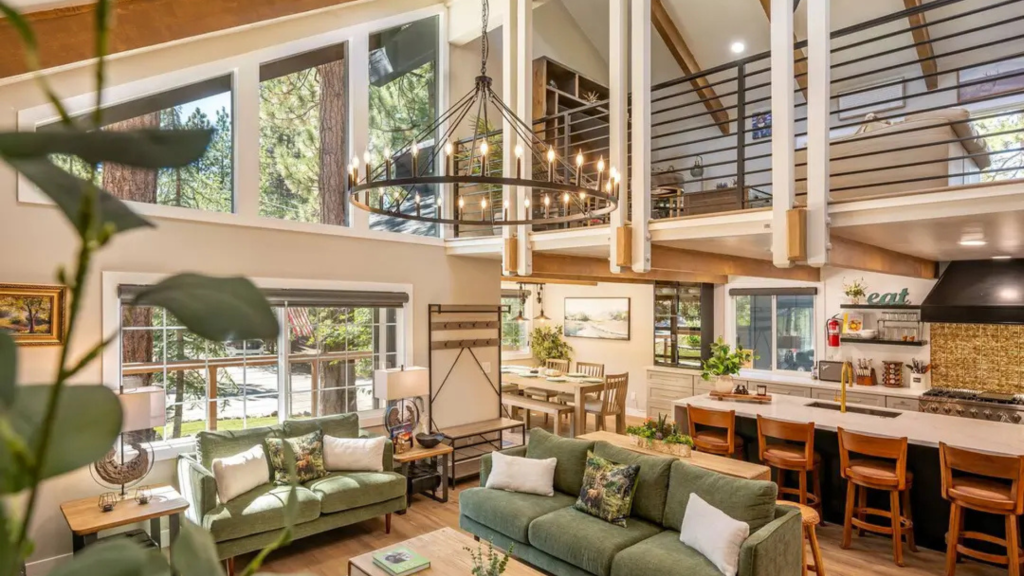
Bedroom count is the most straightforward variable in the whole decision, and the one families most reliably underestimate. A house that sleeps ten on paper often means two people on a pull-out sofa and one person in a converted loft that requires a ladder. The number to filter on isn’t total sleeping capacity, it’s the number of private bedrooms with actual doors.
For a three-generation trip, the minimum worth considering is one bedroom per family unit — grandparents together, each sibling family together — plus a common area that doesn’t double as anyone’s bedroom. Bathroom count follows the same logic. One shared bathroom for eight people works on a campground, not on a seven-day lake trip with a four-year-old and a grandparent on a morning medication schedule.
Water Access: Safe for the Youngest and the Oldest
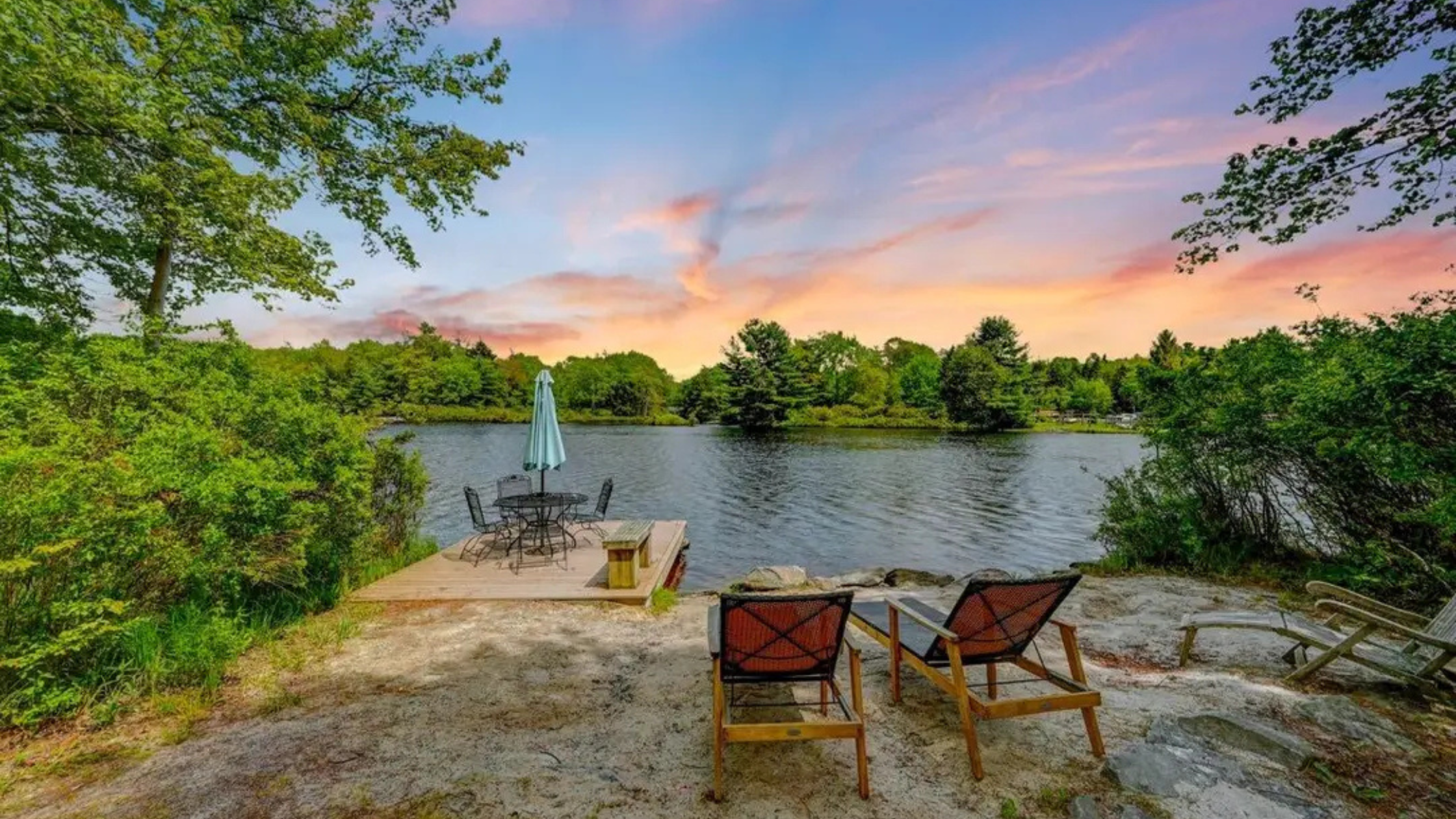
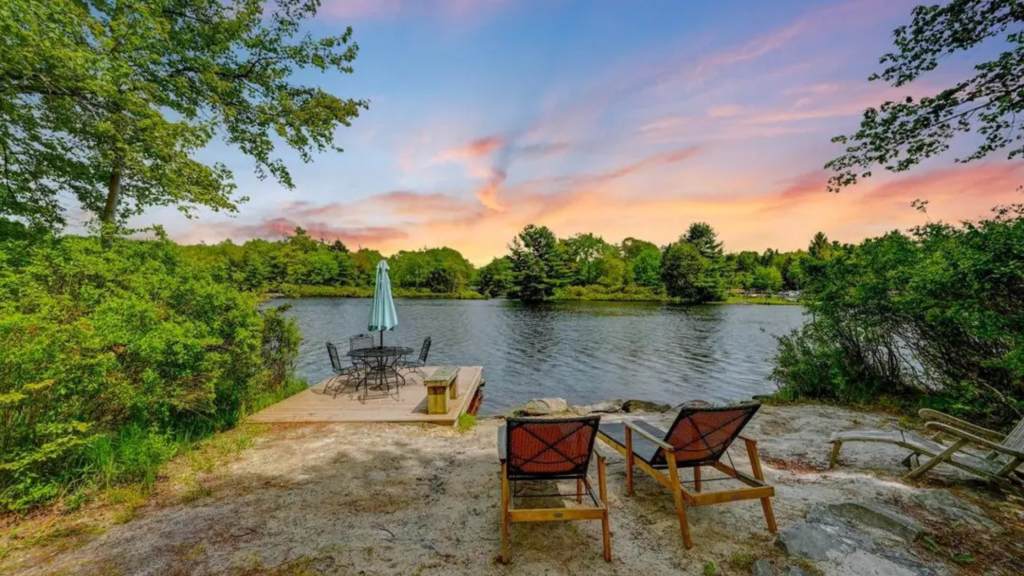
Waterfront means different things on different listings. A house described as waterfront might have a dock with no railing, a steep bank between the house and the water, or a shared access point that requires a short walk down an uneven path. None of those are deal-breakers for a trip built around adults in their thirties. All of them matter when the group includes a four-year-old who will run directly toward any open water and a grandparent who can’t manage uneven ground.
The detail worth verifying before booking: how does someone actually get from the house to the water, and what does that path look like. A gentle slope to a sandy beach serves every generation in the group. A dock with a vertical ladder into a deep swim area serves one.
Pet Policies: Not All Welcome Mats Mean the Same Thing
Pet-friendly is a listing category, not a policy. The actual terms — which breeds, how many animals, what the deposit looks like, whether the fee is disclosed upfront or buried in the checkout flow — vary by property and matter more than whether the listing shows the right filter tag.
A surprise pet fee at checkout is a budget conversation nobody wanted to have on a Saturday morning.
For a trip where one sibling has a dog and the house price is being split seven or eight ways, the cleaner version of this decision is a platform that surfaces pet fees in the listing itself, before anyone’s committed to a price, so the split the group agreed on is the split that actually shows up. That’s why Lake’s Best Rate Guarantee considers what 0% guest fees and transparent pricing are actually worth on a multi-generational trip — not an abstraction about fairness, but fewer difficult conversations mid-booking.
Which Lakes Fit This Framework
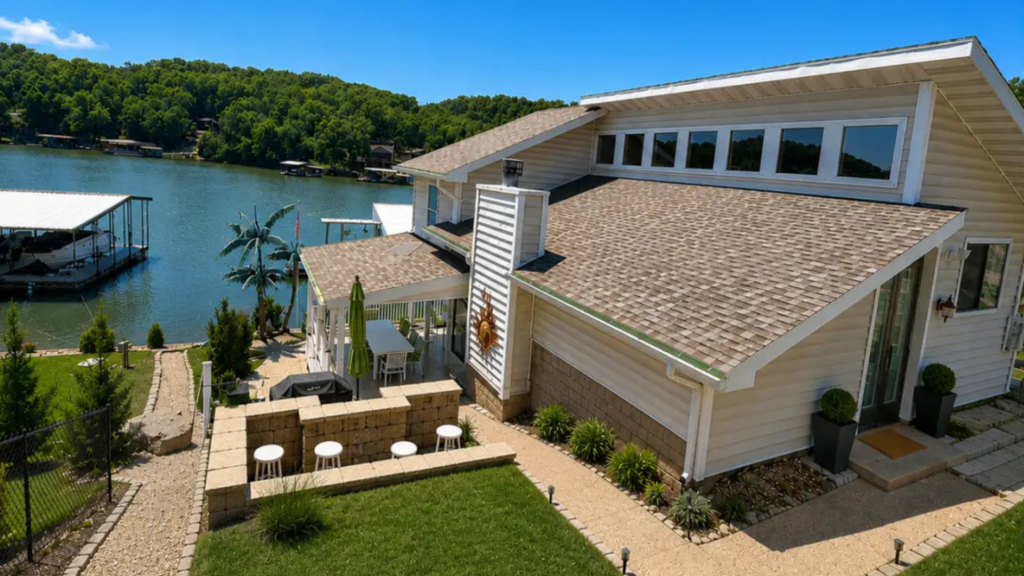
The pillar guide called out Lake of the Ozarks as the pick for families locked into July, and part of why it earned that call is inventory. The Ozarks has one of the largest concentrations of larger-footprint vacation rentals of any lake in the country. Houses built to hold extended family groups, with the bedroom counts, bathroom ratios, and water access configurations that a multi-generational trip actually requires. For a group trying to find a six-bedroom house with gentle water access on a July week, the Ozarks gives more options to filter from than almost anywhere else.
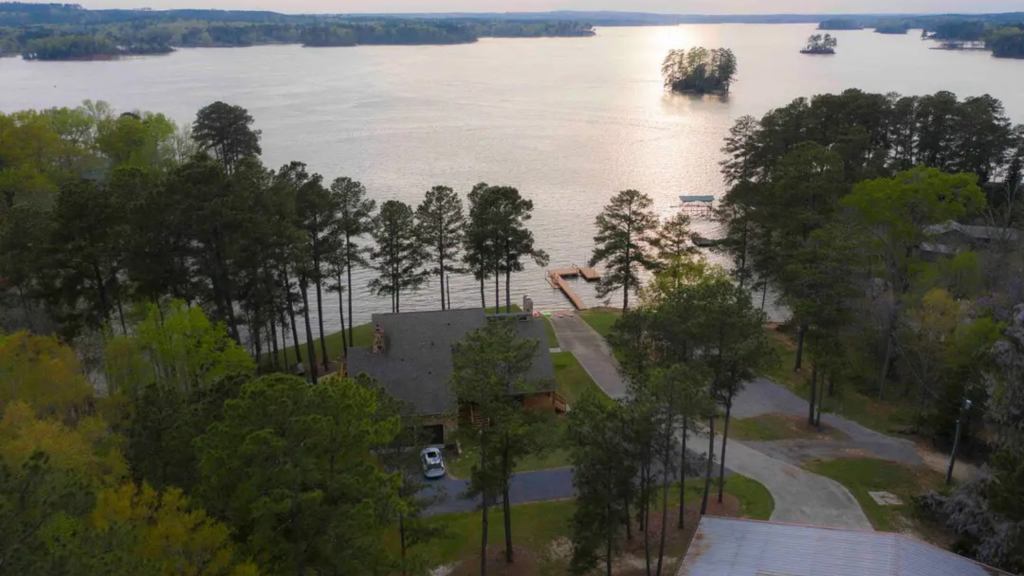
Lake Hartwell, on the Georgia-South Carolina border, is worth naming here for the same reason but with a different timing profile. September is its best-reviewed month, it measures above average on sunshine nationally, and its rental inventory trends toward larger cabins and houses rather than the smaller cottages that make up the bulk of some New England lake markets. For a group that can travel after Labor Day, Hartwell checks more boxes per search than most comparable lakes in the Southeast.
For families choosing on sunshine first — which the pillar guide flags as the right call when guaranteed outdoor time is the priority, and which our companion guide to America’s sunniest lake destinations covers in full — Lake Havasu City and Big Bear Lake both have family-oriented rental inventory alongside their sunlight advantage. Havasu leans toward desert-climate lake houses with easy water access. Big Bear’s inventory is shaped more by its ski-resort history, with a larger share of mountain cabin-style properties that work well for a group that wants space between the generations but still wants to end up at the same dinner table.
The Conversation You’re Actually Managing
The person who finds this article, builds the shortlist, and presents it to everyone else isn’t just planning a trip. You’re managing a group dynamic where multiple people have veto power and not all of them know what they’re vetoing until they see it.
The most useful thing this framework does is front-load the hard questions before a specific house is on the table. Once someone falls in love with a view, the conversation about the ladder dock and the one-bathroom configuration gets harder. Before anyone’s opened a listing, it’s just logistics.
Set the non-negotiables first — bedroom count, bathroom count, water access type, pet terms, drive distance, the price the group actually agreed to split. Then filter. The lake that comes out the other end of that filter is the one worth booking, not the one with the best photo in the search results.
That’s the difference between a trip everyone says yes to and a trip one person said yes to on everyone else’s behalf.
- Top Things to Do in the Poconos: A Year-Round Guide to Pennsylvania’s Mountain Lake Country
- Best Time to Go to the Poconos: Fall Is the Answer, Unless You Came for the Lake
- Lake Wallenpaupack Things to Do: The Ultimate Guide to Family Adventures, Outdoor Activities, and Scenic Escapes
- Best Time to Visit Lake Wallenpaupack: Your Guide to Year-Round Fun!
- Best Time to Visit Gilford, New Hampshire: A Complete Seasonal Guide