
In Broken Bow, October Wins. Summer Just Sells Out First
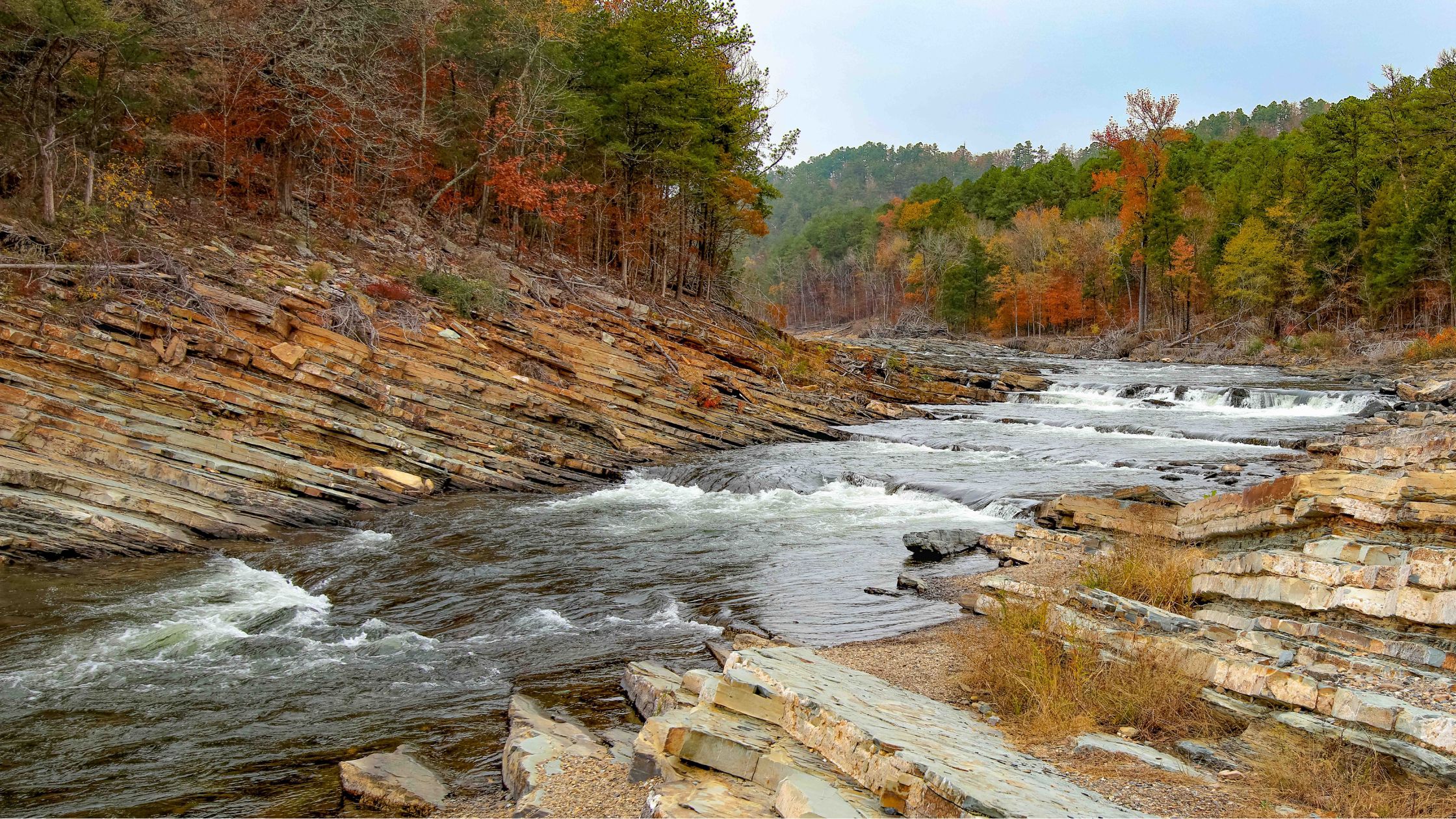
The honest answer is October. If you can only go once, go then — when the humidity has finally given up, daytime highs hover around 75°F (24°C), and the understory of Broken Bow Lake‘s surrounding Ouachita forest shifts from solid pine-green to a patchwork of sweetgum red and hickory gold.
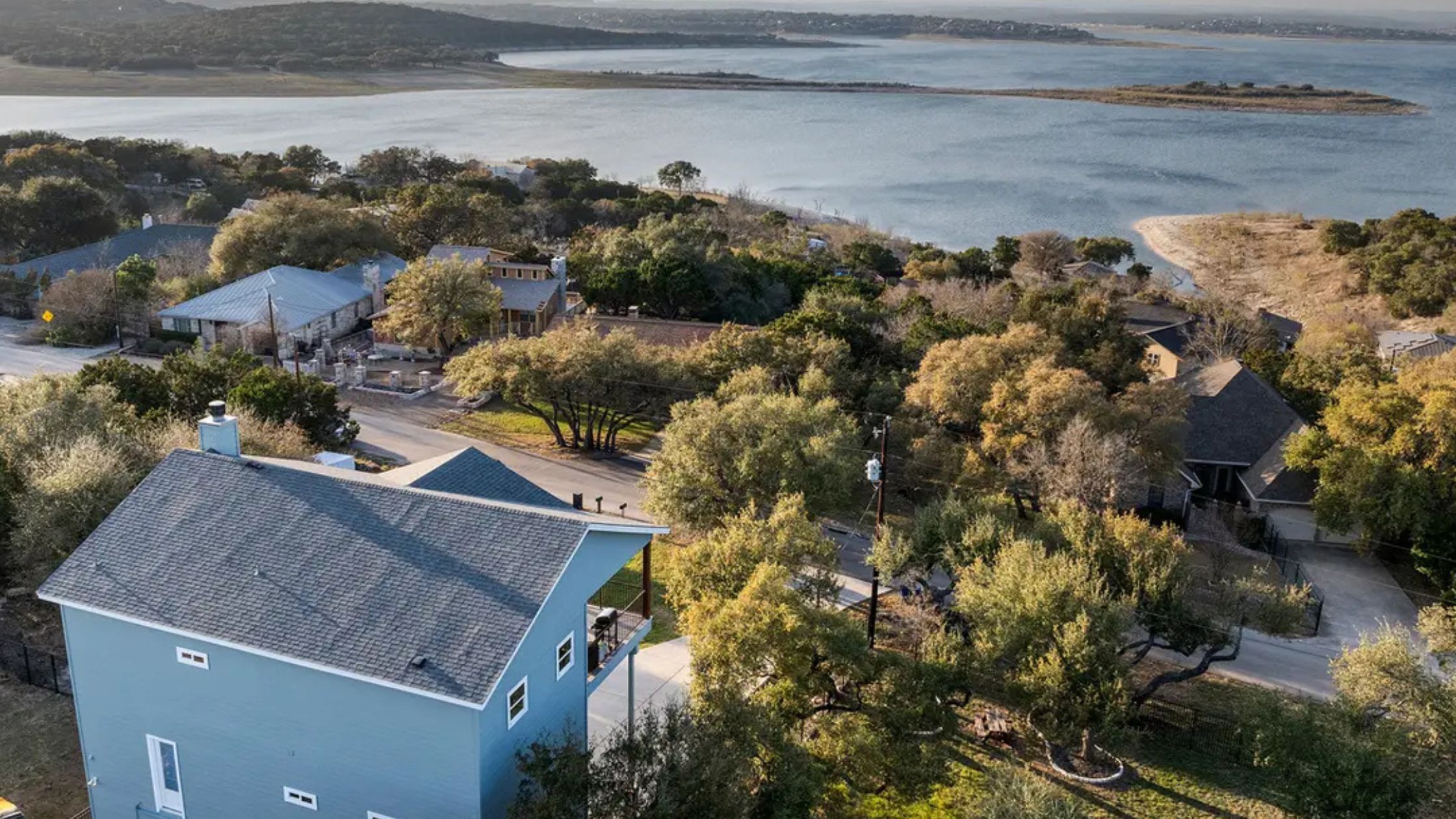
Broken Bow is a region built around its lake — 14,000 surface acres with 180 miles of shoreline, tucked into the folded terrain of southeastern Oklahoma’s McCurtain County — and in fall, it shows its best face without asking anything of you in return.
The second-best window is summer, which is hotter, louder, and more expensive, but also the only time the lake itself is the centerpiece.
Broken Bow by Season
Let’s get into the best time to visit Broken Bow by season: what to expect from the weather, what’s actually happening on the water and in the woods, and what you’ll give up depending on when you go.
| Season | Highs | Lows | Know Before You Go |
|---|---|---|---|
| Summer (June–August) | 88–93°F (31–34°C) | ~63–65°F (17–18°C) | Persistent humidity makes midday feel warmer than the thermometer suggests. Peak season—the lake is fully alive, cabins fill fast, and Hochatown’s strip of restaurants and outfitters runs at full tilt. Trade-off: expect weekend crowds at trailheads and boat launches. |
| Fall (September–November) | ~86°F (30°C) in September; 70–75°F (21–24°C) in October; low 60s°F (~16°C) by November | 50–52°F (10–11°C) nights (October) | The region quiets considerably after Labor Day. Trade-off: the lake is less swimmable by mid-October, and some seasonal outfitters close by November. |
| Winter (December–February) | Low-to-mid 50s°F (11–13°C) | 34–38°F (1–3°C) | Snowfall is rare—typically less than an inch across the whole season—and the Mountain Fork River runs cold and clear for trout fishing year-round. Trade-off: shorter days, reduced restaurant hours, and a quieter area overall. |
| Spring (March–May) | 64°F (18°C) in March to 81°F (27°C) in May | — | Wildflowers carpeting Beavers Bend State Park through April. May is the wettest month—historically averaging over five inches of rain—so pack accordingly. Trade-off: trail conditions can be muddy, and spring storms roll through with some frequency. |
Fall at Broken Bow
The One You’ll Wish You Booked Earlier
The case for coming now
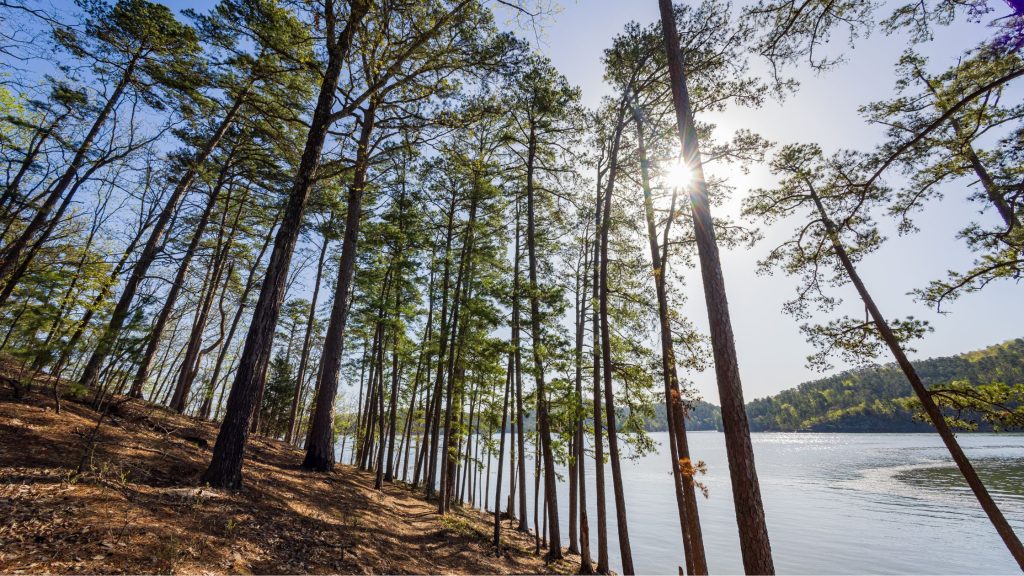
Fall in Broken Bow is the regional equivalent of a shoulder-season deal that locals haven’t fully told the internet about — yet. After Labor Day, cabin prices drop, and trails that were elbow-to-elbow in July become something closer to private. The weather shifts from oppressive to genuinely pleasant: October highs in the low-to-mid 70s°F (around 22–24°C) mean you can hike in the afternoon without stopping every quarter mile to regroup. The pine forests don’t do a New England-caliber color show, but the sweetgums, dogwoods, and white oaks in the understory deliver enough amber and rust to make the David Boren Hiking Trail — the marquee trail system at Beavers Bend — feel considerably more cinematic than in summer.
What you’ll actually do
The David Boren Trail system offers seven interconnected routes ranging from a gentle one-mile nature loop to a challenging five-mile circuit. The longer routes cross the Mountain Fork River via a footbridge and ascend ridgelines with views across the Ouachita canopy. Fall is also prime season for the Total Archery Challenge at Beavers Bend — a 3D archery course set through the park’s natural terrain — and for float fishing the Mountain Fork’s 12 miles of designated trout water, which stays cold and productive regardless of air temperature.
Key events
The Beavers Bend Folk Festival & Craft Show typically runs the second or third weekend of November (historically November 14–16; confirm 2026 dates with the park). More than 15,000 visitors historically attend across three days of folk musicians, turn-of-the-century craft demonstrators, and folksy food — it’s one of the few events in the region that merits building an itinerary around. For a broader look at autumn events across the state, Lake.com’s Oklahoma fall festivals guide tracks the full calendar.
Accommodation reality
A Broken Bow vacation rental sleeping 4–6 guests runs roughly $200–$350/night on weekdays in October and early November; weekends push to $275–$425. Book weekend stays 6–8 weeks out; a midweek October stay can typically be secured 3–4 weeks in advance. Luxury cabins with private pools or hot-tub decks run $400+ nightly.
Something to consider
The lake itself is largely off the agenda for swimming by mid-October. If your trip is primarily lake-oriented — water sports, boat rentals, swimming coves — fall gives you the scenery without the experience that summer travelers are actually coming for.
Summer at Broken Bow
Hot, Crowded, and Worth Planning Carefully
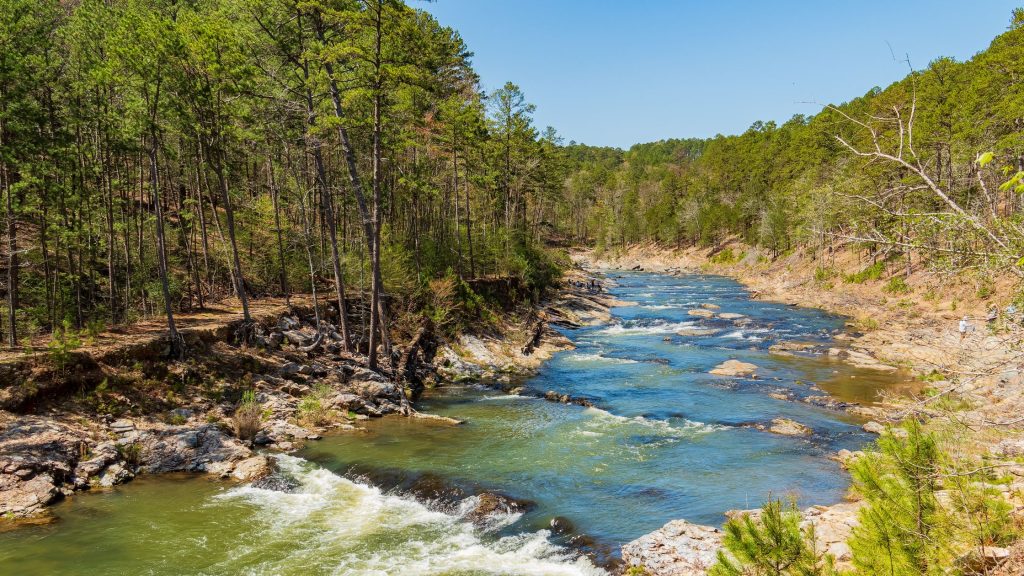
The case for coming now. Summer is when Broken Bow fully earns its reputation as a Texas-and-Oklahoma escape hatch. The lake is warm, the days are long, and Beavers Bend Marina is renting paddleboards and pontoons at full capacity. It’s also the most family-accommodating season: every outfitter is open, every attraction is staffed, and the entire local economy is in full gear. The heat is real — July and August run 88–93°F (31–34°C) with humidity that compounds the experience — but the lake makes it manageable.
What you’ll actually do. Kayak or canoe rentals from Beavers Bend Marina put you on the Mountain Fork River below the dam, where the water stays noticeably cooler than the surrounding air thanks to the cold releases from Broken Bow Lake. For something faster, Bandits ATV & Boat Rental offers boat rentals for the lake itself, plus access to 33 miles of wooded ATV trails through old-growth timber terrain. Riverman Trail Rides runs guided horseback tours through the Ouachita backcountry — one of the few ways to see terrain that’s genuinely removed from the Hochatown main drag.
Key events. The annual Broken Bow Independence Day Fireworks Show draws one of the area’s largest single-day crowds — if Fourth of July weekend is your window, understand you’re in peak of peak season. Earlier in June, the Kiamichi Owa Chito Festival of the Forest runs June 4–7, 2026, at Beavers Bend Resort Park, with competitions and outdoor programming that make it a worthy anchor for a mid-June trip.
Accommodation reality. Peak-season rates for a 4–6 person cabin run $300–$500/night on summer weekends, with Fourth of July and Memorial Day commanding the upper range. For luxury Broken Bow rentals with private pools, budget $500–$800/night and book 3–4 months out. Mid-week summer stays are meaningfully cheaper — sometimes 20–30% below weekend rates.
Know that it’ll be crowded. You will share everything: the trails, the boat launches, the restaurants, and the narrow road through Hochatown on Saturday morning. If solitude is part of what you’re looking for, summer delivers the activity but not the quiet.
Winter at Broken Bow
Worth It If You’re There for the River
Winter in Broken Bow is a genuine proposition — just a specific one. If you’re a trout angler or a couple looking for a quiet, low-cost cabin long weekend, the shoulder between December and February delivers something the other seasons can’t: the Mountain Fork River at its clearest and most fishable, with virtually no competition for the best holes. Highs in the low-to-mid 50s°F (11–13°C) mean you can fish or hike comfortably in layers, and some of the region’s most affordable rates apply — cabin management companies historically offer up to 30% discounts in January and February. The Broken Bow Winter Wonderland event in December adds some festive energy to an otherwise quiet month.
During the winter, however, several smaller outfitters and restaurants operate on reduced winter hours or close entirely; the lake itself offers little in the way of water recreation; and the region’s famous outdoor ambiance is considerably muted under grey mid-winter skies. Bring layers, confirm your preferred restaurant’s winter hours before you go, and treat it as the intentional retreat it’s meant to be.
What to Know Before You Go
Getting There
Broken Bow sits roughly 200 miles from Dallas, TX — a three-hour drive north on US-75 to US-69 through McAlester, then southeast on US-259 into the Ouachita foothills. From Oklahoma City, the drive is approximately 4.5 hours via I-40 East and US-270. The nearest commercial airports are Texarkana Regional (TXK, ~94 miles east) and Fort Smith Regional (FSM, ~150 miles northeast); most travelers drive from Dallas or Oklahoma City. Note that US-259 through the Ouachita National Forest has no reliable cellular service for a 15–20-mile stretch — download offline maps before you arrive.
Where to Stay
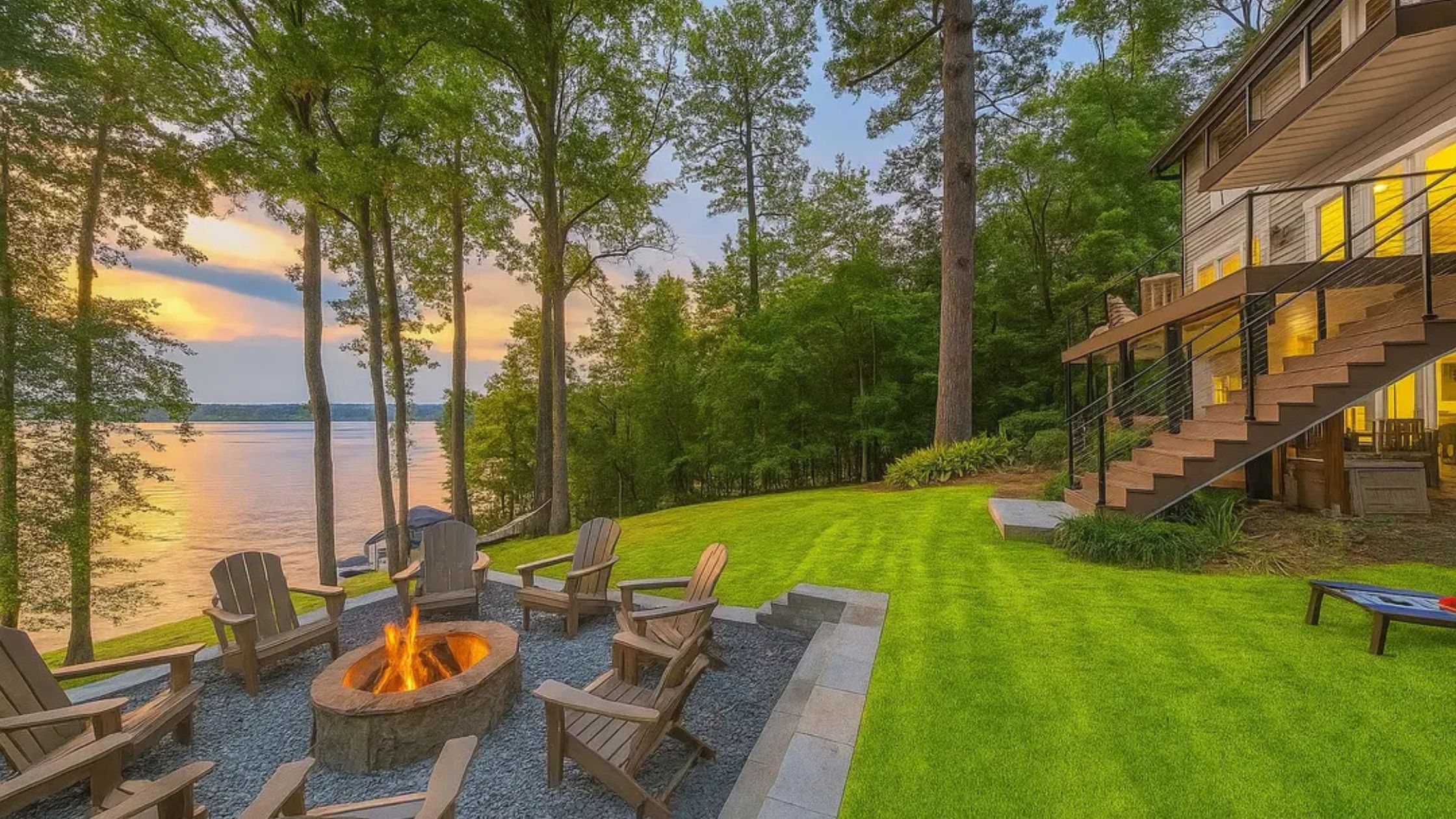
Broken Bow cabin rentals are the dominant lodging category, and for good reason: a cabin with a deck, hot tub, and fire pit is a significantly better base than a motel room in a place where the point is the outdoors. Entry-level one- and two-bedroom cabins start around $99–$150/night in the off-season. Mid-range three-bedroom properties sleeping 4–6 guests run $200–$350. Luxury options with private pools, game rooms, and lake access push prices above $500. For families with dogs, pet-friendly Broken Bow rentals are widely available. The stretch of cabins closest to Beavers Bend Marina puts you within a short drive of the trailheads, boat launch, and river access that most visitors come for.
Booking Lead Times by Season
For Fourth of July and Labor Day weekends, book 3–4 months out — these windows sell out. For a standard summer weekend in June or July, 6–8 weeks is the minimum. Fall weekdays in October are bookable 3–4 weeks out; fall weekends during the Folk Festival in November warrant 6–8 weeks. Winter and early spring (January–March) offer the most flexibility — a two-week lead is typically sufficient outside of spring break.
Local Tips for Broken Bow
The local move: Launch your kayak or canoe from the catch-and-release area below Broken Bow Dam on a Tuesday or Wednesday morning in October. The Mountain Fork’s lower pools are gin-clear after summer’s sediment settles, the trout are visible in the current, and you’ll likely have a half-mile stretch entirely to yourself. Beavers Bend Marina handles rentals, but weekday demand is minimal enough that walk-ins are usually fine.
Don’t overlook: Hochatown State Park sits just north of Beavers Bend and most visitors drive past it entirely. The Friendship Loop Trail here — around 2.5 km — runs along a shaded creek channel and offers the kind of uncrowded, canopy-shaded walk that the main Beavers Bend trailheads can’t reliably provide on weekends.
Skip this: The Hochatown main strip on Saturday afternoon in peak summer. Between the restaurant wait times and the traffic on State Highway 259A, you’ll spend two hours not having the experience you drove three hours for. Eat dinner on Friday, explore on Saturday morning, and treat Saturday afternoon as the day you stay at the cabin.
Practical logistics: Cell service is genuinely unreliable on US-259 north of Broken Bow and throughout much of Beavers Bend State Park. Download your trail maps, your reservation confirmations, and your restaurant addresses before you leave the main highway. Several food vendors and smaller outfitters in the park are cash-preferred; bring some.
A Decision You’ll Be Glad You Made
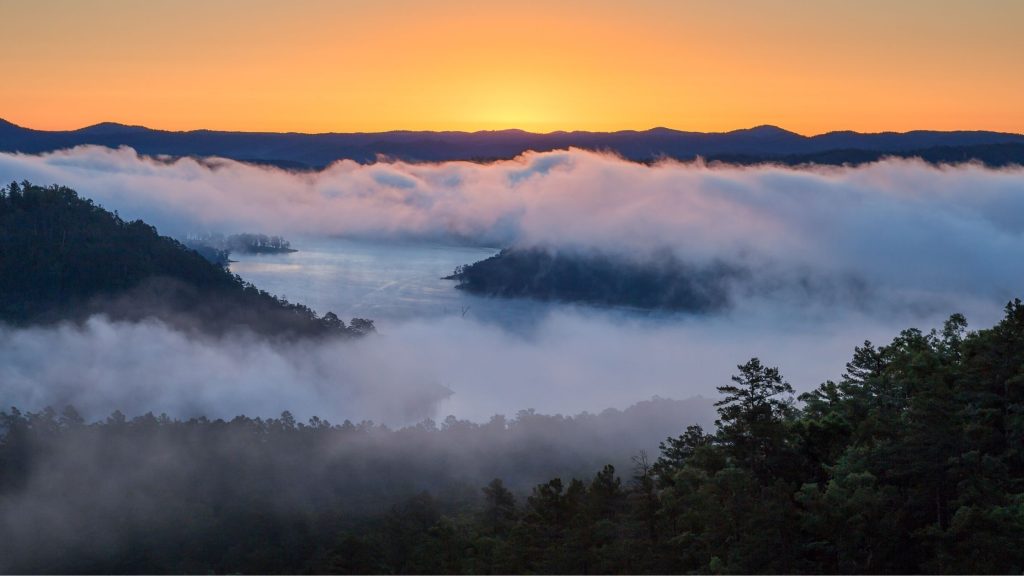
At dusk in October, the water on Broken Bow Lake goes from deep blue to something closer to iron — flat, still, and the color the sky holds just after the sun drops behind the Ouachita ridge. The pines hold their darkness; the sweetgums give up their last orange. It’s the kind of evening that justifies the drive from wherever you came from. A waterfront rental on Broken Bow Lake’s western shore puts you close enough to that light to watch it change without leaving the deck.