


America's Deepest Lake, Sapphire Blue Waters, and Volcanic Rim Scenery

America's Deepest Lake, Sapphire Blue Waters, and Volcanic Rim Scenery
There is no preparation adequate for a first view of Crater Lake. The sapphire water of the caldera is so deeply, impossibly blue that most visitors instinctively question whether the color is real or enhanced. It is entirely natural: pure water fed exclusively by rain and snow, absorbing all wavelengths of light except blue, which reflects from a depth of 1,943 feet. Crater Lake is the deepest lake in the United States, the second deepest in North America, and one of the most pristine freshwater bodies on Earth. Established as Oregon’s only national park in 1902, the park preserves the collapsed caldera of Mount Mazama, a 12,000-foot volcano whose catastrophic eruption roughly 7,700 years ago created the bowl that eventually filled with this extraordinary lake.
The park’s primary experience is the 33-mile Rim Drive, a road that circles the caldera’s edge at elevations around 7,000 feet, delivering a succession of viewpoints and overlooks that reveal the lake from every angle. Cloudcap Overlook on the east rim, Watchman Peak Overlook on the west, and the Crater Lake Lodge terrace are among the most celebrated vantage points. Hiking trails radiate from the rim, with Garfield Peak delivering summit views at 8,054 feet and Godfrey Glen offering an old-growth forest walk south of park headquarters. Important note for 2026 visitors: the Cleetwood Cove Trail, which provides the only access to the lake shoreline and to boat tours, is closed in 2026 for reconstruction and is not expected to reopen until 2029. Rim Drive and all rim overlooks remain fully accessible, and the park continues to offer exceptional hiking, wildlife watching, and scenic driving.
Above the lake, the park opens into expansive meadows, volcanic peaks, and wilderness that most visitors never see from the rim. The Pacific Crest Trail traverses 33 miles through the park. Watchman Peak, a relatively short 1.6-mile trail, delivers extraordinary views over Wizard Island, the cinder cone that rises from the lake’s western basin. The park receives roughly 40 feet of snow annually on average, making winter a striking alternative to summer, with snowshoeing and ranger-led snowshoe walks available when conditions permit.
Crater Lake suits a wide range of travelers. Families with children who are old enough to appreciate the scale of what they’re seeing often report it as a defining trip experience; the view from any overlook is genuinely incomparable. Multi-generational groups find the park’s paved rim access, accessible overlooks, and lodge dining options manageable across mobility levels. Pet-first travelers should note that leashed pets are permitted in parking areas and on paved roads but are not allowed on most hiking trails; confirm current pet areas at nps.gov/crla before visiting.
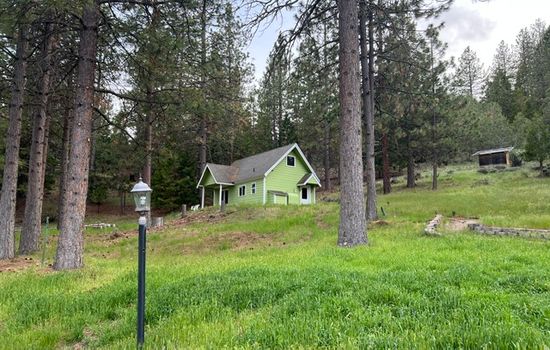
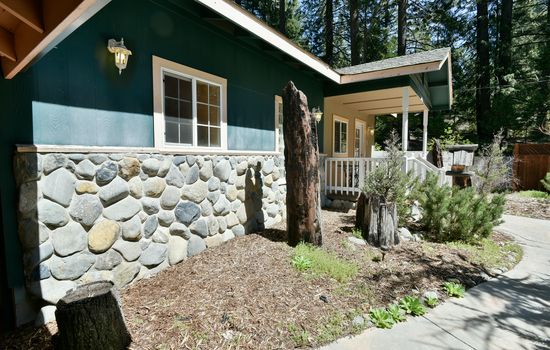
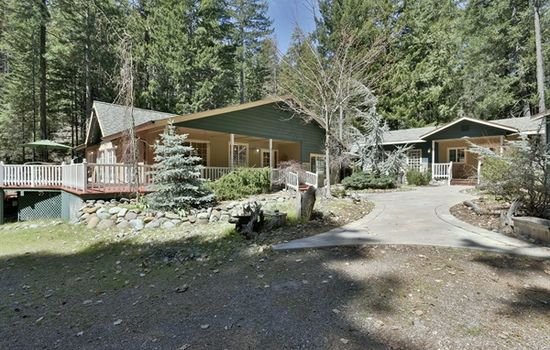
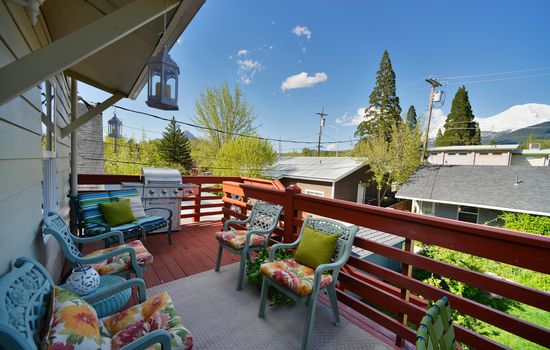
The gateway communities of Medford (90 miles south) and Klamath Falls (60 miles southeast) provide the closest full-service vacation rental inventory. Cozy mountain cabins and vacation homes with beautiful forest views, full kitchens, fire pits, and hot tubs are available in both communities, with some properties offering proximity to the Rogue River and other Southern Oregon recreation. The drive from both communities to the park rim is scenic and rewarding in itself. Book your accommodations near Crater Lake National Park through Lake.com.
Seasons
Spring offers wildflowers, wildlife sightings, waterfalls from snowmelt, and mild temperatures. Some areas may still have snow. Check conditions before visiting.
Peak season with open facilities, clear skies, lake access for swimming, boating, and hiking. Lodging fills quickly—reserve early.
Late Sept–Nov: Crisp air, thinner crowds, stunning fall foliage, and reflective lake views. Hiking is ideal, but some facilities begin closing.
Dec–March: Quiet snowy landscapes ideal for cross-country skiing and snowshoeing. Limited road access—check weather before visiting.
Top 3 Facts about Crater Lake National Park
Crater Lake is 1,943 feet deep, making it the deepest lake in the United States and one of the ten deepest lakes in the world. The lake formed over approximately 740 years after the catastrophic collapse of 12,000-foot Mount Mazama during a massive eruption roughly 7,700 years ago. Fed entirely by rain and snow with no surface inlet or outlet, the lake is among the clearest and most pristine freshwater bodies on Earth, with visibility exceeding 40 meters in some conditions.
The 33-mile Rim Drive circles the lake’s caldera at approximately 7,000 feet elevation, providing access to overlooks, trailheads, and views of Wizard Island, a cinder cone that rises 764 feet above the lake’s surface. The park receives an average of more than 40 feet of snow annually at the rim elevation, making it one of the snowiest recorded locations in the United States. In exceptional years, snowfall has exceeded 900 inches in a single winter. The park’s main road is generally open from July through October and partially in other months.
Crater Lake National Park contains 33 miles of the Pacific Crest Trail, which traverses the park’s western and northern sections through subalpine forest and meadow. The park is the only national park in Oregon and was established in 1902 as the fifth national park in the United States. Note that the Cleetwood Cove Trail, the only trail providing access to the lake shoreline and boat tours, is closed in 2026 for reconstruction work and is not expected to reopen until approximately 2029. All rim overlooks and most hiking trails remain accessible.
Family programs
- Junior Ranger
- Ranger-led Tours
- Night Sky & Astronomy
- Scavenger Hunts
- Volunteer & Stewardship
- Youth Conservation
- Scouting Partnerships
- Virtual Junior Activities
Travel Tips
Plan Ahead
Verify current trail and road conditions at nps.gov/crla before visiting, particularly regarding the ongoing Cleetwood Cove Trail closure through approximately 2029 and seasonal Rim Drive closures. The park entrance fee is $30 per vehicle. Campground reservations at Mazama Village and Lost Creek should be made through recreation.gov months in advance for summer visits. Crater Lake Lodge requires advance reservations and fills quickly for summer dates. The main park road is generally open July through October; check current road status before traveling to the park in shoulder seasons.
Pack Appropriately
Bring layers regardless of the season; rim elevation temperatures can be 15 to 20 degrees cooler than at lower elevations, and afternoon thunderstorms are possible in summer. Sunscreen and sunglasses are essential at rim elevations where UV exposure is significant. Carry water for all hikes; no water sources exist on most trails. Sturdy hiking footwear is recommended for trails with uneven volcanic terrain. In winter and early spring, bring tire chains, which may be required on park roads. Check current snow conditions before any visit from October through June.
Respect Wildlife
Black bears inhabit Crater Lake National Park; store all food, trash, and scented items in bear boxes or bear-resistant containers at campsites. Never approach, feed, or attempt to photograph bears at close range. The park is also home to golden-mantled ground squirrels and ravens that aggressively seek out food; never feed any wildlife. Leashed pets are permitted in parking areas and on paved roads but are not allowed on most hiking trails. Confirm current pet areas at nps.gov/crla before bringing animals.
Stay Informed
Check nps.gov/crla for current road conditions, trail closures, and park alerts before every visit. The Cleetwood Cove Trail and lake shoreline access are closed through approximately 2029 for reconstruction; no boat tours are available during this period. Rim Drive opens fully in July in most years but can be delayed by snowpack; check the park’s official road conditions page before driving to the park. For park emergencies, call 9-1-1. For non-emergency park information, contact Crater Lake at (541) 594-3000.
- Area (mi²)
- 286
- Annual visitors
- 500 000
- Established year
- 1902
Accessibility & permits
Emergency

Planning a trip?
Tell us about your upcoming trip and how we can help!
Frequently Asked Questions
Ready to dive into what Crater Lake National Park has to offer? Let’s tackle some of the burning questions you might have as you plan your visit!
-
To be close to the park, you can stay in areas like Mazama Village, which is inside the park, or nearby towns such as Chemult, Shady Cove, or Klamath Falls. Mazama Village is the closest option, with the Mazama Village Motor Inn just 4.8 miles from the lake. For more amenities, Klamath Falls is about 57 miles away and offers several hotels.
-
The Castle Crest Wildflower Loop is a great option, as it is an easy 0.4-mile hike close to the lake’s entrance, making it accessible for kids of all ages. The Godfrey Glen Trail, a 1-mile loop near Annie Spring, is also a family-friendly choice. Both trails offer scenic views and are manageable for children.
-
You can bring your dog to the park, but they are only allowed on paved roads, parking lots, and up to 50 feet beyond paved areas. Dogs are also permitted on specific trails like the Godfrey Glen Trail and Lady of the Woods Trail, and in the Mazama Village campground, but not inside any park buildings or on most trails. Service dogs are an exception and can go anywhere in the park.
-
Parking is available, including designated areas for overnight parking at Rim Village and Park Headquarters. There are also parking lots for vehicles, RVs, campers, and trailers near the visitor center and other facilities. However, be aware that some roads and parking areas may be closed due to heavy snowfall.
-
Drive the 33-mile West Rim Drive to enjoy scenic views from spots like Discovery Point and Watchman Overlook. Hike the 2.2-mile Cleetwood Cove Trail, the only trail that takes you down to the lake’s edge, where you can swim, wade, or cliff jump. Consider taking a boat tour, which lasts about two hours, or a longer tour that includes a visit to Wizard Island.
-
Crater Lake National Park is not closing entirely, but beginning in 2026, all lake access will be temporarily closed for a multi-year rehabilitation project. The closure affects the Cleetwood Cove Trail, the only legal route to the shoreline, as well as boat tours, swimming, and direct lake access. The trail will be closed through 2028, with a full reopening anticipated in summer 2029.
The reason? After decades of heavy use and extreme weather conditions, the trail has become unstable due to erosion, rockfall hazards, and deteriorating retaining walls. Additionally, the marina infrastructure and composting toilet facilities—some dating back decades—no longer meet safety or visitor needs.
During this time, the National Park Service will rebuild the trail, replace the failed marina, and install upgraded amenities. Construction is limited to summer months due to heavy snowfall, which extends the timeline. While the shoreline will be off-limits, Rim Drive, hiking trails, scenic lookouts, and visitor centers will remain open, offering spectacular views of Crater Lake’s sapphire-blue waters and Wizard Island.