Discover a hidden gem of natural beauty and diverse wildlife in the heart of Arkansas.





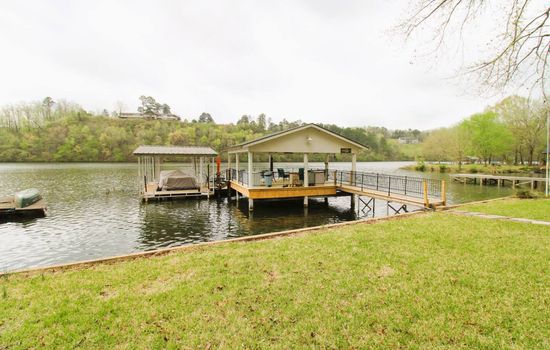


Discover a hidden gem of natural beauty and diverse wildlife in the heart of Arkansas.
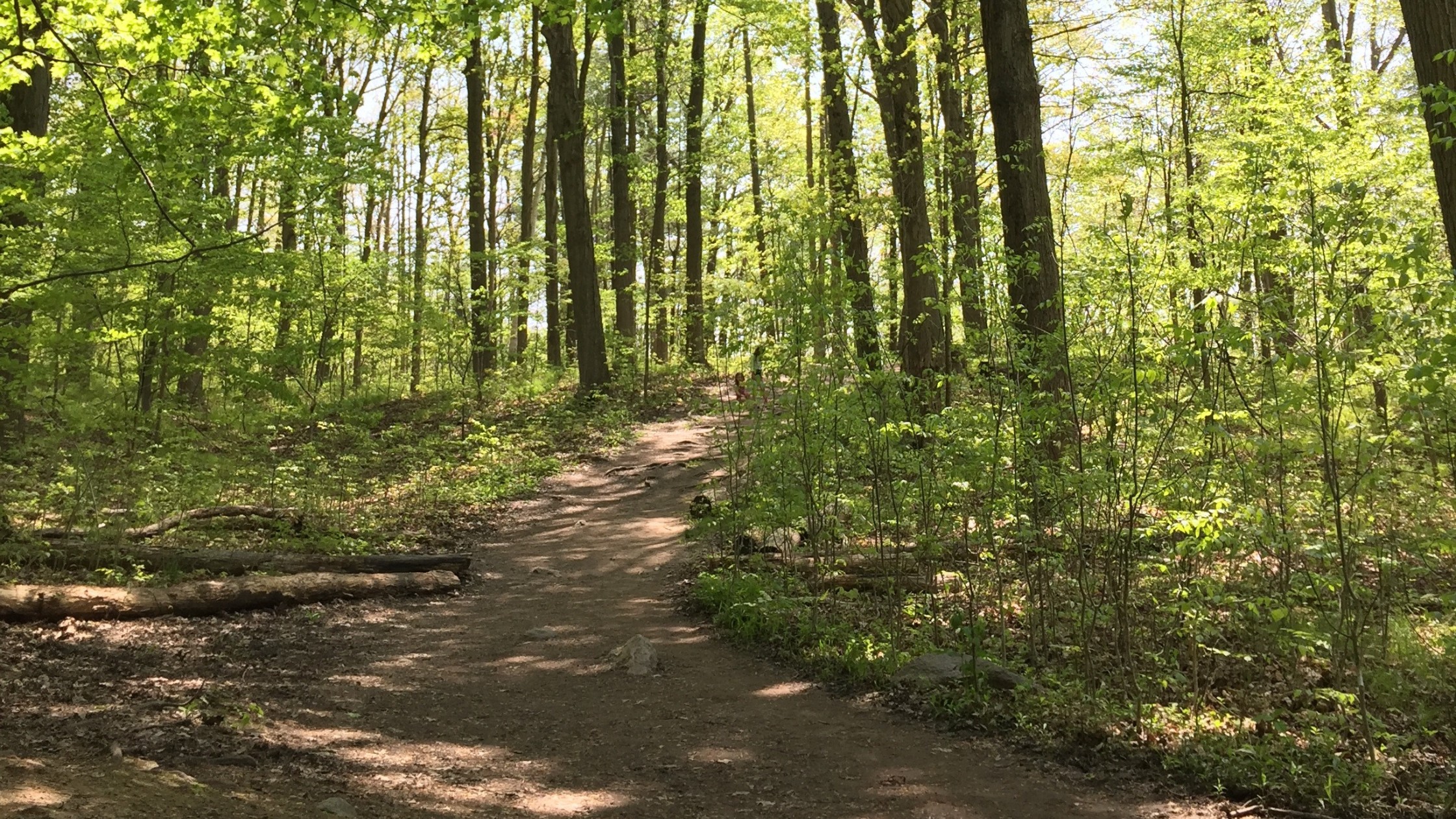
Holland Bottoms Wildlife Management Area in Arkansas offers an exquisite escape for nature enthusiasts and wildlife lovers alike. Spanning over 5,000 acres, this stunning sanctuary is a testament to the state’s rich biodiversity. Visitors can immerse themselves in the serene beauty of its wetlands, forests, and open fields, all teeming with an array of flora and fauna.
As you explore the winding trails, keep an eye out for the vibrant birdlife that calls this area home. Holland Bottoms serves as a vital habitat for migratory birds, making it a prime location for birdwatching enthusiasts. The cacophony of calls from species like the American Bald Eagle and various waterfowl creates a symphony of nature that enchants every visitor.
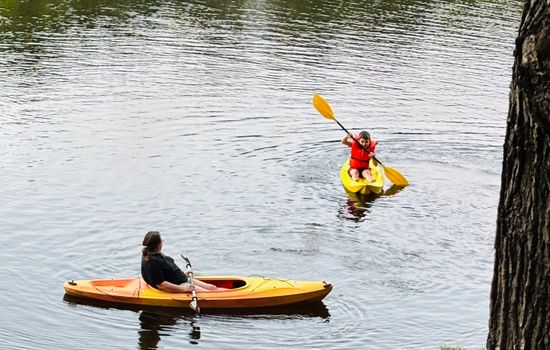
For those seeking adventure, the area offers opportunities for hunting, fishing, and photography. Whether you are casting a line into the tranquil waters or capturing the perfect sunrise, Holland Bottoms Wildlife Management Area promises a rejuvenating experience in the heart of Arkansas’s natural splendor.
Seasons
In spring, Holland Bottoms Wildlife Management Area in Arkansas transforms into a vibrant haven, offering unparalleled birdwatching, fishing, and hiking opportunities amidst blooming landscapes.
In the summer months, Holland Bottoms Wildlife Management Area offers a serene escape with its lush bottomland hardwood forests, abundant wildlife, and recreational activities like fishing and birdwatching.
In fall, the area transforms into a haven for migrating waterfowl, offering unparalleled bird-watching opportunities, while cooler temperatures and vibrant foliage enhance hiking and fishing experiences.
In winter, the area transforms into a haven for migrating waterfowl, offering unparalleled birdwatching and hunting opportunities, with December through February being prime months to experience its serene beauty.
Top 3 Facts about Holland Bottoms Wildlife Management Area
In the heart of Arkansas, rare sightings of the elusive ivory-billed woodpecker, once thought extinct, have sparked excitement among birdwatchers, while the annual migration of thousands of waterfowl showcases the area’s rich biodiversity, attracting both wildlife enthusiasts and researchers eager to study these remarkable phenomena.
In this unique area, temperature variations can create localized microclimates, leading to unexpected weather phenomena such as sudden storms or unusual frost patterns, which can significantly impact the local wildlife and plant life, showcasing the intricate relationship between geography and climate.
Known for its unique trail named “The Crooked Path,” this area prohibits motorized vehicles and hunting during specific seasons, emphasizing wildlife preservation; it also boasts records for birdwatching, attracting enthusiasts aiming for the most species spotted in a single day, enhancing its reputation as an outdoor sports haven.
Travel Tips
Plan Ahead
To make the most of your visit to this beautiful wildlife management area, plan your trip in advance. Research the best seasons for birdwatching and pack essentials like binoculars, water, and snacks. Arrive early to enjoy the serene landscapes and maximize your chances of spotting diverse wildlife. Don’t forget to check local regulations and trail maps to enhance your outdoor experience.
Pack Appropriately
When preparing for your visit, pack a pair of waterproof boots; the wetlands can be surprisingly muddy, especially after rain. Additionally, bring binoculars to fully appreciate the diverse birdlife that thrives in this unique ecosystem, and don’t forget insect repellent to keep pesky mosquitoes at bay, especially during the warmer months.
Respect Wildlife
Respect local wildlife by observing from a distance and minimizing noise. Keep a safe space between yourself and animals, especially during nesting seasons, to avoid disturbing their natural behaviors. Stay on designated trails to protect habitats, and never feed wildlife, as this can disrupt their feeding patterns and health. Embrace the beauty of nature while ensuring it remains undisturbed for future visitors.
Stay Informed
Before your visit, stay informed by checking local weather conditions, temperatures, and any fire bans or notices. Ensure you know emergency contact information and always inform someone about your destination and expected return time to enhance your safety while enjoying the outdoors.
Accessibility & permits
Emergency

Planning a trip?
Tell us about your upcoming trip and how we can help!

Frequently Asked Questions
Ready to dive into what Holland Bottoms Wildlife Management Area has to offer? Let’s tackle some of the burning questions you might have as you plan your visit!
-
Holland Bottoms Wildlife Management Area offers a variety of activities including hiking, birdwatching, and wildlife observation, with trails that provide access to diverse habitats. The area is particularly popular for its rich avian population, making it a prime spot for bird enthusiasts. Additionally, visitors can engage in photography and nature study, while enjoying the scenic views of the wetlands and forests.
-
Holland Bottoms WMA does not have developed camping facilities, but visitors can find nearby camping options in the surrounding areas. For those looking for a more rustic experience, dispersed camping may be allowed in certain sections, so it’s advisable to check local regulations before planning your stay.
-
The best time to visit Holland Bottoms WMA is during the spring and fall months when migratory birds are abundant. Spring offers vibrant wildflowers and active wildlife, while fall showcases stunning foliage and excellent birdwatching opportunities. Early mornings or late afternoons are ideal for wildlife observation.
-
Yes, Holland Bottoms WMA provides fishing opportunities, particularly for species like bass, catfish, and crappie. Anglers can enjoy fishing in designated areas along the waterways, but it’s important to adhere to state fishing regulations and obtain the necessary permits.
-
Wildlife enthusiasts can observe a variety of species at Holland Bottoms WMA, including white-tailed deer, wild turkeys, and numerous bird species such as herons, egrets, and waterfowl. The diverse habitats support a rich ecosystem, making it an excellent location for observing both common and rare wildlife.