Discover a hidden gem for outdoor enthusiasts in the heart of Arkansas.
Newest



Discover a hidden gem for outdoor enthusiasts in the heart of Arkansas.
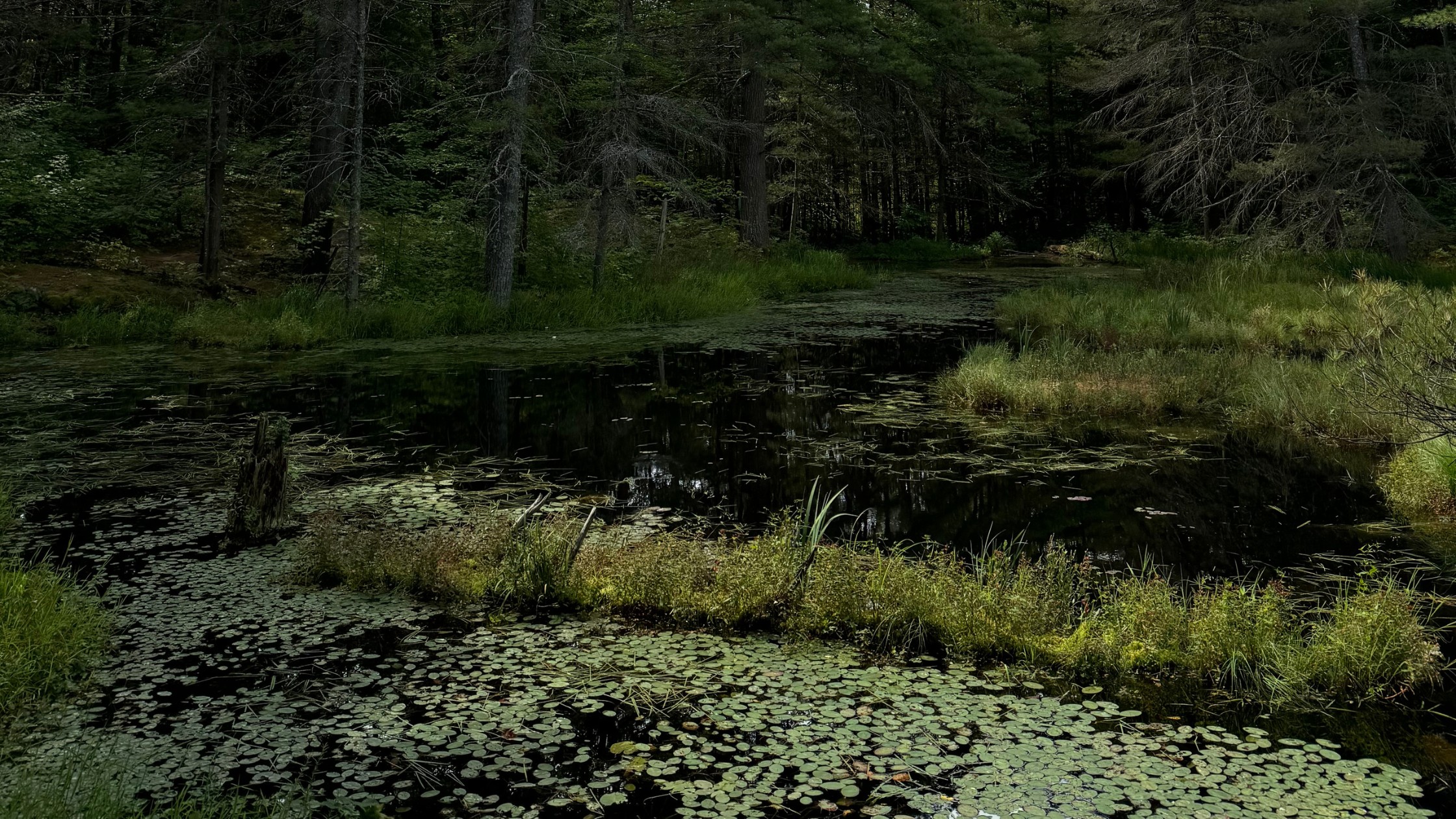
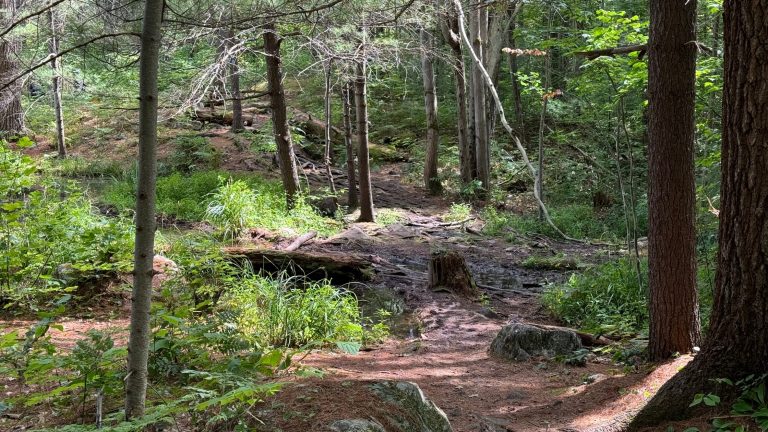
In the heart of Arkansas, the Jamestown Independence County Wildlife Management Area beckons nature enthusiasts and adventure seekers alike. This expansive sanctuary showcases the region’s diverse ecosystems, offering a stunning backdrop for outdoor exploration. With its winding trails and picturesque landscapes, visitors can immerse themselves in the serenity of the great outdoors while observing the rich wildlife that calls this area home.
The management area is a haven for birdwatchers, as it hosts a variety of species throughout the seasons. From the vibrant hues of migratory birds to the subtle elegance of native wildlife, each visit reveals new wonders. Anglers will find joy in the tranquil waters, where fishing opportunities abound, providing a perfect excuse to unwind and connect with nature.
For those seeking solitude or a family-friendly outing, the Jamestown Independence County Wildlife Management Area offers an array of recreational activities. Whether hiking, fishing, or simply soaking in the breathtaking views, this hidden gem promises an unforgettable experience, inviting travelers to discover the natural beauty of Arkansas.
Seasons
In spring, the area transforms into a vibrant tapestry of blooming wildflowers and lush greenery, offering unparalleled opportunities for birdwatching, hiking, and immersing oneself in the region’s natural beauty.
Summer’s warm days and clear skies invite visitors to explore the area’s diverse wildlife and enjoy outdoor activities like hiking and fishing.
In fall, the crisp air and vibrant foliage of Arkansas’s 971-acre wildlife haven invite visitors to immerse themselves in the rich tapestry of nature’s autumnal display.
In winter, the area offers serene landscapes and abundant wildlife, making December through February ideal for hunting, bird watching, and enjoying the tranquil beauty of the season.
Top 3 Facts about Jamestown Independence County Wildlife Management Area
In this unique region, rare sightings of the elusive Swainson’s Warbler and the striking Red-shouldered Hawk occur during migration, while endemic species like the Arkansas River Valley’s distinctive freshwater mussels highlight the area’s rich biodiversity and ecological importance, attracting nature enthusiasts and researchers alike.
In this region, extreme temperature fluctuations can occur, with recorded highs exceeding 100°F in summer and lows plunging below freezing in winter, creating unique microclimates where diverse plant and animal species thrive, showcasing the area’s remarkable ecological resilience and adaptability to weather extremes.
Known for its unique “Bald Eagle Trail” and quirky rule against using drones, this area also boasts records in outdoor sports like the largest catch of bass in the region, attracting enthusiasts eager to explore its diverse wildlife and unusual regulations.
Travel Tips
Plan Ahead
Planning ahead is essential for an unforgettable experience in this Arkansas gem. Research seasonal wildlife, prepare for varying weather conditions, and pack essential gear like binoculars and sturdy hiking boots. Arrive early to secure prime viewing spots and consider bringing a picnic to enjoy amidst the stunning natural beauty. With a little preparation, you can fully immerse yourself in the serene landscapes and vibrant ecosystems.
Pack Appropriately
When packing for your trip, include a lightweight, breathable rain jacket; sudden showers can sweep through the Ozark foothills. Additionally, don’t forget sturdy hiking boots to navigate the diverse terrain, from wetlands to rolling hills, ensuring you’re prepared for any adventure that comes your way.
Respect Wildlife
When exploring the natural beauty of this wildlife management area, prioritize respecting the local fauna. Keep a safe distance from animals, avoid feeding them, and stay on marked trails to minimize disruption to their habitats. This not only ensures your safety but also helps maintain the delicate balance of the ecosystem, allowing future visitors to enjoy the diverse wildlife.
Stay Informed
Before your visit, stay informed by checking the weather, temperatures, and any fire bans or notices. Know emergency contact information, and always tell someone your destination and expected return time to ensure safety during your outdoor adventure.
Accessibility & permits
Emergency

Planning a trip?
Tell us about your upcoming trip and how we can help!
Frequently Asked Questions
Ready to dive into what Jamestown Independence County Wildlife Management Area has to offer? Let’s tackle some of the burning questions you might have as you plan your visit!
-
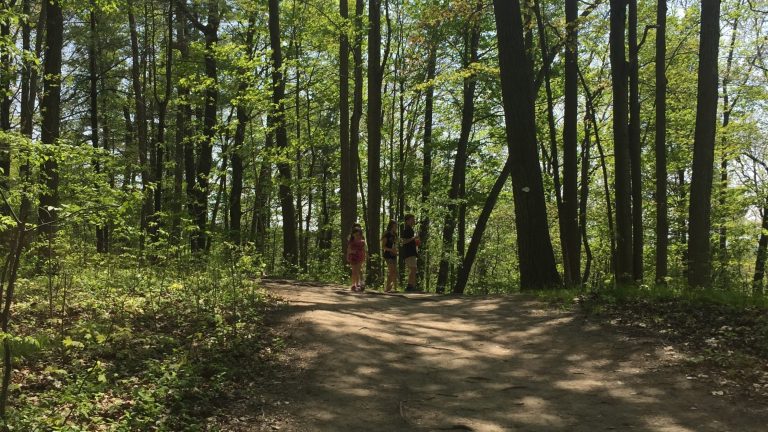
Jamestown WMA offers a variety of activities including hiking, birdwatching, wildlife observation, and hunting during designated seasons. Visitors can explore numerous trails and enjoy the rich biodiversity of the area.
-
Yes, camping facilities are available at Jamestown WMA. There are designated camping areas equipped with basic amenities, allowing visitors to immerse themselves in nature while enjoying a comfortable stay.
-
Hunting regulations at Jamestown WMA include specific seasons for various game species, licensing requirements, and designated hunting zones. It’s essential to check the latest regulations before planning your hunting trip to ensure compliance with state laws.
-
Fishing is permitted at Jamestown WMA, with several water bodies available for anglers. Species commonly found include bass and catfish, making it a popular spot for both casual and serious fishermen.
-
To obtain a General Use Permit for Jamestown WMA, visitors can apply online through the Arkansas Game and Fish Commission website or visit the local office. The permit is necessary for certain activities and helps manage the area’s natural resources.