


Takakkaw Falls, Emerald Lake, Burgess Shale, and Rocky Mountain Grandeur
Newest
Takakkaw Falls, Emerald Lake, Burgess Shale, and Rocky Mountain Grandeur
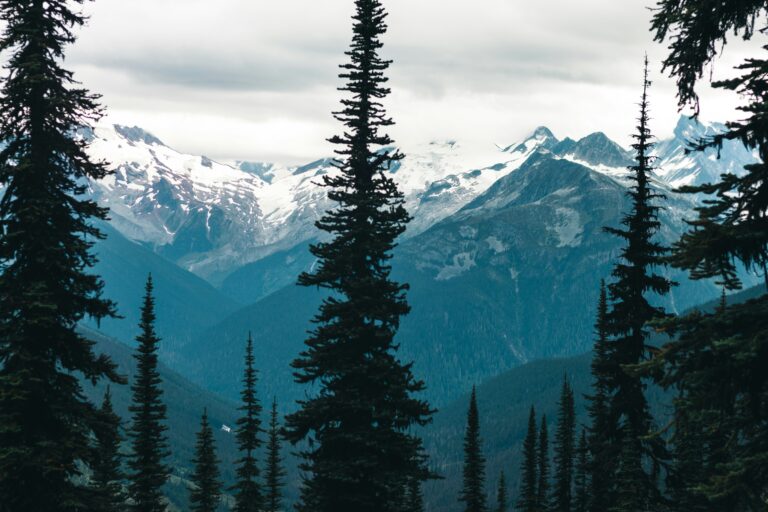
In the Cree language, “yoho” is an expression of awe and wonder, and the name is entirely earned. Yoho National Park sits on the western slopes of the Continental Divide in southeastern British Columbia, occupying 1,313 square kilometres of the Canadian Rockies alongside its larger neighbours Banff and Kootenay. Established in 1886 as one of Canada’s earliest national parks, Yoho forms part of the Canadian Rocky Mountain Parks UNESCO World Heritage Site, sharing that designation with Banff, Jasper, Kootenay, and adjacent provincial parks. What distinguishes Yoho from its more famous neighbours is a combination of extraordinary concentration of wonders: remarkable waterfalls, an accessible alpine lake of impossible green, a world-famous paleontological site, and a compact size that makes the park’s highlights navigable without a week-long commitment.
Takakkaw Falls, plunging 384 metres from the ice fields of the Waputik Range to the floor of the Yoho Valley, is among the highest waterfalls in western Canada and the park’s most immediately dramatic sight. The falls are accessible from the Yoho Valley Road on a short paved walk, and the afternoon light that strikes the cliff face above the falls makes it one of the most rewarding photography locations in the Canadian Rockies. Emerald Lake, the park’s centerpiece, earns its name without exaggeration: the glacial lake’s extraordinary turquoise color, framed by peaks and old-growth forest, is among the most beautiful lake views in Canada. A 5.2-kilometre walking circuit provides a partially accessible route around the shore, and the historic Emerald Lake Lodge offers one of the most iconic dining views in the Rocky Mountains. Lake O’Hara, accessible only via a Parks Canada reservation bus or on foot along a 13-kilometre approach trail, offers an even more spectacular high-alpine lake experience with limited access protecting the fragile ecosystem.
The Burgess Shale sites within Yoho hold some of the world’s most significant fossil deposits from the middle Cambrian period, roughly 505 million years ago, preserving soft-bodied marine animals with extraordinary detail. Guided hikes to the Walcott Quarry and other Burgess Shale localities, available through Parks Canada and authorized operators, are among the most intellectually compelling natural experiences in any national park in North America. The Natural Bridge, where the Kicking Horse River has carved through solid rock to create a natural arch, is accessible by a short roadside stop three kilometres west of Field. An important note for anglers and paddlers: all waterbodies in Yoho and Kootenay national parks are closed to watercraft and angling until March 31, 2027, to prevent the spread of whirling disease.
Families find Yoho highly accessible, with the roadside majesty of Takakkaw Falls, the Emerald Lake circuit, and the Natural Bridge all achievable without serious hiking. Multi-generational groups appreciate the short distances between iconic sights and the village of Field’s welcoming scale. Pet-first travelers should check Parks Canada’s current pet regulations, as restrictions vary by trail and area.
The gateway communities of Golden, BC (about 55 kilometres west) and Banff, AB (about 55 kilometres east) offer the broadest vacation rental inventory for multi-night stays. Cozy mountain cabins, luxury lodges with stunning views, and multi-bedroom vacation homes with hot tubs and fire pits provide beautiful bases for exploring Yoho and the surrounding Rocky Mountain parks. Book your accommodations near Yoho National Park through Lake.com.
Seasons
Late April to June, wildflowers bloom and lower trails clear of snow, though higher elevations may retain ice and mud.
July to September, trails fully open, lakes thawed, ideal for hiking, canoeing, and backcountry exploration.
September to November, larches turn golden, cooler temperatures, fewer crowds; lower trails remain accessible.
December to March, opportunities for snowshoeing and cross-country skiing, though many trails and facilities close.
Top 3 Facts about Yoho National Park
Yoho National Park covers 1,313 square kilometres of the Canadian Rockies in southeastern British Columbia, making it the smallest of the four contiguous Rocky Mountain national parks alongside Banff, Kootenay, and Jasper. Established in 1886, it is one of Canada’s oldest national parks. Together with adjacent national and provincial parks, Yoho forms part of the Canadian Rocky Mountain Parks UNESCO World Heritage Site designated in 1984. The park features 28 mountain peaks above 3,000 metres.
Takakkaw Falls, accessible from the Yoho Valley Road, plunges 384 metres and is one of the highest waterfalls in western Canada. Emerald Lake, the park’s most-visited destination, earns its name from extraordinary turquoise glacial waters and is accessible via a 5.2-kilometre partially accessible lakeside circuit. Lake O’Hara, one of the most spectacular alpine lakes in Canada, is accessible only by reservation bus or on foot along a 13-kilometre approach trail, limiting visitor numbers to protect the fragile alpine ecosystem.
The Burgess Shale fossil sites in Yoho National Park contain some of the world’s most significant deposits of Cambrian-era marine fossils, approximately 505 million years old. These sites preserve soft-bodied animals with extraordinary anatomical detail that revolutionized understanding of early animal evolution. Guided hikes to the Walcott Quarry and other fossil localities are available through Parks Canada and authorized operators. Note that all waterbodies in Yoho and Kootenay national parks are closed to watercraft and angling until March 31, 2027, to prevent the spread of whirling disease.
Travel Tips
Plan Ahead
A valid Parks Canada entry pass is required for all visitors to Yoho. Lake O’Hara access by the Parks Canada reservation bus requires advance booking through Parks Canada’s reservation system; spaces are extremely limited and fill within minutes of opening. Burgess Shale guided hikes must be reserved in advance through the Burgess Shale Geoscience Foundation. The Yoho Valley Road to Takakkaw Falls typically opens in late June depending on snow conditions. All waterbodies including Emerald Lake are closed to watercraft and angling through March 2027. Check parks.canada.ca/yoho for current conditions, trail status, and closure information. Using drones is prohibited throughout the park.
Pack Appropriately
Layer clothing for rapidly changing Rocky Mountain weather; temperatures at high elevation can drop significantly even in midsummer and afternoon thunderstorms are possible from June through August. Wear sturdy waterproof hiking boots for trails in the park. Bear spray is strongly recommended for all backcountry travel; grizzly and black bears are present throughout the park. Carry adequate water for all hikes; mountain streams should be treated before drinking. In winter and early spring, avalanche conditions can affect backcountry travel; check current bulletins from Avalanche Canada before any out-of-bounds travel.
Respect Wildlife
Grizzly bears, black bears, wolves, cougars, elk, and moose all inhabit Yoho. Carry bear spray and know how to use it. Never approach, feed, or follow any wildlife. Store food in bear-resistant containers or use the provided food lockers at campgrounds. In areas with frequent bear activity, hike in groups and make noise. Elk and moose can be extremely dangerous, particularly during rut in fall; give all large ungulates significant space. Respect all wildlife closures on trails; Parks Canada closes sections seasonally for grizzly bear protection. Keep leashed dogs under control at all times.
Stay Informed
Check parks.canada.ca/yoho for current trail conditions, wildlife advisories, and any closures before your visit. The Yoho Valley Road to Takakkaw Falls typically opens in late June; confirm current status before planning this visit. The ban on watercraft and angling in all Yoho and Kootenay waterbodies is in effect through March 31, 2027. Mountain weather can change rapidly; monitor Environment Canada forecasts for Yoho and have contingency plans. For park emergencies, call 9-1-1. For non-emergency information, contact Yoho through parks.canada.ca or the Field Visitor Centre.
- Area (km²)
- 815.94
- Established year
- 1886
Accessibility & permits
Emergency

Planning a trip?
Tell us about your upcoming trip and how we can help!
Frequently Asked Questions
Ready to dive into what Yoho National Park has to offer? Let’s tackle some of the burning questions you might have as you plan your visit!
-
The closest major city is Calgary, about 240 kilometers away. It can be reached via the TransCanada Highway, also known as Highway 1. Calgary is approximately a two-hour drive from the park.
-
The Emerald Lake Circuit Hike is a great option for kids, as it is an easy, family-friendly trail that contours around the beautiful Emerald Lake, offering gorgeous views of the lake, mountains, and glaciers. The 5.2 km hike takes about 2 hours and has minimal elevation gain, making it suitable for beginners and families.
-
Dogs must be kept on a leash and under physical control at all times. This rule applies to all trails unless otherwise noted. Always clean up after your dog.
-
Overnight RV parking is allowed in designated campgrounds, which are open from mid-May to mid-October. The Kicking Horse Campground can accommodate motorhomes, trailers, and camper vans up to 45 feet in length, while Hoodoo Creek Campground is suitable for smaller RVs and trailers. Campers must follow park rules and obtain necessary permits.
-
The top attraction is Emerald Lake, known for its striking emerald color created by sunlight reflecting off rock flour in the water, and it is surrounded by the towering President Range. This lake offers various activities like paddling, hiking, and exploring nearby sites. It is a popular destination within the park.