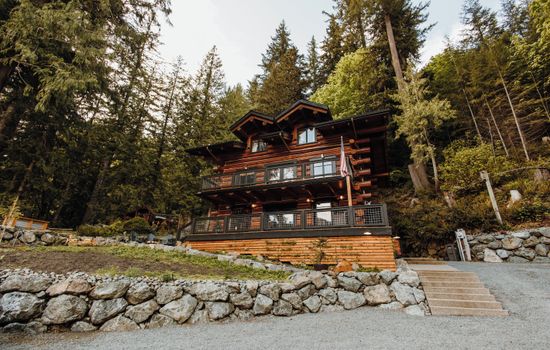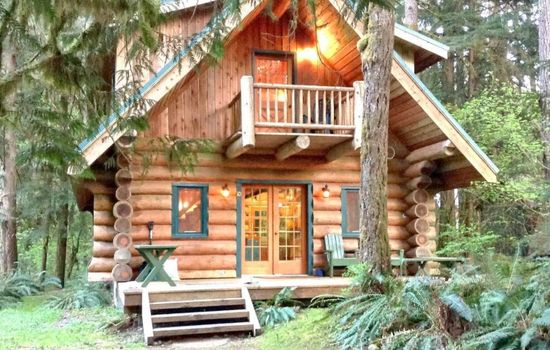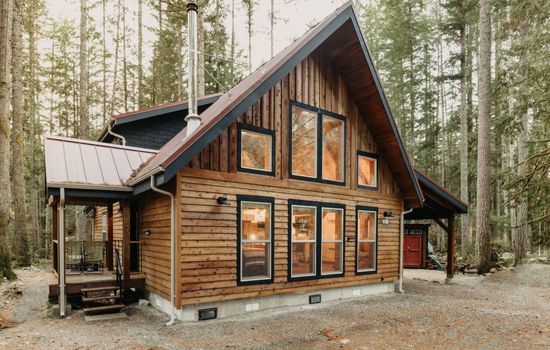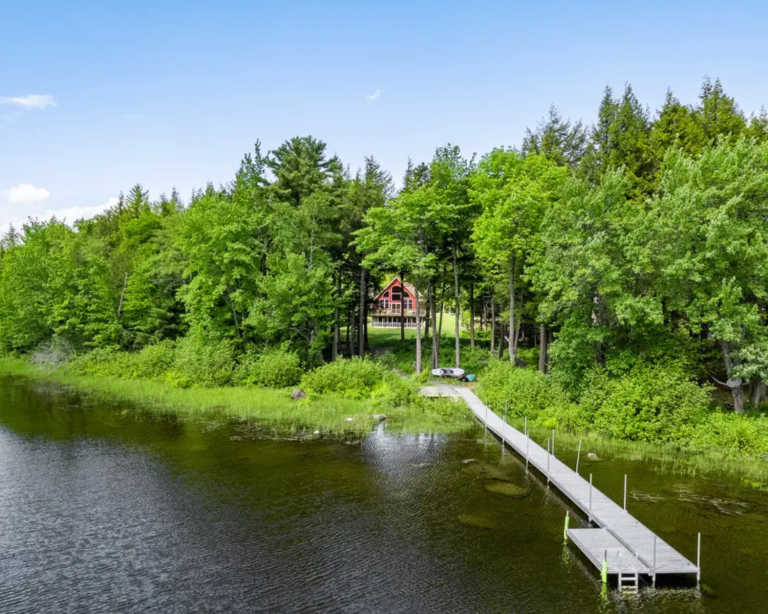

There is still a brass marker at the end of the driveway, and a black chain barrier that once told visitors where to park. Decades ago, people pulled up to this house not for a weekend getaway, but to buy a firewood permit and ask a ranger which trail was passable that season. The house Larry and Pamela now welcome guests into their Lake Cavanaugh rental. As one of the first structures built on Lake Cavanaugh’s North Shore, it was never meant to be anyone’s vacation home. It was meant to be a checkpoint.
That history is easy to miss until someone points it out. Then, guests say, the whole property looks different.
A Long Wait for the Right Lake House
Before they owned any piece of Lake Cavanaugh, Larry and Pamela were the family everyone else on the water recognized without knowing their names. They spent weekends out on the boat with their daughters, swimming, soaking up the sun, and doing everything else the lake made possible on a Saturday afternoon.
“We were what everyone on the lake called the ‘lake timers.'”
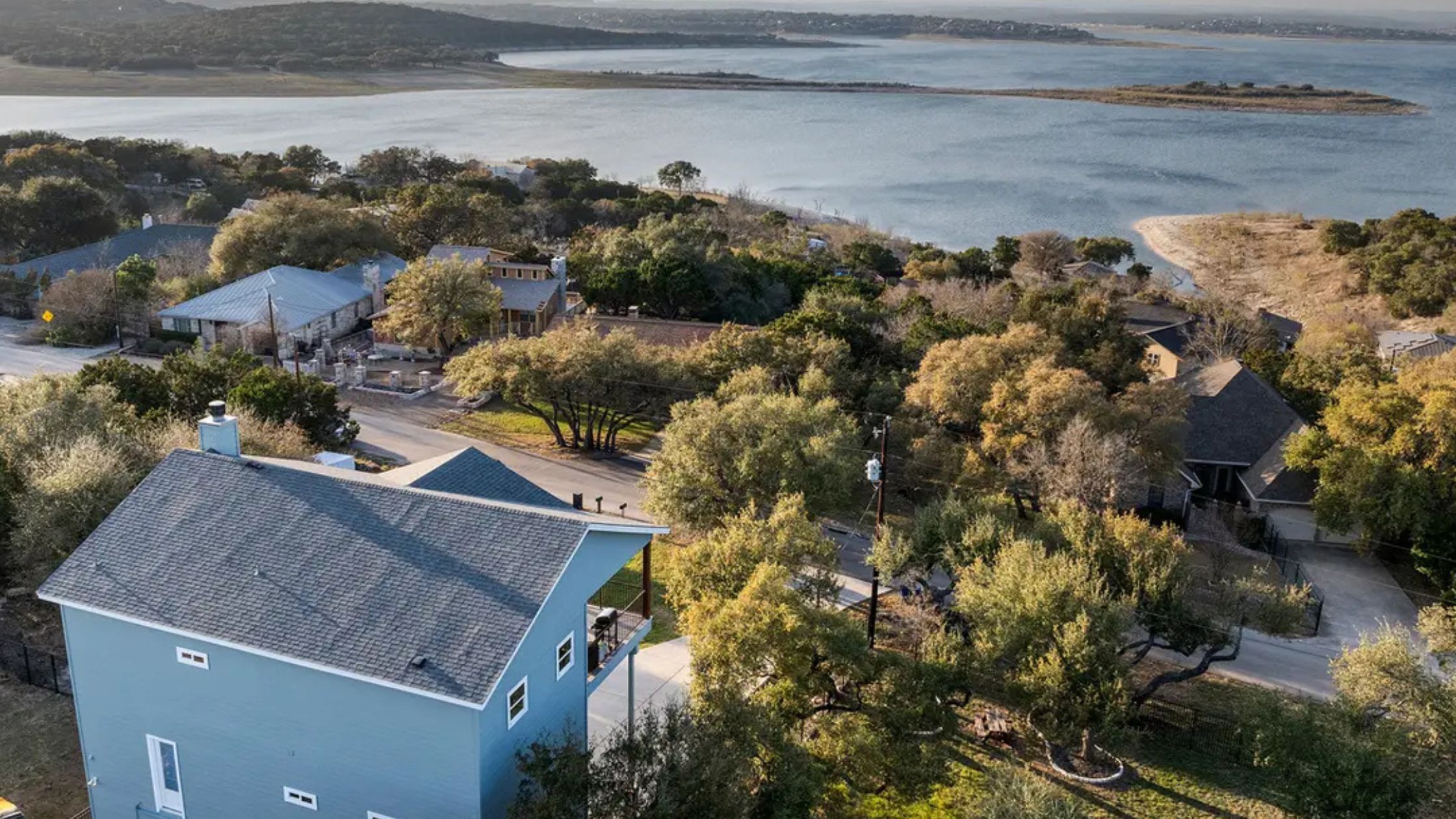
That phrase stuck for years, long past the point where it stopped being a joke and started being a plan. Larry and Pamela drove the loop road around Lake Cavanaugh more times than they can count, watching for a for-sale sign that never seemed to appear on the right house. Then, in June 2017, one finally did — a North Shore property with a shape and a layout that didn’t match anything else on the lake, because it wasn’t built to be a house in the first place. They recognized it immediately as theirs.
Where the Ranger Station Left Its Mark
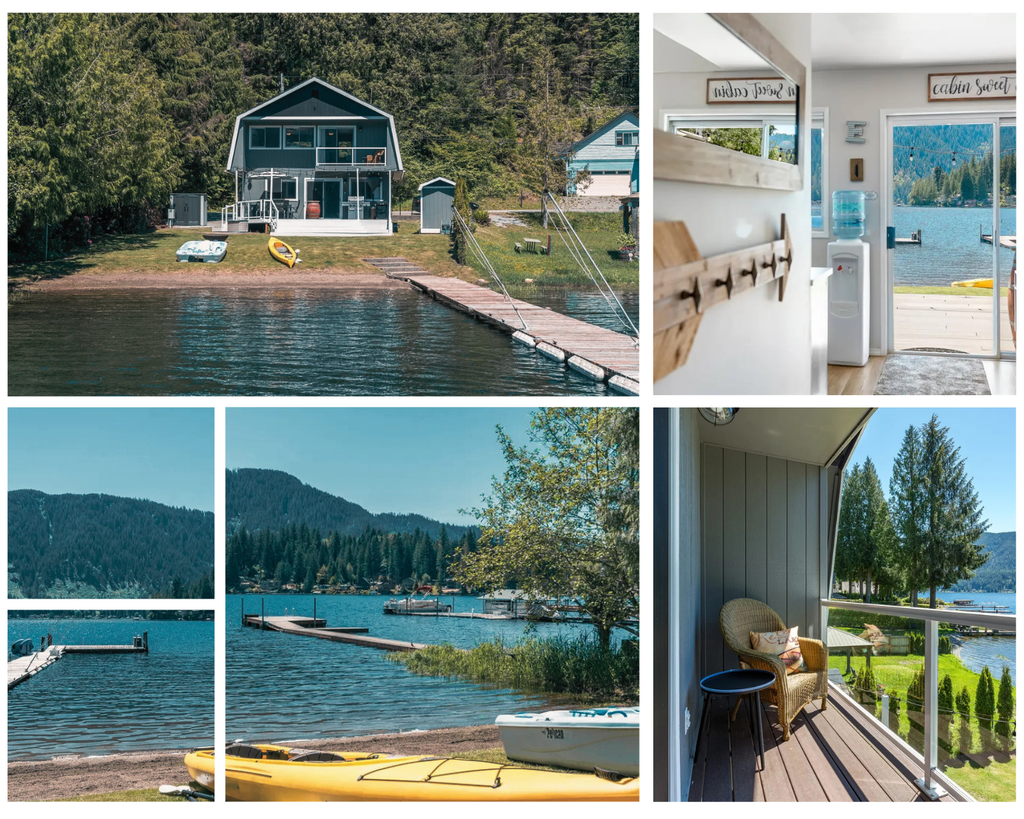
Rather than erase what the house used to be, the Evanses built around it. The parking barrier stayed. The boundary marker stayed. So did the home’s original footprint, an unusual shape that still reads, if you know what to look for, as a building designed for visitors passing through rather than a family settling in.
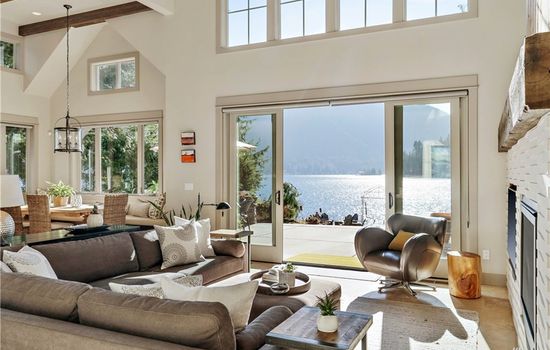
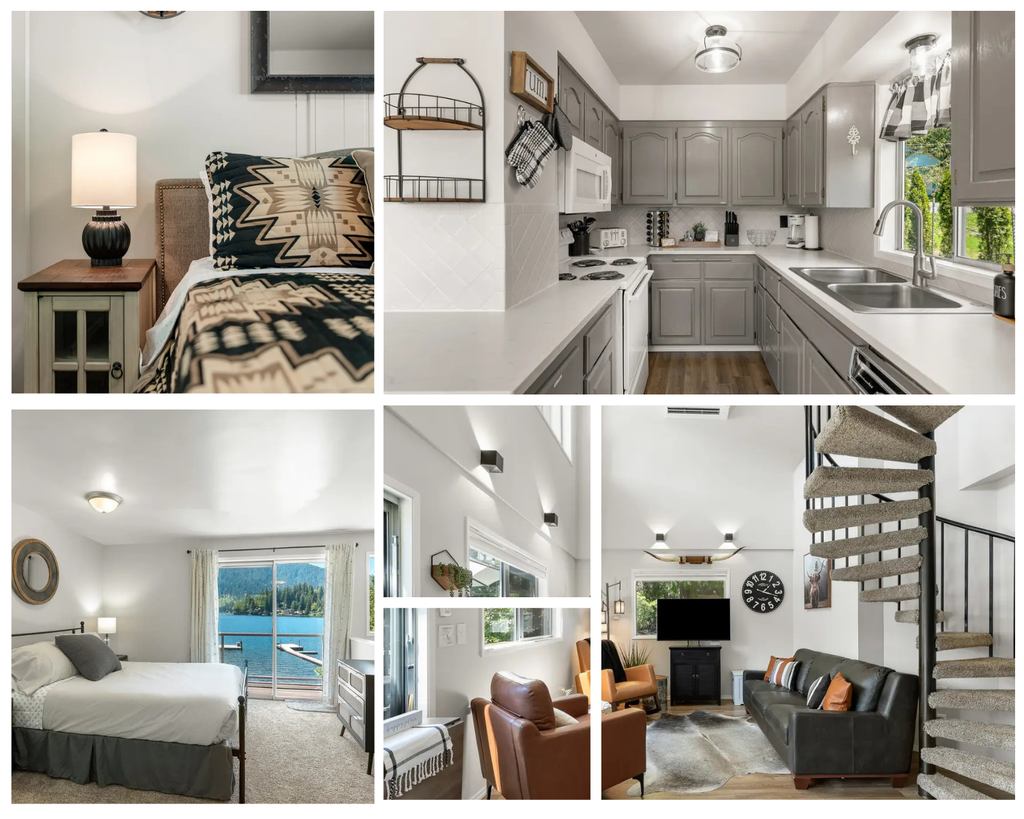
What they added was an open loft and a spiral staircase, both chosen because they pull the lake into nearly every room. Wake up in the loft, carry coffee out to the balcony, or sit down in the living room — the water is somewhere in the view each time. Air conditioning, a stocked kitchen, and reliable Wi-Fi came next, but only after the character of the place was settled. The goal was never to make the house feel new. It was to make the history feel lived-in.
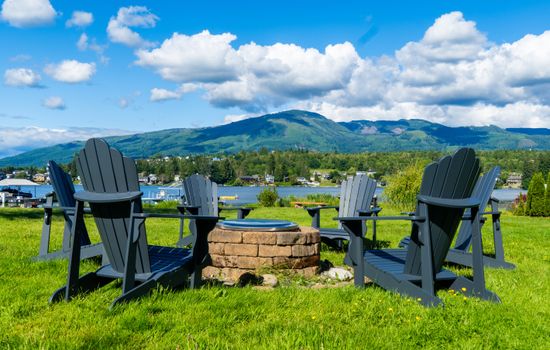
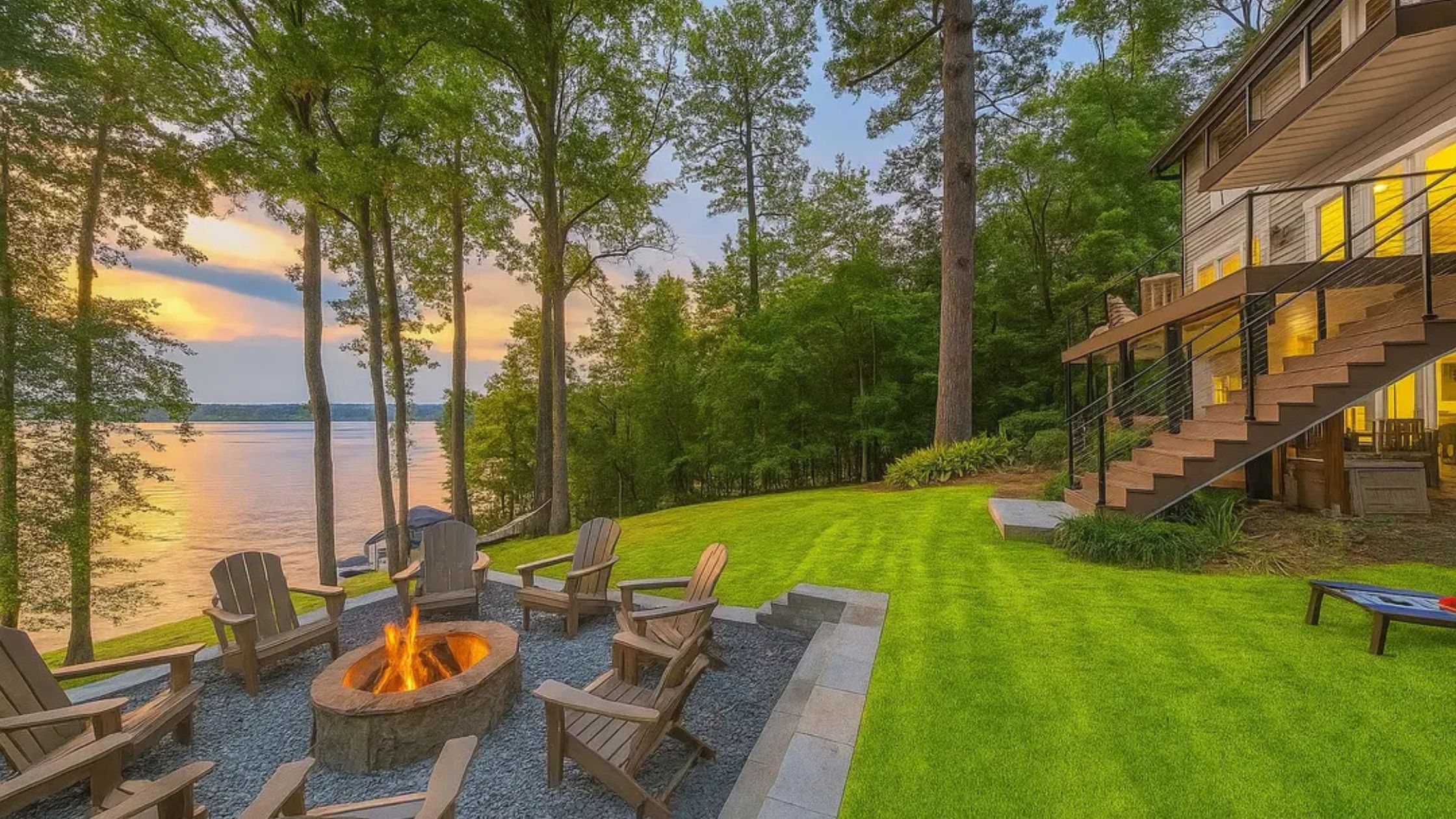
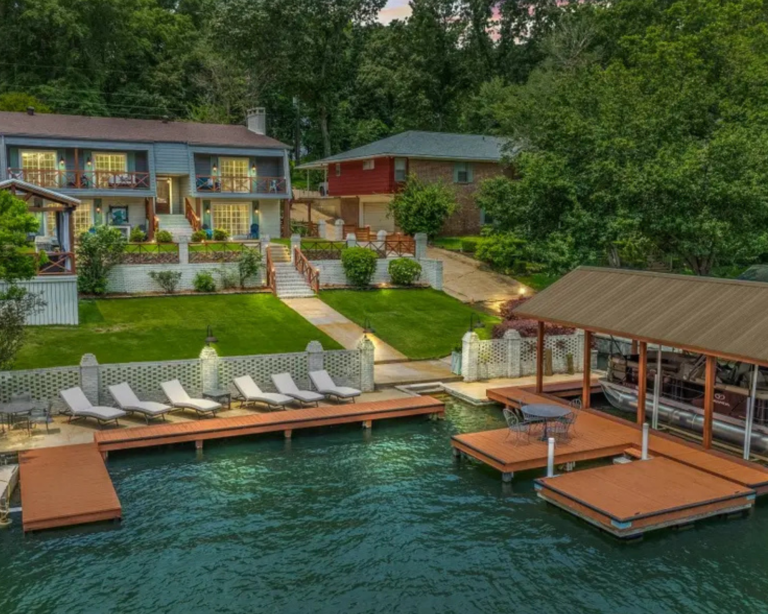
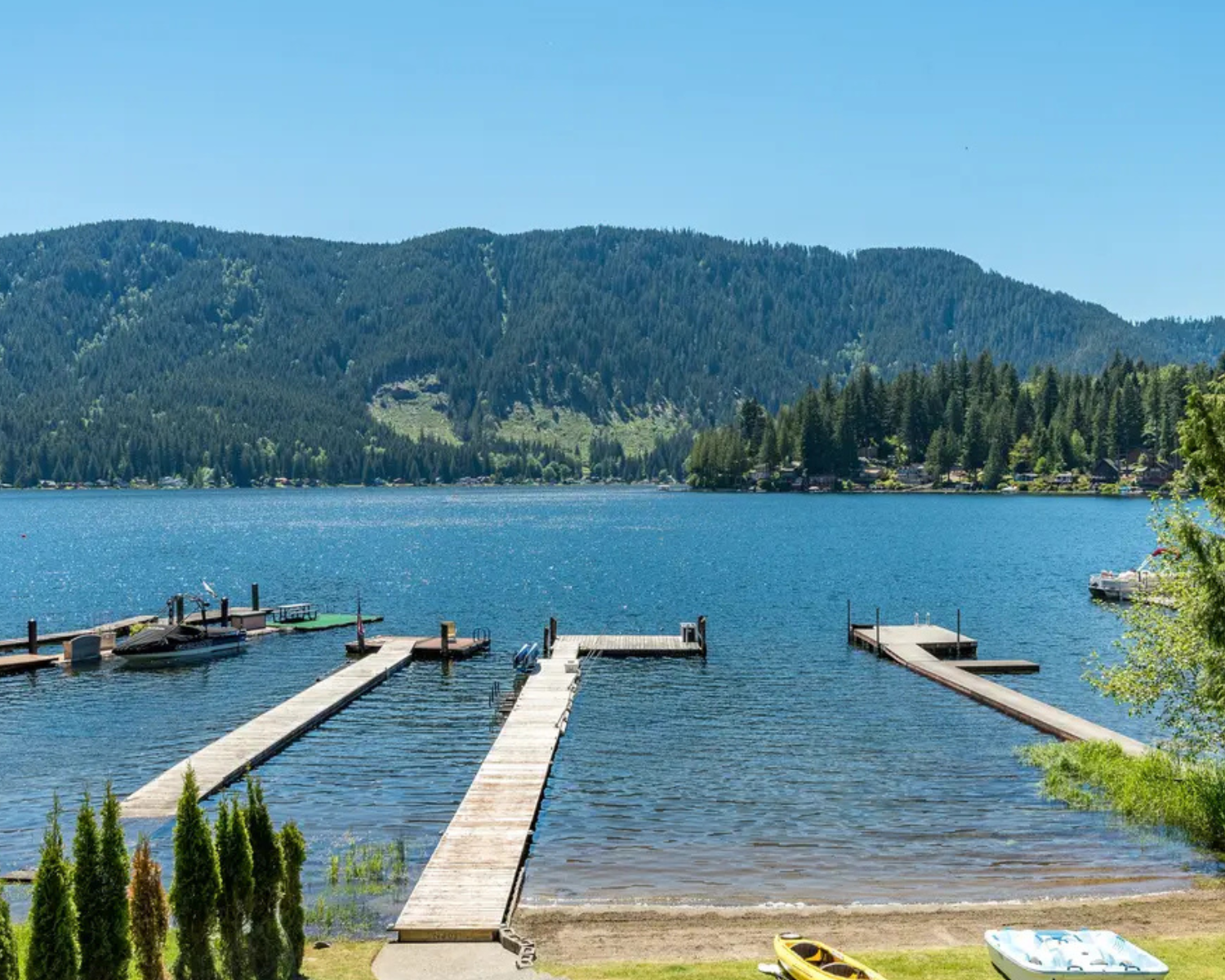
Outside, the priorities were even more personal. A dock, a lakeside deck, a fire pit, kayaks, and yard games weren’t amenities so much as a recreation of the Evanses’ own decades of summer weekends, arranged so that other families could have the same ones.
The Area, According to People Who Actually Live Out There
Lake Cavanaugh Itself
The lake is the main event, and the Evanses treat it that way. A slow day of kayaking, paddleboarding, or floating near the dock is, in their words, as good a use of a day as any organized outing. Guests who take the boat out to the middle of the lake are consistently surprised by a mountain view that isn’t visible from shore — a detail that rarely makes it into a listing description but shows up in almost every guest conversation.
Walker Valley ORV Area
For guests who want something with more engine noise, Walker Valley offers ATV and off-road routes through forest trails and mountain terrain a short drive from the water.
North Cascades National Park
A day trip here means hiking, waterfalls, and mountain scenery, along with some of the more scenic driving in Washington State. The Evanses point guests here when they want a full day away from the dock.
Deception Pass State Park
Dramatic cliffs, beach access, hiking trails, and the well-known bridge over turquoise water make this a stop even for guests who came to Lake Cavanaugh strictly to do nothing.
Arlington and Mount Vernon
When guests want restaurants, breweries, coffee, or a farmers market, these two towns are the recommendation — close enough for an afternoon out, far enough that coming back to the lake still feels like leaving the world behind.
What Happens After Guests Step Inside
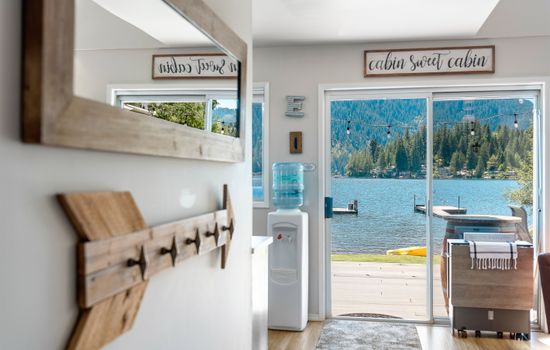
The first reaction, almost every time, happens in the doorway. Guests step in and see the lake stretching out through the windows before they’ve set down a single bag, and the open layout and loft balcony make the water feel like it belongs to every room rather than just the ones facing it.
The very first family to stay took the reaction further than most. They rented a boat, swam, and spent the weekend fully in the water, and before they left, they told the Evanses they wanted Lake Cavanaugh to become a yearly tradition — not a single trip, but a family fixture.
That kind of repeat commitment shows up often. A couple once chose the house specifically to celebrate a fiancée’s birthday by the water. Groups of friends have used it for reconnecting weekends. One family gathered there for Thanksgiving. Each group, the Evanses have noticed, makes the space its own in a slightly different way — a quiet weekend for one group, an annual holiday for another, a special occasion for a third.
“The lake has a way of helping everyone slow down, reconnect, and enjoy the moment.”
Not every lesson has been an easy one. The listing is clear about a strict no-pet policy, put in place partly for guests with allergies, and on a few occasions guests brought pets anyway and left the home needing extra time to restore. The Evanses now enforce the rule firmly and communicate it upfront, a small, honest example of how hospitality sometimes means holding a boundary rather than bending it.
Planning a Weekend at Lake Cavanaugh
For guests with only two days, the Evanses’ advice barely changes from what they’d do themselves: coffee on the loft balcony while the water is still calm, a boat trip out to the middle of the lake for the mountain view most people miss, and an evening at the fire pit watching the sunset over the water. Self check-in and free parking mean the arrival itself asks nothing of a guest’s time — everything else on the property is designed to slow the rest of the weekend down instead.
The kitchen and Wi-Fi matter, the Evanses say, but they’re not what guests remember. What guests remember is the dock, the fire pit, and the hours spent not doing much of anything at all.
The Memory Maker
Larry and Pamela Evans didn’t set out to preserve a piece of ranger-station history when they bought their North Shore house in 2017 — they set out to finally stop driving around the lake and start living on it. The brass marker and the black chain barrier came with the property; everything since has come from two people who spent years wanting exactly this. What they’ve built is not a rental with a backstory attached. It’s a house that was already part of the lake’s history, now being handed, one weekend at a time, into other families’ histories too.