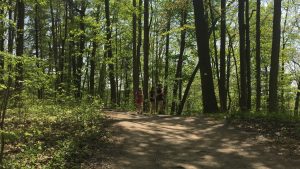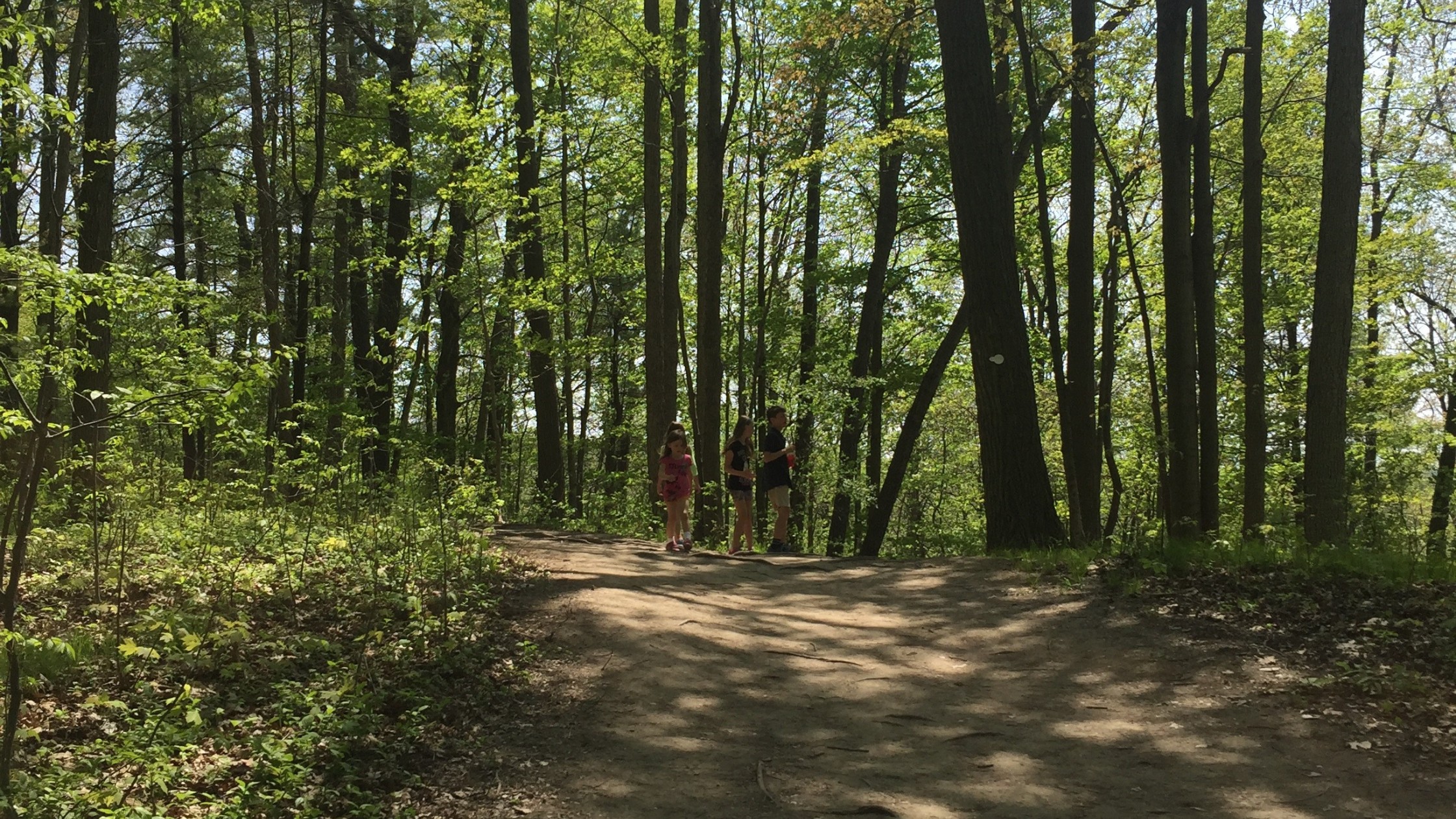
Discover the zesty charm of California's citrus heritage in a vibrant outdoor oasis.























Discover the zesty charm of California's citrus heritage in a vibrant outdoor oasis.
California Citrus State Historic Park offers an enchanting escape into the vibrant history of California’s citrus industry. Spanning over 300 acres, the park showcases lush groves of oranges, lemons, and grapefruits, inviting visitors to stroll through its fragrant orchards. The park’s design pays homage to the golden age of citrus farming, where visitors can immerse themselves in the rich agricultural heritage that shaped California’s economy.
As you wander the winding paths, the sweet scent of citrus fills the air, creating a sensory experience that is both refreshing and invigorating. The park features a visitor center that offers engaging exhibits and educational programs, shedding light on the significance of citrus cultivation in the region. Guided tours provide an insider’s perspective on the cultivation practices and the historical impact of the citrus boom.
Whether you’re a history buff, a nature lover, or simply seeking a peaceful retreat, California Citrus State Historic Park promises a unique blend of education and relaxation. Enjoy a day of exploration, and discover the enduring legacy of California’s citrus heritage.
Seasons
In spring, Riverside’s fragrant citrus groves bloom, offering visitors a sensory journey through California’s rich agricultural heritage, complemented by guided tours and seasonal festivals.
Summer in Riverside offers warm temperatures and clear skies, ideal for exploring historic citrus groves, enjoying outdoor concerts, and picnicking amidst fragrant orchards.
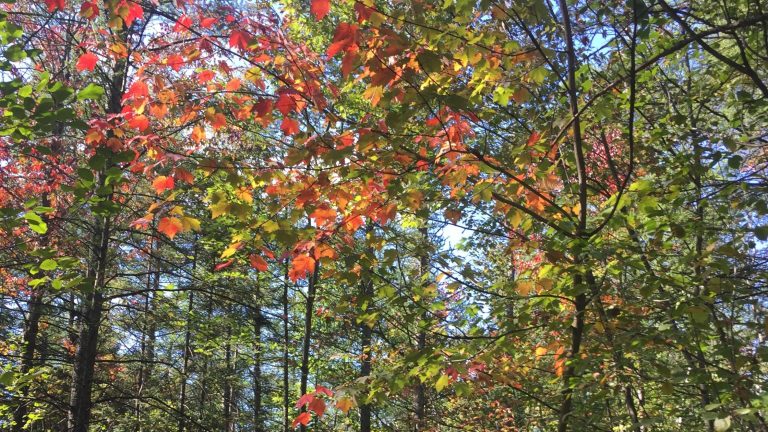
In fall, the park’s historic groves offer a fragrant retreat, with cooler temperatures and fewer crowds enhancing the experience of exploring the rich citrus heritage.
Winter’s mild temperatures and clear skies make December through February ideal for exploring Riverside’s citrus heritage, offering a serene escape from the season’s chill.
Top 3 Facts about California Citrus State Historic Park
California is home to unique wildlife, including the rare California tiger salamander and the endangered San Francisco garter snake, while remarkable migration events see thousands of monarch butterflies passing through, showcasing the region’s rich biodiversity and the importance of preserving these vital habitats for future generations.
California’s Citrus State Historic Park experiences unique microclimates due to its diverse topography, where temperature variations can be extreme; for instance, nearby regions can reach over 100°F while the park remains significantly cooler, creating ideal conditions for citrus cultivation amidst fluctuating weather patterns.
Known for its unique trails like the “Citrus Loop” and “Orange Blossom Trail,” the park also prohibits activities such as biking and horseback riding, ensuring a serene environment for visitors while celebrating the region’s rich citrus heritage and outdoor sports history.
Travel Tips
Plan Ahead
To make the most of your visit, plan ahead by checking the seasonal fruit availability and park events. Arrive early to enjoy guided tours and explore the scenic trails before the crowds arrive, and don’t forget to pack water and snacks for a delightful day immersed in California’s citrus heritage.
Pack Appropriately
When packing for your visit, consider bringing a lightweight sun hat and reusable water bottle, as the California sun can be intense, especially during the summer months. Additionally, pack a small cooler for fresh citrus snacks, as you’ll want to savor the local produce while exploring the scenic trails and historical exhibits.
Respect Wildlife
When exploring the beautiful landscapes, always observe wildlife from a distance to avoid disturbing their natural behaviors. Keep noise levels low and refrain from feeding animals, as this can disrupt their diets and habitats. Carry binoculars for a closer look at birds and other creatures, ensuring a respectful and memorable experience while enjoying the diverse ecosystem.
Stay Informed
Before your visit, check the weather forecast, temperatures, and any fire bans or notices. Ensure you know the emergency contact information and tell someone your destination and expected return time. Staying informed helps ensure a safe and enjoyable experience in Florida’s beautiful outdoors.
Accessibility & permits
Emergency

Planning a trip?
Tell us about your upcoming trip and how we can help!



Frequently Asked Questions
Ready to dive into what California Citrus State Historic Park has to offer? Let’s tackle some of the burning questions you might have as you plan your visit!
-
The park’s operating hours are typically from 8 AM to 5 PM daily, but it’s advisable to check for seasonal variations.
-
There is no entrance fee to California Citrus State Historic Park, making it accessible for all visitors.
-
Yes, guided tours are available and often provide an in-depth look at the park’s history and citrus cultivation.
-
Visitors can sample citrus fruits during certain seasons, especially during special events or harvest times, so check the park’s calendar.
-
Pets are allowed in the park but must be on a leash at all times and are not permitted in certain areas like buildings.