America's Original Gateway West, Preserved in Three States

















America's Original Gateway West, Preserved in Three States
Before there was a United States, there was Cumberland Gap. This narrow, natural passage through the Appalachian Mountains at the junction of Kentucky, Tennessee, and Virginia was, for millennia, one of the only viable crossings through the great wall of the Appalachians. Bison and deer used it. The Shawnee, Cherokee, and other Indigenous nations traveled it as part of the Warrior’s Path. Daniel Boone’s Wilderness Road, blazed in 1775, opened it to a flood of settlers that transformed a continent. By one estimate, between 200,000 and 300,000 people passed through the Gap into Kentucky and beyond from 1775 to 1810. Today, Cumberland Gap National Historical Park protects this landscape and its story across 24,000 acres at that same three-state junction.
The park established in 1940 under President Franklin Roosevelt straddles parts of Bell and Harlan counties in Kentucky, Claiborne County in Tennessee, and Lee County in Virginia, stretching 26 miles along the Cumberland Mountains. The park’s 85 miles of trails offer serious hiking options including the Wilderness Road Trail, a 12-mile route that traces the original pioneer path, and the trail to Hensley Settlement, a restored Appalachian farm community that operated in isolation from 1903 to 1951 on a high ridge accessible only on foot or horseback.
The Pinnacle Overlook, reached by a four-mile winding road from the visitor center, delivers one of the most dramatic tri-state views in the eastern United States, looking across Kentucky, Virginia, and Tennessee from a high ridge above the Gap. Tri-State Peak, the highest point accessible by trail in the park, marks the actual geographic tripoint where the three states converge, a satisfying destination for families and geography enthusiasts.
Gap Cave, formerly known as Cudjo’s Cave, offers ranger-led tours throughout the year on a 1.5-mile route exploring four levels of cavern via 183 steps. The cave tour provides a genuinely different experience of the park’s geology and history, and requires advance reservations. No children under five are permitted.
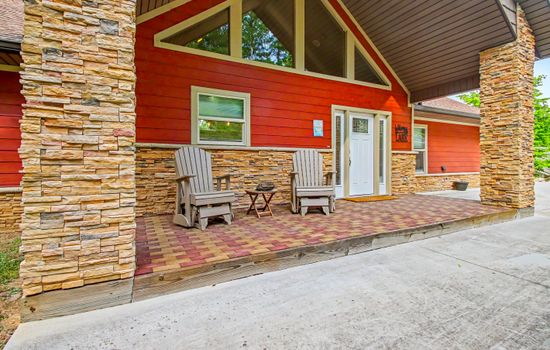
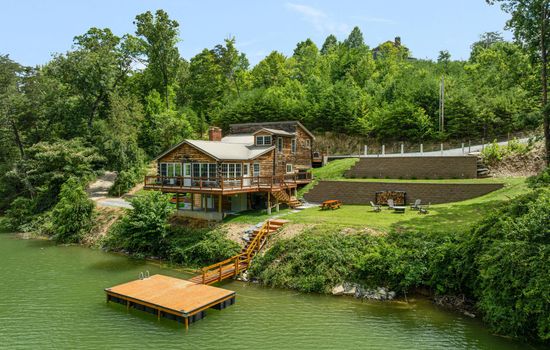
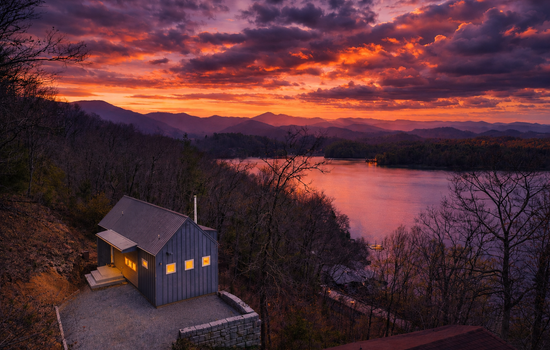
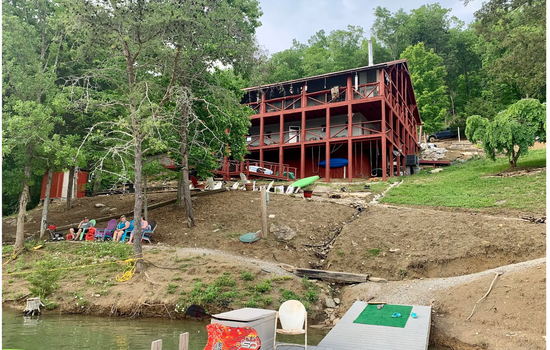
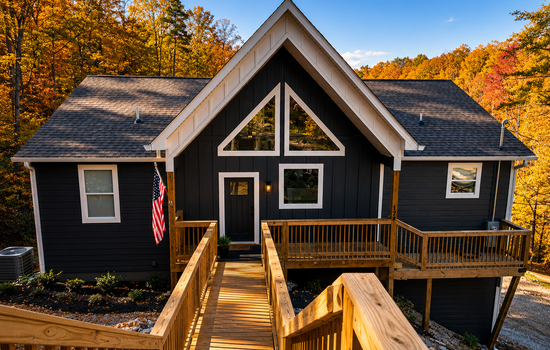
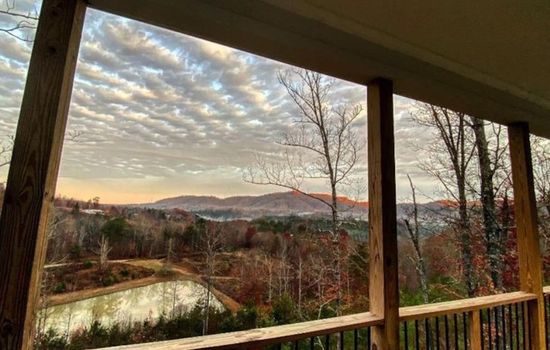
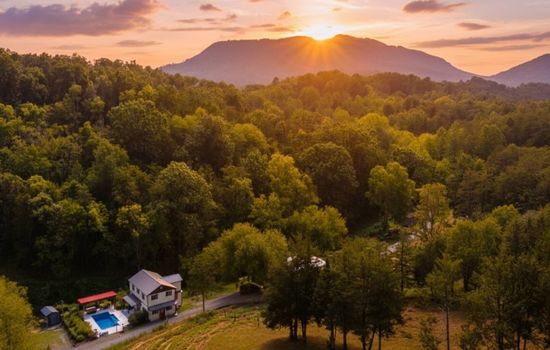
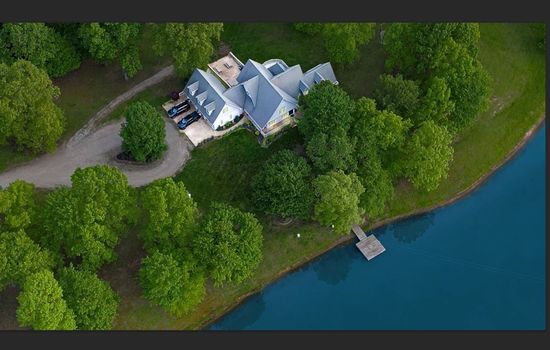
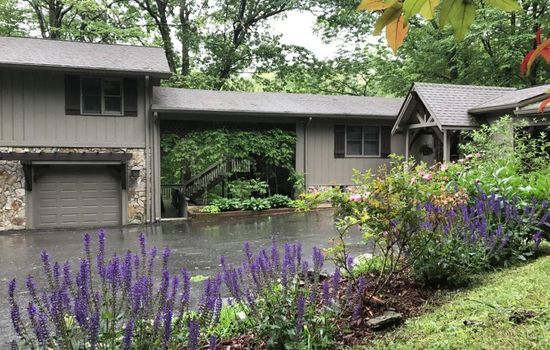
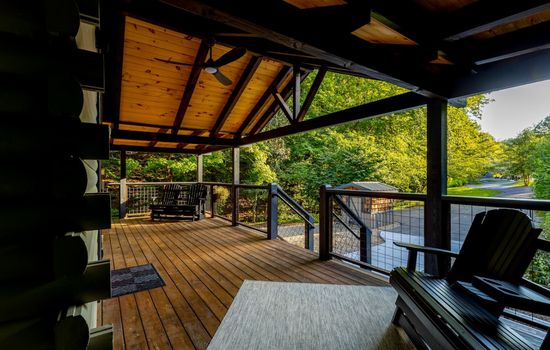
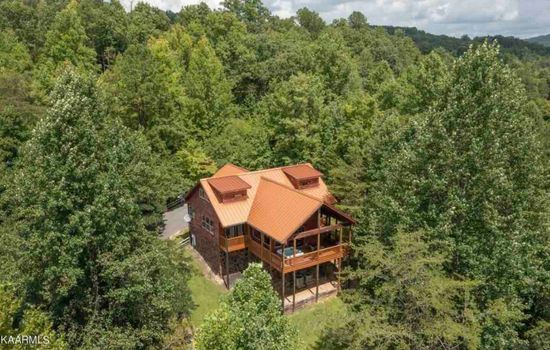
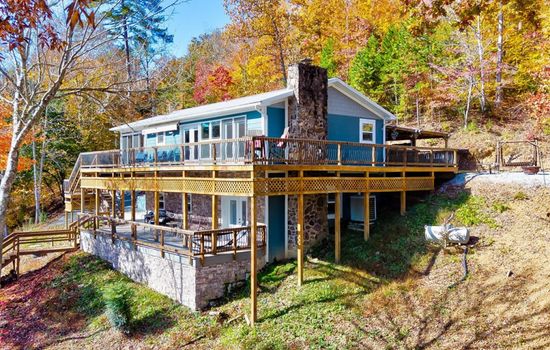
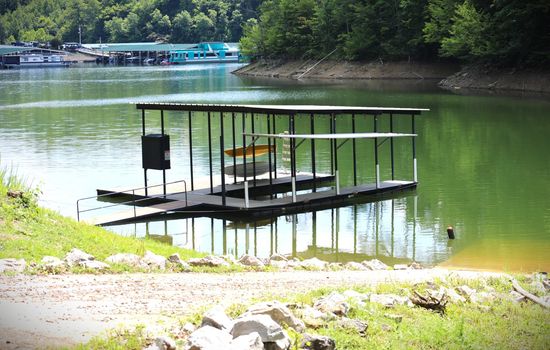
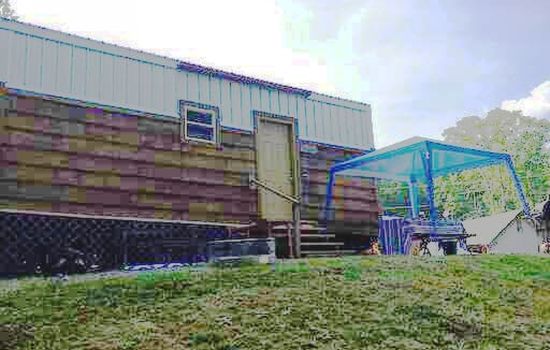
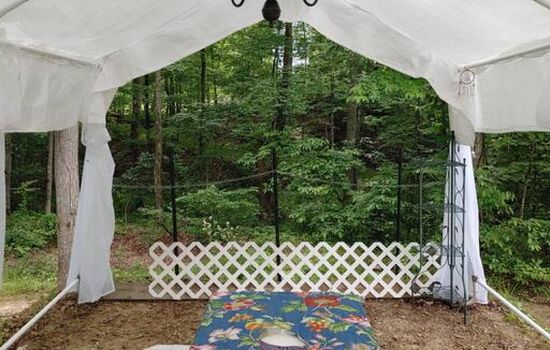
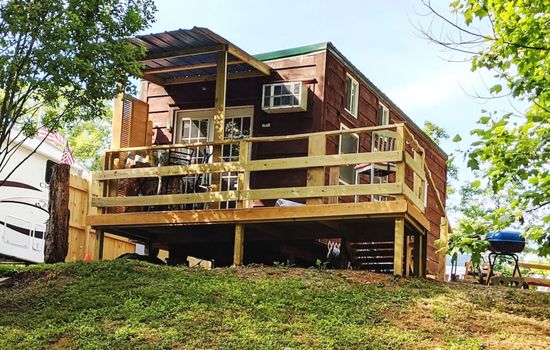
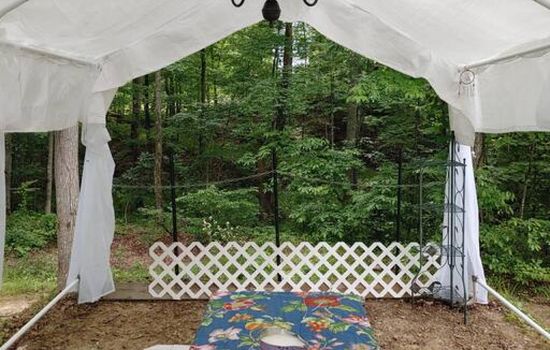
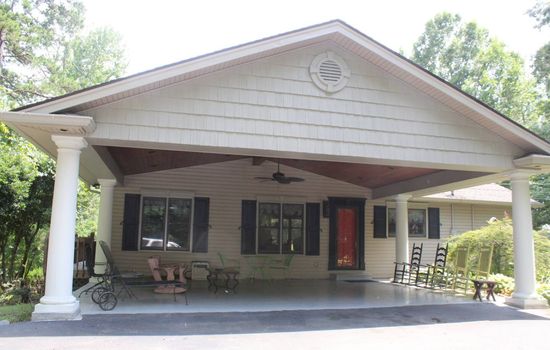
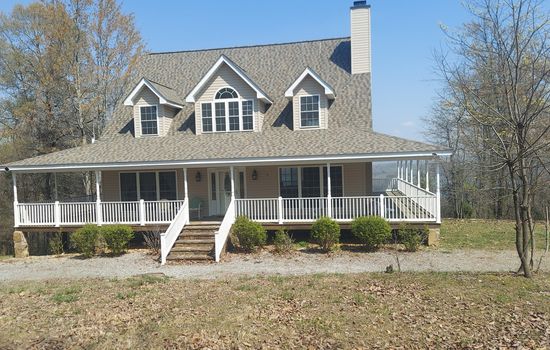
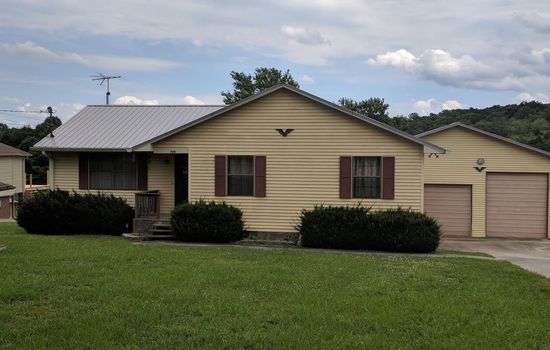
The towns of Middlesboro, Kentucky, and Cumberland Gap, Tennessee, just outside the park boundaries, offer lodging, dining, and services for visitors. The wider region along the Cumberland Plateau supports a growing selection of cabin rentals and vacation homes in the surrounding hills, many with fire pits and relaxing mountain views. Families, history enthusiasts, and multi-generational groups all find the park’s mix of hiking, history, and natural scenery well worth a multi-night stay.
Check nps.gov/cuga for current trail conditions, cave tour reservations, and seasonal programs. Book your accommodations for Cumberland Gap National Historical Park.
Seasons
Spring brings mild temperatures (60s-70s°F) and blooming wildflowers. Witness the Powell River Kayak & Canoe Regatta in April, or the Sip & Stroll market on the first Wednesday of each month, featuring yoga, live music, and local crafts. Ideal for outdoor enthusiasts.
Summer brings warm temperatures (70s-80s°F) and humid days, ideal for hiking 70 miles of trails. Attend the Cumberland Gap Folkfest in summer, featuring live music and local crafts. Perfect for outdoor enthusiasts seeking historic and natural immersion.[/s]
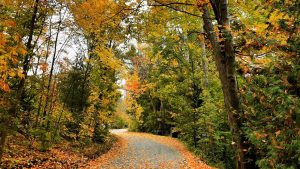
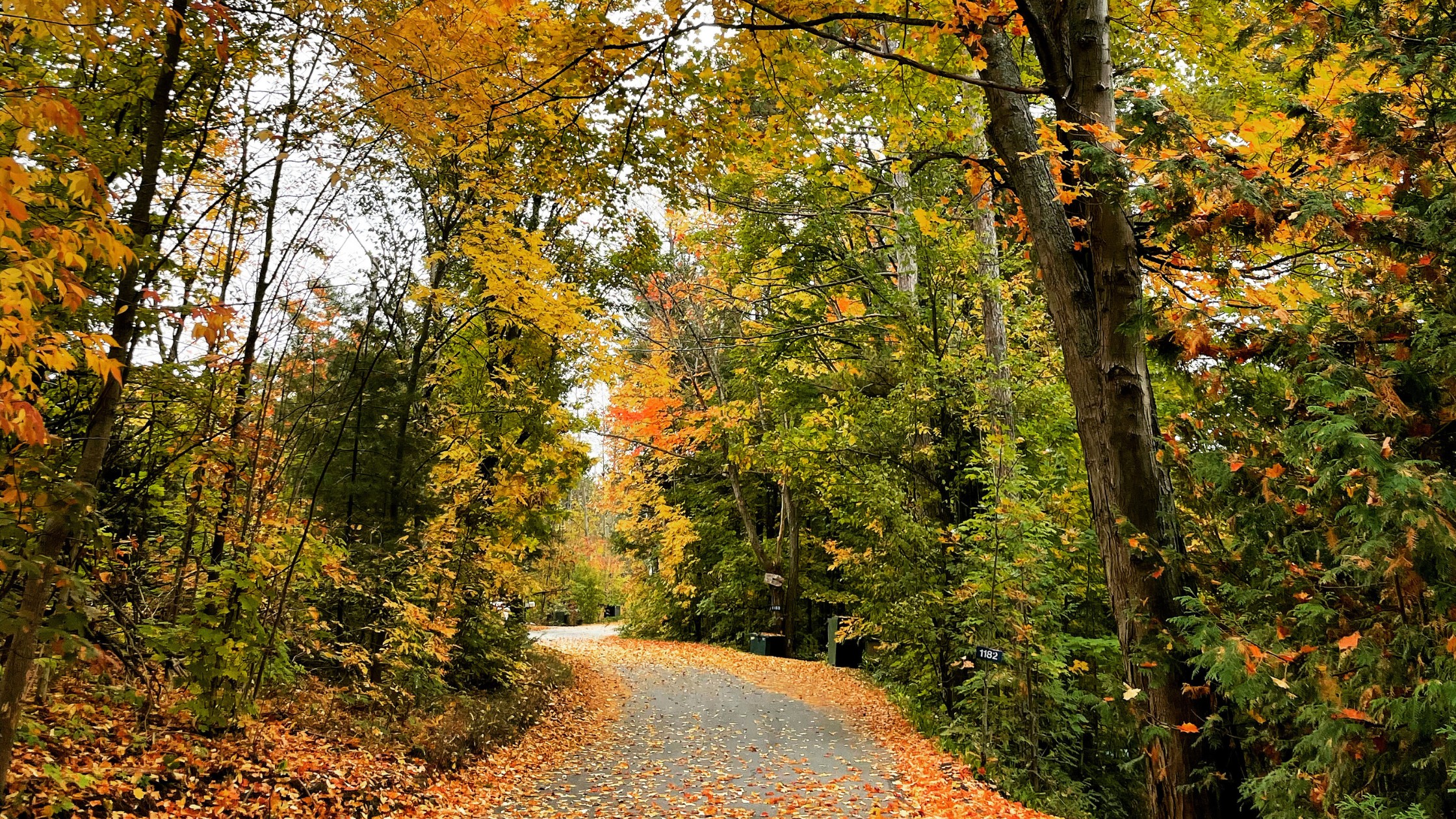
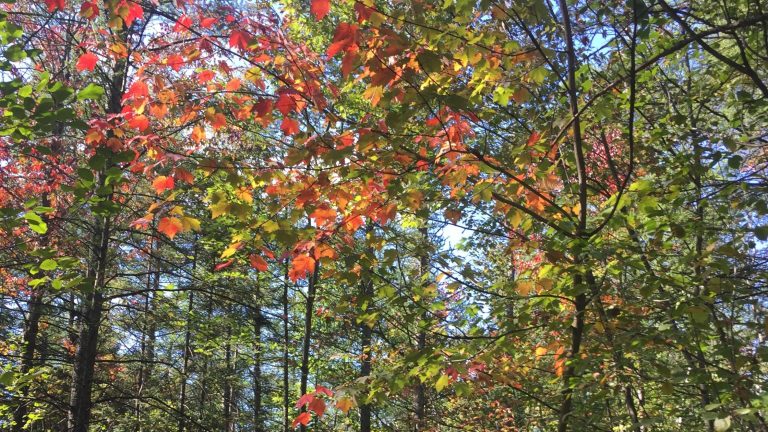
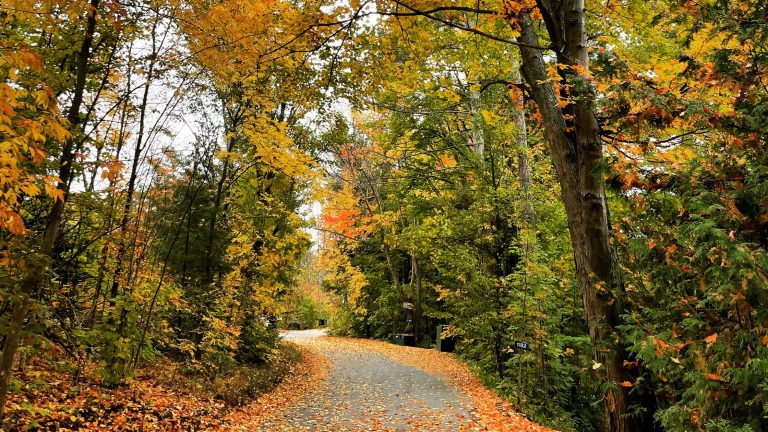
Experience autumn’s vibrant hues from September to November, with mild temperatures (50s-70s°F) and occasional overcast days. Attend the Harvest Moon Art and Wine Festival in late September, and hike the Ridge Trail for breathtaking foliage views. Ideal for photography and serene outdoor escapades.
Winter brings mild temperatures, ranging from 30s to 40s Fahrenheit, with occasional snow January through March. Crisp air and fewer crowds make it an ideal time for serene hikes and historic exploration, though unpredictable weather at higher elevations requires careful planning.
Top 3 Facts about Cumberland Gap National Historical Park
Between an estimated 200,000 and 300,000 settlers passed through Cumberland Gap via the Wilderness Road from 1775 to 1810, making it the primary route for westward migration through the Appalachian barrier. Daniel Boone blazed the original Wilderness Road in 1775. The same passage had served Indigenous nations for millennia before European settlers arrived, as part of the ancient Warrior’s Path.
Hensley Settlement, on a high ridge in the park accessible only by trail or horseback, preserves a self-sufficient Appalachian farming community that operated in near-total isolation from 1903 until 1951. The site includes 12 restored log cabins, a one-room schoolhouse, and a blacksmith shop, maintained today as a living history site by the National Park Service.
Cumberland Gap National Historical Park contains 24 known cave systems ranging from around 20 feet to more than 16 miles in length. Gap Cave, the only cave accessible by guided tour, offers a 1.5-mile underground route through four levels of cavern via 183 steps. The park also sits at the Tri-State Peak, the precise geographic point where Kentucky, Tennessee, and Virginia share a common boundary, accessible by trail.
Travel Tips
Plan Ahead
Gap Cave ranger-led tours have limited capacity and require advance reservations up to one month ahead by calling 606-248-2817. No children under five are permitted. The Pinnacle Overlook road closes during ice and inclement weather. Hensley Settlement is a 9.2-mile round trip on foot; plan accordingly. Check nps.gov/cuga for current trail conditions, road closures, and seasonal program schedules before visiting.
Pack Appropriately
Pack layers and rain gear for Appalachian mountain weather that can change quickly at higher elevations. Sturdy hiking boots with ankle support are recommended for longer trails including the Hensley Settlement route. Carry enough water for the full hike. Bring a headlamp or flashlight for Gap Cave tours. Bug repellent is helpful on humid summer days in the bottomland sections of the park.
Respect Wildlife
Black bears, white-tailed deer, bobcats, and wild turkeys inhabit the park. Maintain a safe distance from all wildlife and never feed any animals. Store food in your vehicle when camping. Timber rattlesnakes inhabit rocky areas of the park; watch where you step off trail. Keep dogs on a leash at all times. Report any encounters with aggressive wildlife to park rangers.
Stay Informed
Check nps.gov/cuga for current trail conditions, road closures, cave tour availability, and seasonal closures before your visit. The Pinnacle Overlook road closes in icy or dangerous conditions. Contact the Cumberland Gap Visitor Center at 606-248-2817 for current information. Weather at higher elevations can be significantly cooler and wetter than in the surrounding valleys.
- Area (mi²)
- 32
- Annual visitors
- 737 547
- Established year
- 1940
Accessibility & permits
Emergency

Planning a trip?
Tell us about your upcoming trip and how we can help!
Frequently Asked Questions
Ready to dive into what Cumberland Gap National Historical Park has to offer? Let’s tackle some of the burning questions you might have as you plan your visit!
-
The closest city to Cumberland Gap National Historical Park is Middlesboro, Kentucky, which is near the tri-state border of Kentucky, Virginia, and Tennessee. Another nearby city is Corbin, Kentucky, about 50 miles north. Knoxville, Tennessee, is also a significant nearby city, approximately 85 miles away.
-
For kids, the best hiking trail is likely the short 1/4-mile loop trails, which offer easy walks with little elevation gain and are suitable for all ages. These trails provide a leisurely stroll through the eastern deciduous forests and can be a great introduction to hiking. Ranger-led hikes are also available, offering a guided and educational experience.
-
Dogs must be on a leash no longer than 6 feet at all times. This rule applies to all trails and campgrounds within the park. Owners should also be cautious due to the presence of bears.
-
Admission is free, and parking is included. You can park at various areas such as the Thomas Walker parking area for hiking trails or at the Wilderness Road Campground for campers, trailers, and motorhomes.
-
Cumberland Gap was a crucial passage for hundreds of thousands of settlers moving westward during the late 18th and early 19th centuries, particularly along the Wilderness Road. It was first documented by European explorer Thomas Walker in 1750 and later used by Daniel Boone. The gap played a strategic role in the American Civil War due to its access to essential rail lines, changing hands several times between Union and Confederate forces.