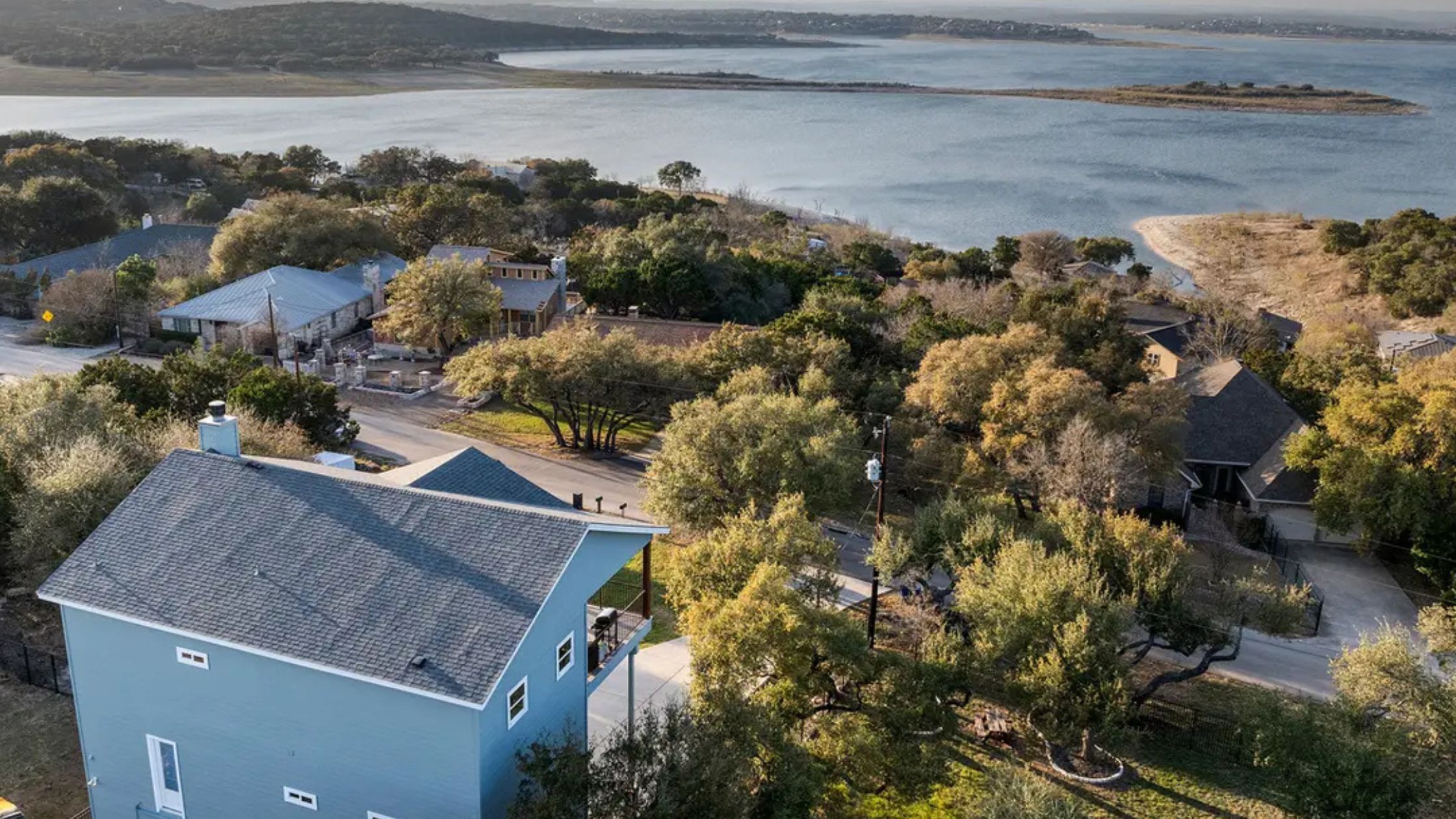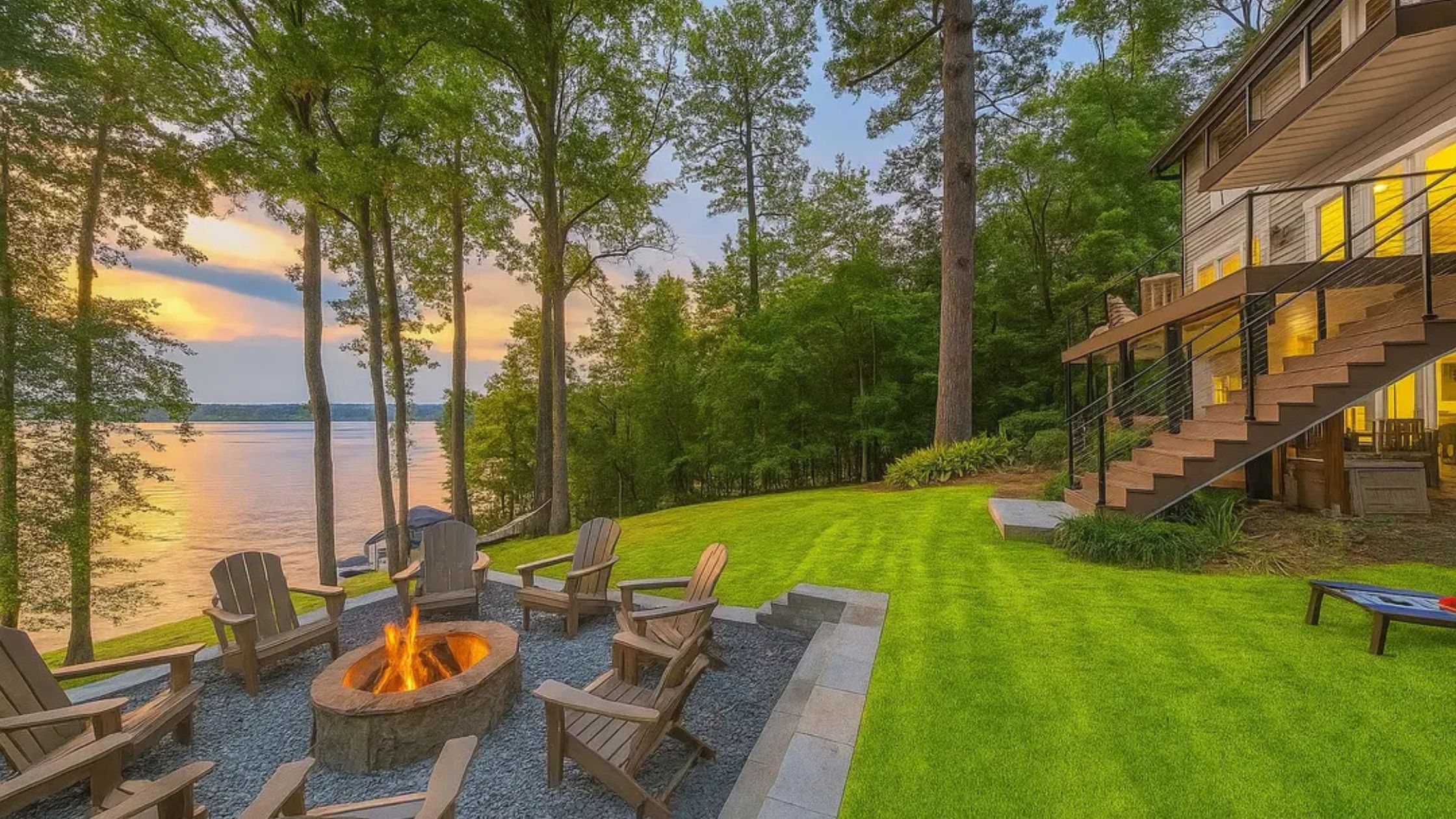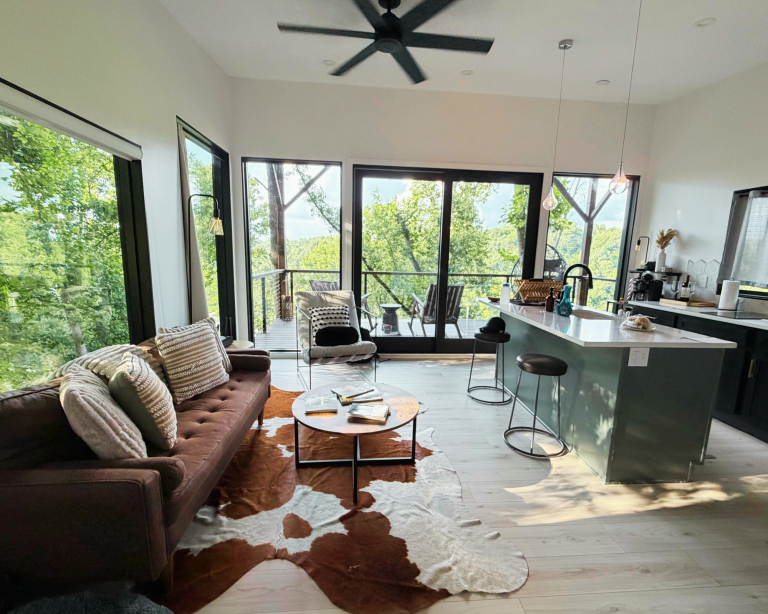

Crowd avoidance sounds like a consolation strategy. Like it means accepting something smaller than what you wanted because you couldn’t compete for the thing you actually wanted. It isn’t. Done with the right data, Off-Peak Lake Travel means arriving at the lake you already wanted, in a week when the rental market has eased, the reviews are strong, and the dock isn’t occupied by someone else’s paddleboards.
The difference between a deliberate off-peak strategy and a backup plan is specificity. A backup plan is “if July doesn’t work, we’ll find something.” A crowd-avoidance strategy is “Lake of the Ozarks in the first week of September has better reviews than the same lake in peak July, costs less, and we can book a waterfront house we couldn’t touch in July.” That’s a different trip — not a lesser one.
Lake.com’s three proprietary research reports covering search demand, five-star review timing, and solar radiation give this strategy its precision. The popularity data shows when and where the crowds are. The review data shows where the quality holds after the crowds thin. The sunshine data shows which destinations still deliver reliable outdoor conditions once summer’s over. Together, they point to three distinct crowd-avoidance strategies, each suited to a different kind of family constraint.
Strategy One: The Right Week at a Lake You Already Want
The single most useful data point in Lake.com’s review timing study isn’t which lake peaks in July. It’s which lakes peak somewhere else despite being heavily associated with summer travel.
Lake of the Ozarks is the fourth most-searched lake in America. Its single sharpest concentration of five-star reviews falls not in July — but in early September.
Specifically the week of September 2nd through 8th. The month with the most five-star reviews overall is July. The single week with the highest concentration of them is September. That gap is the strategy. A family that treats the Ozarks as a summer-only destination is working with half the data. A family that knows its best single week falls in September has access to a version of the same trip with meaningfully better availability, lower rental rates, and review data that suggests the experience is at least as good — and by some measures, better.
Lake Tahoe tells the same story at larger scale. As the September guide and the pillar guide both cover, Tahoe’s peak search volume is in July and its peak reviews are in late September. The families most likely to have the best Tahoe trip are the ones who read both numbers and booked the one the market isn’t competing for.
Strategy Two: The Less-Searched Lake at Its Best Week
Some lakes don’t show up in the popularity study at all — not because they’re unremarkable, but because national search volume is driven by brand recognition, and brand recognition is a lagging indicator of what’s actually worth visiting.
Eufaula Lake, Oklahoma
Eufaula Lake peaks in mid-November — specifically November 13th through 17th — and still measures above average on sunlight for its region, which means a fall trip there isn’t a weather gamble. It’s a lake that the national search data largely ignores and the review data quietly defends. For a family whose school calendar has flexibility around Veterans Day, or who is traveling without school-age children, Eufaula in November represents the clearest possible version of the crowd-avoidance argument: a well-reviewed lake, in its best week, with almost nobody else competing for the same houses.
Lake Barkley, Kentucky
Lake Barkley offers a more surprising example. Its best month by review volume is July — which would suggest a summer destination. Its single best-reviewed week, however, falls in November, November 4th through 12th. A lake whose overall summer numbers are strong but whose single peak week is in early November is a lake with two distinct audiences: summer families who fill the July volume, and a quieter fall crowd who happen to generate the highest individual-week concentration of positive reviews. Getting into that second group requires knowing it exists.
Strategy Three: Spring, Before the Search Volume Builds
The popularity data makes one pattern unmistakably clear: search volume for lake trips accelerates in late spring and peaks in July. What that means for families who can travel in April or May is that they’re booking into a market that hasn’t yet priced in summer demand and visiting lakes whose review data sometimes supports spring travel as strongly as it supports summer.
Lake Mead, Nevada
Lake Mead peaks in April by review timing, with its single best week landing in the first week of the month. It also benefits from the desert Southwest’s solar radiation advantage: the region measures high on direct sunlight even in spring, which means the outdoor-activity case for an April visit is strong. As the pillar guide’s “lower-crowd picks” section notes, Lake Mead in April is a family that arrived before the summer rush, not after it.
Lake Norman, North Carolina
Lake Norman adds a similar spring case. Its best month by review data is July, but its single best-reviewed week falls late May into early June — May 27th through June 2nd. That’s a Memorial Day window with strong review backing and a calendar position just ahead of the July surge that drives the hardest booking competition.

How to Build Your Own Crowd-Avoidance Window
The three approaches above draw from the same underlying reports that feed the rest of this series. For families who want to build a crowd-avoidance itinerary rather than pick from the examples above, the method is straightforward: cross-reference the popularity data to identify which weeks drive the highest search volume at the destination you want, then use the review timing data to find when that destination performs well outside that window. Any gap between the two is a potential crowd-avoidance window.
The sunshine data adds a third filter for the gaps that matter most. If the review timing and the search timing diverge in a season with lower sunlight odds for that region — the Northeast in October, the upper Midwest in November — the gap is worth less than it looks. If the gap falls in a period with strong solar radiation data, the way Eufaula’s November peak does for Oklahoma, or the way Tahoe’s September timing does for a Nevada destination, the case for that window is complete.
The families who combine all three data points — timing, sunshine, and cost — are the ones who come home having had the trip the July crowd was trying to have, for less money, without the competition.
Our guide to splitting the cost of a family lake trip fairly made the point that September is often when the rental math comes out most favorably for a large group. The crowd-avoidance strategy is why quieter demand, available inventory, and review data that supports the timing.
That’s not a consolation. That’s planning.