Missouri's Most Rewarding Float River Has Cabins Worth Staying In






























Why Rent On Gasconade River
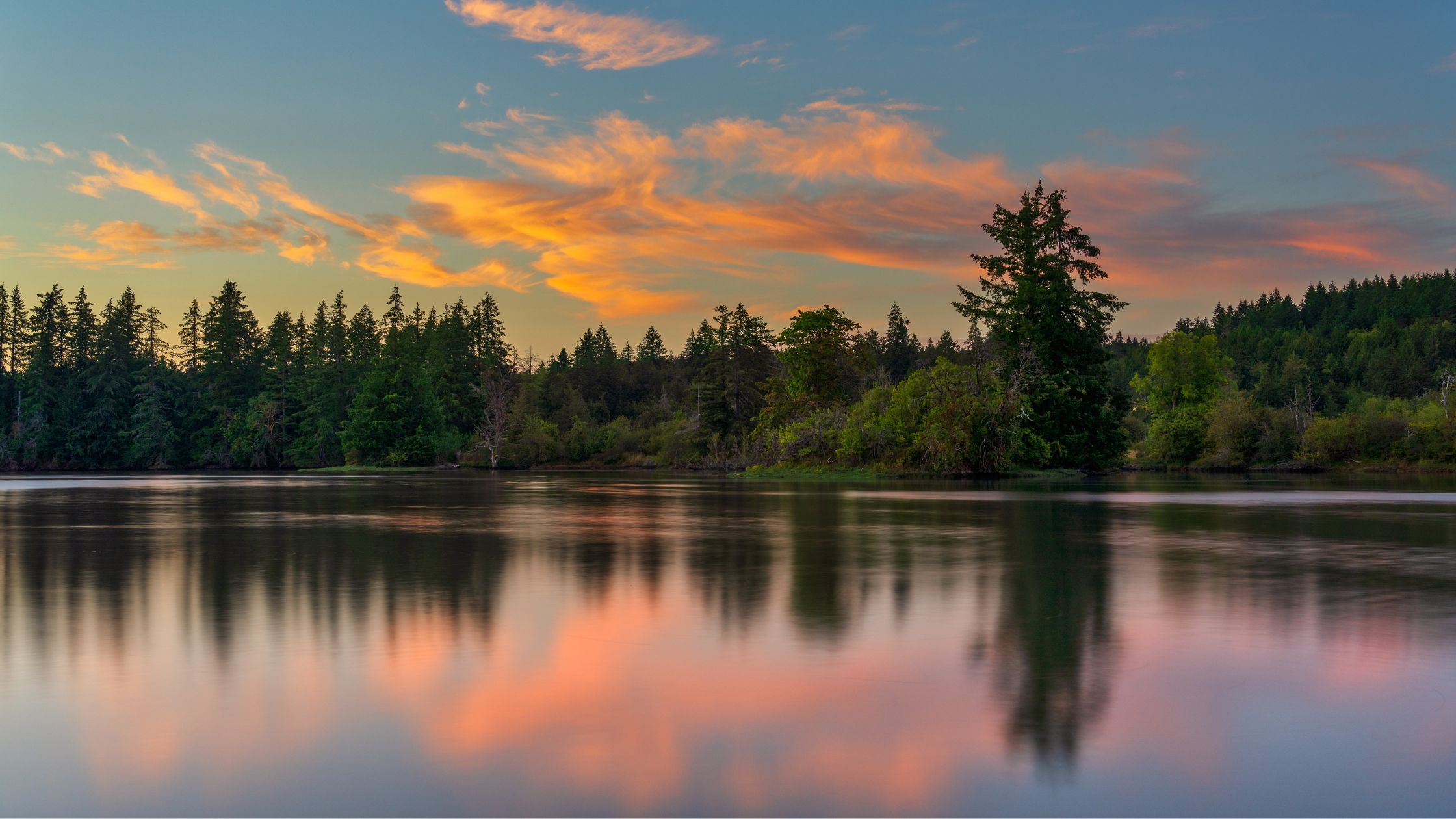
The Gasconade River winds nearly 300 miles through the heart of Missouri, carving through limestone bluffs and gravel bars in a landscape of remote, unspoiled beauty that has drawn paddlers and anglers for well over a century. Flowing past the towns of Waynesville, Richland, and Vienna, the Gasconade moves at a gentle, forgiving current ideally suited to canoe and kayak float trips of anywhere from a single afternoon to a multi-day expedition. A riverside cabin or vacation home along its banks gives your family the most immersive and rewarding way to experience one of Missouri’s great natural waterways.
Canoeing, Kayaking, and Exceptional Bass Fishing
The Gasconade’s smallmouth bass fishing is among the finest in the Ozarks, and the river’s clarity and natural gravel-bar structure create conditions that fly fishermen and conventional anglers find equally productive. Largemouth bass and catfish round out a healthy riverine fishery that rewards guests at every level of angling experience. Rock formations, hidden caves, and abundant wildlife ensure that every bend in the river reveals something worth slowing down for.
History Along the Trail of Tears and the Ozark Landscape
The Gasconade Hills Resort marks the historic site of Stark’s Crossing, a significant point along the Trail of Tears where thousands of Cherokee and other nations crossed the river during forced removal in the 1830s. The weight of that history, carried quietly by the landscape itself, gives a float trip on the Gasconade a dimension that purely recreational rivers rarely possess. The surrounding Ozark terrain of limestone bluffs, forested ridges, and hidden spring-fed tributaries is beautiful in every season.
Why a Riverside Rental Is the Right Choice on the Gasconade
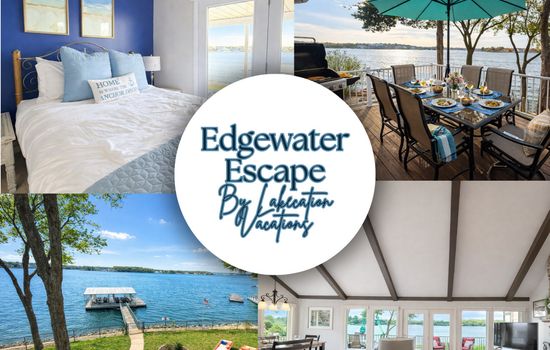
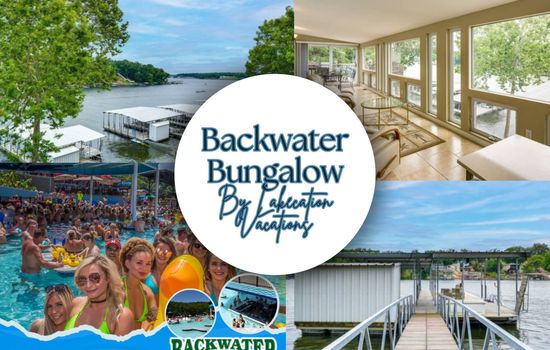
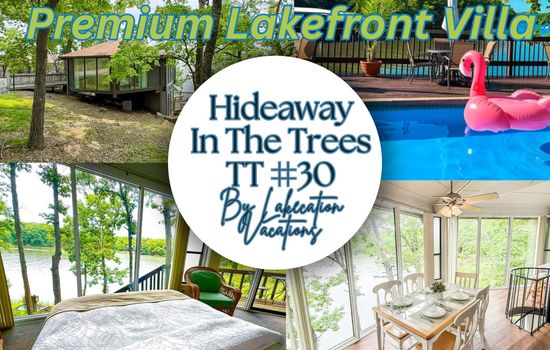
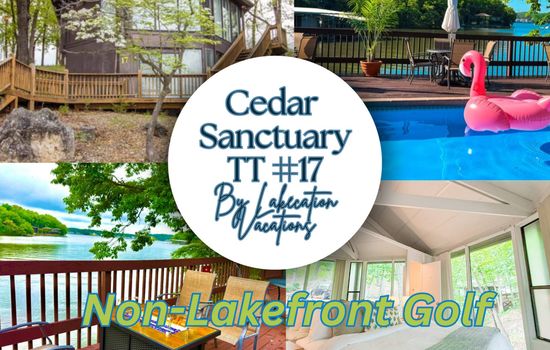
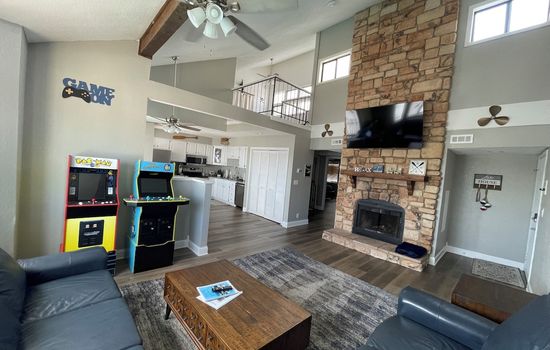
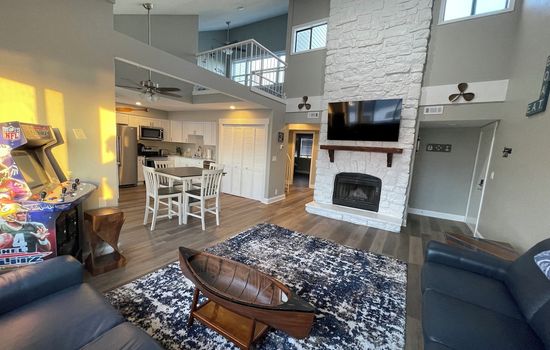
Riverside cabins and vacation homes along the Gasconade River give families full kitchens, private river access, outdoor fire pits, comfortable bedrooms, and a natural setting that creates the conditions for genuine rest and reflection. Many properties offer direct canoe and kayak launch access, eliminating the daily logistics of a public put-in. Pet-friendly rentals are widely available along the river corridor. For families who want a Missouri river experience defined by natural beauty, exceptional fishing, and authentic Ozark character, the Gasconade stands as the state’s most rewarding float river destination.
- Surface area (mi)
- 4569.31
- Max depth (ft)
- 19.03
- Elevation (ft)
- 505.25
Popular activities
- Fishing
- Hiking

Planning a trip?
Tell us about your upcoming trip and how we can help!
Nearby lakes
Frequently Asked Questions
Ready to dive into what Gasconade River has to offer? Let’s tackle some of the burning questions you might have as you plan your visit!
-
Yes, it is safe to swim in the Gasconade River. However, the water contains bacteria and other waterborne disease organisms, so it is not safe to drink. Swimming is allowed, but it’s important to be aware of the water quality issues.
-
The Gasconade River is a popular destination for outdoor activities because it offers good float streams with minimal boat congestion. The river is home to caves, abundant wildlife, and is known for its largemouth and smallmouth bass, making it a favorite among anglers and those who enjoy canoeing, kayaking, and tubing.
-
The daily limit for smallmouth bass in the Gasconade River is one smallmouth bass, and the minimum length limit is 15 inches, except in a specific portion where you can keep only one smallmouth bass over 18 inches. This regulation applies from Highway Y in Pulaski County to Highway D in Phelps County.
-
There is no public beach with a boat launch on the Gasconade River, but there are several public boat launch access points. For example, Mitschele Access and Dry Branch Access provide boat launch facilities along the river.
-
Towns near the Gasconade River include Hartville, Lebanon, Waynesville, and Gasconade. The river flows through several counties in central and south-central Missouri, passing near these towns as it makes its way to the Missouri River. It also goes through parts of the Mark Twain National Forest.