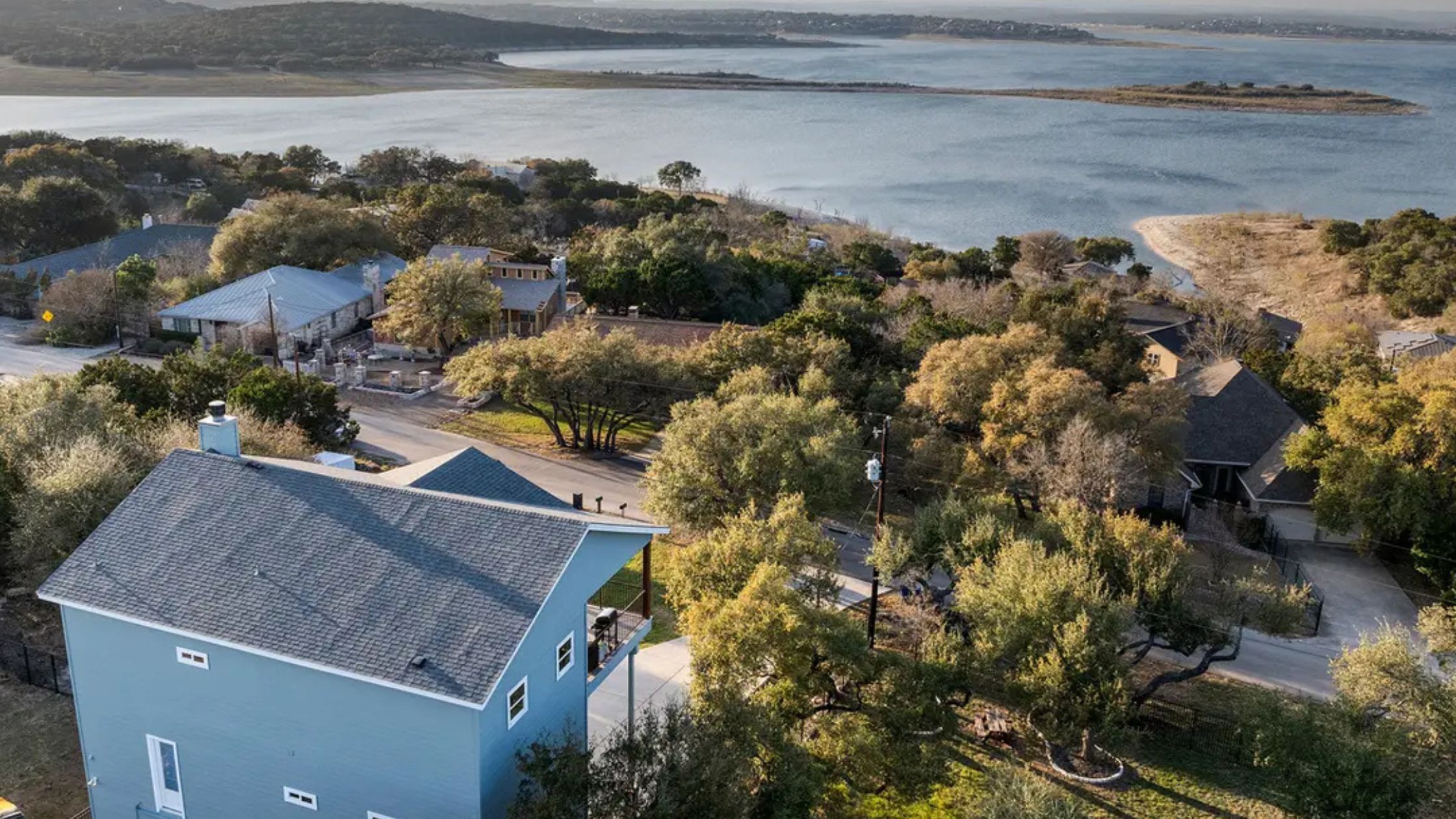
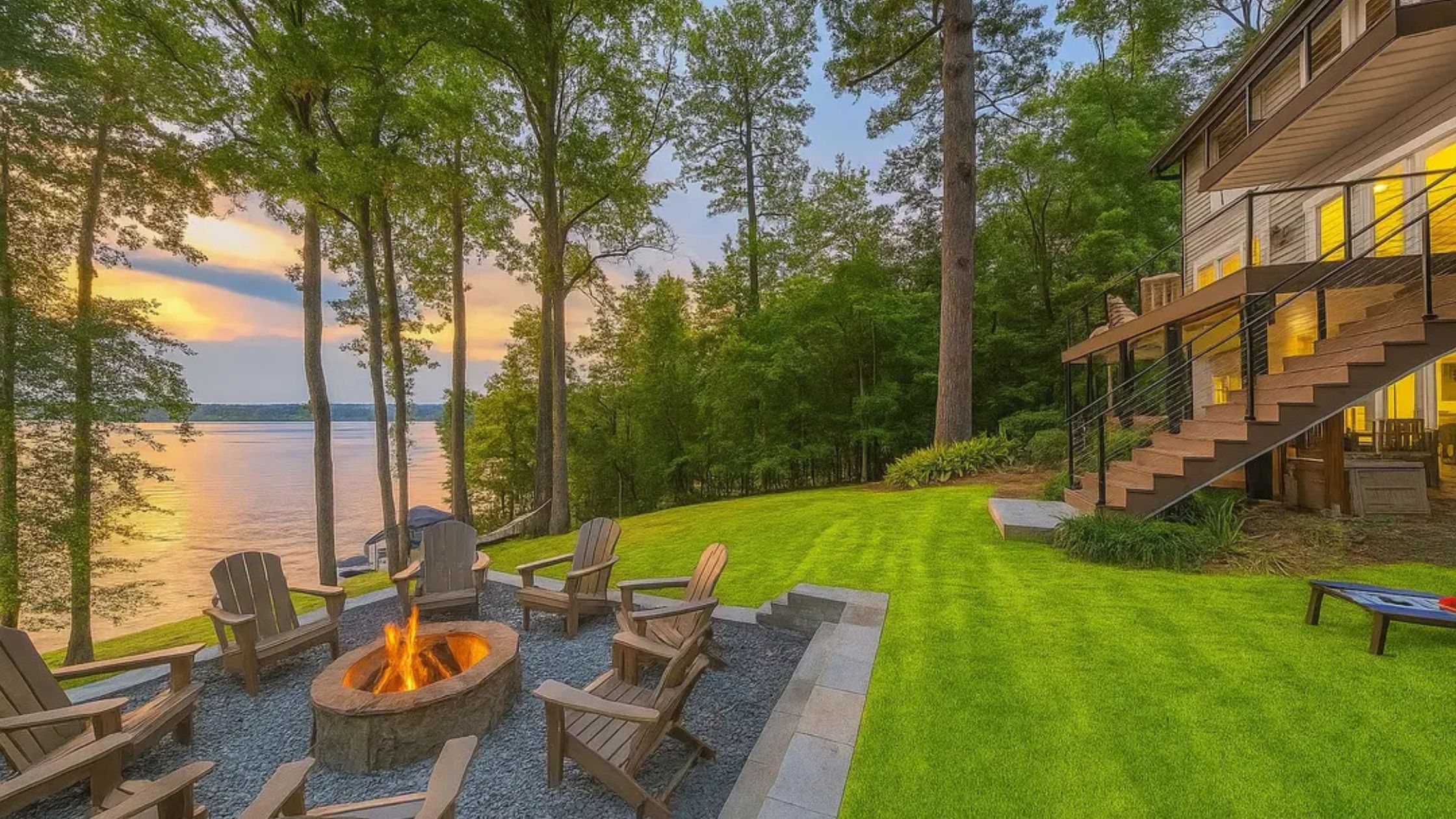
Bold design rentals and desert silence near the national park.







Tips on renting in Joshua Tree
Getting Around
What to Pack
Must-Try Activities
Smart Spending Tips
The town of Joshua Tree earns its reputation in March, when the wildflowers push through the sand along Park Boulevard and the boulder-studded ridgelines go golden by 5pm. This is high-desert California at its most itself: art-forward, intentionally eccentric, deeply quiet after dark. It draws design-conscious couples from Los Angeles who want somewhere worth posting, families ready to trade theme parks for real terrain, and pet owners who can walk a dog at sunrise without a crowd. The pace is slow enough to feel like a genuine escape and just connected enough—one main corridor, a few dozen businesses—to never feel stranded.
Desert without water, except the sky
Joshua Tree is landlocked, so Lake.com listings here are about a different kind of immersion: the high desert at 4,000 feet, where the air is thin, the stars are thick, and the light changes every hour. The area sits at the junction of the Mojave and Colorado deserts, which is why the park’s western half—closest to town—has the iconic Joshua tree forests and granite monoliths that define every postcard. Skull Rock, Cholla Cactus Garden, and the Barker Dam trail are all within 20 minutes of the main village. The closest body of water is the Salton Sea, about 60 miles south—but the park’s hidden oases, including Cottonwood Spring and the Fortynine Palms Oasis trail, offer surprising green pockets in the rock.
Where to stay
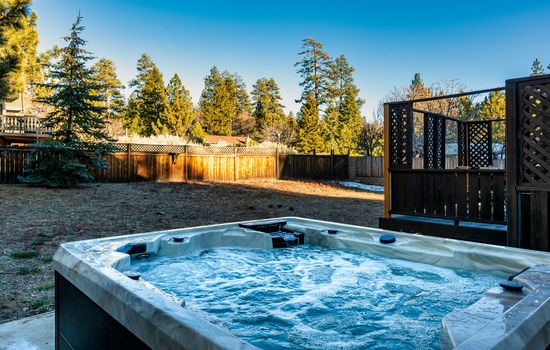
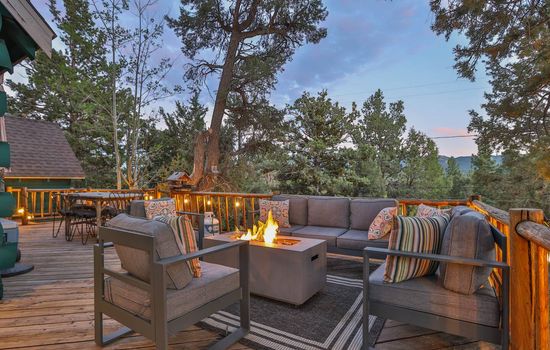
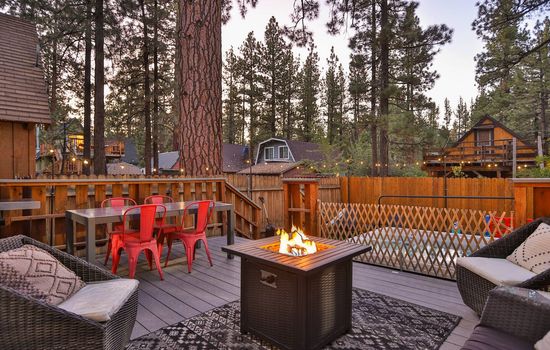
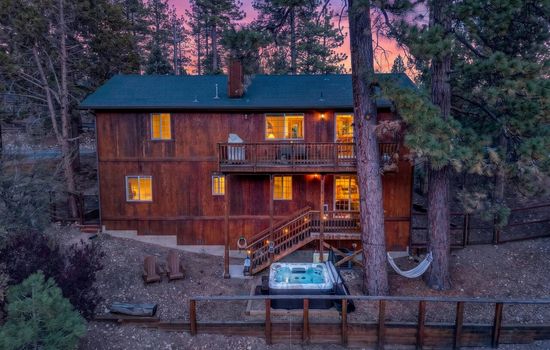
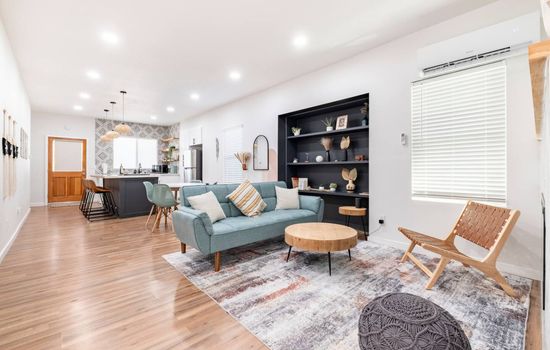
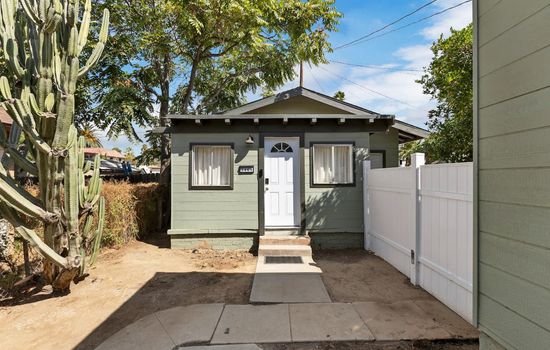
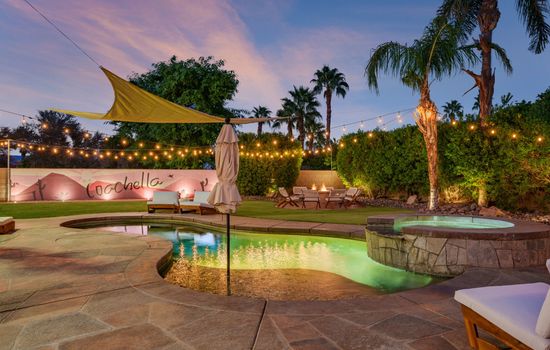
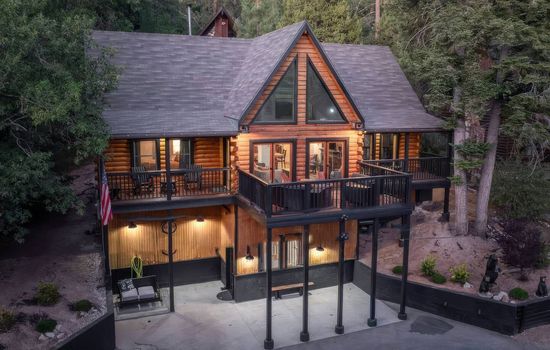
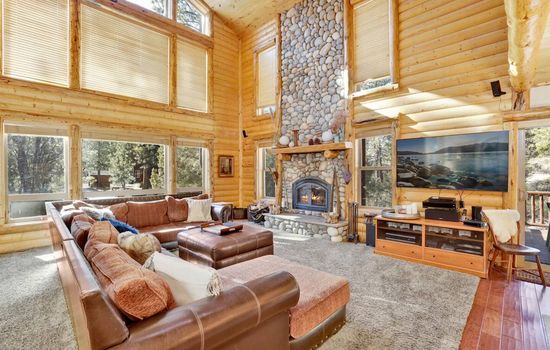
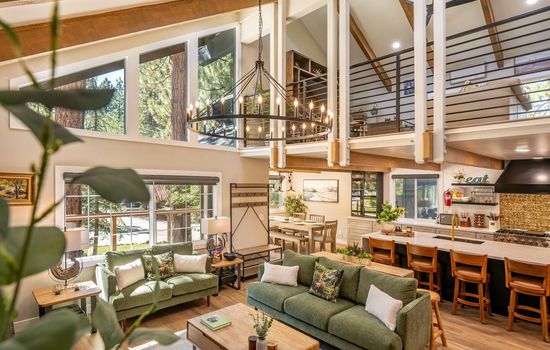
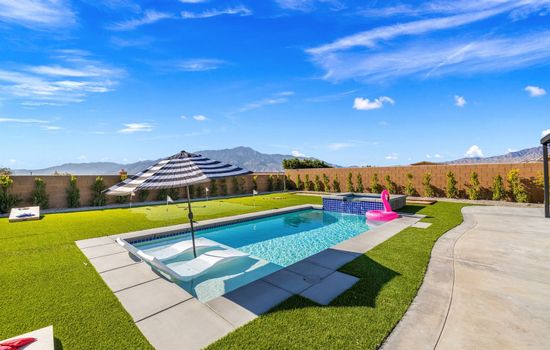
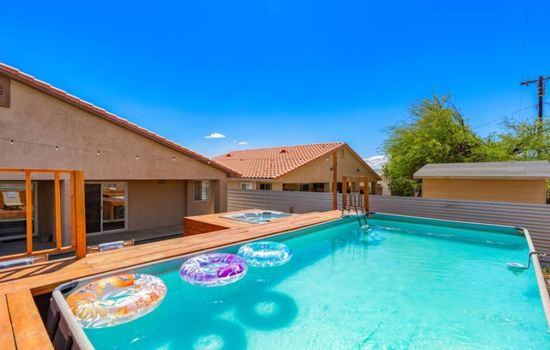
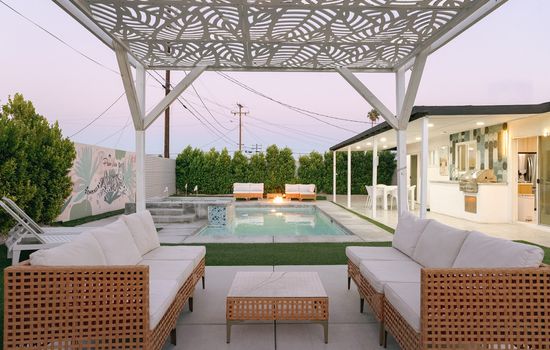
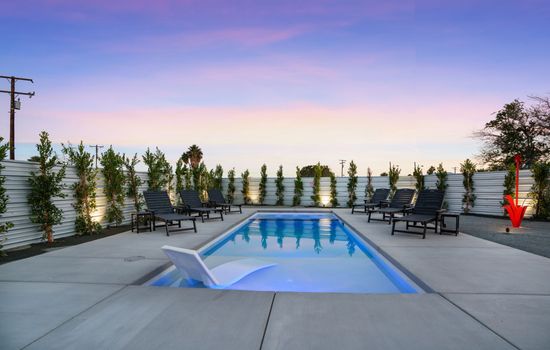
Joshua Tree has over 1,100 active short-term rental listings, and the market is competitive enough that design quality has become the differentiator. The best rentals here are architectural statements: mid-century modern compounds with plunge pools, shipping container studios with rooftop stargazing decks, and off-grid cabins with outdoor showers and fire pits. For families, look for properties with a fenced yard and covered patio. For couples, prioritize blackout curtains, a hot tub, and a king bed oriented toward the view. Pet owners should filter specifically for fenced yards—many properties are open desert. AC is non-negotiable from June through September; a fireplace or propane heater matters from November through February. Most peak-season rentals in Joshua Tree require a two-night minimum, and popular spring weekends book 6–10 weeks in advance.
What to do
The park’s west entrance is five minutes from the village center, making day hikes like the Hidden Valley Nature Trail (1-mile loop among boulders) and the Ryan Mountain summit (3 miles, big payoff views) genuinely easy. The Joshua Tree National Park page on Lake.com has a full activity breakdown. For climbing, Intersport in downtown Joshua Tree rents gear and can connect you with guided sessions on the park’s 400-plus routes. The Mojave Experience (typically March) brings live music and desert arts to the village. Saturday mornings, the Joshua Tree Certified Farmers Market runs 8am–1pm near Highway 62, good for stocking a rental kitchen. The Integratron sound bath in Landers, 15 miles north, is a legitimate 60-minute reset—book ahead.
Food and local rhythm
Más o Menos anchors the village: great coffee in the morning, cocktails and rotating pop-ups at night, with a community calendar that gives you a reason to linger. The Dez does elevated grab-and-go—mezze boards, seasonal mains—that travels well to a picnic table or rental porch. JT Bottle Shop on the main strip carries small-production wine under $25 and closes at 8pm on weekends, which in Joshua Tree qualifies as a late-night spot. Joshua Tree Coffee Company, down the alley off the main street, is where you go before the park. Crossroads Cafe handles hearty breakfast without fuss.
Best time to go
Spring (March–May) is the consensus peak: wildflowers, mild temperatures (60s–70s°F), and maximum energy in town. October and November are underrated—fewer crowds than spring, comfortable hiking weather, and the Night Sky Festival in late October anchors a memorable long weekend. Summer is genuinely hot (100°F+ in July) and best avoided unless your rental has a pool. Winter is the local secret: cold clear nights ideal for stargazing, affordable rates, and near-empty trails on weekdays.
Practical rental advice
San Bernardino County requires short-term rental operators to hold a valid STR permit, Transient Occupancy Registration Certificate, and liability insurance. Reputable listings will display the permit number in the listing description—it’s worth checking. Most rentals require you to bring your own firewood (fire pits are common; open fires need a permit during high-fire periods, typically June–October). Cell coverage is patchy east of the village; download offline maps before driving into the park. Many desirable properties are on unpaved roads—confirm vehicle clearance and check whether 4WD is recommended after rain. Noise ordinances apply in San Bernardino County; many rentals include noise monitoring devices.
Quick tips before you book
- Confirm the STR permit number is visible in the listing before booking.
- Spring weekends book 6–10 weeks out; October fills fast around the Night Sky Festival.
- Pack a headlamp and warm layers—desert nights drop below 40°F from November through March.
- Check whether your rental is on a paved or dirt road; some require high clearance after rain.
- Download offline maps before you leave Yucca Valley—cell service disappears quickly east of town.
Browse all Joshua Tree vacation rentals on Lake.com, or explore more California desert getaways nearby.
Nearby cities
Yucca Valley
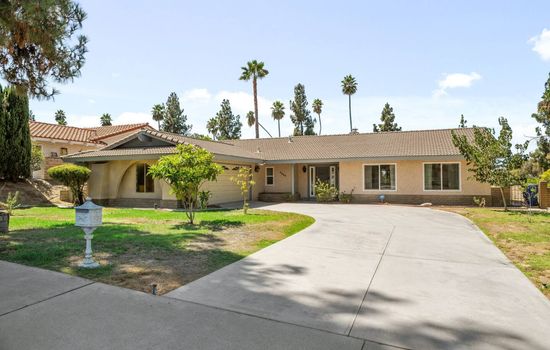
Yucca Valley moves slower than its proximity to Los Angeles suggests. The Flamingo Heights neighborhood alone could anchor a long weekend: mid-century rental compounds with saltwater pools, the Mojave light on the mesa at sunset. This is the practical choice for families, pet travelers, and anyone who wants more space for less money than Joshua Tree village.
Pioneertown
Pioneertown was built in 1946 as a movie set for Roy Rogers and Gene Autry. It's still that small, still that strange, and now it has Pappy & Harriet's—one of the most beloved music venues in Southern California. Best for romantic couples, weekend road-trippers, and anyone who wants their desert base to come with a story.
Twentynine Palms
Twentynine Palms is where the park's north entrance meets a town that's genuinely finding its own voice. Affordable rentals, a real art community, and the best stargazing infrastructure in the basin make it the right base for budget travelers, astronomers, and anyone who prefers their desert experience without a filtered aesthetic.
Indio
Experience Indio and immerse yourself in the vibrant energy of the world-famous Coachella Valley Music and Arts Festival.
Frequently Asked Questions
Ready to see what Joshua Tree has to offer? Let’s tackle some of the burning questions you might have as you plan your visit!
-
Joshua Tree has over 1,100 active short-term rental listings across platforms, making it one of the largest STR markets in the California desert. Supply has grown significantly since 2019, giving travelers a wide range of options from off-grid studios to designer compounds with pools. That said, well-reviewed properties at popular price points still fill quickly during peak season, so browsing early is worthwhile even with ample inventory.
-
Nightly rates typically range from $150 to $450 depending on size, amenities, and season. Well-designed 2–3 bedroom properties with pools or hot tubs commonly run $275–$450 during spring and fall peak periods. Budget-friendly options exist year-round, particularly for midweek stays in summer and winter. Always confirm the total cost including cleaning fees and taxes before booking.
-
For spring (March–May) and October weekends, book 6–10 weeks in advance. The Night Sky Festival weekend in late October and the Mojave Experience in March fill rental inventory especially fast. Winter and summer weekdays are more flexible, often bookable within 1–2 weeks. Holiday weekends like Memorial Day and Labor Day warrant 2–3 months of lead time.
-
Joshua Tree is one of California’s more pet-friendly short-term rental markets, with many properties allowing dogs. However, “pet-friendly” varies widely—always filter specifically for fenced yards if you have a dog who roams, and confirm the fee (typically $25–$75 per stay). The park itself allows leashed dogs on paved roads and in campgrounds but not on trails; Pioneertown Mountains Preserve nearby allows leashed dogs on hiking routes.
-
Spring (March through May) is the most popular season, with mild temperatures, occasional wildflower blooms, and the most active event calendar. October and November offer comparable weather with fewer crowds and slightly lower rates. Winter (December–February) is the local insider’s choice: empty trails, dark clear skies, and the year’s best rental prices. Summer is the one season most visitors skip—daytime highs regularly exceed 100°F, though a rental with a pool makes it manageable.