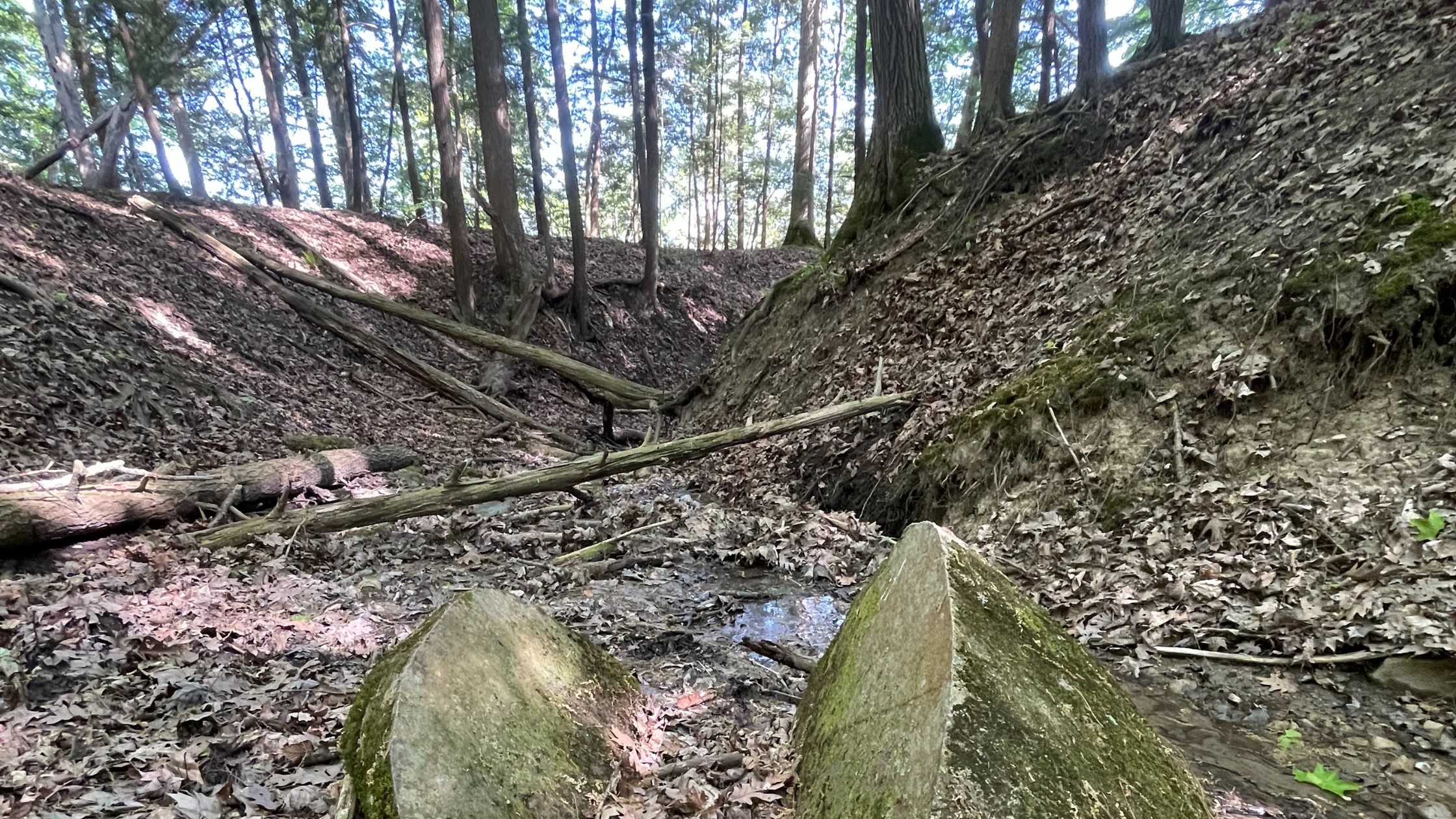
Discover the breathtaking beauty and diverse wildlife of Florida's stunning natural paradise.



























Discover the breathtaking beauty and diverse wildlife of Florida's stunning natural paradise.
The Everglades and Francis S. Taylor Wildlife Management Area stand as a testament to Florida’s natural beauty, inviting discerning travelers to explore its vast and diverse ecosystems. This expansive region, characterized by its unique subtropical wilderness, offers an unparalleled opportunity to immerse oneself in the sights and sounds of nature. Visitors can glide through the serene waters of the wetlands, where the vibrant tapestry of flora and fauna unfolds, revealing alligators basking in the sun and a myriad of bird species soaring overhead.
Adventurers will find the park’s extensive network of trails and waterways ideal for kayaking, hiking, and wildlife observation. The tranquil setting encourages a deep connection with the environment, allowing guests to witness the delicate balance of life that thrives here. Guided tours enhance the experience, providing insights into the ecosystem’s intricate workings and the conservation efforts dedicated to preserving this remarkable habitat.
As dusk settles, the Everglades transform into a magical realm, with the sounds of nature creating a symphony that captivates the senses. Whether you seek solitude or adventure, the Francis S. Taylor Wildlife Management Area promises an unforgettable escape into one of Florida’s most cherished natural treasures.
Seasons
Spring’s mild temperatures and abundant wildlife make it the perfect season to explore Florida’s vast wetlands, offering unparalleled birdwatching and outdoor adventures.
Summer’s sultry embrace transforms the Everglades into a vibrant tapestry of life, where early mornings and late afternoons offer unparalleled wildlife encounters, and the occasional summer storm gives way to breathtaking sunsets.
In fall, the Everglades and Francis S. Taylor Wildlife Management Area offer cooler temperatures and reduced insect activity, making September through November ideal for hiking, bird watching, and wildlife viewing.
Winter’s mild temperatures and reduced humidity make December through February ideal for exploring the Everglades’ diverse wildlife and scenic beauty.
Top 3 Facts about Everglades and Francis S Taylor Wildlife Management Area
The Everglades are home to the elusive Florida panther, a critically endangered species with fewer than 120 individuals remaining, and during the spring migration, thousands of birds, including the rare snail kite, flock to the wetlands, creating a vibrant spectacle of wildlife diversity.
The Everglades region experiences unique microclimates due to its diverse ecosystems, where temperature variations can be extreme; for instance, localized storms can create sudden downpours, leading to rapid flooding in certain areas while nearby locations remain dry, showcasing the area’s complex weather dynamics.
Home to the longest continuous wilderness trail in the U.S., this area features bizarrely named routes like the “Shark Valley Loop” and unusual rules banning swimming and alcohol, ensuring a unique outdoor experience for adventurers seeking wildlife encounters and record-setting outdoor sports.
Travel Tips
Plan Ahead
To fully enjoy your visit, plan ahead by checking weather conditions and trail accessibility. Bring plenty of water, sunscreen, and insect repellent, as the sun can be intense and mosquitoes prevalent. Arrive early to experience the best wildlife viewing opportunities and consider guided tours for deeper insights into the unique ecosystem. A well-prepared trip ensures an unforgettable adventure in this stunning natural paradise.
Pack Appropriately
When preparing for your adventure in Florida’s wetlands, pack a pair of waterproof shoes and lightweight, breathable clothing to stay comfortable in the humid climate. Don’t forget to bring a reusable water bottle and a portable phone charger; the vast landscapes can drain your battery quickly, and staying hydrated is essential while exploring the diverse ecosystems.
Respect Wildlife
Respect the diverse wildlife by observing from a distance and avoiding feeding animals, as this disrupts their natural behavior. Stay on marked trails to protect habitats and minimize your impact, ensuring that future visitors can also enjoy the stunning array of species that call this unique ecosystem home.
Stay Informed
Before your visit, stay informed by checking weather conditions, temperatures, and any fire bans or notices. Know the emergency contact information and share your plans with someone, including your expected return time, to ensure your safety while enjoying the great outdoors.
Accessibility & permits
Emergency

Information not accurate?
Help us improve by making a suggestion.


Frequently Asked Questions
Ready to dive into what Everglades and Francis S Taylor Wildlife Management Area has to offer? Let’s tackle some of the burning questions you might have as you plan your visit!
-
In Everglades WMA, visitors can engage in various activities including hiking, birdwatching, wildlife viewing, canoeing, and fishing. The area is known for its rich biodiversity, offering opportunities to see alligators, manatees, and numerous bird species. Additionally, there are designated areas for hunting during specific seasons, making it a popular spot for outdoor enthusiasts.
-
To obtain a Florida fishing license, visit the Florida Fish and Wildlife Conservation Commission website or go to authorized retailers. You can choose from various license types, including annual and short-term options. Ensure you have valid identification and be aware of specific regulations regarding size and bag limits for different species.
-
The best time to visit the Everglades for birdwatching is during the dry season, from November to April. During this period, migratory birds flock to the area, and the cooler, drier weather makes for comfortable viewing conditions. Early mornings are particularly good for spotting a variety of species.
-
Pets are not allowed in most areas of Everglades National Park, as they can disrupt wildlife and the natural ecosystem. However, they are permitted in designated areas such as campgrounds and parking lots, but must be leashed and cleaned up after.
-
The hunting seasons in Everglades WMA vary by species and are typically set by the Florida Fish and Wildlife Conservation Commission. Common hunting seasons include those for deer, small game, and waterfowl, with specific dates and regulations outlined annually. It is crucial to check the latest regulations before planning a hunting trip.